
Aged Albariño: top bottles to try
Spain’s Albariño whites are crisp, fresh and typically drunk young. But in fact the grape can produce ageworthy wines that deserve a place in your cellar. Julie Sheppard selects highlights from a recent tasting.


Made in Rías Baixas in northern Spain’s Galicia, Albariño is a crisp white wine with signature freshness. Boasting vibrant acidity and salty Atlantic notes, it’s a great match for seafood. Albariño is usually drunk young, but a recent tasting of older expressions set out to prove that actually this is a grape that can be aged successfully.
Scroll down to see tasting notes and scores for seven aged Abariño wines worth seeking out
From a total of just over 4,000ha of vineyards in DO Rías Baixas, 96% is planted to Albariño, with 5,131 growers working in the region. Characterised by its granite soils, it’s a region of small vineyard plots boasting about 20,000 individual sites.
The importance of selecting particular plots to produce ageworthy wines emerged as a theme during the tasting, as seven Rías Baixas producers joined us via Zoom. They showcased bottles from 2019 all the way back to 2010. Old vines were also seen as key to ageability, producing fewer grapes but with more intensity of flavour.
Vintage variation
Vintage quality also plays a role. Diego Ríos Muñoz, winemaker at Agro de Bazán, explains: ‘Though our main production is focused on fresh, young Albarinos, the winery had always had reference wines that stay longer in the cellar, and they go later on the market. We don’t do it every year – just in those vintages where we are very happy with the quality.’
He looks for ‘really healthy grapes’, with no botrytis and the perfect balance of alcohol and acidity. But he adds: ‘It’s a very long process. It’s not just the moment of the harvest. It’s also the evolution afterwards in the cellar.’
Just 10,000 bottles of his Gran Bazán Don Alvaro de Bazán 2018 were produced. It spent two years on lees and one in bottle in the cellar before release. As Ríos Muñoz noted, this extra time allows notes of ‘ripe fruit, papaya, white chocolate, even a little bit of tobacco’ to develop, producing ‘a completely different aspect of the variety’.
He added: ‘These aged Albariños are so beautiful because they can compete internationally with varieties like Chenin Blanc or Riesling.’
Lees ageing
Extended time on full or fine lees was a signature of many other bottles in the tasting. This lees ageing adds body and texture to the wines, giving a creaminess that helps to balance the natural acidity of the Albariño grape.
Katia Alvarez, winemaker at Martín Códax, began producing a lees-aged Albariño – Martín Códax Lías – in 2005. After a cool pressing ‘to maintain all the concentration that we have in the grapes’, she starts to work with the lees after fermentation. ‘We increase the quantity of the lees that the wine has, based on lees that we have in the winery. We select lees which are going to concentrate on bringing the nose [aromas].’
After two months of battonage with the additional lees, the wine spends a further 10 months in stainless steel tanks on fine lees. ‘I’m looking for the integration between the flavours that come from the lees and also the flavours from the varietal,’ explains Alvarez.
She explains that for her the Martín Códax Lías 2018 typifies Rías Baixas. ‘We have the creamy notes from the lees, but also an obvious saltiness… some minerality, some spiciness. For me what makes the wine different is the mouthfeel. It’s an example of the potential that Albariño has,’ she added.
Oak influence?
While most of the winemakers ferment and age Albariño in stainless steel, Juan Posada of Viñas e Adegas Galegas ferments in oak. His Adegas Galegas Veigadares 2017 has a backbone of Albariño – sourced from three separate plots in the sub-regions of Salnes Valley, Condado do Tea and O Rosal.
However Posada also includes other native Spanish grapes in the blend: Loureira, Treixadura and Caiño Blanco. Each variety (including the Albariño) is fermented separately in 2,500-litre French oak foudres. ‘We play with different oaks,’ explains Posada, who is looking for increased complexity and ageing potential.
His 2017 wine had some lovely evolved savoury aromas and flavours, all cut through with vibrant acidity. However it was the final wine of the tasting, a library vintage of Pazo de Señoráns Selección de Añada 2010, that really stood out in terms of complexity.
Better with time
‘We’ve always believed in the ageing potential of the Albariño grape,’says Pazo de Señoráns winemaker Vicky Mareque. ‘So in 1995 we made the first vintage of this wine from a single plot, which is called Los Bancales. It’s one of our oldest vineyards, with some vines up to 100 years, but the average age is 55 years.’
Spending up to 38 months on its lees in stainless steel, with further time ageing in tank, then in bottle before release, this is a wine that exemplifies the complexity of aged Albariño. The 2010 vintage was bottled three years ago.
‘The 2010 is quite full-bodied but it’s still quite fresh,’ says Mareque. ‘They acidity is nice, it’s pretty mineral, but we start to see the tertiary aromas and flavours.’
As Sarah Jane Evans MW, DWWA Co-Chair and author of The Wines of Northern Spain, noted in a recent panel tasting of Albariño versus Alvarinho (the Portuguese name for the grape): ‘The best Albariños age beautifully – it is well worth seeking them out.’ Fellow taster Sarah Ahmed agreed: ‘I have tasted Alvarinhos that have been 10 to 20 years old, and they have aged really well.’
While young Albariños should be drunk within four years of release, examples that are made for ageing, such as the wines below, will happily mature in bottle for five to 10 years in your home cellar. Fans of aged white styles certainly shouldn’t ignore Albariño…
Aged Abariño: seven to try
Related content:
Best Albariño wines under £20: ten to try
Origins of Albariño – Ask Decanter
Pazo de Señoráns, Selección de Añada Albariño, Rías Baixas, Spain, 2010
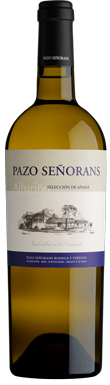

From vines aged over 45 years old planted in a single 4ha vineyard, this spends three years ageing on its lees in stainless steel. Immediately...
2010
Pazo de Señoráns

Fefiñanes, Albariño de Fefiñanes III Ano, Rías Baixas, Spain, 2017
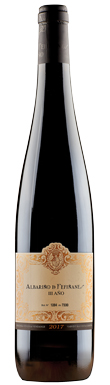
Bottled in 2020 and aged in a mixture of old French and American oak, as well as stainless steel. Elegant, harmonious, fresh aromas. Pronounced minerality...
2017
Fefiñanes
Martín Códax, Lías Albariño, Rías Baixas, Spain, 2018
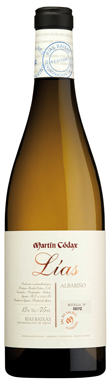
Spends 12 months on fine lees. A honeyed nougat nose, with salty and herbal notes. The palate is fresh and complex with a delicious saltiness...
2018
Martín Códax
Paco & Lola, Vintage Albariño, Rías Baixas, Spain, 2015
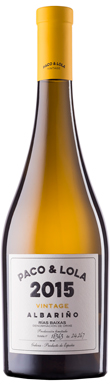
From old vines on granitic soils, this Albariño spends a year on fine lees, then another four years in stainless steel. Lemon sherbet and lemon...
2015
Paco & Lola
Adegas Galegas, Veigadares, Rías Baixas, Spain, 2017
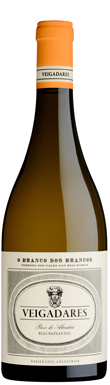
A blend of Albariño with Loureira, Treixadura and Caiño Blanco, fermented in oak, then aged in stainless steel with six months on lees. Evolved savoury,...
2017
Adegas Galegas
Granbazán, Don Alvaro de Bazán Albariño, Rías Baixas, Spain, 2018
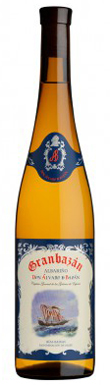
Only made in the best years from 40-year-old vines planted in the coolest part of the Finca Tremoedo vineyard. Attractive citrus aromatics with touches of...
2018
Granbazán
Santiago Roma, Pedrani di Santiago Roma Albariño, Rías Baixas, Spain, 2019
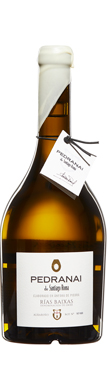
From 40-year-old vines, fermented and matured in granite eggs for seven months, with lees stirring. Creamy citrus nose, very fresh. Textured palate with an oily...
2019
Santiago Roma
