
Albariño versus Alvarinho: panel tasting results
One grape variety, two countries; but what’s the difference? Our expert panel tasted 83 expressions of Albariño/Alvarinho from Spain and Portugal, and confirmed that climate, soil and patience deliver both variety and complexity.


Sarah Jane Evans MW, Sarah Ahmed and Beth Willard tasted 83 wines with 7 Outstanding and 29 Highly Recommended.
Entry criteria: producers and UK agents were invited to submit a single wine of their choice of vintage, and 100% single-varietal Albariño/Alvarinho
Albariño versus Alvarinho panel tasting scores
83 wines tasted
Exceptional 0
Outstanding 7
Highly recommended 29
Recommended 33
Commended 8
Fair 4
Poor 0
Faulty 2
Albariño is a seasoned traveller. Recently licensed in Bordeaux, you’ll also find it in Uruguay, New Zealand, California and southern France. Yet nowhere does it better than the northwest of the Iberian peninsula, where it’s an ancient variety.
Scroll down to see tasting notes and scores for the top Albariño vs. Alvarinho wines
For this Iberian showdown, the Spanish entries came, with two exceptions, from Rías Baixas, predominantly from the Salnés sub-zone. The Portuguese samples came almost exclusively from the top-quality Vinho Verde sub-zone of Monçāo e Melgaço, with a notable exception from the Douro.
This is a variety that loves the granite of both regions. The tasting confirmed its adaptability to terroir, with clear differences in style. It is very sensitive to climate, whether the humid, maritime Rías Baixas, or the higher altitude and more continental character of Monçāo e Melgaço.
Highlighting these differences, Beth Willard commented that Alvarinho sees more differences in quality between the entry-level wines and the top ones, while Albariño is in general more consistent. Specialist importer Nick Oakley, who works in both countries, notes that this consistency is Albariño’s great selling point.
Over the river Minho in northern Portugal, Alvarinho (along with Loureiro) plays a starring role in dry, still Vinho Verde (traditionally a spritzy varietal blend).
Produced in nine different sub-zones, until this year only 100% Alvarinho from the sub-zone of Monçāo e Melgaço enjoyed Vinho Verde DOC status. Others were labelled Vinho Regional Minho (VR Minho shares the same boundaries as DOC Vinho Verde, but the regulations for the DOC are stricter).
From 2021, 100% single-varietal Alvarinho from any sub-zone can declare DOC on the label.
See all 83 tasting notes and scores from the Albariño vs. Alvarinho panel tasting
Albariño/Alvarinho: the facts
Albariño (Spain)
Area planted 4,093ha in Rías Baixas, of which 96% Albariño
Growers 5,131 in Rías Baixas
Production 1990 3.1m litres, 2020 23.5m litres
source: CRDO Rías Baixas, 2019/20
Alvarinho (Portugal)
Area planted 3,227ha across Portugal, 2% of national vineyard production
Monçāo e Melgaço vineyards 1,700ha of Alvarinho
Monçāo e Melgaço growers 2,000
source: IVV, 2018; Wines of Portugal
Albariño showed its typical stone fruit character, with richness, ripe citrus, and white flower aromatics. Sarah Ahmed also found a briny, maritime note, like ‘pickled jalapeño water’.
Many wines declared four to 24 months of ageing on lees, which built a successful complexity. Willard, though, was discouraged to observe the effects of Albariño’s popularity: ‘Everyone is rushing wines out – these 2020s have distinct primary tropical fruit. They are missing out on the complexity that an extra year gives, and it has damaged the category.’
Certainly, though, the best Albariños age beautifully – it is well worth seeking them out. Ahmed agreed: ‘I have tasted Alvarinhos that have been 10 to 20 years old, and they have aged really well.’
The Alvarinhos here distinguished themselves by their power and structure. Soalheiro’s Granit was a textbook example of ‘continental’ Alvarinho grown on poor granite soils at 350m: less aromatic, less rounded, more linear and mineral.
Historically, Alvarinho was said to have lower alcohol than Albariño, but today there is little difference. Overall, one factor was clear. As Ahmed concluded, whether Albariño or Alvarinho: ‘This tasting showed that it is a noble variety.’
Top-scoring wines from the Albariño vs. Alvarinho panel tasting
The wines listed below all scored 92 points or above
The judges
Sarah Jane Evans MW is an awarded journalist, author and broadcaster, and a DWWA Co-Chair. Author of The Wines of Northern Spain (Infinite Ideas, 2018), she is also the current chair of Spain’s Gran Orden de Caballeros del Vino.
Sarah Ahmed is an awarded wine writer, educator and judge who specialises in Portugal and Australia. A Cavaliero of the Confraria do Vinho do Porto, she is the DWWA Regional Chair for Portugal and publishes her own website at thewinedetective.co.uk
Beth Willard is buying director for independent merchant Winetraders, introducing new wines from Spain and Eastern Europe to the UK. Formerly buying manager at Direct Wines, she is a member of Spain’s Gran Orden de Caballeros de Vino and of the Confrérie de Tokaj in Hungary.
Related content
Best Rías Baixas Albariño: Panel tasting results
Best Albariño wines under £20: Ten to try
Top Portuguese white wines for summer
Quinta de Soalheiro, Granit Mineral Selection, Monção e Melgaço, Vinho Verde, Portugal, 2019
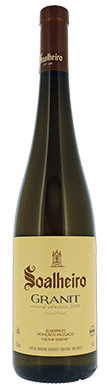

<p>Soalheiro gained its name due to the sunny environment in which its vines are grown in the Melgaço sub-region. Granit is from a selection of...
2019
Quinta de SoalheiroMonção e Melgaço

Granbazán, Don Álvaro de Bazán Albariño, Rías Baixas, Galicia, Spain, 2018
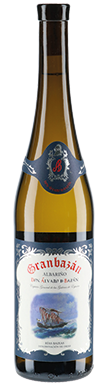
<p>Don Álvaro de Bazán is only produced in the best vintages, the grapes grown on poor, sandy granitic soils in the Rías Baixas sub-region of...
2018
GranbazánRías Baixas
Veiga da Princesa, Albariño, Rías Baixas, Galicia, Spain, 2019
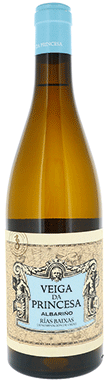
<p>Veiga da Princesa only produces wine from grapes grown in its own vineyards. The producer is located in the Rías Baixas sub-region Condado de Tea,...
2019
Veiga da PrincesaRías Baixas
Santos da Casa, Reserva, Monção e Melgaço, Vinho Verde, Portugal, 2019
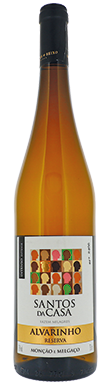
<p>Santos & Seixo was founded in 2010 by two friends wishing to produce high-quality wines in different regions of Portugal. This Reserva Alvarinho is an...
2019
Santos da CasaMonção e Melgaço
Maior de Mendoza, Maior de Mendoza Sobre Lías, Rías Baixas, Galicia, Spain, 2019
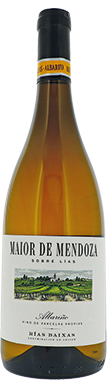
<p>Maior de Mendoza produces wine from vineyards that were planted before the creation of the DO in 1988. The producer, a pioneer of lees contact...
2019
Maior de MendozaRías Baixas
Quinta de Santiago, Alvarinho, Monção e Melgaço, Vinho Verde, Portugal, 2019
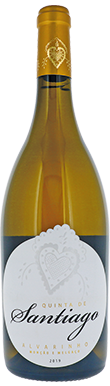
<p>Family-owned since 1899, in 2011 Quinta de Santiago started making wines under its own label, using grapes grown in the vineyards they had been cultivating...
2019
Quinta de SantiagoMonção e Melgaço
Mar de Envero, Rías Baixas, Galicia, Spain, 2019
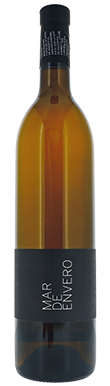
<p>In 2007, Manyo Moreira returned to his Galician homeland after leading different projects in other regions of Spain. This small- production Albariño wine is his...
2019
Mar de EnveroRías Baixas
Anselmo Mendes, Parcela Única, Monção e Melgaço, Vinho Verde, Portugal, 2018
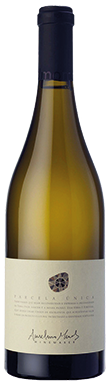
Floral nose with somewhat smoky notes, warm apricot and white pepper aromas. Big on the palate with lots of layers and a spicy finish.
2018
Anselmo MendesMonção e Melgaço
Real Companhia Velha, Delaforce Alvarinho, Douro, Douro Valley, Portugal, 2020
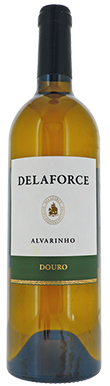
Lively, smoky nose with notes of grapefruit and honeysuckle over peach scents. Mouthwatering on the palate with a very fine texture.
2020
Real Companhia VelhaDouro
Real Compahia Velha, Quinta do Cidrô, Douro, Douro Valley, Portugal, 2020
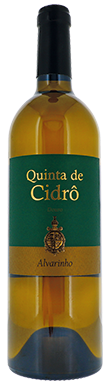
Fresh nose of apricot, lemon peel and orange. Very fine mineral palate with an exceptional balance. Elegant and very long.
2020
Real Compahia VelhaDouro
Márcio Lopes, Pequenos Rebentos, Monção e Melgaço, Vinho Verde, Portugal, 2020
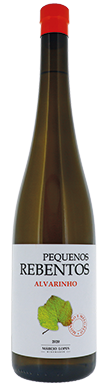
Nose of tangerine peel, white peach and ripe apple and pear. Chalky texture, persistent finish.
2020
Márcio LopesMonção e Melgaço
Terra de Asorei, Albariño Crianza Sobre Lías, Rías Baixas, Galicia, Spain, 2019
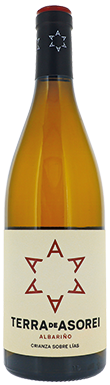
Quite floral with notes of bergamot, eucalyptus, white peach and pear. Rich and honeyed on the palate with a lovely freshness.
2019
Terra de AsoreiRías Baixas
Vionta, Albariño, Rías Baixas, Galicia, Spain, 2019
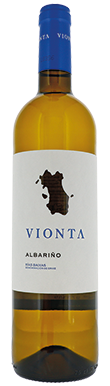
Breezy and saline on the nose, showing notes of pear and ripe peach. Mouthwatering palate with a crunchy acidity.
2019
ViontaRías Baixas
Fillaboa, Selección Finca Monte Alto, Rías Baixas, Galicia, Spain, 2018
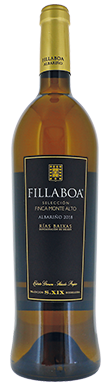
Lemony nose with some fennel-edged apricot and pineapple notes. Well structured with firm acidity, crisp and crunchy.
2018
FillaboaRías Baixas
Bodegas Ramón Bilbao, Albariño, Rías Baixas, Galicia, Spain, 2020
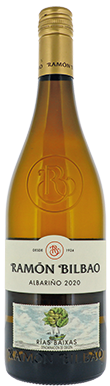
A touch of nuttiness on the nose with macadamia, mango and white blossom notes. Vibrant on the palate with a creamy texture.
2020
Bodegas Ramón BilbaoRías Baixas
Luis Seabra, Granito Cru, Monção e Melgaço, Vinho Verde, Portugal, 2019
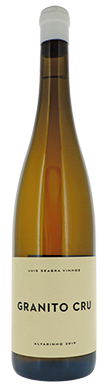
Oaky aromas with orange peel, mango and savoury scents. Precise and mineral, very well balanced.
2019
Luis SeabraMonção e Melgaço
La Báscula, Atlantic Way Albariño, Rías Baixas, Galicia, Spain, 2019
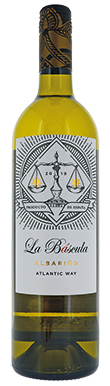
Briney nose with touches of lees and bitter lemon. Lingering palate, creamy texture, nice mouthfeel.
2019
La BásculaRías Baixas
Quinta de Santiago, Santiago na Ânfora do Rocim, Monção e Melgaço, Vinho Verde, Portugal, 2019
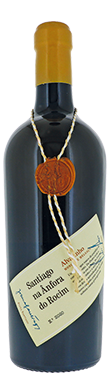
Mature nose of saffron-apples, fresh herbs, salty caramel, mushrooms. Intense; layers of complexity.
2019
Quinta de SantiagoMonção e Melgaço
Pazo de Villarei, Rías Baixas, Galicia, Spain, 2020
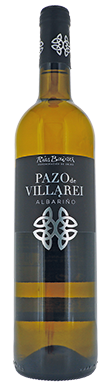
Tempting aromatics of orange blossom, plum, peach, nectarine peel and fresh herbs. Memorably bright and concentrated.
2020
Pazo de VillareiRías Baixas
