
Alto Piemonte latest releases: 12 top picks
Alto Piemonte has come on so much in recent years that its Nebbiolos are now considered an 'essential addition' to Stephen Brook's report on the region's latest releases.


Most of the Alto Piemonte wines were tasted in December 2019 during a visit to the top estates of the region.
The growing interest in this more northerly region of Piedmont has persuaded me to include some of its wines in this report. Historically this was an important area, but both the ravages of phylloxera and industrial growth, especially textiles, caused many vineyards to be abandoned, while the local population found it more rewarding to work in factories than on the land. The region is, moreover, only 90 kilometres west of Milan.
Scroll down for Stephen’s top 12 Alto Piemonte latest releases
By the late 19th century there were over 15,000 hectares under vine, and the wines enjoyed strong demand. A hundred years later the region was heading for extinction, but with rising prices for Barolo and other Nebbiolos, a renewed interest in Alto Piemonte led to a doubling of the vineyard surface between 2013 and 2019. The greatest validation came in 2018 when Barolo producer Roberto Conterno bought the century-old Nervi estate in Gattinara, although the wines he and his sons have made since have yet to be released. In addition, local textile tycoons have opted to revitalise certain estates. Paolo de Marchi, renowned for his Chiantis from Isole e Olena, has dispatched his son Luca to revive Sperino, the family’s ancestral but run-down property in Lessona. And Travaglini in Gattinara has maintained its steady, quality-oriented course for decades.
Alto Piemonte is composed of a handful of small communes: Ghemme, Gattinara, Sizzano, Lessona, Fara, Boca, and Bramaterra, as well as more generic appellations with more flexible rules (Colline Novaresi and Coste della Sesia). The differences between them in terms of soil and microclimate are too numerous to be summarised here. Local rules and regulations vary considerably, which makes it harder to claim a specific identify for the region. Indeed, Nebbiolo is not the only variety, and some appellations permit blends that include Vespolina, Croatina and Uva Rara (Bonarda). Although some excellent wines are made from Vespolina in particular, the recommendations that follow focus on Nebbiolo-dominant wines or pure Nebbiolos.
Alto Piemonte’s climate differs from that of the Langhe. Summers tend to be mild, and winters are often snow-free, as the region is sheltered by the Alps to the north. It’s difficult to characterise the wines, as there are inevitable stylistic variations, but in general Nebbiolos from here have less tannin and alcohol, and higher acidity, than Barolo or Barbaresco.
They also differ from the latter wines in that minimum ageing regimes vary from appellation to appellation; moreover producers are free to adopt individual ageing policies. Most Barolos and Barbarescos are released within a six-month window. For many Alto Piemonte producers the current release is 2015 or 2016, but others prefer to give their wines long ageing, either in barrel or in bottle, and for some of these, current releases could be 2013 or even earlier vintages. Sella, an historic estate in Lessona, makes a top bottling called ‘Omaggio’ that spends over four years in casks, and the current release is 2009.
Although Alto Piemonte is not a consistent region, and there are indeed rustic or simple wines from here, the quality and longevity of the best wines makes it an essential addition to this report.
Stephen’s top Alto Piemonte wines:
More from Stephen’s Nebbiolo report:
Barolo 2016 & Riserva 2014: Report and 100 wines tasted
Barbaresco 2017 & Barbaresco Riserva 2015: Full report
Le Piane, Boca, Piedmont, Italy, 2015
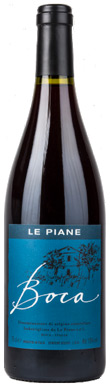

Christoph Künzli, a Swiss wine importer, came to Boca in the mid-1990s and was so entranced by the wines he stayed put. Today he farms...
2015
Le PianeBoca

Sella, Omaggio a Quintino Sella, Lessona, Piedmont, Italy, 2009
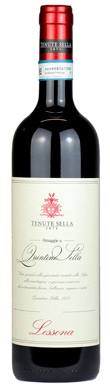
Although based in Lessona, this ancient estate also has vineyards in Bramaterra. The winemaking is traditional, with long ageing in casks. This is its top...
2009
SellaLessona
Antoniolo, San Francesco, Gattinara, Piedmont, Italy, 2015
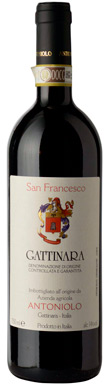
Sourced from 60-year-old vines. There's a delightful purity of fruit and charm on the nose, which displays sweet, intense raspberry fruit as well as hints...
2015
AntonioloGattinara
Antoniotti, Bramaterra, Piedmont, Italy, 2016
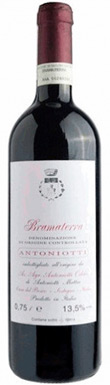
This leading producer in Bramaterra produces consistently good wines from its 6ha estate. From cask this had a herbal, sour-cherry character, but now the wine...
2016
AntoniottiBramaterra
La Palazzina, Balmi Bioti, Bramaterra, Piedmont, Italy, 2015
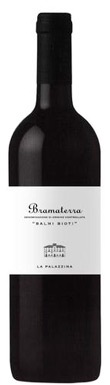
Leonardo Montà created this estate in 1986, and it is run on traditional lines. This is his top Bramaterra bottling. The nose is discreet, with...
2015
La PalazzinaBramaterra
Proprieta Sperino, Lessona, Piedmont, Italy, 2014
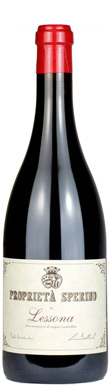
Although best known for his Chianti estate Isole e Olena, Paolo de Marchi longed to revive his ancestral property, which is now run with energy...
2014
Proprieta SperinoLessona
Torraccia del Piantavigna, Gattinara, Piedmont, Italy, 2015
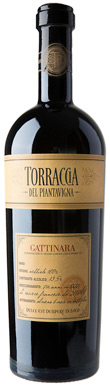
Compared to most family estates in Alto Piemonte, this is a large property of 40ha, with holdings in Ghemme as well as Gattinara. Both appellations...
2015
Torraccia del PiantavignaGattinara
Travaglini, Riserva, Gattinara, Piedmont, Italy, 2013
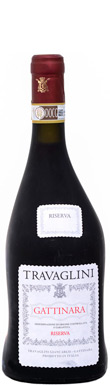
Founded in the 1920s, this was the leading estate in Alto Piemonte for many years. It still produces excellent wines from its 52ha estate but...
2013
TravagliniGattinara
Valle Roncati, Vigna di Sopra Riserva, Fara, Piedmont, Italy, 2012
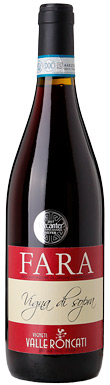
The Fassa family created this 15ha estate in 1997 and it produces a wide range of wines, including Sizzano and Ghemme as well as this...
2012
Valle RoncatiFara
G Bianchi, Valferana, Gattinara, Piedmont, Italy, 2011
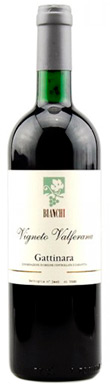
The Bianchi family traces its roots back for centuries in Sizzano and today farms 21ha, producing wines from Sizzano and Ghemme as well as Gattinara....
2011
G BianchiGattinara
Davide Carlone, Adele, Boca, Piedmont, Italy, 2016
Carlone cultivates a few high-lying vineyards in Boca, although some of his grapes are sold to Le Piane. This is unusually deep in colour and...
2016
Davide CarloneBoca
Rovellotti, Riserva, Ghemme, Piedmont, Italy, 2013
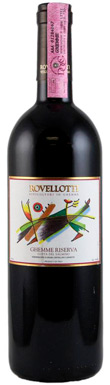
The enthusiastic Rovellotti family have their cellars in the historic centre of Ghemme and make their wines traditionally. This Riserva comes from a single vineyard...
2013
RovellottiGhemme
