Alto Piemonte revival plus 12 wines to try
Relatively unknown, Alto Piemonte wines often have both the value and finesse to be more approachable than their counterpart Nebbiolos, with the grape here acquiring a stunning elegance and complexity in the best vintages, says Aldo Fiordelli.


The Alto Piemonte region is located just below the Italian Alps, with Monte Rosa clearly visible on the brightest of days. Imagine it as a wrist and hand, with protruding ‘fingers’ being the valleys of Boca, Gattinara, Lessona and Bramaterra.
Extreme weather phenomena here are relatively common, which describes very well the marginality of the climate – the province of Novara is 1°C cooler on average (12.02°C) and 300mm wetter (1,000mm) than Castiglione Falletto in Langhe.
The area can be clearly defined as ‘heroic viticulture’, producing wines from steep, often terraced vineyards at altitude, giving almost unsurpassed layers of complexity and elegance. The wines of Boca are even known for their signature pink grapefruit character.
This article contains:
- The key appellations of Alto Piemonte
- What is the climate like in Alto Piemonte?
- The Alto Piemonte renaissance
- How well do the wines of Alto Piemonte age?
The key appellations of Alto Piemonte
Wines from Gattinara DOCG most of the time have the ability to match power with elegance.
Boca DOC is produced using Nebbiolo with the addition of Vespolina which brings a distinct spiciness to it.
Croatina – which is not allowed in Boca – is often a partner in Bramaterra DOC, with its pronounced fruit concentration, while Uva Rara is always good for softening wines.
While Ghemme DOCG, Fara DOC and Sizzano DOC are based on mostly sandy soils, Gattinara, Boca and part of Bramaterra are often referred to as ‘vini delle rocce’, or ‘wines from stone’, because of the minerality derived from the underlying volcanic or porfidic soils.
The ‘vini delle rocce’ are located in the ‘caldera’, the chamber of the Valsesia super-volcano which collapsed 280 million years ago. This geopark has been protected by Unesco since September 5 2013.
There is a lot of iron available for the vines, yet not many other elements such as potassium because of the acidic nature of the soil. The vines struggle, leading to low vigour, but the advantage is a fairly low pH which is a fierce contributor to the extremely fresh fruit quality and overall savouriness of the wines, both which lend to their ageability.
‘Our biggest threat is the low level of potassium available to the vines,’ said Matteo Garrone from Cantine Garrone, ‘even if we have the right amounts of organic matter’. Garrone grows Prünent, a specific clone of Nebbiolo in the Ossola valley at the northern tip of Alto Piemonte, bordering Switzerland. The valley is planted on both sides because it runs north-south. DOC wine production is not allowed on the valley floor, another result of the marginality of the viticulture here.
What is the climate like in Alto Piemonte?
The climate is challenging, not only for its marginality but because of the threat of hailstorms – several producers in Alto Piemonte are now using nets to protect the vineyards.
A heavy hailstorm on June 30 destroyed some of the best Gattinara vineyards. ‘I don’t think there is anything to say,’ remarks Lorella Zoppis Antoniolo from the Antoniolo winery. ‘The hail in some vineyards didn’t even spare the grass’.
High temperatures during the growing season and insolation are two additional threats which partly explain why the pergola training system is still in use in this area. In Boca, the Maggiorina system is still in place, planting four vines in a square and pruning from the corners to the centre. Mostly used for Croatina, this technique preserves colour, offers good protection against strong winds and resists hail, since these storms almost always come from a single side.
The Alto Piemonte renaissance
At the beginning of 1900 there were 759 hectares of vineyards in the Ossola Valley, compared to 50ha today.
Boca’s transformation has been even more drastic, going from 1,400 to just 30ha.
Gattinara’s vineyard area has also fallen, from 650 to 120ha. ‘They have gold in their pockets, and they throw it away,’ said famous writer Gino Veronelli in the 1960s when discussing Prünent.
Today, however, vineyards are starting to appear once more, increasing at around 10% per year in Gattinara.
Ghemme has grown by 25ha over the past two years according to Lorella Zoppis, former president of the Alto Piemonte Association. ‘Sizzano and Fara were stable over the past few years with the risk of being absorbed by Ghemme, but now even those minor territories are rising.’ Even so, don’t look for organic viticulture here, as there are almost no certified wineries.
How well do the wines of Alto Piemonte age?
With the exception of Gattinara, which has proven its ability to age, one could debate the ageing potential of these appellations – sometimes the wines lack the tannic structure needed to last more than 20 years.
Vintages such as 2016 and 2017, which were notably dry, greatly increased the concentration in the finished wines. ‘In the fresher 2018 vintage, Gattinara defeated Barolo 3-0,’ said Roberto Conterno, referring to the potential of the vintage.
Alto Piemonte wines often have both the value and the finesse to be more approachable than their counterpart Nebbiolos, but they require a savvy wine drinker in order to be fully appreciated for their finer details.
Alto Piemonte wines: 12 top picks
Related content
Langhe Nebbiolo 2019 and 2018: top-scoring wines
The brilliance of Piedmont Barbera wines
Barolo 2013 retrospective: 133 wines tasted
Antoniolo, Osso San Grato Riserva, Gattinara, Piedmont, Italy, 2015
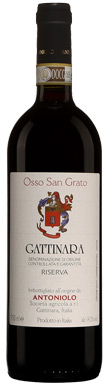

Lorella Zoppis Antoniolo is an energetic producer based in Gattinara, where she owns - among others - the two outstanding vineyards of San Francesco and Osso San Grato. The latter is an old, steep vineyard with an almost full south exposure. Here, she picks Nebbiolo grapes which are handled with minimal intervention in the winery. Spontaneous fermentation in concrete is followed by natural malolactic fermentation in spring, then three years in big oak vessels. Her 2015 is from a warm vintage yet shows good balance. Osso San Grato is more austere compared to San Francesco, and this is built to last: its concentration and complexity are sumptuous. Still rugged now, it doesn't come across as over-extracted. The nose is rich with tar and dark wild berries, with liquorice root, dried cherry and camphor depth. A rhubarb flavour with plenty of sucrosity paints the picture on the palate, with austere yet ripe tannins and almost zesty acidity.
2015
AntonioloGattinara

Nervi, Molsino, Gattinara, Piedmont, Italy, 2018
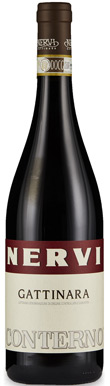
2018 is the first vintage completely handled by Roberto Conterno at Nervi winery following the acquisition of the estate. It's also the first vintage with his son Gabriele and the first to feature the new label. It will be released this October. The vintage was fresh after the dry 2017 and 2016 vintages, 'better than in Langhe,' said Roberto Conterno, 'but we did a severe green harvest, cutting 50 to 60% of the clusters.' Molsino vineyard at 400 metres is windy and sunny. Bright ruby in the glass, this preview is restrained, with citrus, rose bud, watermelon and tar aromas followed by darker fruit flavours such as dried cherry. A full-bodied and tight-knit structure between fruit and crisp acidity is supported by the broad, dense palate, with firm yet ripe, crunchy tannins on the finish. Overall it's marked by an amazing long, savoury character.
2018
NerviGattinara
Travaglini, Riserva, Gattinara, Piedmont, Italy, 2015
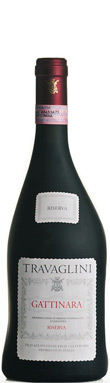
With 55 hectares of vines, Travaglini is the biggest producer in Gattinara and is still expanding. The Nebbiolo for this Riserva is fermented in stainless steel tanks then macerated for 18 days (up to five days longer than the standard Gattinara). It's aged for 40 months in big oak vessels and for another 10 months in bottle. The 2015 is more elegant than powerful, with leafy lightness, whiffs of cacao in depth, and fruit ranging from strawberry to blood orange. On the palate it is full bodied and super-classic, with a tasty attack of tar and chocolate followed by stratified wild strawberry melded with crisp acid and firm, dusty yet ripe tannins. Great integration on the finish.
2015
TravagliniGattinara
Cantina del Signore, Il Putto, Gattinara, Piedmont, Italy, 2016
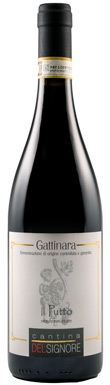
Macerated for 28 days without the typical submerged cap employed for Nebbiolo, this Gattinara is then aged for 40 months in tonneaux, partly new. Restrained, leafy and citrussy, it has a Parma violet and cinnamon sweetness. The palate is dominated by floral and strawberry flavours woven with refined tannins and cutting acidity. Full and opulently dense.
2016
Cantina del SignoreGattinara
Torraccia del Piantavigna, Gattinara, Piedmont, Italy, 2016
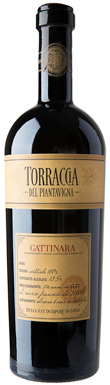
Torraccia del Piantavigna is an elegant Gattinara which perfectly represents the elegance of Nebbiolo from Alto Piemonte. The grapes come from the Gerbidoni and Lurghe vineyards within the appellation, following a severe selection. The wine is aged in both French and Slovenian oak, the 2016 vintage maturing for 36 months. Bright ruby, it shines for the delicacy of its earthy strawberry and hints of pot-pourri, blood orange and bitter citrus. Stylish on the palate, it combines dried cherry and citrus flavours with silky, dense tannins, crisp acidity and great savouriness, leading to a liquorice finish.
2016
Torraccia del PiantavignaGattinara
Antoniotti, Bramaterra, Piedmont, Italy, 2017
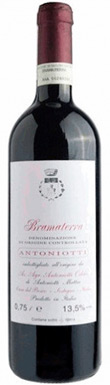
Completely based on porfidio soil, this 150-year-old estate covers 5.5 hectares in Bramaterra. The vines are an average 50 years of age. The Martinazzi vineyard faces south over a natural amphitheatre. The blend here is 70% Nebbiolo, 20% Croatina, 7% Vespolina and 3% Uva Rara (the latter imparting a rounder character and less austere acidity). The wine is dense ruby in the glass, with earthy liquorice notes, violet, dark chocolate, bergamot and black pepper, almost peaty in character. The tannins are slightly sticky on the finish, more austere than 2015 yet ripe, with well integrated acidity.
2017
AntoniottiBramaterra
Barbaglia, Boca, Piedmont, Italy, 2016
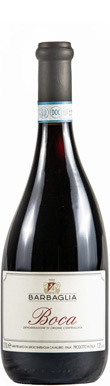
Silvia Barbaglia represents one of the best producers of the new generation in Boca. Her wine is a small jewel of elegance, which is the signature of Boca wines due the altitude, cool climate and blend: here, Nebbiolo is supported by 20% Vespolina. The 2016 vintage was harvested on 20 October, 'which is the right time,' Silvia said, 'compared to the 2017 vintage which we harvested in September'. The wine is fermented spontaneously with its own yeast, then aged in big oak casks for 24 months plus a further 12 months in bottle. The attack is totally focused on the freshness of red fruits, with earthy tones and balsamic notes. A pink grapefruit flavour marks the quite full-bodied palate (and Boca!) supported by firm, dusty tannins and almost zesty acidity.
2016
BarbagliaBoca
Garrone, Diecibrente Nebbiolo, Valli Ossolane, Superiore, Piedmont, Italy, 2016
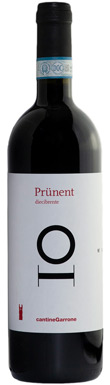
Marco and Matteo Garrone are two talented brothers passionate about Prünent, the local name for the Nebbiolo clone grown in the Ossola Valley. They farm only old vines (over 40 years old) planted on their own rootstocks. They follow the light and intoxicatingly elegant character of this grape, here in the northwestern wedge of Italy. Fermented in stainless steel then aged in big oak vessels for 12 months, it's a very pale ruby colour with liquorice, tar and restrained pomegranate accompanied by leafy and jasmine notes. It's quite dense on the palate with elegant, silky tannins and lifted acidity. It lacks a bit of savoury character, showing sucrosity at present, but will increase in complexity with age. Around 8,000 bottles produced.
2016
GarroneValli Ossolane
Boniperti, Barton, Fara, Piedmont, Italy, 2017
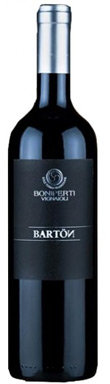
Fara is not one of the 'vini delle rocce' ('wines from stone') within Alto Piemonte and it was at risk of being swallowed by its biggest neighbour, Ghemme. Instead, wines such as this Barton from Boniperti are remarkably delicious. Extremely pale ruby in colour, it has an intense green pepper and grapefruit aroma with an almost unripe peach flavour. It develops its satisfying near-term drinking with a lean body yet super-refined palate, light, silky tannins and zesty acidity. Doesn’t lack glycerol. Delicious.
2017
BonipertiFara
Clerico Massimo, Riserva, Lessona, Piedmont, Italy, 2015
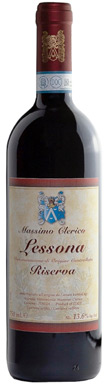
Massimo Clerico's Lessona is a 100% Nebbiolo full of depth and elegance. The attack is focused on dried flowers, forest floor and wild strawberry aroma and flavour. It flows over the palate with silky tannins, zesty high acidity, sucrosity and a tight finish, clean and savoury. The tension and filigreed complexity are the main qualities of this fine Riserva.
2015
Clerico MassimoLessona
Tenute Sella, San Sebastiano allo Zoppo, Lessona, Piedmont, Italy, 2012
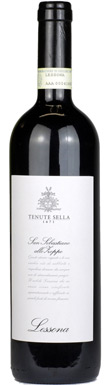
Sometimes in the wines from Tenute Sella, both Bramaterra and Lessona, the cool fermentation (24°C) in stainless steel tanks enhances the fruit definition, giving a peachy aroma and flavour, entrusting to the oak additional complexity. Always focused on elegance, San Sebastiano allo Zoppo's selection of Lessona in the 2012 vintage is vibrant in its peachy character, with Pinot-like complexity, a touch of balsamic tones and a light yet elegant and refreshing palate.
2012
Tenute SellaLessona
Guido Platinetti, Vigna Ronco Maso, Ghemme, Piedmont, Italy, 2017
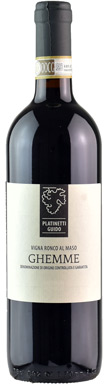
There is a complete profile of complexity here, with layers of liquorice, strawberry and touches of tar and peach. Savoury on the palate, Vigna Ronco Maso is ripe and velvety in the texture, with high refreshing acidity and a good finish. A great result in a dry vintage such as 2017, and hard to spit out during the tasting!
2017
Guido PlatinettiGhemme
