
Anson: How to blind taste Bordeaux wines
Could you spot a classic Margaux from a Pauillac? Jane Anson gives a lesson on how to blind taste Bordeaux, including key characteristics to look for in different appellations, with tasting notes on nine signature wines from the highly rated 2009 vintage.


Entrants from 20 countries recently tested their ability to blind taste in the finals of the World Wine Tasting Challenge 2020, held at Bordeaux’s Château Smith Haut Lafitte.
The French team just beat the Chinese group in the final, with Sweden and Finland tied for third.
It’s eight years since the first tournament was held at Château Larrivet Haut-Brion. The competition has been to plenty of other spots in France in-between.
Scroll down for Jane Anson’s nine classic Bordeaux tasting notes and scores
Blind tasting is a very specific skill, viewed either as a parlour trick or rigorous proof of ability depending on who you are speaking to.
Guessing blind is hard. Sometimes, I know I can overthink things. The temptation is to then guess based on instinct rather than reason. Another distraction can be getting overly concerned about all the exceptions to the rules and talking yourself out of a conclusion.
In my experience, sommeliers tend to be brilliant at it, as do Master of Wine students in the run-up to their exams. And there’s unquestionably a magic to watching someone who is truly skilled taste, stop, think, and eliminate options until they get to the right answer.
My feeling is that if you are good at maths, logic and problem solving, then you are on your way to being a good blind taster. Or as Clare Tooley, wine buyer and MW student on the final stretch puts it, ‘never jump to the first conclusion’.
Outside of competitions, there is less call to develop blind tasting skills. Yet it remains a useful exercise for getting under the skin of a region, particularly in areas where there tend to be genuine delineations between appellations beyond the character of individual estates.
How to blind taste: Building skills
Logic is important because, when you blind taste, you are basically creating a matrix in your head and using it to solve a problem.
Technique
- Start slowly, and take good notes.
- Do in pairs of wines at first, comparing and contrasting one glass against another, then build from there.
- Practice on estates that represent the most classic interpretation of an appellation’s signature.
- Don’t think about personal preference.
Looking more specifically at the wine itself, think about:
- Colour
- Aromatics
- Fruit character
- Density
- Amount and shape of tannins
- Character and amount of acidity, and where it falls
- Alcohol
Leagh Barkley, a Canadian sommelier who is now in British Colombia, but worked in Bordeaux for a number of years, suggests thinking about the architecture of the wine.
‘I find it helpful to imagine the shape of a wine as I am tasting,’ he says.
‘For me St-Emilion is a triangle, while Pomerol is an inverted triangle. So where Pomerol might start precise, it widens out in my mouth because the fruit and tannins are so plush, whereas St-Emilion might start fruity and powerful but the limestone brings things inwards on the finish with clear acidity.’
Try to break the palate down into three distinct areas of the beginning, middle and end. In other words, think about how the wine feels during the attack, through the mid-palate and on the finish.
Next time you blind taste, ask yourself:
- Where is the acidity?
- When does it hit?
- What are the tannins like and when do they arrive?
- What is the fruit character and texture?
- At 11 years old (as for the 2009 vintage in this tasting), is it ageing fast or slowly?
Match up this information with what you know about different appellations. Be prepared to get it all wrong, however.
How to blind taste Bordeaux appellations
First things first, you need to know what you are looking for. So, in the interest of those wanting to blind taste Bordeaux, I have tried to break down the character of each main appellation and picked one wine from each of them that closely resembles the area’s signature.
I have also chosen the 2009 vintage for the tasting, because it was consistent across Bordeaux, ensuring a more fair comparison between appellations.
St-Emilion
A pretty eccentric appellation, with several different terroir types, making it hard to identify one signature for blind tasting – although an exuberant style of winemaking can often be found. As Tooley says, ‘those hedonistic Right Banks can be a gift in a blind situation’.
For this tasting, I have chosen to highlight an estate on limestone soils, as it is the most dominant terroir type, and also the one most associated with St-Emilion. On limestone, wines tend to be austere when young, with a thrillingly saline finish and great persistency.
Expect raspberry, cherry and blueberry fruits, often with clear oak influence. Yields are usually naturally low on limestone, giving concentration. Wines tend to be Merlot dominant, often blended with Cabernet Franc.
Wine selected: Clos Fourtet 2009
Pomerol
The vast majority of the appellation has soils that are a blend of gravel, clay and sand, with a dominance of powerful clay. It is a warm terroir, due to Pomerol’s location near to the Isle river delta, and also the warming impact of gravel, but the underpinning of clay gives power while maintaining freshness and plump, dense fruit character.
The wines tend to be concentrated and deeply coloured, with silky finessed tannins and good acidity. The dominant grape variety is almost invariably Merlot, so look for black cherry, damson, mocha, truffles, chocolate and violet notes, with a breadth of palate.
Wine selected: Clinet 2009
Pauillac
The land of gravel, although actually there is also a good amount of limestone and clay across the appellation.
As a rule, gravel gives finesse, concentration and aromatics, but most of the soils of Pauillac have clay among the gravel, and one of the key characteristics is grippy tannins.
These give structure to the wines that equal slow, long ageing, along with a freshness that shows in mint and eucalyptus notes on the finish. Look for pencil lead, slate, and concentrated black fruits that are most typically cassis and bilberry.
I have chosen a wine here that is on deep gravels, with excellent drainage. Cabernet Sauvignon is the dominant variety, and the wines overall tend to show more savoury fruit than the sweet richness of Pomerol or St-Emilion.
Wine selected: Grand Puy Lacoste 2009
St-Estèphe
As with St-Emilion on the Right Bank, St-Estèphe is a little more eccentric than its Médoc siblings, with a wider range of soil types. It has more clay than you might expect, and more limestone, along with the gravel that you find all over the Médoc.
This is still largely Cabernet Sauvignon territory, but you’ll tend to find more Merlot in the blend of a St-Estèphe than the other main Médoc commune AOCs. Alcohol can often stray higher, too.
Historically tannins have been more rustic and chewy than in Pauillac or St-Julien. This is partly because St-Estèphe has cooler, later-ripening soils, and partly because the needs of the different soils types were not always taken into account.
Wine selected: Montrose 2009
St-Julien
The most consistent terroir-wise of all Médoc appellations, with a large proportion of gravel, even if mixed with clay, and dominated by Cabernet Sauvignon.
Acidity tends to be relatively low compared to more clay-dominant wines, although always with a freshness on the finish thanks to the grapes and the location next to the Garonne Estuary.
Again, look for cassis, mint and eucalyptus, but more finely grained tannins than Pauillac’s heft, as a general rule. The wines are often understated but complex.
Wine selected: Leoville Barton 2009
Margaux
The only Médoc AOC with classified estates at every level from First to Fifth Growth, and also the only one with all six types of gravel terraces found across the Left Bank.
This means there are many soil types but, as a rule, Margaux has finer gravel (meaning smaller in size) than the more northerly commune appellations, with less clay.
This translates into more finesse in the final wines, which is why we often hear Margaux described as the most feminine of the Médoc appellations, even if that is a lazy description.
Certainly, you tend to find fine-grained tannins and floral notes among the cassis fruits, giving a sense of restraint. I chose an estate here with plenty of gravel, of varying sizes, giving a beautifully classic appellation signature.
Wine selected: Brane Cantenac 2009
Pessac-Léognan
One of the reasons that you get both red and white wines of exceptional quality in this part of Bordeaux is that the terroir is extremely complex. It is also close to the city centre, giving it a warming boost.
The soils for the red wines are largely gravel, with some of the same terraces as you find in the Médoc, along with areas sand and clay. As a result, the grape mix tends to be a more balanced blend of Cabernet Sauvignon and Merlot than the Médoc appellations.
Pessac-Léognan is an appellation that ages extremely well, but the wines are often ready to drink within six to eight years of vintage, unlike the 10 years usually needed for Pauillac or St-Julien.
The wines are balanced, polished, poised, and the best estates here are not afraid of giving a contemporary twist with a touch of grilled oak.
Wine selected: Latour-Martillac 2009
Barsac
If you look at a map of Barsac and Sauternes, there is almost an exact split of terroir from one side of the appellation line to the other. Barsac is dominated by limestone, both the hard Asteries limestone and the softer Molasses limestone (both types are also found in St-Emilion), covered by loamy red soils.
How does this affect your ability to blind taste the wines? Typically, this imparts freshness, finesse and elegance, translating into a more mineral, less powerful style of sweet wine than you find in Sauternes, with lime blossom and citrus zest along richer piecrust, apricot and lemon curd.
Barsac is also flatter than Sauternes topographically, rising up to 20 metres and pretty much staying there along a plateau, where Sauternes heads up to 75m at its height.
Wine selected: Coutet 2009
Sauternes
Here the soils are a mix of gravel (the same Peyrosol gravel terraces you find in the Médoc and Pessac-Léognan), along with sandy-gravel, clay and sand, with almost no limestone – albeit some can be found just along the appellation line with Barsac.
This gives warmer soils in the main and a richer, more luxurious style to the wine.
I have picked a wine that has all three soil types in its vineyard and is Sémillon dominant, as is usually the case in both Sauternes and Barsac. These are luscious, complex, rich wines, where texture is key and exotic fruits abound, from papaya to pineapple and apricot, along with notes of truffle and saffron as they age.
Wine selected: Suduiraut 2009
See Jane Anson’s nine classic Bordeaux tasting notes and scores
You may also like
Anson: Exclusive first look inside billionaire Jack Ma’s Bordeaux projectAnson: Bordeaux 2020 harvest – An insider guideA ‘monumental’ tasting of Petrus, Le Pin and Lafleur 1998 and 1999
Clos Fourtet, St-Émilion, 1er Grand Cru Classé, Bordeaux, France, 2009
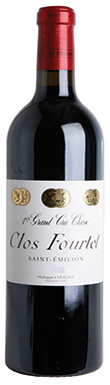

A gorgeous wine mirroring the superb vintage, both charming and powerful revealing opulence while maintaining what owner Mattheiu Cuvelier calls the 'ethereal finesse' of the...
2009
Clos FourtetSt-Émilion

Château Clinet, Pomerol, Bordeaux, France, 2009
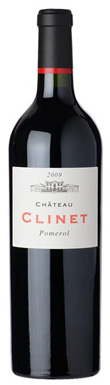
A big-shouldered, powerful and classic Pomerol. Inky black in colour even at 11 years old, this is concentrated yet juicy and built for pleasure, filled...
2009
Château ClinetPomerol
Château Grand-Puy-Lacoste, Pauillac, 5ème Cru Classé, Bordeaux, France, 2009
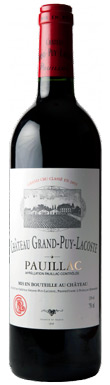
A full 80% Cabernet Sauvignon in the blend of 2009, giving it an unmistakably Pauillac character in terms of its dense tannins, and its pencil...
2009
Château Grand-Puy-LacostePauillac
Château Montrose, St-Estèphe, 2ème Cru Classé, Bordeaux, France, 2009
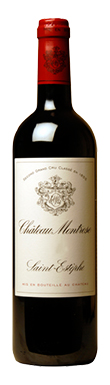
A brilliant Montrose, and a great window into what St Estèphe can deliver. This is fresh and concentrated, with ripe cassis fruits, sweet vanilla bean...
2009
Château MontroseSt-Estèphe
Château Léoville-Barton, St-Julien, 2ème Cru Classé, Bordeaux, France, 2009
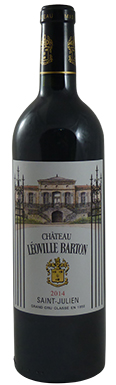
Measured and confident tannic hold with subtle grilled oak notes, a ton of ripe cassis and blueberry fruits, liquorice and eucalyptus on the finish, and...
2009
Château Léoville-BartonSt-Julien
Château Brane-Cantenac, Margaux, 2ème Cru Classé, Bordeaux, France, 2009
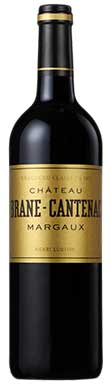
Plenty of Margaux balance and effortless elegance here, showcasing a concentrated blackcurrant and blackberry fruit character. Soft smoky oak comes in on the finish, with...
2009
Château Brane-CantenacMargaux
Château Latour-Martillac, Pessac-Léognan, Cru Classé de Graves, Bordeaux, France, 2009
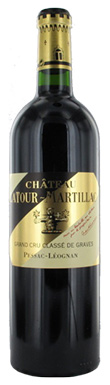
The red wine of this château is extremely consistent, and a great place to go to find the signature balance of Pessac-Léognan. A particularly successful...
2009
Château Latour-MartillacPessac-Léognan
Château Coutet, Barsac, 1er Cru Classé, Bordeaux, France, 2009
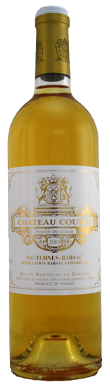
Lustrous gold in colour. The nose is sumptuous, with aromas of peaches and tropical fruit. Suave and creamy, rich and juicy, this displays all the...
2009
Château CoutetBarsac
Château Suduiraut, Sauternes, 1er Cru Classé, Bordeaux, France, 2009
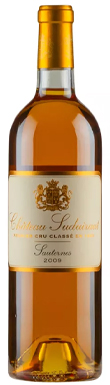
Voluptuous on the nose, this shows complex aromas of stone fruits, oranges and barley sugar. Creamy and opulent, it nonetheless shows good underlying acidity. Very...
2009
Château SuduirautSauternes
