
Baudains: Italy’s frizzante tradition returns
Light, fresh and joyously easy to drink, Italian winemakers are recapturing the traditions of their 'frizzante' sparkling wines.


In between still and spumante wine styles, frizzante used to be a staple of osterie and traditional trattorie in many regions of Italy. In Campania the bubbles softened the searing acidity of Asprinio; in the Oltrè Po they countered the harsh tannins of the Croatina grape; in Emilia they provided the perfect foil to the richness of the cuisine.
Frizzanti were traditionally made by simply bottling early with a little residual sugar and allowing the fermentation to finish in the bottle. Semi-industrial vat re-fermentation threatened to substitute artisan frizzante, but today it is making a robust comeback – ‘Pet-nat’ is trending.
One Italian online retailer lists over 200 ‘hand-made’ frizzanti, including examples from regions without a sparkling wine tradition, such as Sicily, Puglia and Sardinia.
Scroll down to see notes and scores for 10 Italian frizzante wines
The process
If in the past bottle re-fermentation could be a haphazard process, today it is more controlled. There are two basic systems. The first, a variation of the traditional ‘ancestrale’ method, is to slow down the primary fermentation by keeping the wine at a low temperature before bottling it with the original lees and the residual sugar necessary to kickstart the fermentation.
The alternative is to ferment the base wine completely, add the dosage – usually using some unfermented must from the same grapes, stored at low temperatures – and then bottle. To all intents and purposes, it’s a short turn around metodo classico (traditional method) without the disgorgement.
An artisan frizzante will have a deposit at the bottom of the bottle, and if you tip it gently to put the lees into suspension, you get the slightly veiled look which is the hallmark of the category. A well made frizzante ticks a lot of the boxes of contemporary drinking: it is bone-dry by definition, low in alcohol, and seductively easy to drink.
It is not all about glou-glou, however – we are seeing an increasing number of wines with spontaneous fermentation and extended lees contact, making for a more complex wine with style-defining notes of autolysis.
The prerequisites for the base wine of an artisan frizzante are the same as those for a metodo classico – high acidity and low sugar – but interestingly, frizzante is almost exclusively the domain of native varieties: Glera, Garganega, Verdiso from the Veneto; Ribolla Gialla in Friuli-Venezia Giulia; Lambrusco di Sorbara, the semi-aromatic Pignoletto and the sharp and juicy Spergola from Emilia-Romagna.
Bottoms up
The biggest frizzante production comes from the province of Treviso in Prosecco country, where the style, known as ‘Col Fondo’ (literally ‘with bottom’, the bottom being the lees deposit at the bottom of the bottle) represents the rural tradition at the roots of the world’s favourite modern bubbly.
The Col Fondo version of Prosecco was excluded from the upgrade of Conegliano Valdobbiadene Superiore to DOCG status in 2009, but reintroduced with the new name of ‘Sui Lieviti’ (‘on the lees’) in 2019. There was a catch, however – the Sui Lieviti category only applies to spumante, not to frizzante.
Consequently, a number of producers have refused to accept the new label to remain faithful to the traditional style of Col Fondo, and use a crown cap closure to visually distance themselves from Sui Lieviti.
Others have embraced the Conegliano Valdobbiadene DOCG for their frizzanti. Do note, however, that the ‘Superiore’ name used for Prosecco spumante may not be used for still or frizzante wines.
Some names to look for are: Bele Casel and Bresolin from Asolo; Adami, Antica Quercia, Bellenda, Malga Ribelle, Malibran, Miotto and Spagnol from Conegliano Valdobbiadene.
Wild vines
The other frizzante stronghold in Italy is Emilia. The reputation of Lambrusco plummeted catastrophically as a result of industrial winemaking in the 1990s, but in recent years it has started to regain some of its rightful dignity.
Metodo ancestrale wines represent a drop in the ocean of an average annual production in excess of 50 million bottles [Consorzio Tutela Lambrusco] but they capture the authenticity of a deliciously zestful food wine.
Lambrusco can be made from half a dozen very different grape varieties. The pale Sorbara is the best known, together with the deep ruby and lightly tannic Grasparosso and the wild and brambly Salomino, but there are numerous variations on the theme in a region of great diversity.
In general the style is less leesy than the wines of the Veneto, with more immediate fruit. Alongside their charmat method Lambrusco, the following producers all make excellent metodo ancestrale wines: Bellei, Cantina Sociale di Carpi e Sorbara, Cavicchioli, Cleto Chiarli, Camillo Donati, Vittorio Graziano and Ermete Medici.
Serving suggestions
Serving and drinking frizzanti depends a little on the grape variety and the context, but with the exception of Lambrusco di Sorbabra – which demands an ice bucket – the wines are best cool rather than chilled.
Aficionados drink Col Fondo with the lees in suspension, but if you prefer them clear you can stand the bottle up for a couple of hours and pour carefully, or decant and leave the sediment in the bottle.
The white wines in general make a superb aperitif, but a bottle also disappears in a twinkling with tapas or the cicchetti of Venice. Lambrusco di Grasparossa and the red frizzanti in general are made to drink with rich pasta dishes (nothing beats them with lasagna) and if you find yourself in Naples, the only thing to drink with pizza is a light and spritzy Asprinio.
10 Italian frizzante wines to try:
Related articles
- Baudains: ‘Natural wines don’t stink’
What’s the difference between Champagne and Prosecco?
18 sparkling wines from Piedmont’s Alta Langa
Mongarda, Col Fondo Glera, Colli Trevigiani, Veneto, Italy, 2022
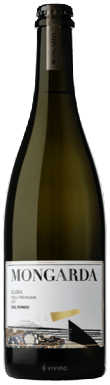

Ripe fruit and candied peel mix with notes of mature yeasts on the nose. The palate is dry without harshness, textured in the middle, and...
2022
MongardaColli Trevigiani

Cà dei Zago, Mariarosa Frizzante, Prosecco, Conegliano-Valdobbiadene, Veneto, Italy, 2022
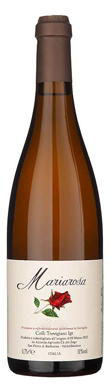
Bright buttercup shade with a lively and persistent bead, ripe pear with hints of sage and rosemary emerge on the nose, while on the lightly...
2022
Cà dei ZagoProsecco
Azienda Agricola Percorso Terra, Servite, C'é Ne Garganega, Veneto, Veneto, Italy, 2022
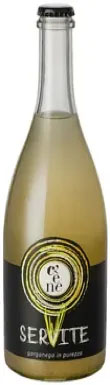
Precise and expressive on the nose with lemongrass, mandarin and red apple aromas, it's fresh and dry on the palate and finishes with the classic...
2022
Azienda Agricola Percorso TerraVeneto
Martignago, Col Fondo Agricolo, Colli Trevigiani, Veneto, Italy, 2020
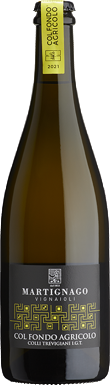
It has a deep straw shade, with a subtle mousse and aromas of oatmeal biscuit, acacia honey and peach. The palate is dry and savoury,...
2020
MartignagoColli Trevigiani
San Lurins, Malvasia, Venezia Giulia, Friuli-Venezia Giulia, Italy, 2020
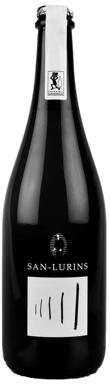
Bread crust aromas lead to a compact and savoury palate with the almost saline character of the variety recognisable in the solid finish. First produced...
2020
San LurinsVenezia Giulia
Casa Coste Piane, Frizzante Naturalmente, Prosecco, Conegliano-Valdobbiadene, Veneto, Italy
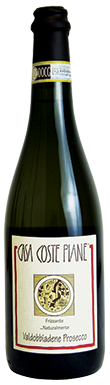
White hedgerow fruits on the nose, with a touch of yeasty pizza dough, introduce a broad and dry palate with a slightly chalky texture and...
Casa Coste PianeProsecco
Paltrinieri, Radice, Lambrusco, di Sorbara, Emilia-Romagna, Italy
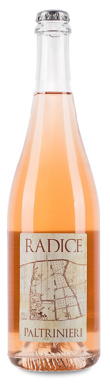
Pale coral with a slightly veiled appearance, it opens with scents reminiscent of a punnet of soft fruit, and a hint of pie crust in...
PaltrinieriLambrusco
TerreVive, Bergianti PerFranco, Lambrusco dell’Emilia, Emilia-Romagna, Italy
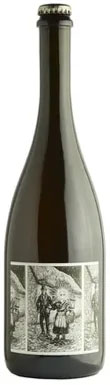
An earthy nose of tobacco leaf, oriental spice and cider apple introduces a palate with a spectacular mouthwatering impact and a complex aromatic finish, with...
TerreViveLambrusco dell’Emilia
Sebastian Van de Sype, Lambrusco, Grasparossa di Castelvetro, Emilia-Romagna, Italy, 2021
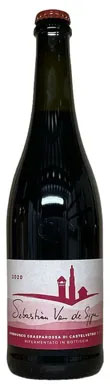
Impenetrable ruby with a dense purple mousse, it's rich and immediately expressive on the nose with aromas of dark chocolate, blackberry, violets and candied peel....
2021
Sebastian Van de SypeLambrusco
Marchesi di Ravarino, Baby Magnum, Lambrusco, di Sorbara, Emilia-Romagna, Italy, 2022
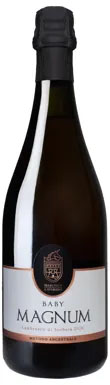
Delicately herby on the nose, its 8g/l of total acidity give tension to a very decisive, concentrated wine of great purity which finishes with intriguing...
2022
Marchesi di RavarinoLambrusco
