
Best Bordeaux anniversary buys: From 10-60 years
Looking for the perfect celebratory gift to mark a birthday or special occasion? There’s no shortage of great Bordeaux wines to choose from, covering all major milestones from 10 years to 60 years and beyond...

Bordeaux wines are some of the most celebrated in the world so they make fitting presents when it comes to commemorating important dates or life moments.
Unlike for Champagne or Port, every year is a vintage year in Bordeaux but it’s a region where weather conditions dictate the quality and price of the resulting wines.
Scroll down for scores and recommendations from 2010, 2002, 2000, 1999, 1990, 1980, 1970, 1960 and beyond
Lucky are those with birthdays or anniversaries in great years though often there can be more surprising, and better value wines, in so called ‘off-vintages’. These can even be the best years to go to if you are looking for wines to drink young – the bigger and more celebrated years can take decades to reach their drinking window.
Bordeaux wines have long been revered for their ageing potential, often taking between 5 and 10 years to reach their first step of approachability. Young wines can be austere with robust tannins and need a certain number of years of settle, however, quite often their first release can be the cheapest time to buy – worth considering for new baby or parent gifts from last year when the 2019s will be released later this year.
Many great Bordeaux wines don’t reach perfect drinking conditions for 30-40 years, though a recent tasting by Sarah Jane Evans MW of a 1939 right bank wine from St-Emilion proved they have incredible staying power.
They can also continue to age in bottle so make great investments if the wine is meant to appreciate and not just be consumed there and then.
10th (2010)
Those born in 2010 are very fortunate indeed, especially if they receive Bordeaux wines as presents throughout their life. Arguably the best vintage of the 21st century in Bordeaux, 2010 has produced some exceptional wines that are built to last.
Jane Anson’s recent 10 year on tasting proved just how successful this vintage was, and still is, commenting; ‘For me they did what the 2010s have always had the capacity to do; slowly but surely convince you that these are some of the best wines Bordeaux has ever produced.’
Anson found ‘the tasting was packed full of delightful wines’ highlighting Pauillac as a stand-out region ‘delivering a line-up of greatest hits’ with St-Julien ‘close behind’ but ‘less clear brilliance on the Right Bank’.
The tasting provided five 100-point wines – praise indeed, with Anson lauding their pleasurable, enjoyable and powerful characteristics. Although with three first growths in that mix, (Latour, Lafite and Mouton) and Margaux and Haut-Brion just one and two points apart respectively, they also come with pretty hefty price tags. As do the top right bank wines including Angelus, Petrus, Pavie and Le Pin.
In Decanter’s ‘to drink or to keep’ vintage guide, 2010 is a 5-star vintage with drinkability as ‘keep’. The accompanying tasting note reads: ‘A truly great vintage: ripe but with firm acidity and tannins. The best wines will need five years or more.’
A selection of Decanter-rated 2010 wines available on the market:
- Château Gloria, St-Julien, 94 points, less than £50 / $65
- Château Guiraud, Sauternes, 95 points, less than £50 / $50
- Château Rauzan Segla, 96 points, around £100 / $130
- Château Pichon-Longueville Comtesse de Lalande, Pauillac, 100 points, around £115 / $180
- Château Leoville Las Cases, 2010, St-Julien, 100 points, around £160/ $250
- Château Lafite Rothschild, Pauillac, 100 points, around £600/ $990
18th (2002)
Sandwiched between 2001 which produced good wines, especially for the right bank but overshadowed by the famous 2000 vintage, and the heatwave vintage of 2003, 2002 finds its strength on the Left Bank.
It could be considered a classic or traditional Bordeaux vintage where there is quality if not much excitement. A rainy spring followed by a cold summer lacking sun didn’t bode well initially but the vintage was saved in part by warm temperatures that finally arrived in mid-September. Producers who prioritised sorting and careful selection produced some first-rate, well-structured wines especially from the Médoc and the Graves.
With 18 years of age these wines are drinking well now so make great gifts for an occasion where they’ll be consumed, but they’ll also continue to age well.
A selection of Decanter-rated 2002 wines currently available on the market:
- Domaine de Chevalier, Pessac-Léognan, 91 points, around £50/ $90
- Château D’Issan, Margaux, 91 points, around £50/ $NA
- Domaine de Chevalier, Blanc, Pessac-Léognan, 95 points, around £90/ $110
- Château Cos d’Estournel, Pauillac, 92 points, around £100/ $125
- Château Lafleur, Pomerol, 95 points, around £250/ $460
- Château Lafite Rothschild, Pauillac, 93 points, around £450/ $600
20th (2000)
Met with immediate acclaim at the time, the millennium vintage has taken its time to come around, thanks to their richly, tannic structures, but after two decades these wines are now ‘springing to life’ confirmed Jane Anson who recently re-visited the vintage.
A rainy spring followed by a cool, rainy late May and early June meant some uneven flowering occurred with high risk of disease, but a hot summer and autumn resulted in one of the most drawn-out harvests beginning in early September and finishing in mid-October.
The reds had concentrated phenolics – high sugar, colour and tannins which meant it’s taken longer than average for them to soften and impress. While they showcase opulence and density Anson recommends holding off on opening for another five years. They nevertheless will make excellent presents that can be drunk now if you carafe for a few hours first.
A selection of Decanter-rated 2000 wines currently available on the market:
- Château Montrose, St-Estèphe, 97 points, around £100/ $180
- Château Leoville Las Cases, 98 points, around £200/ $300
- Château Palmer, Margaux, 99 points, around £220/ $340
- Château La Mission Haut-Brion, Pessac-Léognan, 98 points, around £400/ $580
- Château Pichon Longueville Comtesse de Lalande, Pauillac, 96 points, around £220/ $190
21st (1999)
An unheralded year for Bordeaux but not one to write off. It’s not just a case of good or bad vintages as there are many delicious wines made in off-vintages but it pays to research and choose wisely here.
Looking at weather patterns for the year is a good place to start, seeing which areas fared better than others then look to an estate’s track record as well as any changes of ownership or recent additions to the team at the time.
What had been a promising vintage was scuppered by rain during the harvest period, especially on the Right Bank where hail decimated parts of St-Emilion in early September. A cool and damp summer meant vineyards were vulnerable to oidium, mildew and grey rot but warm weather in late August and early September allowed grapes to ripen enough to avoid vegetal flavours.
The Left Bank is generally viewed as the better half with the Médoc and Graves spared by the storms and Margaux’s well-draining soils giving it the advantage.
A selection of Decanter-rated 1999 wines currently available on the market:
- Château Roc de Cambes, 91 points, around £60/ $113
- Château Rauzan Segla, 90 points, around £80/ $130
- Château Lafite Rothschild, Pauillac, 94 points, around £550/ $740
30th (1990)
Continuing the run of exceptional vintages ending in a ‘0’, 1990 had all the conditions needed to produce outstanding wines. It formed what is considered one of the ‘greatest vintage pairings of all times’ Anson commented when conducting a recent tasting comparison between 1990 and 1989.
The growing season saw a very mild winter, a cool spring warming up in May leading to early flowering. July and August were the driest since 1961, the hottest since 1947 and the sunniest since 1949. Welcome showers arrived in September to ripen berries sufficiently and deliver a good-size crop with grapes that had a rich tannic structure and fairly low acidity.
‘They are the kind of years that Bordeaux loves, and that can deliver wines of longevity, which just seem to power through the decades’ Anson wrote. In terms of flavour profile the wines are still showing a good freshness and ‘firm but yielding tannic structure’ with classic signature notes of ageing claret – ‘menthol, eucalyptus, cedar and melted black fruits’.
In terms of drinking Anson says they’re ‘very much in their drinking window, although there is no great rush to drink them up if you have them in your cellar. Both vintages have enough fruit and structure that they should remain at this level for another decade at least, with perhaps the 1990 having the slight edge in terms of future development’ – good news indeed.
However, they’re likely to be harder to come by on the open market and, as an example, the 100pt Château Cheval Blanc 1990, if you can find it, is likely to fetch near £1,000 per bottle.
This isn’t just a good year for reds though, white and sweet wines are considered spectacular with powerful and complex bottlings from Haut-Brion and many estates in Sauternes.
A selection of Decanter-rated 1990 wines currently available on the market:
- Domaine de Chevalier, Blanc, Pessac-Léognan, 95 points, around £130/ $NA
- Château Figeac, St-Émilion, 96 points, around £200/ $289
- Château Léoville Poyferré, St-Julien, 96 points, around £240/ $350
- Château Pichon Baron, Pauillac, 95 points, around £260/ $350
- Château Cheval Blanc, St-Émilion, 100 points, around £900/ $1,20
40th (1980)
A difficult vintage, and one considered mediocre, though properties with porous, gravelly soils made the best wines with Margaux and Graves faring well alongside some estates in Pauillac.
Vintage conditions saw a cool spring followed by June and July that were damp and lacking in sunshine. Temperatures picked up in August remaining warm into September but there was little sunshine and ripening was delayed.
Don’t despair though, if you’re looking for a 1980 for an upcoming birthday or anniversary look to Sauternes – particularly the top estates of Château d’Yquem and Château Climens which made good wines that are drinking well today.
If it’s got to be red, and money’s no object or you have them in the cellar, Certain de May, Petrus and Cheval Blanc again are safe bets.
A selection of 1980 wines currently available on the market:
- Château Haut-Batailley, Pauillac, around £80/ $100
- Château Duhart-Milon, Pauillac, around 120/ $NA
- Château d’Yquem, Sauternes, half-bottle around £120/ $300
- Château Climens, Sauternes, bottle around £90/ $NA
- Château Margaux, Margaux, around £250/ $NA
- Pétrus, Pomerol, around £1,150/ $1,850
50th (1970)
Finding a great bottle of wine at fifty-years-old can be somewhat tricky but fortunately Bordeaux does produce such wines of longevity and this was a great year for rich and complex claret.
At the time quality was consistent in all the major regions but many new vineyards were coming into production and there was ‘precious little selection’.
Today, that means many are lean, dry and mean, however great bottles can still be found from Pauillac which produced some outstanding wines that have stood the test of time and Margaux which have developed well.
There are also some fantastic wines produced on the Right Bank with Pomerol estates Petrus, La Conseillante and La Fleur-Petrus standing out for ripeness and concentration.
In Decanter’s vintage assessment it says: ‘Pauillac: Latour is a classic which seems to go on improving and opening out. Mouton is spicy and elegant but drier, and Pichon Lalande has lovely fruit and harmony, now at its best.
Saint-Julien: Today Ducru Beaucaillou shows the best fruit and harmony. Beychevelle is very stylish and long. Gruaud Larose is now drying out.
Margaux: Palmer is consistently powerful and rich. Brane Cantenac still has body sweetness and freshness, and Giscours has done exceptionally well.’
At this age, look to consistent estates that have proven their capability as well as reading up-to-date tasting notes and, if you’re buying rather than taking out of the cellar, investigate provenance, storage and maintenance conditions.
A selection of 1970 wines currently available on the market:
- Château Brane Cantenac, Margaux, around £75/ $80
- Château Beychevelle, St-Julien, between £80-115/ $250
- Château Pichon Longueville Comtesse de Lalande, Pauillac, around £180/ $290
- Château La Fleur-Petrus, Pomerol, around £200/ $380
- Château Ducru Beaucaillou, St-Julien, between £220-250/ $295
- Château Latour, Pauillac, between £290-550/ $450
- Château Palmer, Margaux, between £350-450/ $700
- Château Pétrus, Pomerol, between £2,000-3,500/ $3,600
60th (1960 and beyond)
A mediocre vintage with many wines lacking concentration and tasting diluted due to cold summer months and non stop rain during August and September. Being stuck between two of the most lauded vintages from the 20th century – 1959 and 1961, there has never been much interest in bottles from 1960 however as always there will be gems to be found. It’s probable only the first growths and top cru classes will still be drinking well – and most likely to be available – so that’s a good place to start.
First Growth 1960 wines available on the market:
- Château Latour, Pauillac, between £700-800/ $1,900
- Château Lafite, Pauillac, around £1,000/ $NA
- Château Mouton-Rothschild, Pauillac, around £700/ $1,000
- Château Haut-Brion, Pessac-Léognan, around £460/ $NA
- Château Margaux, Margaux, N/A UK/US
For even older wines beyond 1960, Anson says ‘Bordeaux often surpasses expectations of ageing, and many times you open a wine that is at its peak and clearly still stubbornly refusing to go away; or one that should be way past it and yet still giving huge pleasure even if the flavours are tertiary, with undergrowth, walnut and soft tobacco taking the place of the cassis fruits.
‘Even when the fruit has long been chased away, it’s hard to discount the pleasure that can be found in taffy, truffle and saffron spices.’
In 2018 Anson had the incredible opportunity to taste two mammoth and historic verticals, the first ‘150 years of Château Lafite’ dating back to 1881 and the second ‘100 years of Château Talbot’.
Speaking of the older wines in Lafite’s line-up, Anson said they ‘were even more of a surprise – the 1934 could have been a good 50 years younger, as could the 1917’ and ‘the drink by dates are clearly conservative estimates when you consider that the 1881 and 1894 wines are still going strong’.
Her top bottlings include four 100-point wines including 1959, 2005, 1986 and 2010 with the 1894 and 1881 vintages both scoring 95 points.
Of the 1959 she said: ‘Now almost 60 years old, it still has a deep, rich colour that has barely budged since my last visit. Perfectly balanced, it barely tastes older than the 1982 and displays the cedar signature of Lafite coupled with truffles, graphite and still-rich cassis and bilberry fruits. There’s something more besides, that’s hard to pinpoint but elevates the whole experience – maybe it’s the mouthwatering persistency and the dancing minerality.’ And of the 1881 vintage she said: ‘So soft and gently welcoming is it in structure, this could be from the 1950s. There are touches of rust and iron filings on the nose, yet there is still life and freshness and the memory of autumnal fruit. It’s tawny in colour and the tannins are almost imperceptible, but it has kept its balance.’
In her top Talbot picks was the 1919 vintage, 1934, 1945 and 1947 (both of which scored 95 points), 1953 and 1955.
Of the 1945 she wrote: ‘Just seeing the vintage 1945 on the label produces a shiver. In terms of weather, there was frost in May after a fine, hot April, meaning low volumes. This was followed by a heatwave in July, with serious fires in the Landes region to the south of Bordeaux. August had a mix of sun and rain, and harvest started around 7 September – less than a week after the end of the Second World War. The nose is a little less intense than the 1934, but it’s full of clarity of expression, and the aromatics build throughout its time in the glass. On the palate it is full of flavour, surprising with its raspberry, undergrowth and bracken notes, accompanied by leather and tobacco. You’re walking over crunchy leaves at autumn time. The complexity that still breathes through this wine is incredible, and it’s pretty gulpable because there’s both fruit and acidity here – life is crackling within it. Tasted blind, you might say this was a 1982, maybe a 1961, but certainly something exceptional. It’s so remarkably young it seems to have almost closed up again when retasted an hour later, and those tannins are tenacious, almost rubbery in their ability to keep on bouncing through. A genuinely moving wine.’
The two tastings alone prove Bordeaux’s staying power and that these wines have an incredible capacity to age. The only issue is when to actually open a bottle to find out…
Beyond Bordeaux? Decanter’s guide to anniversary wines for 2020
See a selection of top Decanter-rated wines from anniversary years
You might also like
Top Vintage Champagnes from 2000 and 2002Bordeaux 1989 vs 1990: Battle of the vintagesAnson: Tasting 150 years of Lafite Rothschild winesAnson: Tasting 100 years of Château Talbot wines
Château Rauzan-Ségla, Margaux, 2ème Cru Classé, Bordeaux, France, 2010
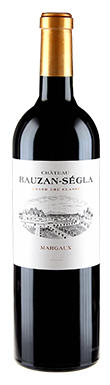

Extremely good quality, a wonderfully accomplished, impressive Margaux where you feel so happy to be tasting it. It delivers accomplished impressive classified Bordeaux character. Black...
2010
Château Rauzan-SéglaMargaux

Château Léoville Las Cases, St-Julien, 2ème Cru Classé, Bordeaux, France, 2010
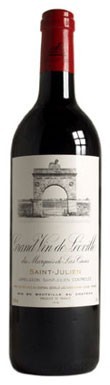
Layered, textured, deep, cigar box, cassis and earth, managing to simultaneously stretch out, and burrow down. The edges open slowly but surely and seductively. Still...
2010
Château Léoville Las CasesSt-Julien
Château Lynch-Bages, Pauillac, 5ème Cru Classé, Bordeaux, France, 2010
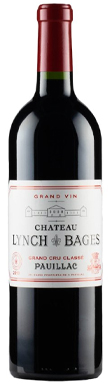
Perfumed, fleshy and serious. Has a darker, moodier flavour profile than some. Blackcurrant, plum, black cherry, with soft tobacco and dark chocolate notes. Tannins are...
2010
Château Lynch-BagesPauillac
Château Figeac, St-Émilion, 1er Grand Cru Classé B, Bordeaux, France, 2010
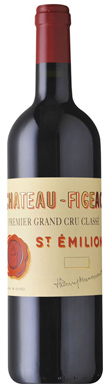
Another brilliant wine, where you start to get lulled into a false sense of security that Bordeaux always tastes like this. But it doesn't. Okay,...
2010
Château FigeacSt-Émilion
Château Lafleur, Pomerol, Bordeaux, France, 2002
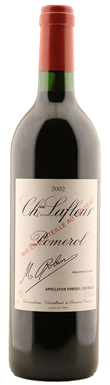
Always one of the most aromatic of Bordeaux wines, the 2002 is on its way to becoming a classic Lafleur, effortlessly overperforming the vintage. 2002...
2002
Château LafleurPomerol
Domaine de Chevalier, Pessac-Léognan, Cru Classé de Graves, Bordeaux, France, 2002
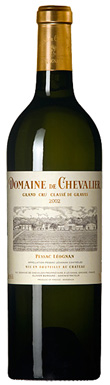
This is gorgeous, dripping with acidity, freshness and focus. It's young and full of flavour, with great persistency that comes in waves through the palate....
2002
Domaine de ChevalierPessac-Léognan
Château Pichon Longueville Comtesse de Lalande, Pauillac, 2ème Cru Classé, Bordeaux, France, 2000
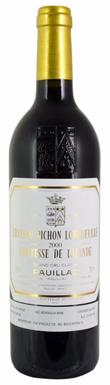
Of all the 2000s tasted in the line-up, this was the one that was most evolved, with melted tannins and exotic saffron spice notes. It’s...
2000
Château Pichon Longueville Comtesse de LalandePauillac
Château d'Issan, Margaux, 3ème Cru Classé, Bordeaux, France, 2000
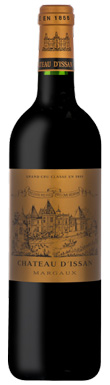
Wonderful aromatics of walnut, leather, soft truffles, touches of cloves, this is a perfect wine for the winter months. The high acidity maintains freshness and...
2000
Château d'IssanMargaux
Château Haut-Brion, Pessac-Léognan, 1er Cru Classé, Bordeaux, France, 2000
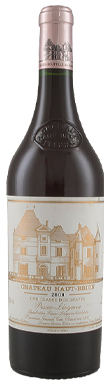
Superb and already immensely delicious, yet decidedly youthful and only beginning its evolution. The colour is dark, and the ripe plummy fruit resounds with notes...
2000
Château Haut-BrionPessac-Léognan
Château Lafite Rothschild, Pauillac, 1er Cru Classé, Bordeaux, France, 1999
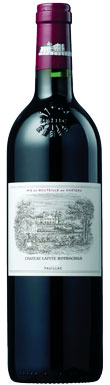
At this stage, there is sweet fruit and spice on the nose and a texture that seems silky, supple, and soft initially but shows a...
1999
Château Lafite RothschildPauillac
Château Roc de Cambes, Côtes de Bourg, Bordeaux, France, 1999
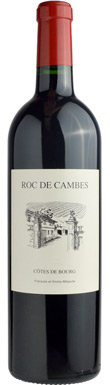
A wet and difficult vintage for Bordeaux, but a triumph here. Deep red colour, but not especially evolved. It has a juicy cherry and blackberry...
1999
Château Roc de CambesCôtes de Bourg
Château Cheval Blanc, St-Émilion, 1er Grand Cru Classé B, Bordeaux, France, 1990
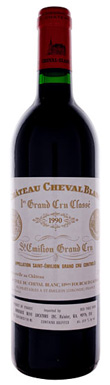
The standout wine of the entire tasting. Powerful, smooth, mouthfilling sweetness, still deeply coloured. You will find it hard to track down this wine on...
1990
Château Cheval BlancSt-Émilion
Château Léoville Poyferré, St-Julien, 2ème Cru Classé, Bordeaux, France, 1990
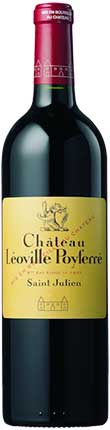
The nose lifts right out of the glass and reminds the world how Bordeaux can age. You’ll find chocolate, hazelnut, plum, soft liquorice root; a...
1990
Château Léoville PoyferréSt-Julien
Château La Conseillante, Pomerol, Bordeaux, France, 1990
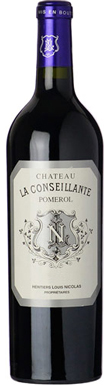
Wonderful expression on the nose, with black fruit, cocoa powder and a slight hint of reduction which then dissipated. Good colour in the glass, suggesting...
1990
Château La ConseillantePomerol
Château Lafite Rothschild, Pauillac, 1er Cru Classé, Bordeaux, France, 1959
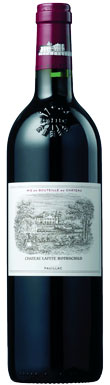
I have tasted this wine several times over the past few years, and each bottle has blown me away. Now almost 60 years old, it...
1959
Château Lafite RothschildPauillac
Château Talbot, St-Julien, 4ème Cru Classé, Bordeaux, France, 1947
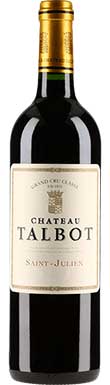
The 1947 stands right next to the 1989 in this tasting, and its colour has almost the same inky depth. It tastes younger than the...
1947
Château TalbotSt-Julien
Château Talbot, St-Julien, 4ème Cru Classé, Bordeaux, France, 1945
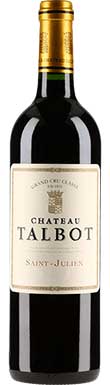
Just seeing the vintage 1945 on the label produces a shiver. In terms of weather, there was frost in May after a fine, hot April,...
1945
Château TalbotSt-Julien
Château Talbot, St-Julien, 4ème Cru Classé, Bordeaux, France, 1919
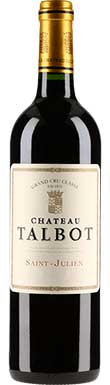
The weather conditions would be pronounced as exceptional today but would have been challenging then - a difficult start, with budding under rain but good...
1919
Château TalbotSt-Julien
Château Lafite Rothschild, Pauillac, 1er Cru Classé, Bordeaux, France, 1894
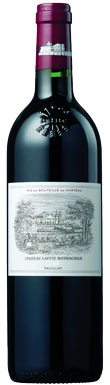
This was tasted at Lafite on a different evening from the rest of this vertical, during the recent en primeur week. Three bottles were opened...
1894
Château Lafite RothschildPauillac
Château Lafite Rothschild, Pauillac, 1er Cru Classé, Bordeaux, France, 1881
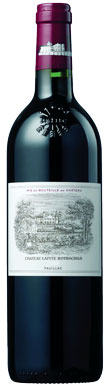
So soft and gently welcoming is it in structure, this could be from the 1950s. There are touches of rust and iron filings on the...
1881
Château Lafite RothschildPauillac