
Bordeaux meets Rioja: report on a special tasting
The big names of Rioja and Bordeaux joined forces for a recent tasting of current releases and verticals of special vintages – including RODA’s first-ever white Rioja. Sarah Jane Evans MW reports from the Barrio de la Estación.


The two great wine regions of Bordeaux and Rioja came together recently, in the historic railway quarter, Barrio de la Estación of Haro in Rioja. The tastings brought together six Haro wineries with six Bordeaux châteaux.
Scroll down to see tasting notes and scores for nine Spanish wine highlights from the Barrio de la Estación tasting
It was the railways that first threw Bordeaux and Rioja together – that and the phylloxera louse. Haro and Bordeaux have had an on-off relationship ever since.
In March 2022 the relationship was more definitely more on than off, with a tasting of current releases and verticals of special vintages. As a former ‘maquinista’ or ‘engine driver’ – a presenter of the masterclasses held by the Barrio bodegas – I was invited along for the ride.
Representing the Barrio were Bodegas Bilbaínas, CVNE, Gómez Cruzado, La Rioja Alta SA, Muga and RODA. They were joined by Château Smith Haut Lafitte, Château Rauzan-Segla, Château Lynch-Bages, Barton Family Wines, Château Petit-Village and Château Canon-la-Gaffelière.
Sommeliers and buyers came to update themselves after the months of lockdown. Producers came to compare their wines. And I came to find out what exactly the two regions had learned from each other and what they shared today.
Looking back
In the mid-19th century, it was the Marquéses de Riscal and Murrieta who launched the forerunners of the red wines we know today. They were not the first to introduce barrel-ageing following the Bordeaux model. A previous initiative failed – apart from the cost of the barrels it meant a delay in getting the wine to market and recouping expenses.
However the Marquéses both understood the role of barrels, and French winemakers brought their skills to implement the expertise in the region. La Rioja Alta’s first winemaker, M Vigier, was French.
In turn Bordeaux depended on Rioja and in particular the Station Quarter. When phylloxera took hold in Bordeaux, it turned to Rioja for wine. Haro shipped wine by rail from its warehouses around the station.

French influence?
Yet while Rioja owed much to the French in winemaking, from the use of oak to the art of blending, it was not so keen on copying the grape varieties. When Rioja recovered from its own bout of phylloxera it did not turn to French varieties for replanting. There are exceptions. Marqués de Riscal is famous for his 1945 ‘Médoc’ Rioja with Cabernet Sauvignon, and there is Merlot in Rioja too.
Like so many regions in the world, Rioja persisted into the 20th century using French names for their wines: Sauternes, Burgundy. However it was not until relatively recently that the Riojans lost their loyalty to American oak, returning to French or a blend of the two.
Bordeaux remained a particular influence on winemakers through the 20th century with many Riojans going to Bordeaux to study, including Alvaro Palacios, and his niece Barbara, who has her own brand Barbarot – the name referring to the Merlot in her vineyards.
So what do Haro, as a historical subset of Rioja, and Bordeaux have to learn or teach to each other today? One château owner I spoke to was complimentary about what he was tasting in Haro. ‘The wines are much more precise than I remember from 20 years ago’. Could he learn anything from his colleagues in Haro? ‘Non.’
Shared goals
Maria Urrutia is president of the association of the Barrio de la Estación, and a member of the fifth generation of CVNE. She saw the event – intended to be the first of a series of international encounters – as a meeting for the two historic regions. It was a chance to share their ‘common objective of making the best possible wines in their regions’.
One of the key stories of the open tasting was white wine, although there weren’t many. Château Smith Haut Lafitte brought the only Bordeaux white, which was very well-received, and caused grief when it ran out so quickly. For Haro the discussion was around the first white to come from RODA later this year, and how long La Rioja Alta could hold out from releasing a white when everyone else was.
In Haro, as across Rioja, a combination of better viticulture, and old vines, is making for excellent white wines, not only to enjoy in our increasingly warm summers, but also for cellaring.
There was no formal debate or conference. In retrospect it would have been good to have heard advice and experience on climate change, sustainability and the environment. The two regions have plenty to share on that topic.
What the hosts did share was some excellent tastings. Gómez Cruzado showed six vintages of its Montes Obarenes white. La Rioja Alta laid on a tasting of the great year of 2001, with all its Gran Reservas from Arana through to 890. CVNE presented four vintages of its Real de Asua. While RODA offered a discovery tasting of wines that never made it to the market. My highlights are below.
See tasting notes and scores for nine Spanish wine highlights from the Barrio de la Estación tasting
Related content
Reviving Rioja’s old vine heritageRioja vintage guide 2000-2020: drink now or wait?The white Rioja renaissance
Gomez Cruzado, Montes Obarenes, Rioja, Spain, 2018
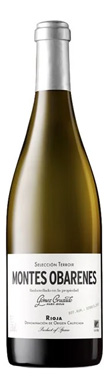

It's our version of the great aged whites of Rioja,' says David Gonzalez, director and winemaker at Gómez Cruzado. 'We are also looking towards Burgundy...
2018
Gomez Cruzado

Roda, RODA I Blanco, Rioja, Spain, 2019
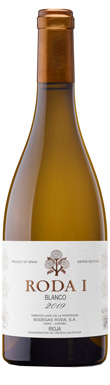
The imminent arrival of RODA's first ever white was something of an open secret. I have tasted it twice in the last nine months, and...
2019
Roda
Gomez Cruzado, Vina Motulleri, Rioja, Spain, 2011
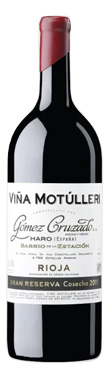
If Gómez Cruzado can do modern, it can also reference its Barrio de la Estación heritage. The name refers to a place in Haro; and...
2011
Gomez Cruzado
CVNE, Real de Asua, Rioja, Spain, 2001
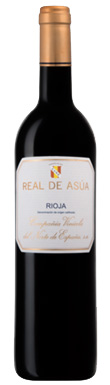
2001 is a great vintage.' says Maria Larrea, chief winemaker at the CVNE group, 'but it needs time.' Twenty years on, and the wine proves...
2001
CVNE
La Rioja Alta, Gran Reserva 904, Rioja, Rioja, Spain, 2001
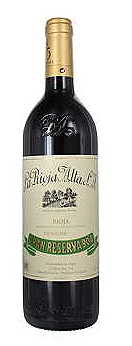
Alluringly complex aromatics, balsamic with sweet spices, red fruits, dark chocolate. The palate is startlingly fresh, balanced between cherry red fruits, liquorice and cinnamon, with...
2001
La Rioja AltaRioja
Muga, Aro, Rioja, Spain, 2015
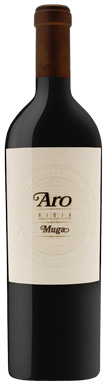
The Muga family express several aspects of the Station Quarter's wines. Notably there's the Prado Enea Gran Reserva. Aro is all on its own, a...
2015
Muga
CVNE, Real de Asua, Rioja, Spain, 2016
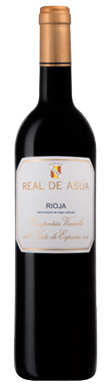
With six years of ageing the wine is beginning to spread its wings. An expressive style, it's full of smoky balsamic aromatics. Modern, with black...
2016
CVNE
La Rioja Alta, Viña Ardanza Reserva Especial, Rioja, Rioja, Spain, 2001
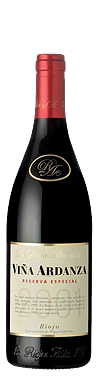
A perfect example of what made Viña Ardanza such a favourite. It’s a very fine balance of fruit and spice, with plump fruit and a...
2001
La Rioja AltaRioja
CVNE, Real de Asua, Rioja, Spain, 2018
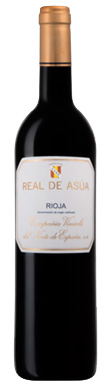
The Real de Asúa brothers arrived in Haro in 1879. What started as a trip to find a healthier climate resulted in the founding of...
2018
CVNE
