
California’s El Dorado AVA: regional profile and wines to try
For those seeking freshness and complexity of high-elevation wines, California's El Dorado AVA may be the key. Clive Pursehouse explores this mountainous subregion of the Sierra Foothills and recommends wines from seven producers.


California’s El Dorado AVA may help the state strike gold when it comes to crafting fresh wines from mountainous elevations.
Located 180km east of St Helena in Napa Valley, the Sierra Foothills begin to rise out of the Sacramento Valley. Here, towns like Folsom and Placerville might not be associated with wine but are well-known all the same, thanks to singer Johnny Cash and the history of America’s gold rush.
But dig a bit deeper and you’ll find a wine region flourishing in these foothills, among California‘s highest elevations for viticulture.
Scroll down to see tasting notes and scores for seven wines from California’s El Dorado AVA
The golden age
When James Marshall discovered gold here in 1848, it forever changed the state of California and the American west. The migration to California and the hills and riverbeds around Placerville brought throngs of people hoping to strike it rich.
They were also thirsty, so a wine industry flourished as early as 1870. At its peak, the vineyard acreage in the area that is now the El Dorado AVA (a sub-region of the vast Sierra Foothills AVA) was what it has returned to today: about 800ha.
People eventually left as the riches never really materialised. The vines also withered along with those fantasies of striking gold, finally dying at the hands of America’s Prohibition.
Mountain made
A key industry in El Dorado is seasonal agriculture. Christmas trees are the big business, as well as pumpkin patches and autumn-harvested fruits like pears and apples. It is also along the highway to Lake Tahoe, so makes a popular country escape for those coming from Sacramento to the ski resorts or for summer recreation.

El Dorado is also a wine region on the rise precisely because of its rugged, mountainous surroundings. In 1973 the Boeger family opened its eponymous winery, as did Madroña Vineyards, the two sparking the region’s rebirth.
The region’s volcanic soils and elevation, with some vines planted at over 1,000m, offer the potential to create wines with great acidity and freshness. The foothills are steep, with plenty of slope and aspect variation. Within a few metres, one vineyard block may be north-facing and another facing south.
These growing conditions, unique in California, create opportunities and challenges that some of the region’s most talented winemakers are embracing.
El Dorado AVA at a glance
Location A sub-appellation of the larger Sierra Foothills AVA, considered the Sierra Foothills Highlands for its high-elevation vineyards. It is one hour’s drive east of Sacramento, California’s state capital, and one hour’s drive west of Lake Tahoe.
Elevation 360m to 1,070m
Wineries 70
Area under vine 1,214ha
Soils Diverse and shallow, mainly volcanic or granitic
Grape varieties More than 70, 89% red
Key red grapes Zinfandel, Cabernet Sauvignon, Syrah, Barbera
Key white grapes Chardonnay, Marsanne, Viognier, Roussanne
‘While every region touts its unique terroir and microclimate, our greatest strength is that we have so many over such a small geographical area,’ says Justin Boeger, who makes the wines at the region’s founding winery.
‘We have diversity in the number of varietals we can grow in a way that, I believe, maximises their potential while also showing tremendous versatility of style and expression across single varietals. Our unique soil types and vineyard-specific climatic influences allow each of us to produce a different expression of the same grape for every varietal we have.’
Great heights
Altitudes of 550m and above have a dramatic impact on the growth and maturation on El Dorado’s vineyards. Bud break and flowering in the spring can be a month or more behind the vines planted at lower elevations. Ripening continues through the fall at much cooler temperatures, ensuring the grapes retain more acidity and sugar levels are lower. This delay, however, makes the vines more vulnerable to spring and autumn frosts.
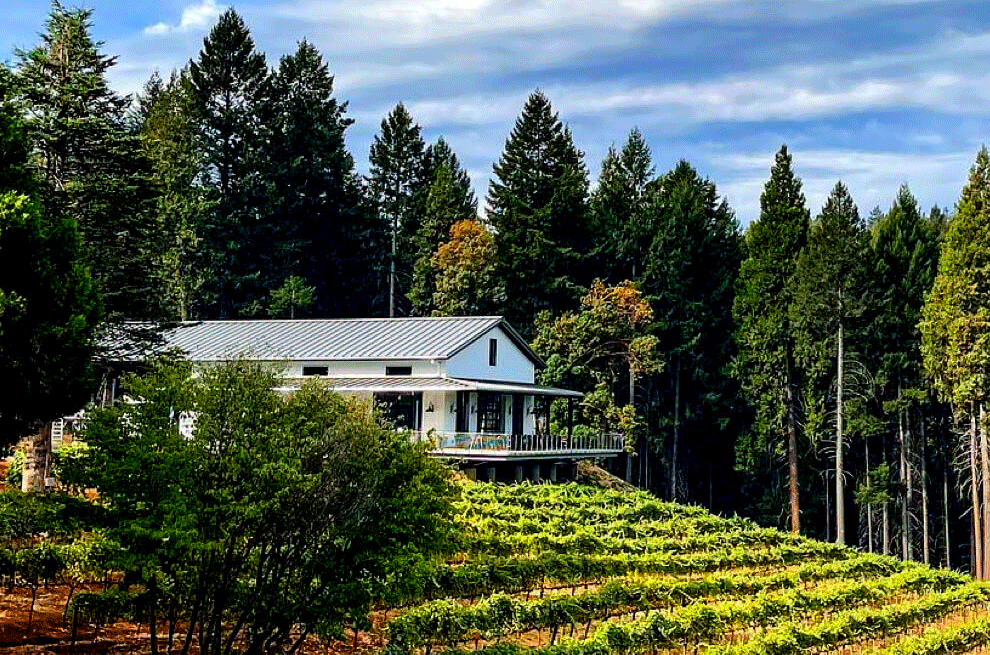
While California isn’t known as an alpine wine region, that is how Peter Delfino, winemaker at Edio Vineyards, sees the El Dorado AVA. ‘Most of our wines are grown at 380m or higher. Our estate vineyards are all above 840m. We truly are making mountain wines.
‘These are fresh and bright wines, and they can be quite complex, Delfino adds. ‘This is primarily due to our mountainous terrain and elevation. The higher elevations expose the fruit to more intense UV light, which allows us to reach phenolic maturity at a lower potential alcohol while maintaining a higher acidity.’
This combination of high acidity and lower alcohol can be an overlooked stylistic element in El Dorado wines. Because of their location in the Sierra Foothills, they tend to be associated with the richer, riper wines made in nearby AVAs. This conflation can overshadow their unique character.
Spice of life
Variety is a hallmark of El Dorado. There has been some focus on Rhône styles, but several of the AVA’s original producers, like Boeger, have found more success with Italian grapes. This diversity is both a strength for the region and a limiting factor in galvanising a sense of identity for consumers.
‘Back in 1973, as one of the earliest vineyards involved in the sort of “renaissance” of El Dorado, we planted varieties well-known in the market at the time,’ says Paul Bush of Madroña Vineyards. ‘The focus was on our wine being marketable, perhaps more than our terroir.’
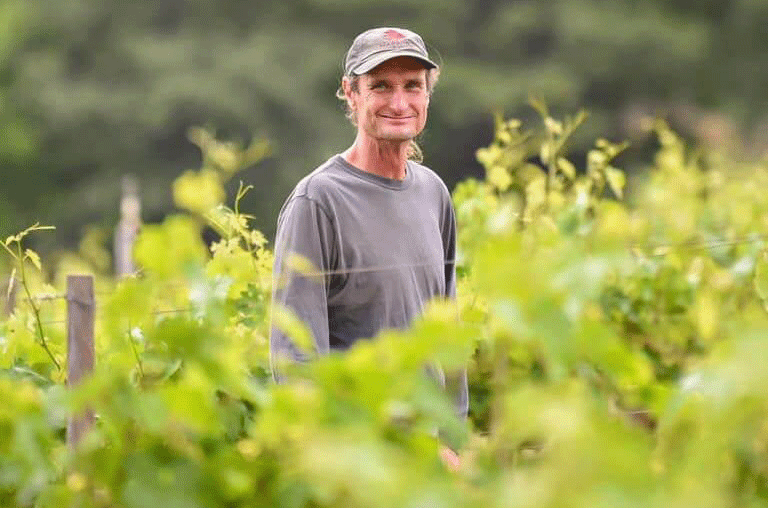
‘This included Chardonnay, Riesling and Gewürztraminer, for which the greater Sierra Foothills AVA were not known. The market was different before the Judgement of Paris. This foray into cooler-climate whites helped expand our understanding of what could be grown in the area.’
He continues: ‘It’s interesting that what I once felt were limitations may in fact be strengths in the future. Because El Dorado hasn’t had an individual variety to hang its hat on, it’s been difficult to market the region.
‘Yes it means that our reputation as a region has grown very slowly but, as late-bloomers, it gives us a chance to learn from the mistakes of other regions.’
As climate change creates challenges, the mountain wines coming from the El Dorado AVA have an opportunity to succeed in unique ways given their elevation and cool spring and autumn weather.
As wines with higher acidity and lower phenolic ripeness gain in popularity, the producers focusing on fine wines from this region may just seize an opportunity to be California’s new kings of cool.
California’s El Dorado AVA: seven mountain wines to try
Related articles
- El Dorado County, California, for wine lovers
- Exploring Sonoma County’s coolest vineyards
- Santa Cruz Mountains for wine lovers
Edio Vineyards, Frank's Blend, Sierra Foothills, El Dorado County, California, USA, 2018
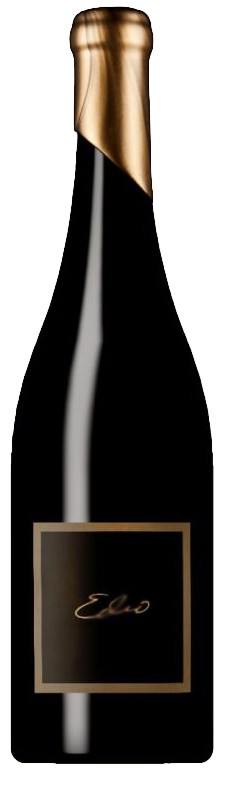

A GSM with 65% Mourvèdre from this winery in the El Dorado AVA that is well known for its on-premise bakery. Edio's winemaker Peter Delfino...
2018
Edio VineyardsSierra Foothills

Boeger, Migliore, Sierra Foothills, El Dorado County, California, USA, 2018
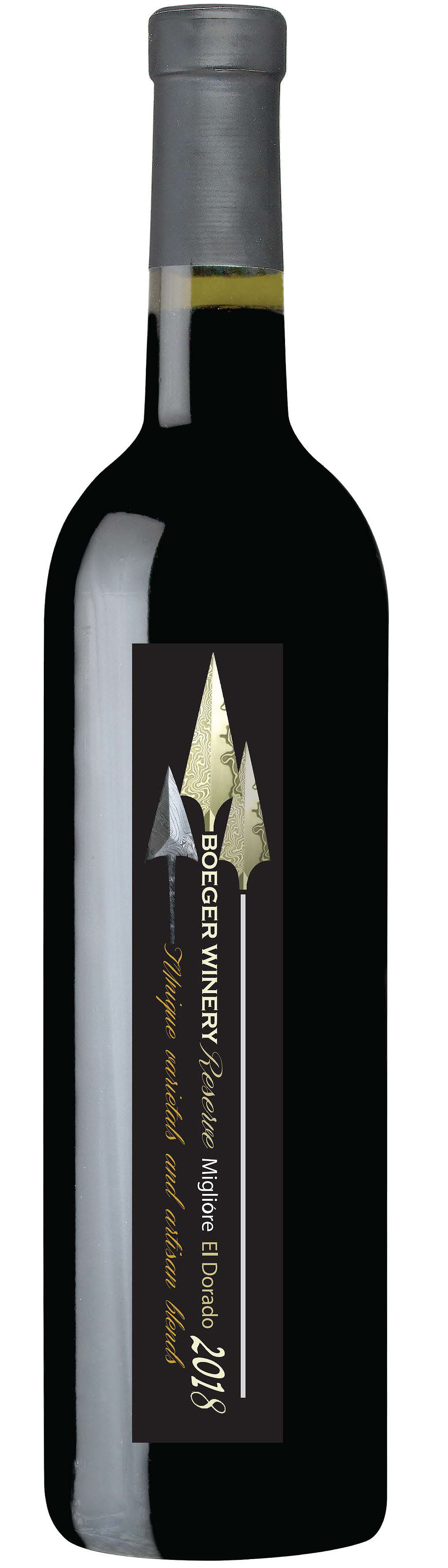
A very aromatic, bright wine that is a wild blend of varieties from Charbono (Bonarda), Refosco, Barbera, Carignan, Merlot, Cabernet Franc and Primitivo. Boeger is...
2018
BoegerSierra Foothills
Madroña Vineyards, Syrah Signature, Sierra Foothills, El Dorado County, California, USA, 2019
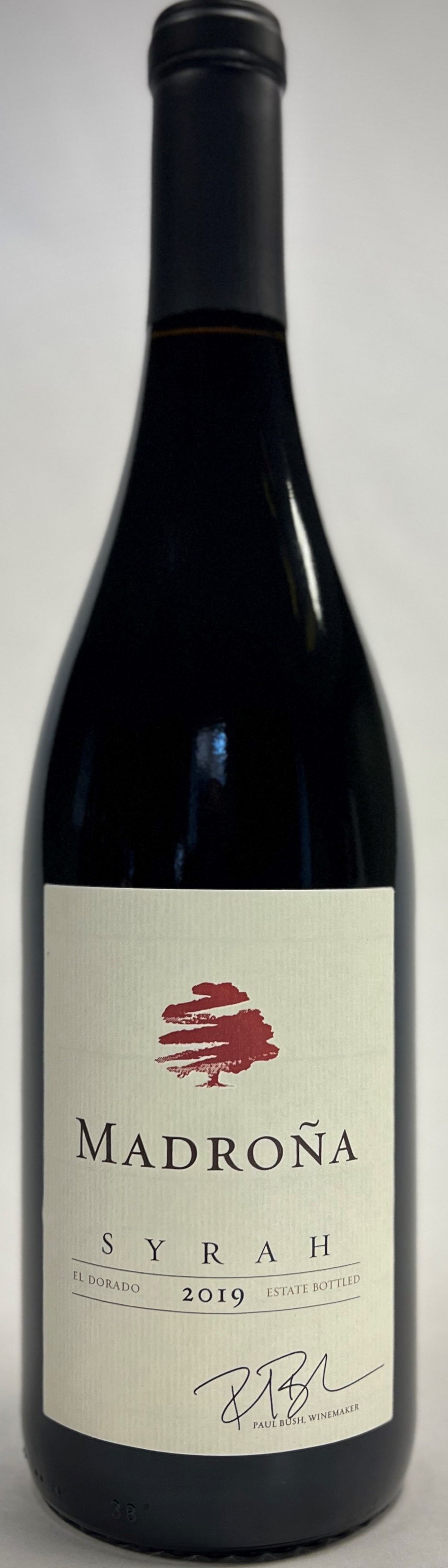
A lovely, bright, fresh wine from 1,000m vineyards at Madroña. Winemaker Paul Bush works with one of the region's cooler sites and picks early for...
2019
Madroña VineyardsSierra Foothills
Lava Cap, Grenache, Sierra Foothills, El Dorado County, California, USA, 2018
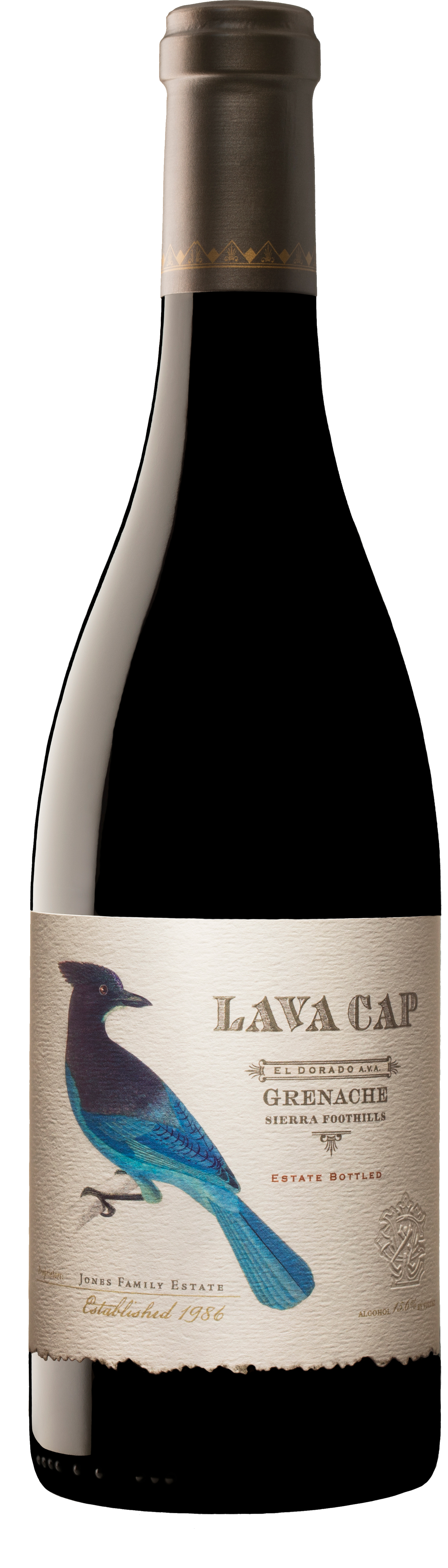
Bright ruby-coloured Grenache with aromas of lavender, fresh spice, currant and candied cherries. The palate is loaded with dusty tannin, and spicy blackberry, with savoury...
2018
Lava CapSierra Foothills
Starfield Vineyards, The Big Canyon, Sierra Foothills, El Dorado County, California, USA, 2019
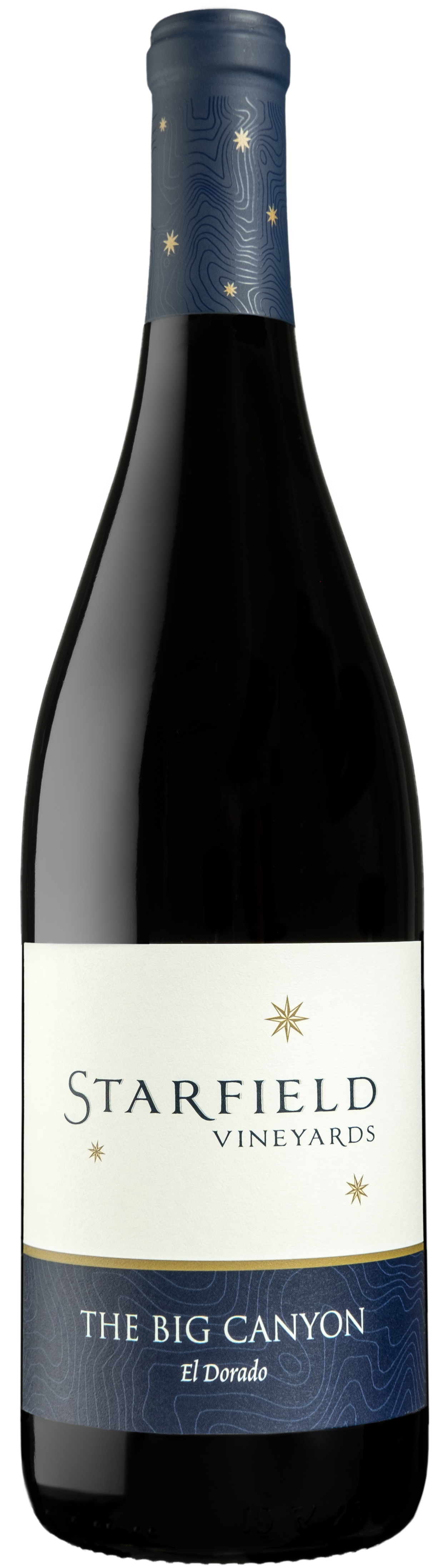
Mourvèdre leads the way for this GSM blend with smaller quantities of Petite Sirah and Counoise. The aromatics are dusty sweet cherry, white pepper and...
2019
Starfield VineyardsSierra Foothills
Element 79, Alloy, Sierra Foothills, El Dorado County, California, USA, 2018
Dark, inky purple in hue, this is a blend of Zinfandel, Syrah, Cabernet Sauvignon and Petit Verdot. The aromas are rich blueberry compote, black pepper...
2018
Element 79Sierra Foothills
Miraflores Winery, Estate Reserve Zinfandel, Sierra Foothills, El Dorado County, California, USA, 2017
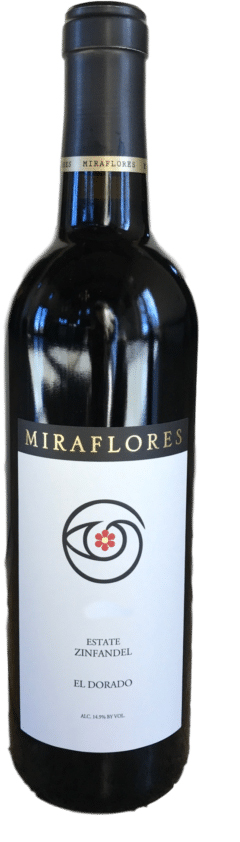
A big, jammy, viscous Zinfandel that has effusive aromatics of stewed plum, Christmas spice, and black liquorice. There is a sweetness to the wine's palate,...
2017
Miraflores WinerySierra Foothills
