
Château du Moulin-À-Vent: vertical tasting 2010 to 2019
Andy Howard MW enjoyed an intriguing vertical tasting from the revitalised Château du Moulin-à-Vent which cemented Moulin-à-Vent's reputation as one of the best Beaujolais Crus. Wines from 1996 and 1976 were also tasted and rated.


Located in the northern end of Beaujolais, Moulin-à-Vent has a reputation for being one of the best of the 10 Beaujolais Crus but also one that is structured, powerful and age worthy.
An intriguing vertical tasting (2010-2019) from the revitalised Château du Moulin-à-Vent confirmed the latter characteristic, while reaffirming that the age-old view of the appellation as a sturdy, traditional (and sometimes rustic) wine is in need of revision.
With investment in both vineyard and wineries, together with the arrival of a new generation of young winemakers, Moulin-à-Vent is emerging as a more elegant and refined example of the Gamay grape. Still capable of long-ageing, many wines are now perfumed, smooth on the palate and very pleasurable while young. And all of this is combined with price-points which are extremely attractive in the context of good Pinot Noir from Burgundy.
Scroll down to see scores and notes for the 2010-2019 vertical, plus four other Château du Moulin-à-Vent wines, including the 1976
The Moulin-à-Vent appellation comprises around 620 hectares, with around 300 producers and annual production of around 1.5 million bottles. Distinctly different from other well-known Beaujolais Crus such as Morgon and Fleurie, Moulin-à-Vent’s character is heavily influenced by the presence of decomposed, pink granitic soils which add to the wines fragrance when young but allow it to age for 10+ years when it develops many characters akin to Pinot Noir. The presence of manganese and iron oxides in certain locations are additional factors contributing to the appellation’s complex geology, with 69 lieux-dits named.
Old vines
The AP was one of France’s earliest (established in 1936), a year which coincided with the Château des Thorins becoming known as Château du Moulin-à-Vent. Located in in the hameau of Les Thorins, the Château lies between Romanèche-Thorins and Chénas, the latter village being located further up the slope. Old Gamay Noir vines are planted in high-density, with the famous Moulin (windmill) located about halfway up the hill where, not surprisingly, it is the windiest.
The Parinet family took over the domaine in 2009 and have re-energised this ancient domaine with a focus on its 23 lieux-dits. Massal selections, improving the soil, pruning techniques and leaf canopy management are all techniques which have been implemented, together with a dramatic switch to sustainable viticulture.
The domaine is currently working towards full organic certification with the 2013 the first vintage with 100% organic viticulture. Winemaking has also been adjusted with the amount of wood reduced with the 2016 vintage, at the same time as extended ageing with long periods in stainless steel following blending.
Modern techniques
Edouard Parinet now runs the domaine, with Brice Laffond as winemaker. Their philosophy is to modernise the style of Moulin-à-Vent whilst emphasising the distinct characteristics of the lieux-dits and through single-vineyard bottlings.
Winemaking is adapted to the specific requirements of each vintage with varying use of de-stemming, whole-bunch, length of maceration and size/type of maturation vessel.

The tasting certainly demonstrated a distinct shift in style with the change in oak management. Whereas the older vintages (although with undoubted ageing potential) demonstrated a firmer tannic structure, the more recent vintages were much more expressive, floral, delicate and refined. However, there is every reason to suspect that these wines will deliver the same ageing capacity as the more ‘traditional’ style.
The potential for top Moulin-à-Vent to age was demonstrated with the pouring of the domaine’s 1976 at lunch. I have been lucky enough to taste quite a few fine Bordeaux, Burgundy and Napa Valley wines from that decade but this seemed to be more vibrant, vivid in colour, and more full of life than any other I can remember. A great testament to what can happen with careful cellaring, as well as the potential for this top Beaujolais Cru to be considered alongside the finest Pinot Noir wines from a little further to the north.
Château du Moulin-à-Vent vertical 2010-2019
Wines are listed in ascending vintage order
Related content
Burgundy’s young talent: 10 sensational producers and their wines
Maison Chanzy: producer profile and six wines tasted
Burgundy 2011 revisited: 31 reds and whites tasted
Château du Moulin-à-Vent, Beaujolais, Moulin-à-Vent, Burgundy, France, 1976

A remarkable wine and a great example of the ageing potential for the best wines from this appellation. So fresh, it seems almost impossible that...
1976
Château du Moulin-à-VentBeaujolais

Château du Moulin-à-Vent, Beaujolais, Moulin-à-Vent, Burgundy, France, 1996
Served in magnum, this is clearly a wine from a different age with quite a 'cellarey' character on the nose. The palate is rich and...
1996
Château du Moulin-à-VentBeaujolais
Château du Moulin-à-Vent, Beaujolais, Moulin-à-Vent, Burgundy, France, 2010
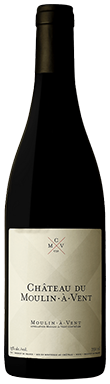
From a sunny, fresh growing season this turned out to be a late-vintage with the grapes all achieving good maturity. Harvested 20th September with yields...
2010
Château du Moulin-à-VentBeaujolais
Château du Moulin-à-Vent, Beaujolais, Moulin-à-Vent, Burgundy, France, 2011
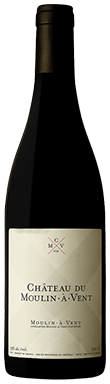
Described by Brice Laffond as a 'solar' vintage, Spring was sunny with hot weather leading to early bud-burst and flowering. There was very little rain,...
2011
Château du Moulin-à-VentBeaujolais
Château du Moulin-à-Vent, Beaujolais, Moulin-à-Vent, Burgundy, France, 2012
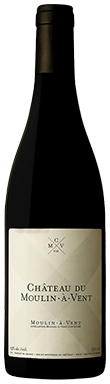
After a very cold winter, March was hot and dry. High temperatures up to the end of July. Mildew was almost a constant threat, caused...
2012
Château du Moulin-à-VentBeaujolais
Château du Moulin-à-Vent, Beaujolais, Moulin-à-Vent, Burgundy, France, 2013
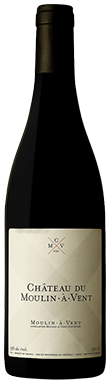
A cool fresh Spring with cold winds from the north delayed flowering to the end of June. However, the summer was dry and warm and,...
2013
Château du Moulin-à-VentBeaujolais
Château du Moulin-à-Vent, Beaujolais, Moulin-à-Vent, Burgundy, France, 2014
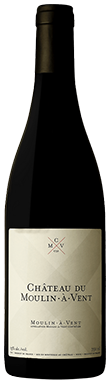
Cool (and sometimes, cold) are the key descriptors for 2014 in Moulin-à-Vent. A cool Spring with cold northerly winds delayed growth on the higher slopes....
2014
Château du Moulin-à-VentBeaujolais
Château du Moulin-à-Vent, Beaujolais, Moulin-à-Vent, Burgundy, France, 2015
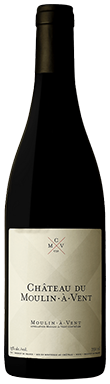
There was only 168mm of rain recorded between April-August - the lowest since 1964. July was four degrees higher than average and the drought, together...
2015
Château du Moulin-à-VentBeaujolais
Château du Moulin-à-Vent, Beaujolais, Moulin-à-Vent, Burgundy, France, 2016
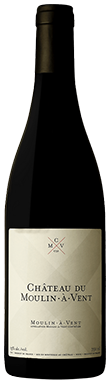
High humidity in the Spring encouraged masses of leaf surface growth. Flowering was late with pockets of hail damage in the lower vineyards. High moisture...
2016
Château du Moulin-à-VentBeaujolais
Château du Moulin-à-Vent, Croix-des-Verillats, Beaujolais, Moulin-à-Vent, Burgundy, France, 2016
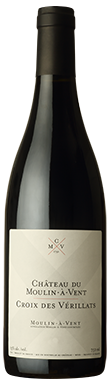
Les Verillats, one of the first terroirs to be delineated, stands on a granitic mound at the top of the slope, with thin, sandy soils...
2016
Château du Moulin-à-VentBeaujolais
Château du Moulin-à-Vent, Les Huits Ouvrées, Beaujolais, Moulin-à-Vent, Burgundy, France, 2016
Another fine 2016 with purity, a fine line of acidity and elegance. The soil here is a little more sandy than the 'straight' blend and,...
2016
Château du Moulin-à-VentBeaujolais
Château du Moulin-à-Vent, Beaujolais, Moulin-à-Vent, Burgundy, France, 2017
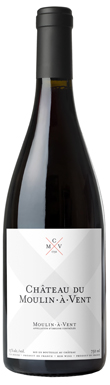
91
After a cold and dry winter, budding started in early-March, with flowering before end-May. Then came devastating hail on July 10, wil 75% of the crop destroyed. July/August was hot and dry. Harvest commenced September and hail-reduced yields were down to 12hl/ha. Although the colour of the wine suggests more maturity, the nose is floral with fine, pure red-fruit. On the palate, typical spice notes are evident with plenty of finesse. Not a blockbuster but a wine with elegance and freshness.
2017
Château du Moulin-à-VentBeaujolais
Château du Moulin-à-Vent, Beaujolais, Moulin-à-Vent, Burgundy, France, 2018
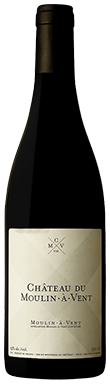
After a cold, wet winter the summer was very hot and dry. The first quarter was the most humid since 1964 but sunny conditions in...
2018
Château du Moulin-à-VentBeaujolais
Château du Moulin-à-Vent, Beaujolais, Moulin-à-Vent, Burgundy, France, 2019
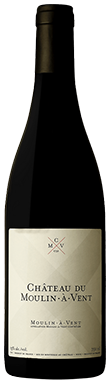
The sunniest year since 1990 (1,784 hours versus an average of 1,459). Millerandage evident and there was no substantial rain before the end of July,...
2019
Château du Moulin-à-VentBeaujolais
