
Chianti Classico 2010 Riserva & Gran Selezione: Panel tasting results
A classic vintage that’s showing well now, 2010 produced some outstanding wines right across the Chianti Classico region. Monty Waldin shares the highlights of the tasting...


Our judges tasted 75 wines and discovered how well they have aged...
Entry criteria: Producers and UK agents were invited to submit Chianti Classico Riserva and Chianti Classico Gran Selezione wines from the 2010 vintage.
The verdict
The 2010 Chianti Classico growing season got off to a tricky start but ultimately produced really classic wines.
Scroll down to see the wines
There were two key factors. First, a difficult spring in some areas reduced the potential crop, providing the pre-conditions for concentrated flavours. Second, ripening was slow in autumn, but warm days and cool nights made for wines with precise fruit flavours and appealing but not overbearing depth.
Quick link See all 75 tasting notes & scores from this panel tasting
Growers could pick methodically according to flavour (not just sugar or potential alcohol) ripeness, while also eliminating any sub-standard berries and stems, allowing them to make rich wines with an uplifting inner crunch. In the main, tannins had enough texture to give a robust but agreeably smooth mouthfeel. This was balanced by fruit with enough density to create absolutely classically Tuscan reds: firm but not aggressive, rich and savoury.
In short, everything you’d hope for from a ‘long hang-time’ vintage. And our panel tasting did not disappoint.
As Susan Hulme MW noted, about a third of the 75 wines tasted gained scores of 92 points or above. ‘This is very high for such a tasting,’ she said. ‘Only a handful of scores were very low,’ she added. Andrew Jefford summed up the 2010 wines as: ‘Terrific and in great shape, almost a decade down the line.’
Overall we collectively felt that the seven Chianti Classico 2010 we rated as Outstanding were drinking beautifully now and will hold into the mid-2020s at least. It was also encouraging to see how they came from right across what is the very definition of a heterogeneous region.
Castelnuovo Berardenga (in the far south) was represented by Castell’in Villa, Gaiole in Chianti (southeast) by Castello di Cacchiano, Castellina in Chianti (southwest) by Tenuta di Lilliano and Villa Pomona, Greve in Chianti (northeast) by the top-scoring Villa Calcinaia, and San Casciano in Val di Pesa (northwest) by Castello di Gabbiano and Principe Corsini’s Villa Le Corti.
Radda in Chianti, Chianti Classico’s high-altitude and central watershed commune, missed out on the Outstanding category but did provide two Highly Recommended wines from Montemaggio and Castello di Volpaia.
International varieties
On the role, good or bad, of French grapes in Chianti Classico (up to 20% are allowed) Jefford commented: ‘I have to say very honestly that many of the wines with a percentage of French grapes tasted delicious, and were often less severe and confronting than the pure Tuscans.’
Hulme avoided looking at the crib sheet when tasting in order to remain completely objective about whether wines had any French varieties. ‘But results for the wines which indicated additional grape varieties all scored well and by two if not all three judges,’ she said.
Regarding oak use, Hulme noted: ‘2010 is a snapshot in the history and development of Chianti Classico when bolder, oakier wines were the fashion.’ Yet very few wines showed too much of what Jefford dubbed ‘crass oak’, because in his words: ‘This lesson has been well-digested in Tuscany’.
Overall, the 2010 Chianti Classico wines are showing really well and there is great consistency. ‘The wines are well structured with good intensity and very good concentration but without being heavy,’ said Hulme. The best of these 2010s open beautifully over two or three days, with no need to decant – just put the cork back in.
The judges
Susan Hulme MW, Andrew Jefford, Monty Waldin
The scores
75 wines tasted
Exceptional 0
Outstanding 7
Highly Recommended 29
Recommended 31
Commended 8
Fair 0
Poor 0
Faulty 0
About Chianti Classico
Chianti Classico is currently Tuscany’s most exciting red wine region in terms of quality and value. The best Chianti Classicos, which are increasingly 100% Sangiovese rather than Tuscan-Bordeaux-Rhône hybrids (though up to 20% of French grapes can be blended in) have as much smooth intensity as the 100% Sangioveses of Brunello di Montalcino, but with less obvious muscle and helpfully lower price tags.
What is Gran Selezione?
Texturally, Chianti Classicos are crunchier than Brunello, as the region is less directly influenced by hot winds from the western Mediterranean. Unlike Brunello, neither Chianti Classico nor Chianti Classico Riserva need spend even a minute in oak. The same ‘no oak required’ rule applies to the recently created top-tier Chianti Classico Gran Selezione category. Unlike Classico or Classico Riserva, Gran Selezione can only be made from estate-grown grapes.
Cool customers
Chianti Classico also has plenty of hill sites, especially around its historic centre in the towns of Radda in Chianti, Castellina in Chianti, Greve in Chianti and Gaiole in Chianti. Here vineyards are often at 400m or higher. Cool night air is stored by the thick surrounding forests until morning.
Once released, this cool air helps the grapes retain aromas, flavours and inner freshness. This makes low intervention winemaking much easier (flabby wines lose their fruit much quicker). It also gives Chianti Classico wines their long drinking windows and great suitability for richer dishes.
Terroir
In terms of texture and mouthfeel, Chianti Classico can vary widely. For example, wines from sandy soils such as in the Lamole area of Greve in Chianti, give pale, perfumed, overtly fruity wines with easygoing textures. Chianti Classicos from cool, compact limestone-based, alberese soils are darker, showing a flinty, mouthwatering character that can be equally good with or without food.
Finally, wines from galestro – a clay-schist soil that, despite being compact, crumbles in your hand – show soft yet compressed layers of mouthwatering fruit. This creates a sense of depth without making the wine feel heavy, and provides Chianti Classicos with wide potential drinking windows.
Great wine regions are not just about grapes, soils and winemaking but about the people too. The influx of ‘let’s move to Tuscany’ lifestylers which began in the late 1960s (and is ongoing) kick-started not only Italy’s agriturismo movement, but also one of the wine world’s strongest and most quality-driven movements to organics (and biodynamics).
A remarkable 95% of growers in Panzano, a dynamic village in the wider township of Greve in Chianti, are now organic. Overall, 30% of Chianti Classico estates are organic, compared to less than 5% globally. This region has an incredible past – it was the wine of the Renaissance after all – but it has a bright, biodiverse future too.
Know your vintages
2017 A 35% drop in yield due to spring frosts, then drought. Some unusually dense wines, which are still finding their feet and need food. Drink 2019-2024.
2016 Hot summer, followed by some opportune autumn rain. Best wines are velvety, drinking beautifully now. 2019-2030.
2015 A torrid summer meant those fitness-fanatic vines with already deep roots found enough moisture to give the most integrated tannins and ripe rather than roasted fruit. 2019-2025.
2014 A rainy season meant lighter, more fluid wines with agreeable digestibility and crunchiness suited to fattier foods. But drink up.
2013 Underated wines, brightly coloured and firm-fruited thanks in part to cool harvest nights. 2019-2025.
2012 A snowy winter and a chilly, damp spring, then a Sahara-like summer. Small and healthy grapes gave clear if densely weighted wines. 2019-2022.
Top-scoring Chianti Classico 2010 Riserva & Gran Selezione from the panel tasting:
See all 75 tasting notes & scores from this panel tasting
You may also like:
Amarone: Riserva, single-vineyard and special-selection panel tasting results
A taste of Bolgheri: Ornellaia 1990-2016
Brunello’s new generation: six top producers and their wines
Villa Calcinaia, Riserva, Chianti Classico, Tuscany, Italy, 2010
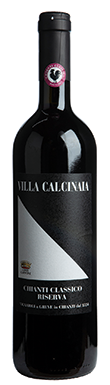

This historic estate (pronounced ‘Kal-chin-aya’) has been home to the Counts Capponi since 1524 and is today managed by brothers Sebastiano and Niccolò Capponi. Located...
2010
Villa CalcinaiaChianti Classico

Castell’in Villa, Riserva, Chianti Classico, Tuscany, Italy, 2010
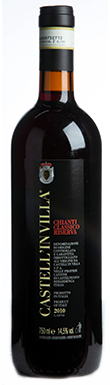
Castell’in Villa is a small estate in the commune of Castelnuovo Berardenga, at the southern end of the Chianti Classico region. While the estate has...
2010
Castell’in VillaChianti Classico
Castello di Cacchiano, Millennio Gran Selezione, Chianti Classico, Tuscany, Italy, 2010
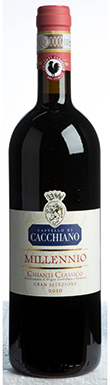
Located just to the south of Gaiole in Chianti, about 20km northeast of Siena, the majestic hilltop Cacchiano castle and its estate were founded in...
2010
Castello di CacchianoChianti Classico
Castello di Gabbiano, Riserva, Chianti Classico, Tuscany, Italy, 2010
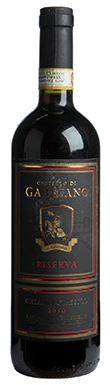
The Gabbiano castle was built in the 12th century and wine has been produced here for almost as long. Once owned by a series of...
2010
Castello di GabbianoChianti Classico
Lilliano, Riserva, Chianti Classico, Tuscany, Italy, 2010
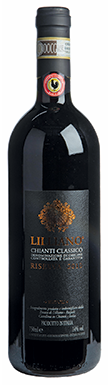
While Tenuta di Lilliano was founded in the Middle Ages, wine production here was only instigated in 1958 by Princess Eleonora Ruspoli Berlingieri, whose family...
2010
LillianoChianti Classico
Principe Corsini Villa Le Corti, Cortevecchia Riserva, Chianti Classico, Tuscany, Italy, 2010
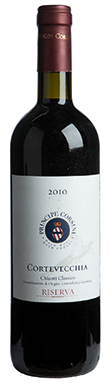
The long-established Corsini family owns two properties in Tuscany: Villa Le Corti in Chianti Classico and Tenuta Marsiliana in the Maremma. Villa Le Corti, a...
2010
Principe Corsini Villa Le CortiChianti Classico
Villa Pomona, Bandini Riserva, Chianti Classico, Tuscany, Italy, 2010
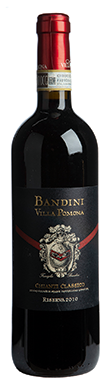
The origins of this small, traditional estate date back to the second half of the 18th century, when it was named Fattoria Ricceri after its...
2010
Villa PomonaChianti Classico
Lornano, Le Bandite Riserva, Chianti Classico, Tuscany, Italy, 2010
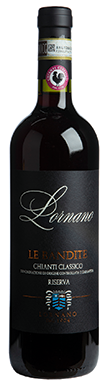
Fresh, vivid and lively if perhaps a little brisk, though remains beautifully balanced and full of charm.
2010
LornanoChianti Classico
Antica Fattoria Machiavelli, Vigna di Fontalle Riserva, Chianti Classico, Tuscany, Italy, 2010
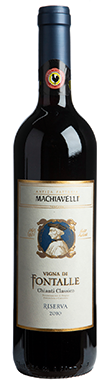
This offers intensity yet without any heaviness, revealing a fine interplay between bright cherry fruit and quality oak.
2010
Antica Fattoria MachiavelliChianti Classico
