
Chianti Classico alternatives: Top Tuscany IGT wines
Chianti Classico offers much more than wines bottled under the famous DOCG. Below, Michaela Morris takes a look at some of the region's best wines labelled as IGT...


The prolific region of Chianti Classico is one of the birthplaces of the so-called Super-Tuscans.
When the Chianti Classico DOC was established in 1967, allowable yields were woefully high. Sangiovese was capped at 80% with a minimum requirement of only 50%, and the inclusion of certain white grapes was compulsory. Several producers, striving for high quality, spurned the denomination and followed their own rules. The only option at the time was to label their wines as Vino di Tavola.
Significantly, many of these producers planted varieties such as Cabernet Sauvignon and Merlot. ‘The reputation of the region was poor, so these international grapes helped prove otherwise,’ says Giovanni Manetti at Fontodi.
Fast-forward to the present day, and the Chianti Classico (now a DOCG) has long banned the inclusion of white grapes. It also allows monovarietal Sangiovese while also permitting up 20% international varieties – changes which lured many producers back into the Chianti Classico fold. Quality has never been better and the wines of Chianti Classico are among Italy’s finest.
Yet the IGT wines persist, and some of the region’s top wines fall into this category. One of the obvious reasons is that the grape makeup may preclude a wine from the Chianti Classico DOCG. It is not uncommon to find a Cabernet or Merlot-led IGT in a Chianti Classico producer’s stable.
However, a number of wines that could technically be designated as Chianti Classico are not: it may be argued that the likes of Cepparello, Tignanello, Flaccianello and Le Pergole Torte – which were produced long before the Chianti Classico regulations changed – are so iconic they don’t need to be associated with the denomination. However, even some lesser-known wines persist with the IGT.
In some cases, it comes down to an individual estate’s definition of Chianti Classico. Some, like Paolo de Marchi at Isole e Olena, believe in its traditional composition which was a mixture of varieties. ‘Sangiovese gains complexity with other grapes,’ he argues. ‘In the future, the best Chianti Classico will be blends.’ Therefore, his 100% Sangiovese, Cepparello remains an IGT.
Others, such as Il Molino di Grace, prefer to craft Chianti Classico exclusively with Sangiovese. As the estate’s single-vineyard Gratius bottling sees a small portion of local Canaiolo and Colorino grapes blended with Sangiovese, they choose to label it as an IGT. ‘It is an intentional step away from the traditional, expected Bordeaux blend of most super-tuscans,’ says proprietor Daniel Grace.
Specific regulations still provide a sticking point for certain producers. While Monteraponi owner Michele Braganti was not against Chianti Classico’s Gran Selezione classification when it was declared in 2014, stipulations around the minimum alcohol percentage and dry extract levels left him perplexed. ‘They make no sense nor add value to the new denomination,’ he argues. As his top bottling, Baron’ Ugo clocked in at a mere 12.5% in the 2012 vintage, it didn’t qualify as a Gran Selezione. He has since withdrawn it from the Chianti Classico DOCG altogether.
For his part, Manetti is holding out with Flaccianello until Chianti Classico officially recognises separate communes. ‘My dream is that one day it will become a Gran Selezione,’ he says. This likely won’t happen until he can declare the village of Panzano on the label.
Reasonings aside, these IGTs add to the rich mosaic of the Chianti Classico territory. I gathered a collection of the latest releases, spanning from 2015 to 2018, at my home office in Vancouver, tasting them blind. While wines from the 2016 vintage particularly stood out, the challengingly hot and dry 2017 produced some laudable results.
Above all, the territory shone through. The Cabernets and Merlot take on not just a Tuscan personality, but one that speaks specifically to Chianti Classico – though Merlot struggles most obviously in the hottest vintages. Nonetheless, the majority of my top wines were those based on Sangiovese. This grape offers a sharply focused lens on the specific and diverse terroir that these magnificent hills have to offer.
Top Tuscany IGT wines to try:
You may also like:
Chianti Classico latest releases: Full report
New vintage releases from Italy
Italian wine labels: Understanding DOCG, DOC & IGT
Isole e Olena, Cepparello, Toscana, Tuscany, Italy, 2016
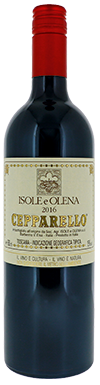

Paolo de Marchi's 'study in Sangiovese' is a selection of the vintage's finest grapes from Isole e Olena's oldest vineyards, high up in Chianti Classico's...
2016
Isole e OlenaToscana

Monteraponi, Baron' Ugo, Toscana, Tuscany, Italy, 2016
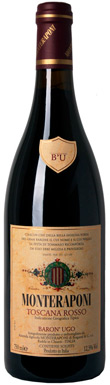
Baron Ugo comes from a lofty 570 metres above sea level in Radda-in-Chianti. The southeast-facing plot on stony limestone-rich soil is gently warmed by the...
2016
MonteraponiToscana
Montevertine, Le Pergole Torte, Toscana, Tuscany, Italy, 2017
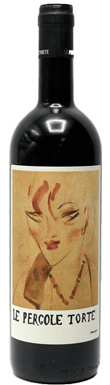
Rather than a single vineyard, this is a selection of the estate’s oldest Sangiovese vines. It includes the original Le Pergole Torte vineyard which was...
2017
MontevertineToscana
Antinori, Solaia, Toscana, Tuscany, Italy, 2016
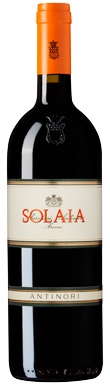
First produced in 1978, Solaia comes from a 20-hectare south- to southeast-facing plot at Antinori's prized Tignanello estate. The stony, well-drained soil is a mix...
2016
AntinoriToscana
Fontodi, Flaccianello della Pieve, Colli della Toscana Centrale, Tuscany, Italy, 2017
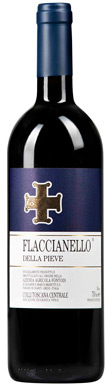
A selection of the best grapes from Fontodi's highest altitude parcels in Panzano's Conca d'Oro. Manetti maintains that the spring frost helped lighten the vines'...
2017
FontodiColli della Toscana Centrale
Antinori, Tignanello, Toscana, Tuscany, Italy, 2017
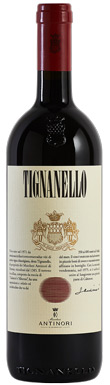
Forward plum and cherry aromas are accompanied by black pepper, clove and the typical floral notes of the Chianti Classico area like orris and violet....
2017
AntinoriToscana
Fèlsina, Fontalloro, Toscana, Tuscany, Italy, 2017
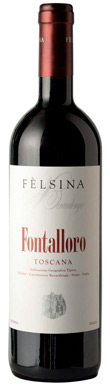
In the commune of Castelnuovo Berardenga, the Fèlsina property spills over the Chianti Classico border into Chianti Colli Senesi. Fontalloro is a blend of vineyards...
2017
FèlsinaToscana
Querciabella, Camartina, Toscana, Tuscany, Italy, 2015
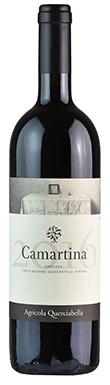
Manfred Ing calls Camartina 2015 Bordeaux in style, while he compares the 2016 to Burgundy. Creamy dark fruit and balsamic herb aromas vie for attention...
2015
QuerciabellaToscana
Podere Poggio Scalette, Il Carbonaione, Alta Valle della Greve, Tuscany, Italy, 2017
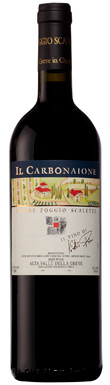
Owned by renowned oenologist Vittorio Fiore, who purchased the abandoned property in 1991. Il Carbonaione is the estate's oldest vineyard with 90-year-old vines planted on...
2017
Podere Poggio ScaletteAlta Valle della Greve
Brancaia, Il Blu, Toscana, Tuscany, Italy, 2016
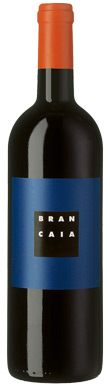
Il Blu has been crafted since 1998, and with estates in both Radda and Castellina, Brancaia blends fruit from both - the majority of the...
2016
BrancaiaToscana
Montevertine, Pian del Ciampolo, Toscana, Tuscany, Italy, 2018
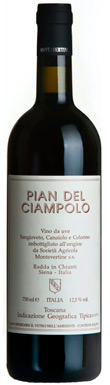
From the estate's various vineyards spread throughout the Radda commune, Pian del Ciampolo is fermented in cement with indigenous yeast and ages in Slavonian oak...
2018
MontevertineToscana
Rocca di Montegrossi, Geremia, Toscana, Tuscany, Italy, 2015
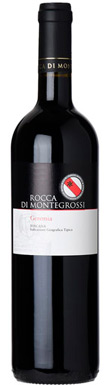
In the commune of Gaiole, Rocca di Montegrossi's Merlot vines sit on the estate's highest vineyards between 400 to 510 metres above sea level. The...
2015
Rocca di MontegrossiToscana
Vignamaggio, Cabernet Franc, Toscana, Tuscany, Italy, 2016
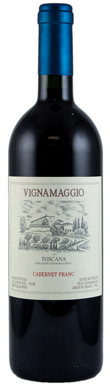
From the highly regarded zone of Panzano, this unique monovarietal Cabernet Franc hails from 40-plus-year-old vines that were discovered growing in Vignamaggio's vineyards in the...
2016
VignamaggioToscana
Gagliole, Colli della Toscana Centrale, Tuscany, Italy, 2016
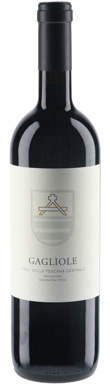
Gagliole's signature wine hails from Panzano. Using a technique called 'integral vinification', it is barrel-fermented with whole berries and given a long maceration of up...
2016
GaglioleColli della Toscana Centrale
San Felice, Vigorello, Toscana, Tuscany, Italy, 2016
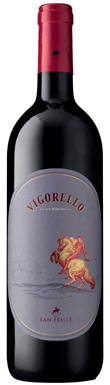
First bottled in 1968 as a 100% Sangiovese, Vigorello was eventually transformed into a Bordeaux blend. Since 2011, it has been led by Pugnitello, an...
2016
San FeliceToscana
Poggio di Guardia, Toscana, Tuscany, Italy, 2016
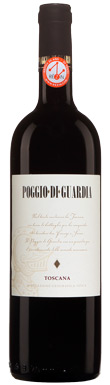
Vineyards here reach a cool 700 metres above sea level and are planted largely to Bordeaux varieties. The estate's flagship wine also sees a healthy...
2016
Poggio di GuardiaToscana
Vignamaggio, Sangiovese di Vitigliano, Toscana, Tuscany, Italy, 2016
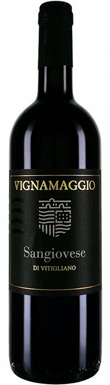
This historic wine estate dating back to the 13th century has been under the ownership of Patrice Taravella since 2015. He and his team are...
2016
VignamaggioToscana
Rocca delle Macie, Roccato, Toscana, Tuscany, Italy, 2015
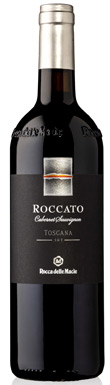
Roccato was born in 1988 as a blend of Sangiovese and Cabernet Sauvignon but as of the 2015 vintage, it is 100% Cabernet Sauvignon from...
2015
Rocca delle MacieToscana
Il Molino di Grace, Gratius, Toscana, Tuscany, Italy, 2015
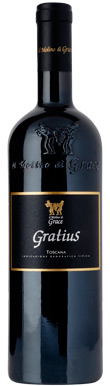
While Il Molino di Grace produces Chianti Classico solely from Sangiovese, Gratius includes a small portion of local Canaiolo and Colorino varieties. The 2.2-hectare steeply...
2015
Il Molino di GraceToscana
