
Chianti Classico guide: drink, cellar, invest
This famous Tuscan region covers all the bases with its range of blends and styles, offering wines for drinking young, bottles to lay down, and blue-chip labels to invest in. Our Italy-based expert explains all in this essential buyer’s guide.


A world apart from the rest of Chianti, Chianti Classico is one of the original Tuscan wine districts established by Cosimo de’ Medici in 1716. The region is ancient yet has always been dynamic, the wine production evolving over time against the backdrop of the area’s unchanging rugged beauty.
With more than 340 wineries producing up to 38 million bottles on average annually, according to the regional consorzio, Chianti Classico offers a dazzling array of Sangiovese-based wines. No other prominent viticultural area boasts such a pristine, pre-modern landscape, where the vineyards are scattered among uncontaminated oaks. At the same time, no other historical wine denomination has undergone more significant revolutions.
Scroll down to see a selection of Chianti Classico wines in each category
The Chianti Classico region is in a sweet spot at the moment, benefiting from both biodiversity and heterogeneity as two main strengths in times of global climate crisis. ‘Chianti Classico is on the rise once again, with a new focus on regional variation and purity of fruit,’ explains Alexander Aldersley-Hey, brand manager at UK importer and retailer Armit Wines. ‘Sangiovese is still misunderstood among many drinkers, yet the Classico region produces some truly phenomenal wines, often offering incredible value.’
Chianti Classico: the facts
Climate Temperate continental
Soils Predominantly galestro (schistous clay formations), alberese (grey limestone), macigno del Chianti (sandstone with minor proportions of clay)
Planted area dedicated to Chianti Classico production About 7,200ha
Grapes 80%-100% Sangiovese; 0%-20% complementary grapes (primarily Canaiolo, Colorino, Malvasia Nera, Cabernet Sauvignon and Merlot)
Organically farmed vineyards 52.5%
Source: Consorzio Vino Chianti Classico
Chianti Classico in brief
The Chianti Classico DOCG spans eight townships in the provinces of Florence and Siena in Tuscany, covering more than 70,000 hectares of land, roughly 9,600ha of which are vineyards (some not producing the DOCG wine).
Originally, the name Chianti only referred to what is now the Chianti Classico region, but the popularity of the wine at that time resulted in producers from neighbouring regions also labelling their Sangiovese-based wines as ‘Chianti’. The Classico suffix was added to identify the historical production area when the Italian government established the broader Chianti denomination in 1932. Chianti Classico then became an independent DOCG in 1996.
Having twice been Italy’s prime minister in the 1860s, it was in 1872 that Baron Bettino Ricasoli conceived the first formula for the production of Chianti. After years of experimenting at his estate, Ricasoli realised he could achieve the best results by blending 70% Sangiovese with 30% Trebbiano Toscano and Malvasia del Chianti to obtain a wine for short-term consumption, and then by adding a dollop of Canaiolo to Sangiovese he could make a more ambitious wine.
‘Bettino Ricasoli understood very early on that the region could make at least two different wines,’ explains Francesco Ricasoli, current-generation owner of the historic Barone Ricasoli estate. ‘Unfortunately, making large volumes of simple wine was the only way to stay afloat back then, so the regulators stuck to the blend of red and white varieties.’
The producers who released the wines that became known as ‘SuperTuscans’ between the late 1970s and early ’80s pursued internationalisation by substituting Chianti Classico’s white grapes with red Bordeaux varieties, most notably Merlot and Cabernet Sauvignon. The rise in popularity of these declassified wines (initially labelled as Vino da Tavola, and later as the regional IGT) finally led to some important revisions of the regulations: in 1996, blending Sangiovese with other grapes became optional – allowing for 100% Sangiovese Chianti Classico for the first time – and the white varieties were finally banned from use in 2005. Recent changes to the regulations include the introduction of the Gran Selezione category in 2013 (the highest quality tier sitting above Chianti Classico Riserva), and in 2021 the addition of 11 menzioni geografiche aggiuntive – starting from the moment of the final approval by the Italian government, these MGAs will allow the sub-zone of origin to be displayed on the label of the Gran Selezione.
Three tiers: the appellation requirements
Chianti Classico
Colloquially known as ‘annata’; producers can release their annata wines from 1 October of the year following harvest
Chianti Classico Riserva
Minimum 24 months’ ageing, including three months in bottle
Chianti Classico Gran Selezione
Minimum 30 months’ ageing, including three months in bottle; grapes must come from the producers’ own vineyards
Drinking Chianti Classico

The starting point for exploring the region, the annata category offers plenty of delicious entry-level wines that spend little or no time in oak and express the fresh and fragrant side of Sangiovese.
Mouthwatering acidity, racy tannins and aromas of bramble fruits and undergrowth are usual features of Chianti Classico annata, but the best examples take on site-specific nuances. For instance, wines from the high-elevation areas of Radda (500m and above) and Lamole (reaching 650m or more) display balsamic aromas and a slender, acidity-driven mouthfeel, while those from warmer areas such as Castelnuovo Berardenga offer darker and bolder flavours.
Prices for the annata category are quite variable, reflecting the sheer variety of styles on offer: wines range from textbook and gluggable to site-specific and surprisingly complex (almost in the style of lieu-dit Burgundy). Most of the best-value examples fall in the £17-£28 bracket, with the Querciabella, Chianti Classico 2019 currently offering the best quality-to-price ratio in the UK.
Chianti to enjoy now
Fontodi, Filetta di Lamole 2019
San Felice, Il Grigio Riserva 2019
Cellaring Chianti Classico

Top-notch Riserva has long been the go-to wine for patient connoisseurs hankering after the earthiness of mature Sangiovese. These wines have a lifespan of 15 years or more and usually command lower prices (£30-£50) than equally ageworthy Brunello di Montalcino.
The Gran Selezione category gives new options, but not all the wines of this type are equally cellarworthy – many of them show the strong imprint of oak and moderate acidity. These richer styles are best enjoyed within eight years of release.
On the other hand, overlooking the ageing potential of the best Chianti Classico annata wines would equally be a mistake, as they will benefit from a year or two of cellaring and develop more complex aromatics over at least six to 10 years.
An excellent Chianti Classico 2013 by San Felice tasted recently is a case in point.
For the cellar
Maurizio Alongi, Vigna Barbischio Riserva 2019
San Giusto a Rentennano , Le Baròncole Riserva 2019
Castello di Monsanto, Il Poggio Gran Selezione 2018
Castello di Volpaia, Il Puro Casanova Gran Selezione 2018
Investing in Chianti Classico

For a long time, the IGT ‘SuperTuscans’ have been the only wines found in the Chianti Classico region that were really competing on the same level as the world’s finest wines.
The introduction of the Gran Selezione category should have changed the situation, but its potential has not yet been fully exploited. ‘It takes a long time for a category to build the brand power that is found among the SuperTuscans,’ explains Justin Gibbs, deputy chairman at Liv-ex, a global platform for the wine trade. ‘Perhaps a fairer comparison is with the Brunellos. Against these, Gran Selezione could be seen as offering relative value for money, and so the market builds.
‘We are starting to see growing activity around the top wines as scored by critics and judged by buyers,’ Gibbs adds. ‘Focus has been on Fèlsina, Fontodi, Castello di Ama, Ipsus Il Caggio and Barone Ricasoli, among others. 2015 and 2016 have been the vintages of note.’
‘New cuvées are springing up with the express ambition of becoming super-premium icon wines, such as Ipsus,’ says Tara Albini, head of clients & marketing at Wine Lister. A Gran Selezione-based project by the Mazzei family of Castello di Fonterutoli fame, Ipsus combines a minimalist winemaking approach with Californian-style marketing.
‘We are trying to rethink the way we retail Chianti Classico,’ says 26th-generation Giovanni Mazzei. ‘We allocate the limited production [likely only up to 6,000 bottles] through an online mailing list that includes fine wine merchants and private collectors.’ According to Mazzei, the average price on the secondary market for the 2016 vintage has grown by 25% since its release.
Second only to Ipsus is the limited-edition Gran Selezione by the widely recognised Isole e Olena estate, known for producing Cepparello, one of the original SuperTuscans, and acquired by the EPI group in 2022 (the French luxury group previously acquired Biondi-Santi in Montalcino in 2017). At time of going to press, the average list price for the Gran Selezione 2015 had risen by 24.1% in bond in the 12 months to the end of November 2022, according to Liv-ex data.
The names to invest in
Il Caggio, Ipsus Gran Selezione 2018
Isole e Olena, Gran Selezione 2015
Barone Ricasoli, Colledilà Gran Selezione 2019
Fèlsina, Colonia Gran Selezione 2019
Chianti Classico alternatives: Sangiovese-based SuperTuscans
Any guide to fine wines from Chianti Classico would be incomplete without covering the historical Sangiovese-based SuperTuscans, which rank among Italy’s best investment wines.
Montevertine’s Le Pergole Torte 2016 has seen price growth of 53.1% over the last two-year period (as of early December 2022), according to Liv-ex data, while the 2010 vintage has achieved a surge of 185.7% over the last five years and greater than 400% since its release in May 2013.
Fontodi’s Flaccianello della Pieve 2016 has also done well since its March 2019 release, according to Liv-ex up 60.2%, though almost flat over a two-year period at just 5.8% growth, while its 2010 has achieved 97.4% growth over the five-year period to early December 2022.
The 2010 vintage of Marchesi Antinori’s Tignanello has also been one of the top-performing IGT Sangiovese-based SuperTuscans from the Chianti Classico area over the last five years, with prices up 71.4% over the two years and 119.5% over five years to early December 2022, and 230.9% since its release in March 2013.
Some of this bracket of wines are ruled out of the Chianti Classico DOCG because of the higher proportions of international grapes used. Others do meet the Gran Selezione requirements, yet the producers opt to stick to an IGT classification in order to emphasise their historical relevance as pioneering wines from a time when exiting the denomination was the only way to pursue higher quality.
Chianti Classico: drink, cellar, invest
Related articles
- Chianti Classico 2020 & 2019: New releases
- Chianti Classico Gran Selezione 2019 & 2018: New releases
- Chianti Classico new releases: Best buys in 2022
Querciabella, Chianti Classico, Tuscany, Italy, 2019
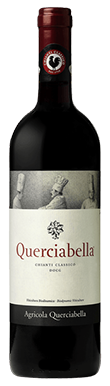

Under the supervision of talented winemaker Manfred Ing, Querciabella makes relatively high volumes of terrific wines such as this top-notch Chianti Classico, bursting with captivating...
2019
QuerciabellaChianti Classico

Fontodi, Filetta di Lamole, Chianti Classico, Tuscany, Italy, 2019
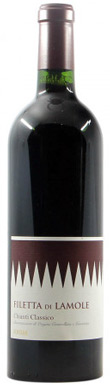
A textbook expression of the high-altitude Lamole terroir, offering suave perfumes of rose petals, cassis and a twist of iron. The palate is taut and...
2019
FontodiChianti Classico
Montesecondo, Chianti Classico, Tuscany, Italy, 2020
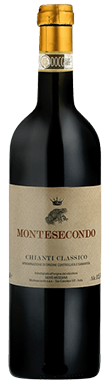
Montesecondo is part of an increasingly large group of small wineries that choose to pursue a minimalist approach: avoiding yeast addition, choosing concrete over oak,...
2020
MontesecondoChianti Classico
Poggerino, Nuovo, Chianti Classico, Tuscany, Italy, 2019
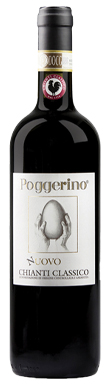
A cutting-edge annata that spends 12 months in 6.5hl concrete eggs, Nuovo is especially perfumed, displaying scents of strawberry jam, dried violets, balsam herbs, and...
2019
PoggerinoChianti Classico
Caparsa, Chianti Classico, Tuscany, Italy, 2019
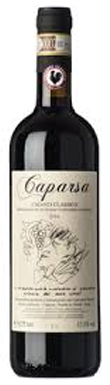
A pure, concrete-aged expression of the Radda sub-zone where steep slopes and high elevations give slim, high-acid wines endowed with terrific drinkability. A lovely bouquet...
2019
CaparsaChianti Classico
Castagnoli, Chianti Classico, Tuscany, Italy, 2020
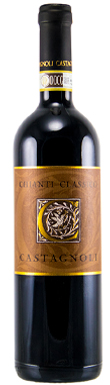
A rare organic estate in that it still houses alberello-trained vineyards on steep terraces in Castellina. This annata is a lovely rendition, with nuances of...
2020
CastagnoliChianti Classico
Concetta Mori, Morino, Chianti Classico, Tuscany, Italy, 2020
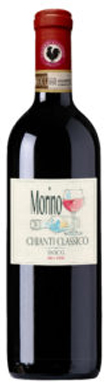
It’s always exciting to come across excellent underthe-radar wines such as this annata from a small winery in San Casciano in Val di Pesa. The...
2020
Concetta MoriChianti Classico
Lecci e Brocchi, Chianti Classico, Tuscany, Italy, 2019
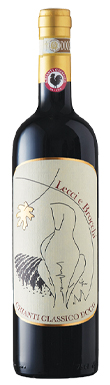
Wafts of smoke and iron frame youthful aromas of ripe blackberries and juniper berries, shaping the dark, plump personality of this concrete-aged annata wine from...
2019
Lecci e BrocchiChianti Classico
San Felice, Il Grigio, Chianti Classico, Riserva, Tuscany, Italy, 2019
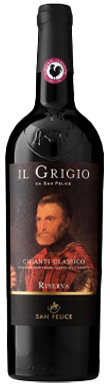
With a 320,000-bottle production, Il Grigio is one of the iconic Chianti Classico Riservas – and great value. Textbook aromas of worn leather, blackberries, raw...
2019
San FeliceChianti Classico
Castellare di Castellina, Chianti Classico, Tuscany, Italy, 2020
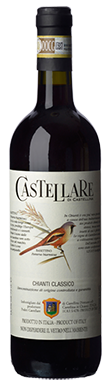
Spending approximately six months in used barriques, this large-production annata offers essential – but enticing – perfumes of sweet black cherries and dried herbs. It...
2020
Castellare di CastellinaChianti Classico
Istine, Vigna Istine, Chianti Classico, Tuscany, Italy, 2019
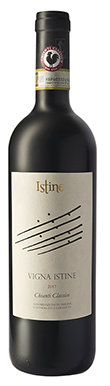
The annata category seems ill-fitting for this complex wine from a steep 550m-high vineyard in the Radda sub-zone. Displaying an intoxicating nose of kirsch, botanicals...
2019
IstineChianti Classico
Maurizio Alongi, Vigna Barbischio, Chianti Classico, Riserva, Tuscany, Italy, 2019
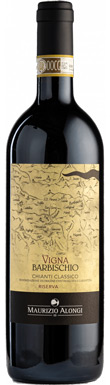
Maurizio Alongi makes one single wine from his remote Barbischio vineyard. Just two parcels totalling 1.3 hectares, it sits in the middle of a forest...
2019
Maurizio AlongiChianti Classico
San Giusto a Rentennano, Le Baroncole, Chianti Classico, Riserva, Tuscany, Italy, 2019
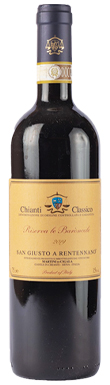
A selection from the best parcels and barrels of a highly recognised estate in Gaiole, this is currently only hinting at its long-term potential. Sour...
2019
San Giusto a RentennanoChianti Classico
Castello di Monsanto, Il Poggio, Chianti Classico, Gran Selezione, Tuscany, Italy, 2018
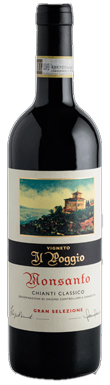
Il Poggio was the first Chianti Classico to carry a single-vineyard designation in 1962. The 2018 vintage unveils high-toned aromas of sweet redcurrants complicated by...
2018
Castello di MonsantoChianti Classico
Castello di Volpaia, Il Puro Casanova, Chianti Classico, Gran Selezione, Tuscany, Italy, 2018
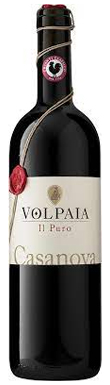
Made from a single vineyard that’s planted with 25 native Sangiovese clones rescued from former sharecroppers’ plots, this has an appealing bouquet that mixes whiffs...
2018
Castello di VolpaiaChianti Classico
Casaloste, Chianti Classico, Riserva, Tuscany, Italy, 2018
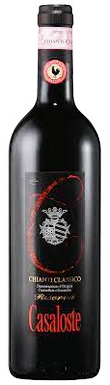
Exudes the typical richness of Panzano in Chianti, the extended ageing in French oak barriques adding balsamic nuances to the exuberant tones of ripe blackberries,...
2018
CasalosteChianti Classico
Il Caggio, Ipsus, Chianti Classico, Gran Selezione, Tuscany, Italy, 2018
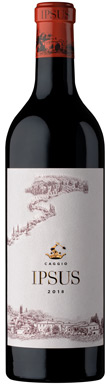
Similar to when I last tasted this in 2022, Ipsus 2018 is a combination of the ripe fruit of 2015 and the freshness of 2016....
2018
Il CaggioChianti Classico
Isole e Olena, Chianti Classico, Gran Selezione, Tuscany, Italy, 2015
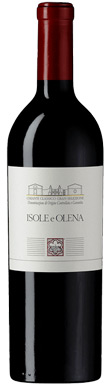
The rarest wine from this revered estate boasts exuberant perfumes of blackberry compote, dried mushrooms, menthol and a kiss of dark chocolate, the latter hinting...
2015
Isole e OlenaChianti Classico
Barone Ricasoli, Colledilà, Chianti Classico, Gran Selezione, Tuscany, Italy, 2019
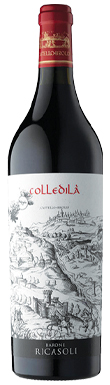
Sourced from a vineyard located at 320m on pure alberese soils, Colledilà displays captivating scents of bramble fruits, sweet violets, lavender and wet earth energised...
2019
Barone RicasoliChianti Classico
Fèlsina, Colonia, Chianti Classico, Gran Selezione, Tuscany, Italy, 2019
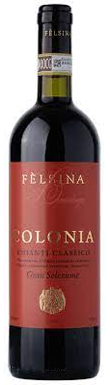
The top wine of this estate in southern Chianti Classico undergoes extended ageing in French oak, 25% new. Quite reticent at this stage, it slowly...
2019
FèlsinaChianti Classico
