
Chianti Classico Riserva 2019 & late releases
'Chianti Classico's sweet spot', says Michaela Morris in her report on the latest releases from the Riserva category...


Chianti Classico’s ‘intermediate’ category, Riserva is as rich in interpretations as it is weighted with opinions.
Scroll down to see tasting notes and scores for the top Chianti Classico Riserva 2019 & late releases
Following the letter of the law, minimum ageing is double that of annata – 24 months. Despite no stipulations about the type of ageing vessel, most Chianti Classico Riserva typically matures in oak barrels of one kind or another.
Given Chianti Classico Riserva’s two-year ageing requirements, this March’s tasting was the first official showing of the 2019 vintage – though there are still many yet to be bottled.
The 2019 vintage
As a refresher, the growing season in 2019 began with budbreak on time and unhindered. Copious downpours in late spring served to replenish water reserves. Producers started to fret when unseasonably cool, damp conditions in May put the brakes on the vines’ development. Then summer finally hit with hot, stable temperatures and minimal rainfall. Clement weather continued into September, bringing considerable day/night temperature variations which played a significant role in shaping the wines.
See all 100 of Michaela’s Chianti Classico tasting notes & scores from her reports: annata, Riserva and Gran Selezione
‘There was no frost or hail, and drought wasn’t too drastic. There was a good quantity of grapes. It was easy,’ sums up Roberto Stucchi at Badia a Coltibuono. Harvest started 20 September and continued well into mid-October, allowing for properly ripe phenolics and well-defined aromas.
I was seduced by the aromatic complexity of 2019’s annata and delighted to find equally beautiful, expressive Riserva – the latter showing the same mouthwatering freshness and cheerful buoyancy which underscores the vintage.
In general, the 2019 Riserva are not weighty wines. They have neither the density of 2016 nor the rich ripeness of 2015. Instead, they are layered without being compact. Finessed tannins support rather than impose. Examples range from finely framed wines such as Le Miccine to more structured ones like Castello di Querceto.
See all of our Tuscany vintage reports
While the best have the depth to age for up to a decade or so, there is an overall readiness to these 2019s. With such a lovely character, it is tempting to ask – why wait? That said, top wines such as Maurizio Alongi’s Vigna Barbischio and Poggerino’s Bugialla will reveal greater intricacies after a few more years in bottle.
The 2018 vintage: late releases
Alongside the couple of dozen 2019 Riservas, a spate of 2018s was also on show. This vintage was marked by uneven, changeable weather. Below-average temperatures and rain, often heavy, persisted throughout summer, causing some issues with mildew and botrytis. Warm, sunny conditions finally arrived in September. Nevertheless, results were mixed as weather patterns varied throughout sub-districts.
When I asked if Castell’in Villa would release a 2018 Riserva, Coralia Pignatelli della Leonessa replied definitively – ‘Absolutely not. It doesn’t have the body.’ Conversely, ‘concentrated and structured’ is how cellarmaster Stefano Peruzzi describes Castello di Radda’s 2018 Riserva, which will come out next year.
Meanwhile, winemaker Tim Manning at Montecalvi was so satisfied with the results of a single barrel that he crafted the estate’s first ever Riserva from the 2018 vintage – it is worth seeking out.
Overall, my impressions of the 2018 Riserva bottlings released this year echoed my sentiments last year: they are heterogenous but mostly lighter in structure and will be best within the next seven to eight years. I have highlighted a few exceptions to this in my recommendations below, such as Monte Bernardi and Querciabella.
Sweet spot
Specific vintages aside, the tasting provided an opportunity to evaluate Riserva in general. With the current focus on the region’s top category, Gran Selezione, Riserva risks getting lost in the shuffle. Bibbiano, Castello di Volpaia and Querciabella are all good examples of estates that offer a coherent progression through all three tiers, crafting each with intention.
‘It is important to make a Riserva that is differentiated from the other wines,’ says Diego Finocchi at l’Erta di Radda. For his Riserva, he selected a specific vineyard based on its soil and exposure, and planted it with low yielding, small berry clones in order to produce a wine with greater structure and concentration for ageing than his annata.

For estates that do not produce all three categories, the choice is usually between Riserva and Gran Selezione. On the one hand, there are those like Isole e Olena that have opted for the top tier: ‘Second best is not best,’ Paolo di Marchi proclaimed to me recently. On the other hand, Riserva remains an important category for producers who have yet to embrace Gran Selezione. It may become even more important given recent changes to Gran Selezione regulations, which will increase Sangiovese to a minimum of 90% and prohibit international varieties. The question is, will outliers show up here or renounce the Chianti Classico denomination altogether?
Ultimately, Riserva isn’t simply a transitional tier. Its most intentional wines are right in Chianti Classico’s sweet spot.
Michaela’s top Chianti Classico Riserva 2019 & late release picks:
See all 100 of Michaela’s Chianti Classico tasting notes & scores from her reports
Related content
Brunello di Montalcino Riserva 2016 vintage report and top-scoring wines
Barolo in depth: Serralunga plus 10 wines worth seeking out
A guide to Chianti Classico’s new sub-zones
Poggerino, Bugialla Riserva, Chianti Classico, Tuscany, Italy, 2019
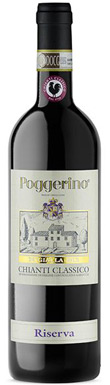

Planted in 1984, Bugialla is a 4ha plot at 500 metres on stony Galestro soil. Owner Piero Lanza picks the larger bunches first for the...
2019
PoggerinoChianti Classico

Riecine, Riserva, Chianti Classico, Tuscany, Italy, 2019
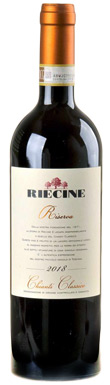
Since taking the reins at Riecine in 2016, winemaker Alessandro Campatelli has crafted a Riserva from the 2.6ha 50-year-old Gittori vineyard. It ferments in concrete...
2019
RiecineChianti Classico
Monte Bernardi, Sa'etta Riserva, Chianti Classico, Tuscany, Italy, 2018
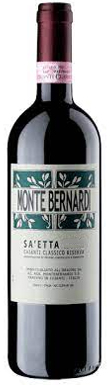
The Sa’etta vineyard is in the township of Panzano on sandstone with cemented limestone and rich in reflective quartz. Spontaneous fermentation in concrete with a...
2018
Monte BernardiChianti Classico
Querciabella, Chianti Classico, Riserva, Tuscany, Italy, 2018
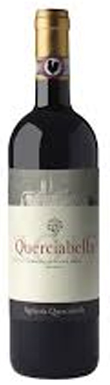
As with Querciabella’s annata, the Riserva blends fruit from Greve, Radda and Gaiole; a selection of the best parcels with yields averaging a modest 30hL/ha....
2018
QuerciabellaChianti Classico
Val delle Corti, Riserva, Chianti Classico, Tuscany, Italy, 2018
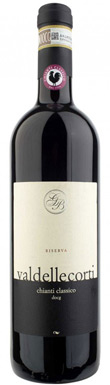
Roberto Bianchi crafts his Riserva from a single vineyard. Surrounded by forest, it is the highest of his plots in Radda - and the oldest,...
2018
Val delle CortiChianti Classico
Castellare di Castellina, Riserva, Chianti Classico, Tuscany, Italy, 2019
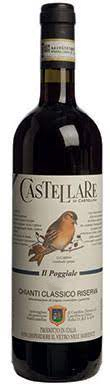
Castellare make two Riserva: ‘Il Poggiale’ is a single-parcel bottling while 'Castellare di Castellina' is selected from multiple plots between 350 to 400 metres. Produced...
2019
Castellare di CastellinaChianti Classico
Castello di Volpaia, Riserva, Chianti Classico, Tuscany, Italy, 2019
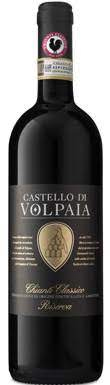
Selected from eight vineyards with yields between 35 and 45hL/ha, Castello di Volpaia’s 2019 Riserva is aged in a combination of French and Slavonian oak...
2019
Castello di VolpaiaChianti Classico
Le Miccine, Riserva, Chianti Classico, Tuscany, Italy, 2019
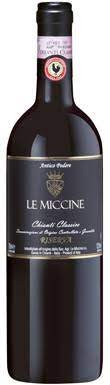
With vineyards between 380 and 410 metres, Le Miccine’s Riserva usually hails from the highest plots. Vines were planted 20 years ago to a mix...
2019
Le MiccineChianti Classico
Istine, Levigne Riserva, Chianti Classico, Tuscany, Italy, 2018
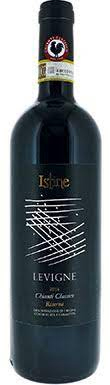
Blended from a portion of Istine’s three vineyard selections - Cavarchione, Istine and Casanova dell'Aia - this Riserva sees an extra year of ageing in...
2018
IstineChianti Classico
L'Erta di Radda, Riserva, Chianti Classico, Tuscany, Italy, 2018

Diego Finocchi established a vineyard specifically to make a Riserva. He planted it with two naturally low-yielding clones giving small bunches with few berries, the...
2018
L'Erta di RaddaChianti Classico
Bibbiano, Riserva, Chianti Classico, Tuscany, Italy, 2019
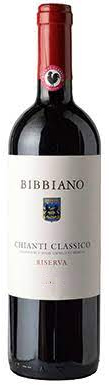
Bibbiano’s Riserva is put together with grapes from both sides of the ridge it sits on – the warm, sun-soaked southwestern exposure, and the cooler...
2019
BibbianoChianti Classico
Castello di Ama, Montebuoni Riserva, Chianti Classico, Tuscany, Italy, 2019
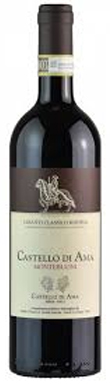
The second vintage of this single-vineyard Riserva, Montebuoni is sourced from vines at least 20 years old. It provides a logical progression from Ama’s annata,...
2019
Castello di AmaChianti Classico
Montecalvi, Riserva, Chianti Classico, Tuscany, Italy, 2018
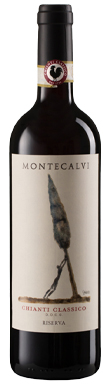
Montecalvi have previously never produced a Riserva, but winemaker Tim Manning liked the results of a particular tonneau and decided to hold it back. The...
2018
MontecalviChianti Classico
Arillo in Terrabianca, Poggio Croce Riserva, Chianti Classico, Tuscany, Italy, 2019
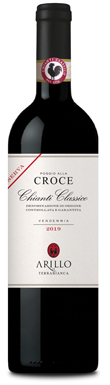
Taking its name from the cross that presides over the vineyard, Poggio Croce is a selection of choice grapes. Following a post-fermentation maceration of two...
2019
Arillo in TerrabiancaChianti Classico
Capraia, Riserva, Chianti Classico, Tuscany, Italy, 2019
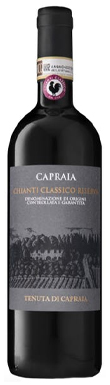
In the southwestern commune of Castellina, the Capraia estate selects its Riserva from plots on rocky Alberese soil. Ageing is in a combination of large...
2019
CapraiaChianti Classico
Castello di Querceto, Riserva, Chianti Classico, Tuscany, Italy, 2019
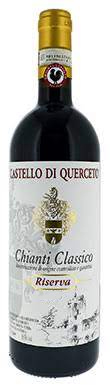
At the eastern confines of the Chianti Classico region, Castello di Querceto is located in a cool valley with warm south to west exposures. The...
2019
Castello di QuercetoChianti Classico
Fèlsina, Rancia, Chianti Classico, Riserva, Tuscany, Italy, 2019
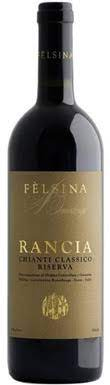
Rancia is Fèlsina’s 6.25ha vineyard. It looks southwest toward the region of Montalcino and is bathed in balmy breezes from the sea beyond. The soil...
2019
FèlsinaChianti Classico
Castagnoli, Terrazze Riserva, Chianti Classico, Tuscany, Italy, 2019
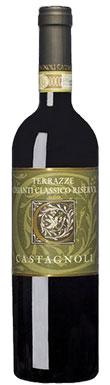
Castagnoli’s Terrazze Riserva is a parcel selection based on vintage conditions. Managing his family’s estate, Tim Schefenacker explains that he typically favours those sites with...
2019
CastagnoliChianti Classico
Castello di Meleto, Riserva, Chianti Classico, Tuscany, Italy, 2019
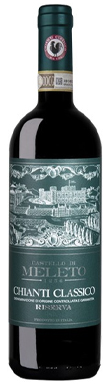
Castello di Meleto’s Riserva is assembled from a selection throughout its five diverse vineyard sites in Gaiole. Ageing is in a combination of French and...
2019
Castello di MeletoChianti Classico
Podere Capaccia, Riserva, Chianti Classico, Tuscany, Italy, 2018

Capaccia’s Riserva comes from the estate’s oldest plot, with vines planted in 2007. The vineyard is called Quercia Grande, as it sits below a prominent...
2018
Podere CapacciaChianti Classico
