
Discovering Brazil’s flourishing wine scene plus 10 wines to seek out
A groundbreaking new DO for sparkling wines, pioneering viticultural techniques, a greater willingness to experiment and improved marketing beyond its borders mean Brazilian wines are currently making waves.


White beaches, Amazon rainforests, Rio carnival, football. It’s fair to say that wine isn’t the first thing that springs to mind when you think of Brazil. But this vast country is making significant headway into the global wine scene.
Scroll down to see tasting notes and scores for 10 wines from Brazil to try
The beginning of Brazil’s wine story isn’t an auspicious one. Although vines first arrived in 1532 with Portuguese explorer Martim Afonso de Sousa, early plantings failed. It wasn’t until Brazil gained independence from Portugal in 1822 – a move that coincided with a gold rush and subsequent flood of European immigration – that wine culture took root.
The most significant contribution was made by Italians, who were offered land in southern Brazil in the mid-1870s and settled around Serra Gaúcha and Bento Gonçalves – an area that’s reminiscent of Italy’s Piedmont. The south remains the epicentre of Brazil’s fine wine scene today – the legacy of those historic settlers seen in the names of large companies, such as Miolo, that dominate the industry here.

Setting the scene
While European immigrants brought Vitis vinifera vines from their homeland, other grapes – American and hybrid vines such as Isabel and Niagara – proved more adaptable to Brazil’s humid climate and plantings spread throughout the country. Industrialisation of wine production from the 1970s saw volumes increase, but coincided with a period of military dictatorship (1964-1985), when international trade dwindled. Wine styles became geared to the domestic market – sweet jug wine is still more popular than fine wine today – though vinifera production continued in places. Most notably, major French company Moët & Chandon arrived in Serra Gaúcha in 1973 to make sparkling wines, spotting a potential for the style that has become Brazil’s calling card. ‘Brazil can deliver any style of sparkling wine,’ says Maurício Roloff, education director of the Brazilian Sommelier Association. Indeed, the country has become the largest sparkling producer in Latin America, making both traditional-method – first produced in 1913 – and tank wines.
The 1990s marked a significant turning point in the Brazilian wine story. ‘The wine scene changed a lot from 1994 onwards when Brazil opened up more to foreign markets, and people in wine started to travel and study winemaking in other countries,’ explains winemaker Flavio Pizzato. The descendants of Italians who arrived in 1880, his family began making their own wines in 1999. The newly democratic country opened its doors to foreign trade, bringing in ideas and competitor products that sparked a quiet quality revolution.
Since the turn of the millennium, progress has been rapid. Brazil’s first Geographical Indication (GI) – Vale dos Vinhedos in Bento Gonçalves – was approved in 2002. The region became a Denomination of Origin (DO) in 2012. By 2020 there were seven GIs across the country.

Sparkling signature
The most recent date of note is 29 November 2022, which marked the announcement of Altos de Pinto Bandeira as a DO for traditional-method sparkling wines. The new DO in Serra Gaúcha is the first in the New World exclusively for sparkling wines.
The announcement followed 10 years of campaigning and research by the Pinto Bandeira Wine Producers Association (Asprovinho) spearheaded by Chilean oenologist Mario Geisse. The first person to recognise the potential of the region for sparkling wine, Geisse moved to Brazil in 1976 to work for Chandon Brazil. He then founded his own Familia Geisse winery in Pinto Bandeira in 1979.
‘This region has something very rare, which I first encountered 40 years ago,’ says Geisse as we stroll through his vineyards. ‘It can produce grapes that are at the optimum of sugar and acidity at the moment of harvesting – which is the same as the Champagne region.’
Altos de Pinto Bandeira DO covers 65km2 (6,500ha) spread across three municipalities on the left bank of the Vale do Rio das Antas: Pinto Bandeira (76.6%), Farroupilha (19%) and Bento Gonçalves (4.4%). The average altitude of the vineyards is 632m and the average annual rainfall is 1,400mm. ‘The base rock here is volcanic basalt,’ explains Geisse. ‘Over time it has fractured and when this happens, soil falls in between. As well as allowing the roots of the vine to go very deep, it offers excellent drainage.’
Three grape varieties are permitted: Chardonnay, Pinot Noir and Riesling Italico (Welschriesling). Yields are limited to 12 tonnes per hectare [the same limit was set in Champagne in 2022], with strict rules for traditional-method production in the winery. Currently four wineries are allowed to label their wines Altos de Pinto Bandeira DO – Aurora, Don Giovanni, Geisse and Valmarino – with the first bottles arriving in export markets this year.
Geisse believes the new DO gives Brazil a USP in the crowded global wine scene. ‘As a region we don’t want to compare ourselves to other sparkling regions. What we do want to do is promote this type of sparkling wine as reflecting the spirit of Brazil: light, easy to drink, enjoyable – like Brazilians!’ For Roloff it’s a clear endorsement of Brazil’s flagship style: ‘Having this DO shows us as specialists in sparkling.’
Variety show
As Roloff admits, however, sparkling is ‘just the tip of the iceberg’ for Brazilian wine styles. Rio Grande do Sul, the southern region that’s home to some 90% of producers, is said to boast more than 130 different grape varieties in all, and of those destined for quality wine production, it’s Cabernet Sauvignon, Chardonnay and Merlot that account for the lion’s share. While premium- quality Merlot and Syrah have become calling cards for Brazil, many other varieties are proving equally successful, from Italy’s Glera to Greek Assyrtiko.
Pizzato makes the country’s only Sémillon at his small winery in Vale dos Vinhedos. At nearby Foppa & Ambrosi, the portfolio includes Albariño and Tannat – signature grapes of Brazil’s neighbour Uruguay. ‘Everything that works in Uruguay’s terroir will work in our terroir, but here we get better ripeness,’ says Lucas Foppa, who started making wines in his basement with two friends from oenology school in 2017, when he was 21.
‘Cabernet Franc is suited to this region because it has an early cycle and has some resistance to mildew. In comparison with Merlot it has more complexity; I think Cabernet Franc will be bigger than Merlot in Brazil in years to come,’ he adds.

Looking outwards
Foppa and partner Ricardo Ambrosi also make wine in Napa Valley. The duo’s Cultura range, including a Touriga Nacional, reflects their contacts with foreign winemakers. Their willingness to look beyond borders is a contrast to the country’s older, established wineries that have been criticised in the past for only looking inward at their own industry.
Luísa Valduga is the fourth generation of Casa Valduga. Founded by Italian immigrants, the company started making its own wines in the 1970s and was an early advocate of ‘méthode champenoise’ sparkling. She left Brazil to study marketing and gain experience with large multinationals. ‘To come to Europe and put myself into different industries is not something that the family pushed me to do,’ she says. ‘It was me who said, you cannot have the whole group thinking from the inside only, someone needs to go outside and bring things back.’
Now she works for the family company in the UK. ‘I’m not going back to Brazil, but I’m going back to the business because I feel like we have a lot of opportunities,’ she adds. ‘We’ve learned a lot from our mistakes. And now we’re much more prepared and ready to move forward.’ She believes that promoting Brazil in export markets is vital. Wines of Brazil and ApexBrasil (the Brazilian Trade and Investment Promotion Agency) have been focused on that since 2021.

Winter wines
Back in Brazil, viticultural innovations are moving the industry forward. Winter harvesting is a technique that disrupts the vine’s natural growing cycle to allow grapes to be picked at the optimum time of year. It was developed in the early 2000s in Minas Gerais (the birthplace of footballer Pelé). In this part of central Brazil, autumn falls between February and April. But conditions in winter (May to August) are much better for harvesting grapes, as this is the dry season, with sunny days and cold nights.
By using phytohormones to encourage early budding and a double-pruning technique that was developed by Brazilian Dr Murillo de Albuquerque Regina, growers can harvest in June or July. Benefits include a longer ripening period, along with better sun exposure and higher temperatures, as well as a greater diurnal temperature difference, which helps to preserve natural acidity.
Wines from Brazil: the facts
Wine regions: Campanha, Campos de Cima da Serra, Planalto Catarinense, Serra do Sudeste, Serra Gaúcha, Vale do São Francisco
Emerging regions: Goiás, Interior de São Paulo, Norte do Rio Grande do Sul, Paraná, Sul de Minas Gerais
Appellations: DO Altos de Pinto Bandeira, Vale dos Vinhedos; GI Altos Montes, Campanha Gaúcha, Farroupilha, Monte Belo, Pinto Bandeira, Vales da Uva Goethe, Vinhos de Altitude de Santa Catarina
Main red grapes: Cabernet Sauvignon, Merlot, Pinot Noir
Main white grapes: Chardonnay, Moscato Branco, Glera
Area planted: 80,000ha
Wineries: 1,100+
Total production (2022*): 320m litres
Volume of exports (2022†): 7.7m litres
Value of exports (2022†): US$13.7m
Source: Wines of Brazil; *OIV 2022; †Comex Stat]
Vigorous varieties such as Sauvignon Blanc and Syrah have turned out to be particularly well suited to winter harvesting. The first experimental harvest took place in 2003, but these so-called ‘winter wines’ – also known as colheita de inverno – made headlines when Guaspari Syrah 2016 won Brazil’s first-ever gold medal, in the 2016 DWWA competition, placing the producer firmly on an international stage. Anprovin, the national association for winter wines, now has 42 member wineries, representing more than 300ha of vineyard and some 650,000 bottles annually.
Looking ahead
Innovations such as winter wines, combined with pioneering plantings and an ambitious younger generation, paint a picture of a dynamic wine scene in Brazil. But there is still quite a way to go if the country wants its wines to continue to achieve greater recognition.
Challenges to overcome include punitive domestic taxes: in some states, producers can pay more than 50% of the value of their wine in tax; drinkers are further taxed at the point of purchase. ‘Wines imported from Argentina and Chile benefit from a free trade agreement,’ adds Roloff, making them cheaper than local wines. And that’s for the 5% of Brazilians who actually drink wine.
Growing the domestic market and creating a national wine culture will undoubtedly help. This needs to go hand-in-hand with increasing visibility in international markets. ‘Only a handful of producers have the quality and capability to export, so in a sense there is a lack of critical mass,’ says Dirceu Vianna Junior MW, Brazil’s only Master of Wine.
‘Production volumes remain low and Brazil’s labour costs are high, so the challenge of trying to be competitive on the international stage remains,’ adds Nicholas Corfe, MD of UK specialist importer Go Brazil. He is hopeful for the future, however. ‘There is a real confidence and energy in Brazil’s winemaking right now –
a stronger sense of identity and an encouraging degree of experimentation,’ he says. Importantly, the quality is there.
In years to come, Brazil’s wines may be as well known as its star footballers or colourful carnivals.
Wines from Brazil: 10 to try
Related articles
- Expert’s choice: South American sparkling
- Here are 15 Brazilian wines worth seeking out
- Brazil’s Altos de Pinto Bandeira becomes first DO exclusively for sparkling wines in the New World
Cave Geisse, Blanc de Noir Brut, Serra Gaúcha, Pinto Bandeira, Serra Gaúcha, Brazil, 2019
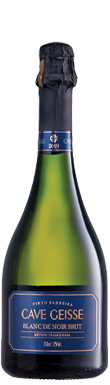

Mario Geisse first spotted the potential of Altos de Pinto Bandeira for producing world-class sparkling wine in the 1970s; it became the first dedicated DO...
2019
Cave GeisseSerra Gaúcha

Casa Valuga, Sur Lie Brut Nature, Serra Gaúcha, Vale dos Vinhedos, Serra Gaúcha, Brazil
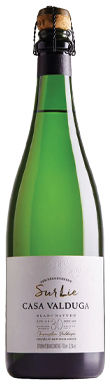
An accomplished méthode ancestrale-style sparkler made from Pinot Noir and Chardonnay, which undergoes a second fermentation in bottle but isn’t disgorged. Cloudy with small, persistent...
Casa ValugaSerra Gaúcha
Foppa & Ambrosi, Insolito Blend II Extra Brut, Serra Gaúcha, Brazil
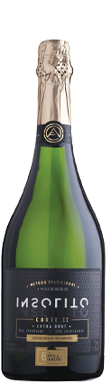
This distinctive traditional-method blend of Trebbiano and Chardonnay spends 12 months on lees. Fruit is sourced from Monte Belo do Sul and Guaporé – talented...
Foppa & Ambrosi
Miolo, Millésime Brut, Serra Gaúcha, Vale dos Vinhedos, Serra Gaúcha, Brazil, 2018
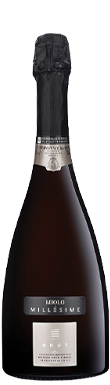
Miolo’s top-of-the-range traditional-method fizz is a 50/50 blend of Chardonnay and Pinot Noir that spends 18 months on lees. A fresh, frothy aperitif style with...
2018
MioloSerra Gaúcha
Pizzato, PP Semillon, Serra Gaúcha, Vale dos Vinhedos, Serra Gaúcha, Brazil, 2021
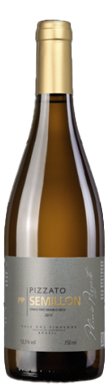
Flavio Pizzato is the only winemaker producing Semillon in Brazil, but on this evidence there should be more. Partial ageing in oak and acacia ...
2021
PizzatoSerra Gaúcha
Campos de Cima, Três Bocas Branco, Campanha, Brazil, 2022
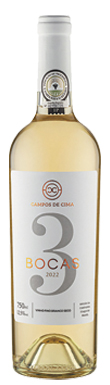
An unusual but successful blend of Portuguese grapes Arinto and Alvarinho with Greek Assyrtiko. Richly aromatic with honeyed roasted nut and itrus aromas, and lots...
2022
Campos de Cima
Guaspari, Vale da Pedra Branco, Espírito Santo do Pinhal, São Paulo, Brazil, 2021
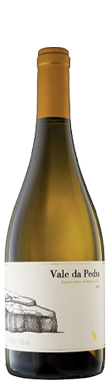
A ‘winter harvest’ wine, produced by double-pruning vines to alter their growing cycle, meaning the grapes can be picked in a cooler season. Sauvignon Blanc...
2021
GuaspariEspírito Santo do Pinhal
Pizzato, Concentus Gran Reserva, Serra Gaúcha, Vale dos Vinhedos, Serra Gaúcha, Brazil, 2020
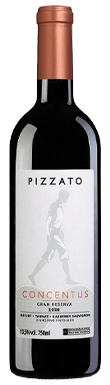
A confident red blend – Merlot-dominant (65%) with Cabernet Sauvignon (15%) and Tannat (20%) – aged for 11 months in used French and American oak....
2020
PizzatoSerra Gaúcha
Don Guerino, Traços Gran Reserva Red Blend, Alto Feliz, Serra Gaúcha, Brazil, 2020
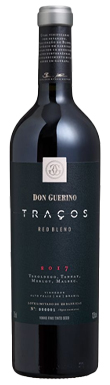
One for fans of big bold reds, this ambitious blend combines Merlot (30%), Tannat (30%), Malbec (20%), Teroldego (15%) and Cabernet Franc (5%). Ripe black...
2020
Don GuerinoAlto Feliz
Amitié, Colheitas Shiraz, Serra da Mantiqueira, Minas Gerais, Brazil, 2020
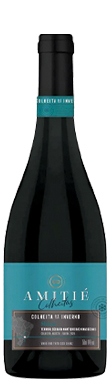
Showing the great richness you can achieve in Brazil’s Serra da Mantiqueira by flipping the season on its head and harvesting in winter, this is...
2020
AmitiéSerra da Mantiqueira
