Discovering the ‘micro crus’ of Provence plus 12 wines to seek out
Elizabeth Gabay MW explores regional expression in Provence, tasting a dozen wines - red, white and rosé - from five virtually unknown sub-regions.


The fame of Provence rosés has encouraged an image of simplicity and approachability for all of the region’s wines, but work on regional expression is an on-going project.
Under the Vins de Provence umbrella sit the three appellations;
- Coteaux-Varois-en-Provence,
- Coteaux d’Aix-en-Provence,
- Côtes de Provence.
The latter is the largest and includes five, virtually unknown, sub-regions, known as Dénominations Géographiques Complémentaires, (DGC) or, more commonly, Dénominations de Terroir, created to help focus on the diversity of the region.
Scroll down for Elizabeth Gabay MW’s notes and scores on a dozen Provence ‘micro cru’ wines
These DGC – labelled as Côtes de Provence plus the DGC – each of which took around 10 years to achieve official status by the INAO, include:
- Sainte-Victoire, in the far west of the appellation, in the relatively high altitude limestone Arc valley, nestled beneath the imposing Mont Sainte-Victoire (Mas de Cadenet, Domaine de Saint Ser, Château Coussin);
- La Londe, roughly halfway along the coast between Bandol and Saint-Tropez, exclusively on the first schistous foothills of the Maures mountains (Château Léoube, Château Malherbe, Château Les Mesclances); and three lining the east-west central valley (or Permian depression), mostly along the Argens river.
- Pierrefeu, closest to Toulon and the coast (Château La Gordonne, Les Vignerons de Gonfaron);
- Fréjus, which includes the d’Esclans valley and the volcanic rhyolite foothills of the Estérel (Château Paquette, Château de Rouët); and the newest addition,
- Notre-Dame-des-Anges in the centre, furthest from the sea and the most continental of the sub-regions (Domaine Fouquette) with more full-bodied wines.
There have been extensive talks locally about elevating the two best (Sainte-Victoire and La Londe) to a formal ‘cru’ status, yet nothing has happened so far.

A step up
In blind tastings, the wines are consistently a cut above generic appellation wines. As well as requiring a relatively strict parcel-by-selection, they also have lower maximum yields (50hl/ha rather than 55hl/ha), do not allow any carbon filtering of the rosés, and the reds of Pierrefeu and Fréjus must be aged for one month longer than generic Côtes de Provence (to 1st November rather than 1st October).
Each DGC has a different combination of permissible grape varieties. Both rosé and red wines can be made under all five denominations, with the recent inclusion of whites in La Londe. The other four are in the long process of including whites too, as this category is rising in popularity.
While DGC wines usually command higher prices, and the quality is usually better, typicity in the glass varies from strongly characterful to indistinguishable from generic Côtes de Provence. The best embrace regional character.
Differences in terroir
Sainte-Victoire is a cooler area with relatively high altitude, between 250m and 400m, protected from maritime influences by the Massif de la Sainte-Baume. Expect rosés from Sainte-Victoire to have a characteristic round, creamy-but-vibrant acidity, while the reds (usually Syrah) are fresh and generally austere.
La Londe is hotter, with vineyards both on the schistous slopes of the Massif des Maures, the sandier coastal plain and the micro terroirs of the island of Porqueyrolle. It was once more famous for ripe reds, but today it is more notable for fresh, crisp, zesty, unoaked whites made from Rolle that eschew the weighty gravitas of their inland peers. The rosés in particular stand out for the keen minerality granted by their schistous soils and ripe fruit from a consistently warm meso-climate.
Pierrefeu, leading down to the coast, is famous for its almond orchards and figs and has a milder, maritime climate resulting in fairly ripe, fruity wines.
Notre-Dame-des-Anges, the newest DCG and the hottest region, (it was badly burnt in the fires of summer 2022), has yet to find its own distinct style, while Fréjus, the most easterly region of Côtes de Provence, is made in such minute volumes (although currently growing in popularity) that it is difficult to differentiate producer individuality compared with the style of terroir, although the volcanic soils seem to give greater ageing potential. These particular rosés are unique as they do not allow the inclusion of white varieties in the blend, and the local Tibouren grape must be used.

How useful are they?
Cursed by Provence rosés’ simplistic appeal, many producers feel that consumers do not want to be overwhelmed by complex information on geographic origin, and choose not to use the DGC qualification.
For example Château d’Esclans, perhaps Provence’s most internationally famous estate nowadays, is entirely within the Fréjus area, but does not include the essential variety Tibouren and is therefore labelled as a generic Côtes de Provence. Of the 500ha of vineyards eligible for the sub-region, only 11ha declare it. Estates with Cru Classé status also chose not to also include a DCG qualification.
New sub-regions have also been discussed, although progress is slow. Areas to look out for are the high-altitude, red soil vineyards of Dracénie, the furthest north in Côtes de Provence, and the Saint-Tropez peninsula.
Elizabeth Gabay MW’s top 12 ‘micro cru’ wines from Provence
Related articles
- Portuguese rosé: The next big thing?
- Canadian rosé: Patriotically pink for Canada Day
- A guide to the cru classé wines of Provence
Domaine de Saint Ser, Dolia, Côtes de Provence, Ste-Victoire, Provence, France, 2019
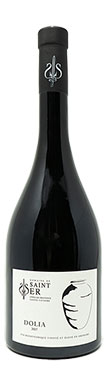

Incense, spice, dark juicy fruit and cherry jam aromas. On the palate, it's full of rich, intense, layered and structured fruit. Sweet, ripe spicy plums and damson compote, juicy red berries, black chocolate richness leading to sweet oak in the background and a touch of leather. The crisp, juicy, vibrant acidity gives a long fresh finish, matched by saline, inky minerality, typical of Ste Victoire. The tannins are still youthful and velvety. The wine opens up to reveal greater richness and depth on decanting.
2019
Domaine de Saint SerCôtes de Provence

Mas de Cadenet, Cuvée Grande Garde, Côtes de Provence, Ste-Victoire, Provence, France, 2019
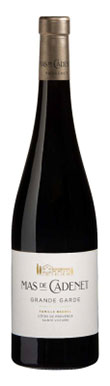
Spicy, smoky redcurrants, sweet red fruit and herbal aromas. This has an element of traditional Provence rosé. Sweet ripe hedgerow fruit fruit, dark berries and scented, blue floral notes develop into sweet leather, dark chocolate, spice and garrigue. Full-bodied and ripe, with grippy, velvety tannins and freshness. Sour plum acidity on the finish keeps this all in line and emphasises the cooler climate character of Ste Victoire. Restrained, fresh, mineral and elegant, this needs time to open up and reveal its richness.
2019
Mas de CadenetCôtes de Provence
Château Les Mesclances, Faustine, Côtes de Provence, La Londe, Provence, France, 2018
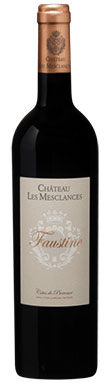
Reflecting its blend of Syrah and Mourvèdre, this wine offers a complex combination of the two grapes. Starting off with Syrah, there's incense, iodine, hints of peaty smoke and leather. Then the aromas move on to Mourvèdre, revealing darker fruit and spice. On the palate, vibrant fresh red fruit, opulent raspberries, inky, velvety blackcurrants, smoky sloes and damsons. The oaky tannins are sweet and grippy, the acidity fresh and zesty. The alcohol gives silky weight, balanced by the zesty, crunchy acidity and the rich exotic spice of the oak.
2018
Château Les MesclancesCôtes de Provence
Château des Bormettes, Instinct Parcellaire, Côtes de Provence, La Londe, Provence, France, 2020
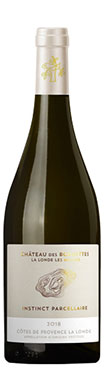
Enticing aromas of smoke and garrigue, black plums, dark chocolate, roasted coffee and sweet spice on the nose. On the palate there's blackberry, plum compote, cassis and blood orange giving juicy fruitiness. Notes of dark chocolate, violets and perfumed incense support the firm but fresh tannins and give a controlled austerity to the exuberance of the powerful, intense and youthful fruit, balanced by long elegant acidity. Delivers exactly what you would expect from a hot coastal red that works unashamedly with its alcohol and ripeness. Big, serious and very confident of itself, this is modern red Provence done right.
2020
Château des BormettesCôtes de Provence
Château Tour St Honoré, Cuvée Sixtine, Côtes de Provence, La Londe, Provence, France, 2020
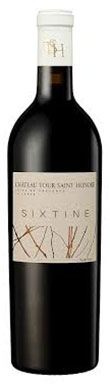
Floral and perfumed Syrah notes meld with exotic spice and hints of incense. This is rich, with ripe blackberries, plums and dark chocolate, making it mouth filling and mouth watering. Silky, opulent, velvet smoothness with fresh wild berries and some salty umami notes. The soft lushness is carried by beautiful use of oak with notes of toast, cacao and roasted coffee. The tannins are firm, powerful and muscular. Despite the high alcohol this wine is surprisingly elegant, with understated acidity, leading to a remarkably restrained mid-palate. Tannins take over on the finish, with plenty more spice.
2020
Château Tour St HonoréCôtes de Provence
Château Tour St Honoré, Cuvee Sixtine, Côtes de Provence, La Londe, Provence, France, 2020
Intense aromas of honeysuckle, beeswax, ginger and apple compote continue on the palate. Rich, waxy and supple, with honeyed apples and sun-ripened peaches lifted by the fresh sharpness of green apples and vibrant lime and pomelo acidity. The intense honeyed ripeness and concentration is almost sweet in its richness with the classic waxiness reminiscent of Hunter Valley Sémillons of a past era. Beautiful structure with a vibrant finish making this a classic Grand Vin.
2020
Château Tour St HonoréCôtes de Provence
Château Pas du Cerf, Instinct Parcellaire, Côtes de Provence, La Londe, Provence, France, 2021
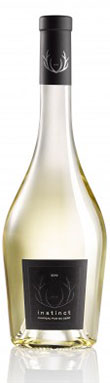
Fresh herbal, fennel and lemon aromas. Pretty, waxy white floral notes and scented Sorrento lemons give immediate prettiness. Fresh grapefruit and gooseberry notes encase the rich creamy fatness and sweet almonds on the mid-palate. Lovely balance of ripeness and full-bodied structure lifted by vibrant, fresh, leafy acidity and finishing with a hint of freshly ground white pepper. Showing all the ripeness of this coastal region and the freshness these two varieties can bring in a hot climate.
2021
Château Pas du CerfCôtes de Provence
Château Angueiroun, Prestige, Côtes de Provence, La Londe, Provence, France, 2021
Tropical fruit and ripe apples with a touch of new oak on the nose developing into sweet white peaches, fragrant pears, juicy melons, tangerines, vibrant tropical fruit and creamy vanilla. Lemon acidity and a gentle maritime salinity lingers on the finish. Spicy, smoky oak is still quite dominant and this wine needs a bit of time to allow the oak to take a back seat. Bold, ripe and intense with lovely concentration aiming at seriousness rather than a light summer white.
2021
Château AngueirounCôtes de Provence
Château Paquette, Themis, Côtes de Provence, Fréjus, Provence, France, 2022
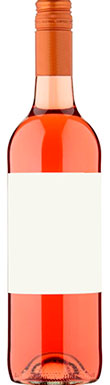
Creamy white fruit aromas give no hint of the intensity to come. The palate shows the typical dried apricot and peach fruit of Tibouren with hints of warm spice from fermentation in barrel. The black fruit and mineral notes of the more powerful Mourvèdre only start to show on the finish, providing invisible structure to the rich fruit. Depending on the vintage, Mourvèdre or Tibouren dominates and this is definitely a Tibouren vintage showing what this variety and Fréjus rosés can achieve.
2022
Château PaquetteCôtes de Provence
Domaine La Fouquette, Pierres de Moulin, Côtes de Provence, Notre-Dame des Anges, Provence, France, 2022
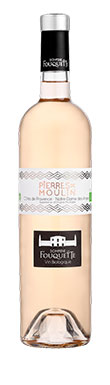
As befits the heart of Provence, this rosé sums up the benchmark style of classic Provence rosé, from its pale salmon pink through its fresh fruit and dry minerality. There are leafy, fruity aromas with a hint of grapefruit freshness. Smooth, silky ripe fruit with hints of raspberries, strawberries and grapefruit acidity. With its zesty youthfulness, this is charming in its simplicity. Impressively low alcohol for a hot summer, and enough ripeness to avoid being lean.
2022
Domaine La FouquetteCôtes de Provence
Marrenon, Triniti, Côtes de Provence, Ste-Victoire, Provence, France, 2022
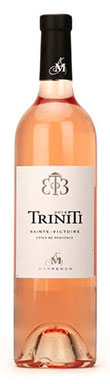
A combination of vineyards planted on limestone soils at 300m altitude and harvested slightly later than many in mid-September results in this very pure expression of Ste Victoire. Abundant ripe white peaches and wild strawberries, fresh and crunchy redcurrants, zesty pink grapefruit and long, clean white citrus acidity with a hint of chalkiness. Vibrant and still very youthful, the ripe weightiness is countered by elegant minerality. A rosé which epitomises the luminosity of Cézanne’s paintings!
2022
MarrenonCôtes de Provence
Château du Rouët, Hermès, Côtes de Provence, Fréjus, Provence, France, 2021
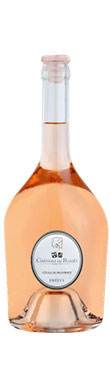
Floral and fresh on the nose, with pretty blueberry fruits. Tibouren is well suited to this terroir with its ripe softness serving as a foil for the more severe mineral character. Tibouren dominates the first impressions with luscious creamy fruit and dried apricots, with subtle floral, pineapple notes emerging on the finish. Hints of bitter orange appear on the finish, showing a grippy phenolic finale and a dark mineral structure with a saline edginess, reflecting the volcanic Fréjus terroir. Full-bodied, intense, ripe and certainly benefitting from an extra year of age.
2021
Château du RouëtCôtes de Provence
