
Canadian rosé: Patriotically pink for Canada Day
What do you get when you mix red and white, the national colours of Canada? Proudly pink! From a tasting of almost 100 still rosé wines across the country, Nicole MacKay picks out 53 of the best to celebrate Canada Day on 1 July.


In recent years, Canada has emerged as a dynamic player in the wine world. First, establishing a global reputation for icewine in the 1980s, progressing to stellar white and red still wines, and most recently traditional-method sparkling wines that sit comfortably alongside international greats.
The country’s wine production is many things: a square-peg-round-hole market, with producers continuously experimenting. Canadian rosé is no exception.
Scroll down for tasting notes and scores of 31 Canadian rosé wines

See notes and scores for all 53 wines from the Canadian rosé tasting
Variety of varieties

Ontario and BC: the different styles

Patriotically pink

Smoke taint and the rosé solution
Ways to make rosé
Canadian rosé: 31 wines to try
Related articles
Benjamin Bridge, Glooscap First Nation Rosé, Nova Scotia, Canada 2021
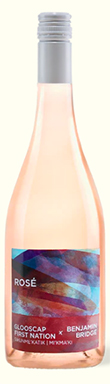

Illustrating the friendship between Nova Scotia’s Benjamin Bridge and Glooscap First Nation, the Ortega, Riesling, Gamay and Pinot Gris grapes come from vineyards along Sikunme’katik...
2021
Benjamin Bridge

1 Mill Road, Pinot Noir Rosé, Okanagan Valley, East Kelowna Slopes, British Columbia, Canada 2022
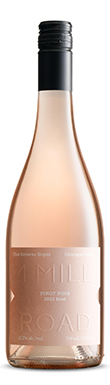
This wine comes from one of Okanagan Valley's newest sub-GI's, East Kelowna Slopes, where mostly stony soils are mixed with gravel and glacial deposits. An...
2022
1 Mill RoadOkanagan Valley
Liquidity, Rosé of Cabernet Franc, Okanagan Valley, British Columbia, Canada 2022
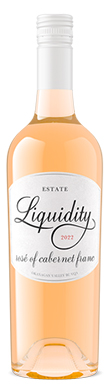
This 100% Cabernet Franc comes from Osoyoos vineyards in the south Okanagan. Small-batch fermented in neutral French oak and stainless steel, this wine is a...
2022
LiquidityOkanagan Valley
Black Hills Estate Winery, Rosé, Okanagan Valley, British Columbia, Canada 2022
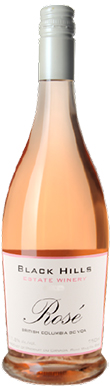
Don't be fooled by this wine's shy aromas: the Syrah-Grenache blend delivers a delightful explosion of flavour-filled character on the palate. Ripe cherry and raspberry...
2022
Black Hills Estate WineryOkanagan Valley
Hidden Bench, Nocturn Rosé, Niagara Peninsula, Ontario, Canada 2021
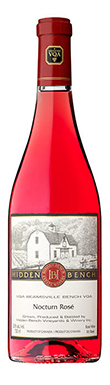
This orange-hued saignée rosé (a blend of Pinot Noir, Merlot, Malbec and Cabernet Franc) shows considerable depth on the nose, with intense aromas of ripe...
2021
Hidden BenchNiagara Peninsula
Lailey Winery, Pinot Noir Rosé, Niagara Peninsula, Niagara River, Ontario, Canada 2021
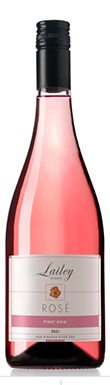
A bright shade of pink with light orange-rimmed hues. A surprising amount of contrasts on the nose, with bold notes of cherry and rhubarb teeter-tottering...
2021
Lailey WineryNiagara Peninsula
Leaning Post, Rosé, Niagara Peninsula, Ontario, Canada 2022
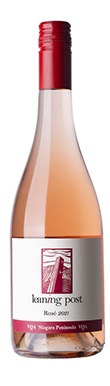
An expressive blend of Gamay, Pinot Noir, Cabernet Franc and 10% Riesling. Vibrant red fruits lead the charge, with a whiff of white pepper and...
2022
Leaning PostNiagara Peninsula
Marynissen Estates, Heritage Collection Pinot Noir Rosé, Niagara Peninsula, Four Mile Creek, Ontario, Canada 2021
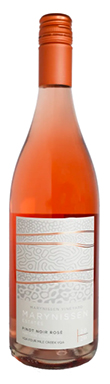
From Niagara Peninsula's largest sub-appellation, Four Mile Creek, this 100% Pinot Noir showcases a rich nose of ripe strawberry and marmalade with soft spices. Five...
2021
Marynissen EstatesNiagara Peninsula
Mission Hill Winery, Border Vista Vineyard Rosé, Okanagan Valley, British Columbia, Canada 2022
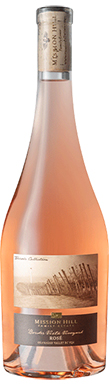
From Osoyoos, the most southern part of Okanagan Valley’s eastern side, this Merlot-Syrah-Cabernet Franc blend shows depth on the nose, with aromas of marmalade, cooked...
2022
Mission Hill WineryOkanagan Valley
Tightrope, Rosé, Okanagan Valley, Naramata Bench, British Columbia, Canada 2022
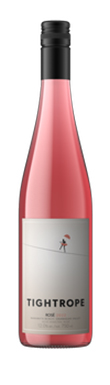
The 4% of Barbera added to the Pinot Noir hits straight away on the nose with aromas of brambly dark fruits with a hint of...
2022
TightropeOkanagan Valley
Winemaker's Cut, Rosé, Okanagan Valley, British Columbia, Canada 2022
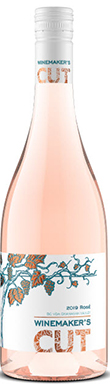
Purity on the nose that isn't too often found, with cranberry, watermelon and white blossom aromas. 100% Cabernet Franc from the estate's organic Deadman Lake...
2022
Winemaker's CutOkanagan Valley
Cave Spring Cellars, Estate Rosé, Niagara Peninsula, Ontario, Canada 2021
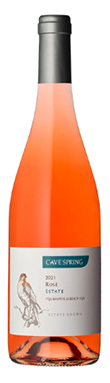
Originating from the estate's Cave Spring Vineyard, nestled on a hillside of the Niagara Escarpment overlooking Lake Ontario, this 100% Cabernet Franc sees eight months...
2021
Cave Spring CellarsNiagara Peninsula
CedarCreek, Platinum Rosé, Okanagan Valley, South Kelowna Slopes, British Columbia, Canada 2022
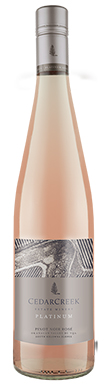
A vibrant hue of salmon pink. This 100% Pinot Noir comes from the winery's Home Block, which sits only meters from the eastern shores of...
2022
CedarCreekOkanagan Valley
Crispino Vineyard, Divergence Pinot Noir Rosé, Niagara Peninsula, Ontario, Canada 2021
A single-vineyard expression, this 100% Pinot Noir offers a pale salmon colour with aromas of wild raspberries, pineapple husk and cherry blossom. On the palate,...
2021
Crispino VineyardNiagara Peninsula
Covert Farms, Rosé, Okanagan Valley, British Columbia, Canada 2022
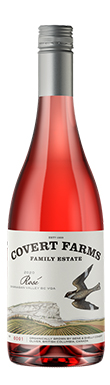
A certified organic blend of estate-grown Merlot, Cabernet Franc, Cabernet Sauvignon and Pinot Noir from this family estate, established in 1959. It is made using...
2022
Covert FarmsOkanagan Valley
Drea's, Rosato, Niagara Peninsula, Ontario, Canada, 2021
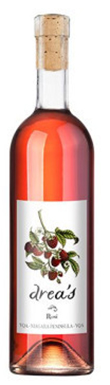
What's believed to be Canada's only Dornfelder rosé boasts a dark ruby colour in the glass – a stark contrast to rosés currently on trend....
2021
Drea'sNiagara Peninsula
Fielding Estate Winery, Estate Gamay Rosé, Niagara Peninsula, Ontario, Canada 2022
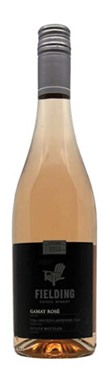
An irresistible bouquet entices the senses, revealing notes of luscious raspberry and refreshing watermelon delicately intertwined with a subtle touch of fragrant potpourri. On the...
2022
Fielding Estate WineryNiagara Peninsula
Lailey Winery, Cabernet Franc Rosé, Niagara Peninsula, Ontario, Canada 2021
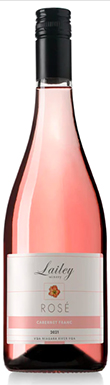
An intriguing nose that crosses aromatic borders, first exuding cooked peaches and grilled grapefruit, then notes of a flinty appeal. Also on the nose, a...
2021
Lailey WineryNiagara Peninsula
Lailey Winery, Estate Blend Rosé, Niagara Peninsula, Ontario, Canada 2021
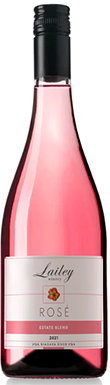
Sun-dried herbs and peppery spice lead the unusual nose, with shy rhubarb and cherry fruit notes in the background. On the palate, they flip, with...
2021
Lailey WineryNiagara Peninsula
Lailey Winery, Reserve Cabernet Sauvignon Rosé, Niagara River, Ontario, Canada 2021
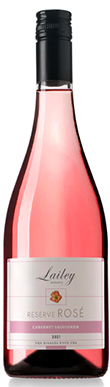
A powerful yet refined nose of raspberry and black cherry with an anchor of minerality and distinctive Cabernet Sauvignon herbal notes. On the palate, the...
2021
Lailey WineryNiagara Peninsula
Liquidity, Rosé of Pinot Noir, Okanagan Valley, British Columbia, Canada 2022
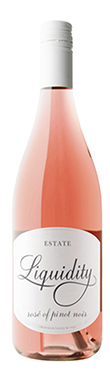
This 100% Pinot Noir expression comes from vineyards in Oliver, where the fruit is grown specifically for rosé. A brilliant hue with aromas of ripe...
2022
LiquidityOkanagan Valley
Painted Rock, Rosé, Okanagan Valley, Skaha Bench, British Columbia, Canada 2022
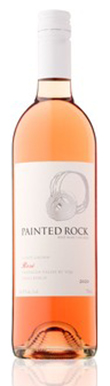
Made from 100% estate-grown organic fruit, this rosé – a blend of Merlot, Malbec and Cabernet Franc with 9% each of Petit Verdot and Cabernet...
2022
Painted RockOkanagan Valley
Peak Cellars, Pink Granite Rosé, Okanagan Valley, Lake Country, British Columbia, Canada 2022
A 100% Pinot Noir rosé from this northerly sub-GI, offering an expressive nose of ripe peach, dried apricot and pink grapefruit soda, with a touch...
2022
Peak CellarsOkanagan Valley
Phantom Creek, Rosé, British Columbia, Canada, 2022
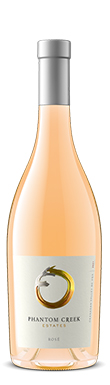
This rosé comes from certified organic estate vineyards in both the Similkameen Valley and Okanagan's Black Sage Bench. A crowd-pleasing freshness on the palate offers...
2022
Phantom Creek
Poplar Grove, Lakeview Rosé, Okanagan Valley, Naramata Bench, British Columbia, Canada 2022
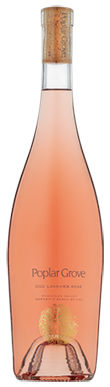
This 100% Malbec reveals notes of wild strawberry and watermelon – both fruit and rind. The palate is dry with zingy acidity delivering flavours edging...
2022
Poplar GroveOkanagan Valley
Roche Wines, Vig Zweigelt Rosé, Okanagan Valley, British Columbia, Canada 2022
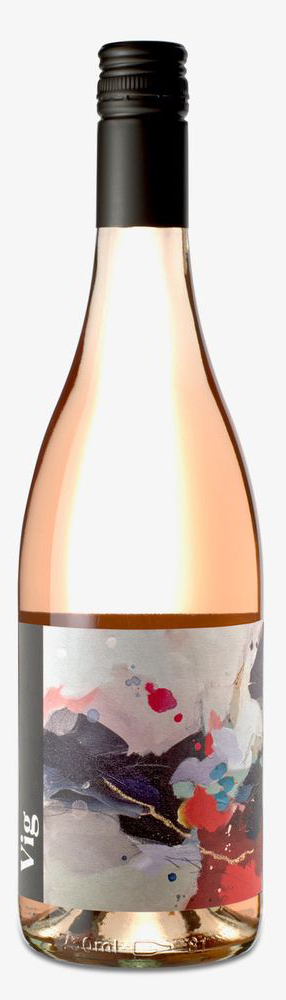
Zweigelt expresses itself well, highlighting raspberry and pomegranate on the nose with a hint of lime zest. On the palate, the racy acidity evolves, first...
2022
Roche WinesOkanagan Valley
Seven Directions, Tractor and Vines Vineyard Pinot Noir Rosé, Okanangan Valley, British Columbia, Canada 2022
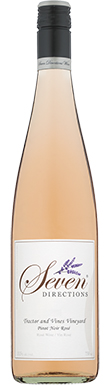
A single-vineyard 100% Pinot Noir rosé with a gorgeous showing of red fruit aromas and a tinge of mandarin. A small portion of French barrel...
2022
Seven DirectionsOkanagan Valley
Three Sisters Winery, Rosé, Okanagan Valley, British Columbia, Canada 2022
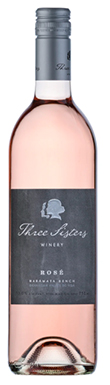
A fresh nose of honeysuckle and strawberry with a tinge of white cherry. The palate is dry with crisp acidity and flavours that slip across...
2022
Three Sisters WineryOkanagan Valley
St Hubertus Vineyards, Pinot Meunier Rosé, Okanagan Valley, South Kelowna Slopes, British Columbia, Canada 2022
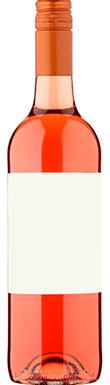
From organically grown Pinot Meunier grapes planted in 1988, this explodes with aromas of strawberry, nectarine and cardamom spice. Fresh strawberry and raspberry flavours with...
2022
St Hubertus VineyardsOkanagan Valley
Tightrope, Slackline Rosé, Okanagan Valley, Naramata Bench, British Columbia, Canada 2022
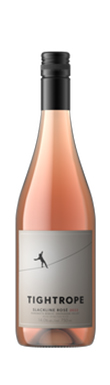
This 100% Cabernet Franc offers a pale hue of watermelon pink with subdued aromas of lemon and grapefruit. Tangy acidity bolsters tart red fruit flavours...
2022
TightropeOkanagan Valley
Time Family of Wines, Chronos Rosé, Okanagan Valley, Canada 2022
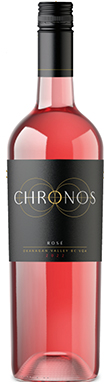
Candy store confection on the nose intermingling with fresh-picked summer strawberry and ripe rhubarb pie. The nose makes no qualms about being a patio-sipping delight,...
2022
Time Family of WinesOkanagan Valley
