Prosecco: Discovering the drier side


In search of greater terroir expression, Prosecco’s finest wines are becoming increasingly dry. Richard Baudains explores the reasons why, and picks his top 10 to try...
There’s a buzz in the Prosecco Superiore hills of Valdobbiadene and Conegliano. A new generation of producers is emerging and the established names in the region are releasing premium, limited-selection bottlings. There is greater sensitivity in the vineyard as producers seek to express a sense of place, and increased diversification in winemaking styles. Quality is stepping up – or perhaps it would be more accurate to say it is being forced up by the need to distinguish Prosecco Superiore DOCG from the commercially rampant Prosecco DOC of the plains. In lockstep with these developments, there has been a significant swing towards drier styles in recent years.
Scroll down for Richard Baudains’ top 10 dry-style Proseccos
Prosecco has three categories, from driest to sweetest: brut (including Extra brut and variously named zero-sugar styles), Extra Dry and Dry. Paolo Bisol of Ruggeri recounts that 40 years ago the most highly prized sparkling wines reserved for special family occasions were sweet. The fruity Extra Dry, on the other hand, was the everyday style that flowed copiously, and still does, in the osterie of the province of Treviso.Until relatively recently, Prosecco brut accounted for only a small part of the total DOCG production, but this is changing in response to evolving tastes and in particular to the demands of international markets. For example, production was once divided 80/20 between Extra Dry and brut at Ruggeri, but the split is now a much drier 50/50; nearly four-fifths of Bisol’s Prosecco Superiore is brut.
But how dry is dry in Prosecco? Sugar levels in a brut range from 0 to 12 grams per litre, although the regulations permit a 2g/l tolerance, so brut may actually reach 14g/l. This gives producers a lot of flexibility and results in styles that range from bone dry and bready to round and fruity. Manuel Codello, a talented young winemaker whose grandfather founded Roccat in 1929, makes an outstanding brut with 6-8g/l, depending on the vintage. ‘A brut with 14 grams of residual sugar doesn’t make much sense,’ he says. ‘but don’t ask me to make a dosage zero; that is too extreme’.
Franco Adami studied the sugar levels for his single-vineyard Col Credas over a long period before launching his 4g/l first cuvée in 2014. The current vintage has 2g/l and that hits the spot. his guiding principle that ‘if a brut doesn’t taste dry, it’s got the right sugar’ underlines the highly relevant point that making a successful brut is not about rules but about the winemaker’s sensitivity. Similarly, Silvano Follador produces a beautifully refined Brut Nature but lets the wine decide: ‘You can’t program the sugar levels, it has to be the wine that tells you “okay, I’m fine like this”.’
Zoning in
There is a wine style in Prosecco that is bone dry by definition: the lightly sparkling, bottle-refermented Frizzante. The DOCG laws allow this style to be labelled in various ways but is commonly referred to as col fondo, meaning with lees. Since the lees are not removed, the wine is slightly cloudy with a tangy biscuit, citrus and saline quality.
The style is back in vogue and many houses create a modern version. One producer, Ca’dei Zago, has made a speciality of col fondo. Brother and sister Cristian and Marika Zago have set aside a lot of their winemaking studies in favour of a return to basics. They sold their press two years ago and now they macerate the grapes, ferment in small cement vats, referment with their own passito and bottle under the spring moon. The result is a refreshing wine, ideal for summer drinking, but even better after a year in bottle. The style has taken on a cult status and other producers specialising in it include Casa Coste Piane and the historic house of Gregoletto.
The emergence of drier wine styles goes hand in hand with an increasing interest in terroir. ‘Brut is the style I love most as it allows the producer to best express the terroir,’ says Adami. This connection with the idea of the site – particularly single crus – makes the emergence of drier Proseccos more intriguing. Some of the best Prosecco is produced in this style.
The identification of individual terroir characters has been a theoretical possibility since the Rive sub-zones were introduced in 2009. Based on administrative boundaries, Rive were initially viewed as an abstract concept rather than a real guide to terroir. This could be changing – the assumption behind Adami’s statement is that Brut wines need to be sourced from specific sites.
Without the residual sugar of the Extra Dry style to flesh out the wine, a good Brut needs structure of its own, which means fully ripe grapes. However, a dry Prosecco also needs freshness, and if a producer seeks grapes with greater maturity, they risk losing the fragile acidity of the native Glera grape.
As a result, the best drier styles originate from top sites, sometimes on more calcareous soils and at higher elevations with greater day-night temperature variations.
Top-level Brut
Among the key Rive, Santo Stefano – home to producers including Bortolotti, Le Colture and Mionetto – and San Pietro di Barbozza – Bortolomiol, Collalto, Roccat – stand out for their refined aromas and firm elegance. In a radical break from tradition, Brut wines are also starting to appear from Cartizze, which was held in such high regard when production norms were first laid down in 1971 that it was granted its own DOC, and has since been elevated to DOCG status.
Sitting in a natural amphitheatre facing southeast, a high proportion of old vines stand in the calcareous clay and sandy soils of Cartizze. Its superior-quality fruit commanded a premium long before Cartizze gained official recognition. The wines have long been Dry in the legal sense, with 17-32g/l residual sugar, but Villa Sandi was perhaps the first to break ranks with its genuinely dry, perfumed and richly textured Vigna La Rivetta Brut. Silvano Follador has followed suit with his Cartizze- sourced Metodo Classico Brut Nature, while Bisol and Garbara make non-dosage Cartizze wines and, in 2018, Ruggeri launched its first edition of a Cartizze Brut.
Essential balance
Is Brut the way forward? The market seems to be saying yes. Drier Superiore styles are changing perceptions, aligning the category with the major sparkling wines of the world and giving it a more sophisticated image and greater appeal. Whether drier styles will become the de facto Prosecco style in volume terms is another issue. There are natural limitations on the size of Brut production, as it demands the best grapes from the best sites, often resulting in the finest wines.
Successful Prosecco Superiore Brut is raising the bar, but it is not always the best expression of its place. Poorly made examples can be, to borrow from Hobbes, ‘nasty, brutish and short’, with an underripe green character. There is also a question of typicity: dry styles imply long lees ageing, and there has to be a query over whether the bready aromas of long lees contact have a place in Prosecco – or whether they depart too far from its classic, delicately aromatic character. Follador’s view is that ‘the grape is more important than the method’ and he has reduced ageing for his Metodo Classico to seven months in order to avoid covering Glera’s distinctive floral aromas with yeast characters derived from autolysis.
Whatever the technical nuances, the fundamental issue is distinguishing between quality and style. It is hard to say that a dry wine is intrinsically superior to a semi-sweet or sweet one. Balance is key: the magic harmony between aroma, sugars, body and perlage of a top-drawer Prosecco Superiore can be found in all three styles.
The increase in the number of Brut styles adds a new dimension to the DOCG, offering diversity and insights into the terroir. It also opens the door to a new category of mature Proseccos that have spent two or three years on lees before release – a direction in which Extra Dry and Dry styles by their nature cannot follow. However, it would be a shame to neglect the time-honoured classics. Perhaps it is just nostalgia, but I would always find a place in my top five Proseccos for non-Brut styles, from Adami’s joyfully succulent Giardino Dry to Ruggeri’s refined Giustino B Extra Dry.
See Richard Baudains’ top 10 dry-style Proseccos
You may also likeBest Champagnes of 2018 tasted by our expertsDiscover Sicily: 20 great buysGreat wineries to visit in 2019: Travel inspirationDecanter Best Buy wines for under £15 / $20 – 2018
Silvano Follador, Metodo Classico, Brut Nature, Prosecco, Valdobbiadene Superiore di Cartizze, Veneto, Italy, 2016
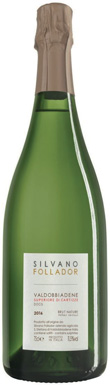

Complex and inviting on the nose: spring flowers, white peach, a hint of crème fraîche and bread crust. Crisply elegant, long, light but beautifully balanced. Pristine lime and lemon finish. Pure class.
2016
Silvano FolladorProsecco

Bortolomiol, Grande Cuvée del Fondatore, Motus Vitae, Superiore Brut Nature, Prosecco, Veneto, Italy, 2016
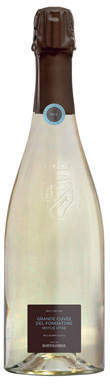
Understated but enticingly fresh; orange blossom, rose petal, acacia. Light and airy but deep and long – concentrated fruit and touches of almonds and honey. Zippy finish.
2016
BortolomiolProsecco
Frozza, Rive di Colbertaldo, Superiore Brut, Prosecco, Veneto, Italy, 2017
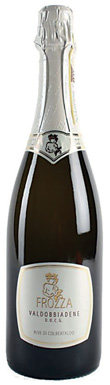
Fresh, delicate but complex nose with jasmine, apricot, wild herbs and hints of sweet biscuit. Super-fine texture and a finish of lemon and almond. Absolutely classic.
2017
FrozzaProsecco
Roccat, Rive di San Pietro di Barbozza, Superiore Brut, Prosecco, Veneto, Italy, 2016
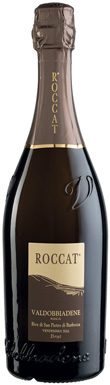
Super-fine, persistent mousse. White spring blossom and herbs on the nose with a hint of saltiness. Depth of flavour on the palate, crisp with a concentrated finish. Serious stuff.
2016
RoccatProsecco
Ruggeri, Cartizze, Prosecco, Valdobbiadene Superiore di Cartizze, Veneto, Italy
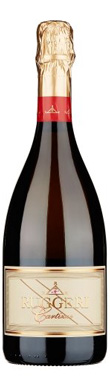
Ripe fruit on the nose with a touch of wild thyme. Round, rich; creamy; peach, baked pear, marzipan. Lots of substance on the finish. A very promising debut release.
RuggeriProsecco
Adami, Col Credas, Rive di Farra di Soligo, Superiore Brut, Prosecco, Veneto, Italy, 2017
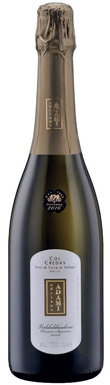
Breadcrumbs and dried fruit on the nose. Very fine, delicate texture. Crisp green apple and almonds; long and savoury, dry without harshness. A benchmark terroir wine.
2017
AdamiProsecco
Tenuta degli Ultimi, Biancariva, Rive di Collalto, Prosecco, Conegliano-Valdobbiadene Superiore, Veneto, Italy, 2016
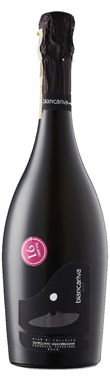
Very ripe, baked fruit nose. Delicate perlage but big, soft rich grapey palate with lots going on. Has depth and substance and perhaps more personality than precision, but the terroir beams through.
2016
Tenuta degli UltimiProsecco
Bisol, Relio, Rive di Guia, Superiore Brut, Prosecco, Veneto, Italy, 2017
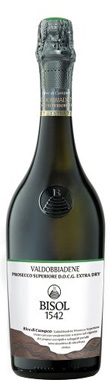
Slightly yeasty opening on the nose, followed by iris, pear and almonds. Round and full on the mid-palate, intense and tangy, squeaky clean finish. A new release from a very interesting Rive.
2017
BisolProsecco
Masottina, Contrada Granda, Le Rive di Ogliano, Prosecco, Conegliano-Valdobbiadene Superiore, Veneto, Italy, 2017
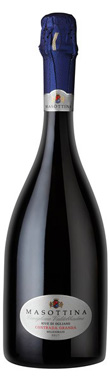
Floral-herby nose, touch of beeswax and a slightly smoky nuance. Dynamic palate, concentrated citrus, dried apricot and a firm acid spine. Bone-dry finish, saline freshness.
2017
MasottinaProsecco
Sorelle Bronca, Particella 232, Brut Nature, Prosecco, Veneto, Italy
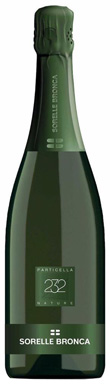
Super-fine mousse. Perfumed, floral nose, with violets and wild herbs. Citrus attack rounding out with ripe stone fruit. Firm, with a long salty line and almondy finish.
Sorelle BroncaProsecco
