
Duckhorn Portfolio: the billion-dollar empire
In 1976 no one could have foreseen how internationally recognisable the lithograph label of a mallard duck would become. Jonathan Cristaldi looks at how California’s Duckhorn Vineyards grew from a humble family property into a publicly listed company, spanning eight wineries and 160 wines.

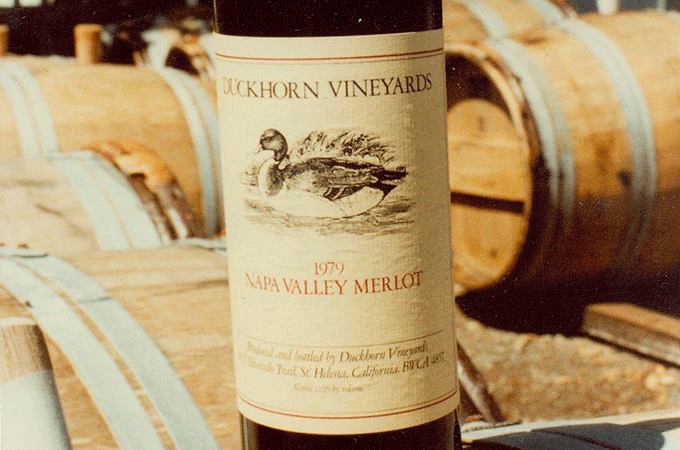
In 45 years, Duckhorn Vineyards has grown from a small 1,600-case, one-label, family-owned winery to a formidable industry stalwart, with a portfolio of more than 160 wines valued at billions of dollars.
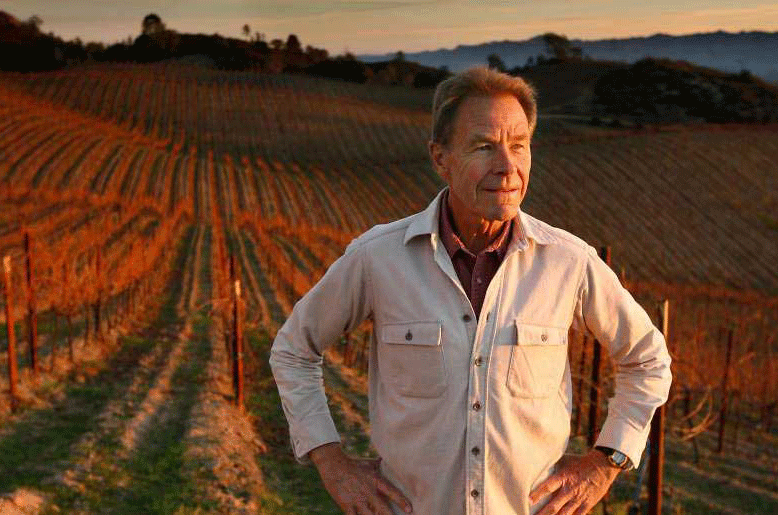
Dan and Margaret Duckhorn established their company in 1976, in a small makeshift winery in St Helena, California. Today the company’s assets, which fall under the Duckhorn Portfolio, encompass eight wineries across two states and 22 estate-owned vineyards.
Scroll down for tasting notes and scores of 24 wines across the eight wineries in the Duckhorn Portfolio
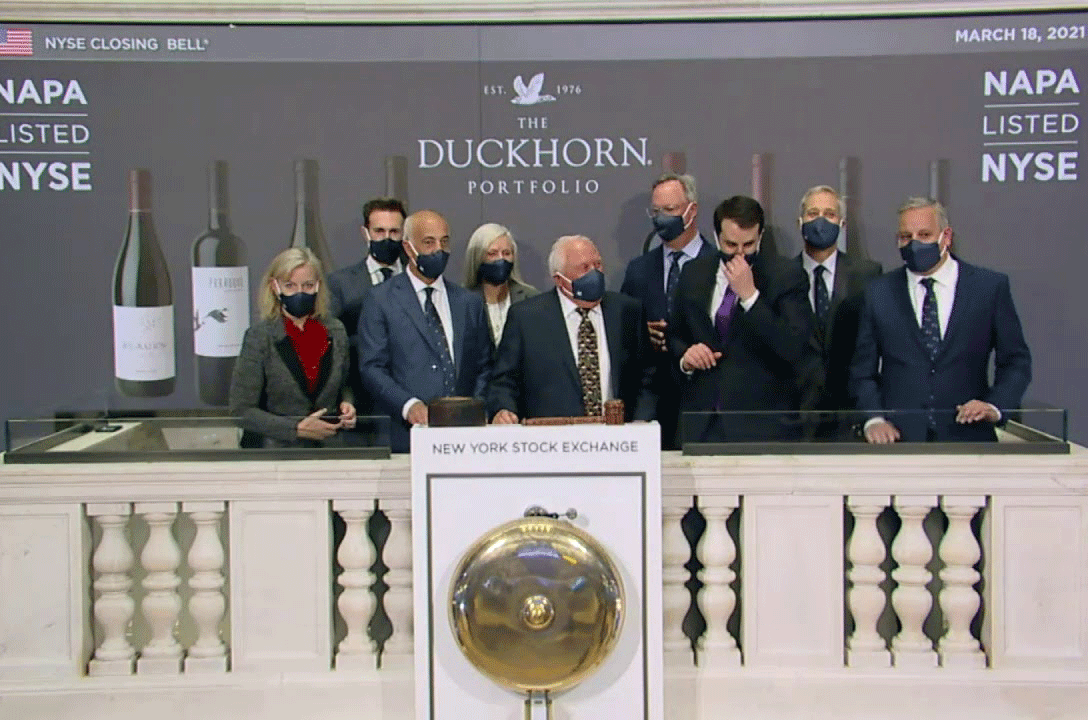
In March 2021, the Duckhorn Portfolio made a successful debut on the New York Stock Exchange (ticker symbol: NAPA). The company offered 20 million shares at an initial asking price of $15 a share. As of writing, NAPA stock is trading at about $22 a share and the company is valued at $2.35 billion (£1.73bn).
Net sales for the third quarter of 2021 were reported at $90.4 million – an increase of $21.7 million (up 31.6%) from the same period in 2020. Duckhorn’s gross profit was $46.9 million, a 29.1% increase over the previous year.
‘It was incredibly gratifying to stand on the world stage at the NYSE,’ says Duckhorn CEO Alex Ryan. ‘It was something I never imagined in my wildest dreams, especially since I started working at Duckhorn in high school when Dan paid me $5 an hour to remove rocks from the vineyard.
‘He was so impressed with my rock removal that he hired me the day after my college graduation and I’ve been here ever since!’
Living the dream
Though Dan, now 83, and Margaret, 82, divorced in 2000, they both remained involved in all operations until five years ago when Margaret, who still lives in St Helena, retired. Dan lives in Napa with his wife Nancy, and retired from his board of directors seat in 2020.
Two of their three children have dabbled in wine. Kellie, 57, is general manager at Baldacci Family Vineyards, while David, 54, is CFO at Nadalie USA. Both worked for Duckhorn for several years in leadership roles before moving on.
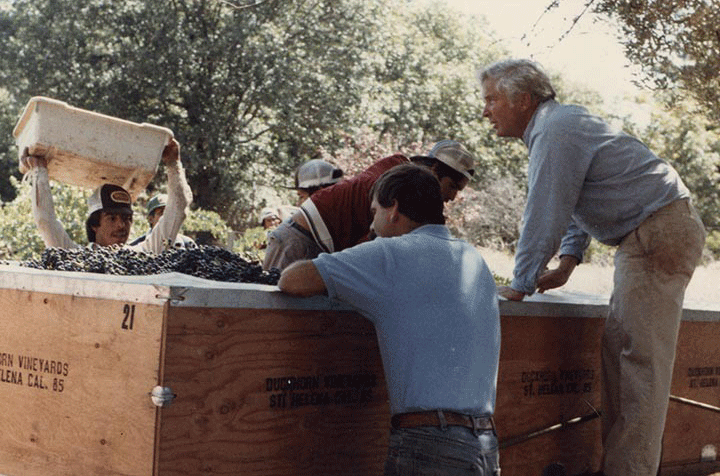
Duckhorn’s inception is linked to the American wine awakening of the 1970s – when the country was recovering from ‘a prohibition apocalypse’, says Neil Bernardi, vice-president and general manager for Kosta Browne, Canvasback and Goldeneye.
In the same year as the providential 1976 Judgement of Paris tasting, Dan and Margaret Duckhorn founded their winery. ‘They’re in that moment,’ says Bernardi. ‘One of the first 40 wineries in Napa Valley post-Prohibition.’
What has kept them relevant through the decades – as with so many other successful California wine brands – is the ‘desire to keep innovating and satisfy that next generation of luxury consumers,’ explains Duckhorn Portfolio executive vice-president Carol C Reber. But what sets Duckhorn apart, she adds, is the ‘investment and dedication to incredible winemaking, not compromising, and running an incredible business by putting people first’.
The early years
In the early 1970s, Dan Duckhorn was working in San Francisco for Crocker Associates, the venture-capital arm of Crocker Citizens National Bank. The bank invested in a Napa Valley nursery project under a company called Vineyard Consulting Corp.
Over five years, the nursery expanded, producing 1.5 million grafted vines, so Dan and Margaret moved nearby to help oversee operations. In 1973 they bought a house on Meadowood Lane in St Helena, when the nursery operation was also managing 607ha of vineyards.
But in 1975, the demand for plant material began to wane in Napa, and clients began farming their own vines. So Dan brokered a deal with Crocker to buy the nursery, which included 4ha of property on Lodi Lane, greenhouses and equipment. It was the first chapter in the Duckhorn Vineyards story.
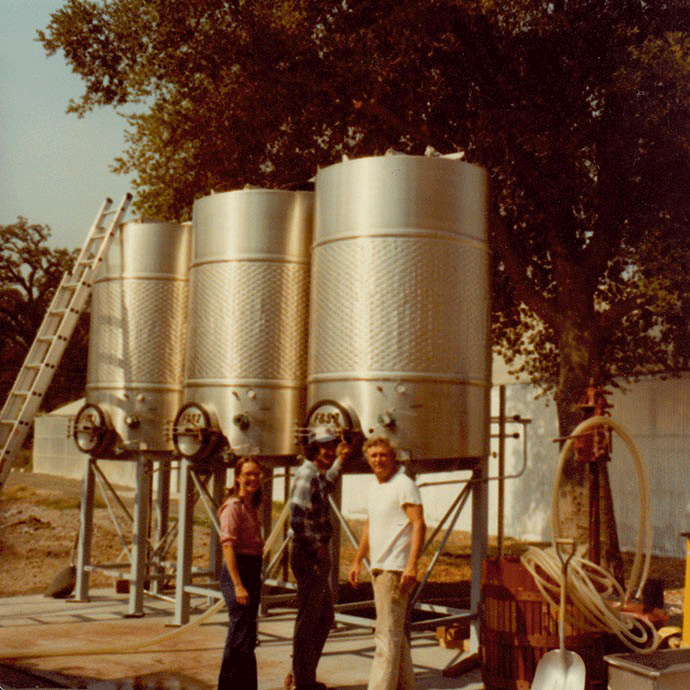
In 1976 Dan and Margaret formed the St Helena Wine Co and chose Duckhorn Vineyards as their trading name. They raised enough capital – initially with five investor friends – to purchase grapes, focusing on Merlot and Cabernet Sauvignon.
Dan had become friendly with Ric Forman, who was then employed by Sterling Vineyards. He was among the first in Napa Valley to produce varietally labeled Merlot. In 1978, Forman offered Dan a few rows of excess Merlot from the Three Palms vineyard. And so started Duckhorn’s famous connection with that grape and vineyard.
That year, they also bought Cabernet Sauvignon grapes from Howell Mountain and from Steltzner vineyard in the Stags Leap District. And they hired Tom Rinaldi, who had made wine at Freemark Abbey and Franciscan. Duckhorn’s first commercial releases, in 1980, were 800 cases of Merlot and 800 cases of Cabernet from the 1978 vintage.
Building the brand
It was a modest start. But in need of a steady paycheck, Dan took a job working for the general council at Heublein (which then owned Beaulieu Vineyards held a majority stake in United Vintners, owners of Inglenook). He spent most of the time travelling, so Margaret, a nurse, juggled her time raising their three children while also working for the local school and the Department of Health and helping Rinaldi sort grapes and clean out bins during early harvests.
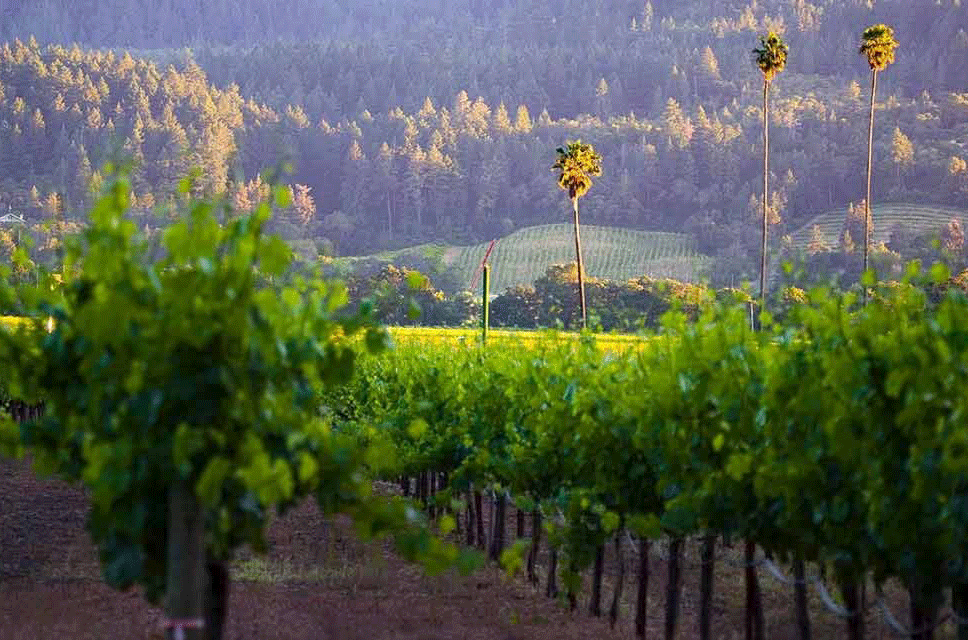
By 1980 Dan came home to focus on his family’s winery. The Duckhorn range needed a white to balance the Merlot and Cabernet, so in 1982 they launched a Sauvignon Blanc. Today, as then, the iconic label is a lithograph of a mallard duck.
Throughout the 1980s and ’90s, as the Duckhorn range expanded and new wines came into the fold, they bought property. Then, in 2001, they opened the doors on their estate house. The veranda became a favourite local hangout, and to this day the house sees a steady influx of guests sampling wines produced by Renée Ary, the fourth winemaker in Duckhorn’s history, who assumed the reins in 2014.
Duckhorn Vineyards
Founded 1976
Located 1000 Lodi Ln, St Helena, California 94574
Winemakers 1978-1998 Tom Rinaldi; 1998-2007 Mark Beringer; 2007-2014 Bill Nancarrow; 2014-present Renée Ary
The range today includes a lineup of Bordeaux varietal-based wines, from a crisp, steely Sauvignon Blanc ($15) to the Three Palms Merlot ($110) and flagship red The Discussion ($155).
Decoy & Goldeneye
The Duckhorns had taken cues from Bordeaux’s first growth properties from the beginning. And by 1985, with a Semillon, they launched a second label called Decoy – with an equally recognisable duck label. It gave them the ‘flexibility to guarantee quality and consistency year in and year out’, explains Bernardi.
In addition to being the more affordable label aimed at younger wine lovers, Decoy became a repository for ideas and one-offs. For instance, the Decoy Pinot Noir Finale was a blended bottling of the last two vintages of Pinot Noir from Three Palms vineyard (after the Pinot grapes had been torn up and re-grafted to Merlot and Cabernet Franc.)
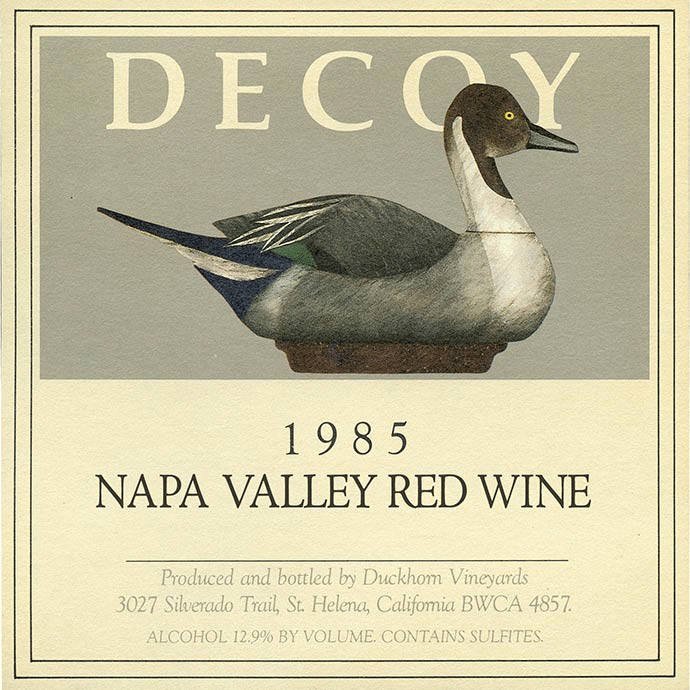
Today, the Decoy range includes a traditional-method sparkling wine as well as an array of red and white wines from Burgundian, Bordeaux, Italian and Spanish varieties, with prices capped at $30.
By 1990, the Duckhorns entered the Anderson Valley Pinot Noir scene with their Goldeneye label. The spark for the venture may have been ignited over a dinner when Burt Williams and Ed Selyem (of noted Pinot Noir producer Williams Selyem) brought samples for Dan and Margaret.
It was the style of Anderson Valley Pinot Noir that really spoke to the Duckhorns, says Bernardi – ‘the intensity, the richness, the complexity of the earthy characteristics‘. And land was still on the affordable side.
Decoy
Founded 1985
Located 1000 Lodi Ln, St Helena, California 94574
Winemakers 1985-2010 Tom Rinaldi, Mark Beringer, Bill Nancarrow; 2011-2014 Don LaBorde; 2014-2016 Dana Epperson; 2016-2020 Tyson Wolf; 2020-present Dana Epperson
Goldeneye
Founded 1996
Located 9200 CA-128, Philo, California 95466
Winemakers 1996-2002 Bruce Regalia; 2003-2012 Zach Rasmuson; 2012-2016 Michael Fay; 2016-2018 Michael Accurso; 2018-2021 Katey Larwood; 2021-present Kristen McMahan
‘There was a major focus on trying to buy blue-chip vineyards from the outset,’ Reber notes. Indeed, Goldeneye today benefits from six estate-owned vineyards including Narrows, Gowan Creek, Cerise and Confluence in the Anderson Valley, as well as Keefer and Running Creek in Sonoma’s Russian River Valley.
The Goldeneye range (whose label boasts an image of the distinctive black and white duck) includes a sparkling, a Pinot Gris and single-vineyard Gewürztraminer, and powerful single-vineyard and blended Pinot Noirs, including the flagship Ten Degrees, a blend of each year’s finest lots.
Paraduxx & Migration
In 1994 the Duckhorns decided to focus on blended wines and launched Paraduxx (pair of ducks/paradox) to ‘show a different side of Napa Valley’, says Bernardi. It was in direct response to the growing excitement over the new SuperTuscan craze. If the Italians were going to blend Sangiovese with Cabernet and Merlot, the Duckhorns offer their own rendition. The first Paraduxx blend combined Zinfandel, California’s original premier grape, with Cabernet, the variety that dethroned it.
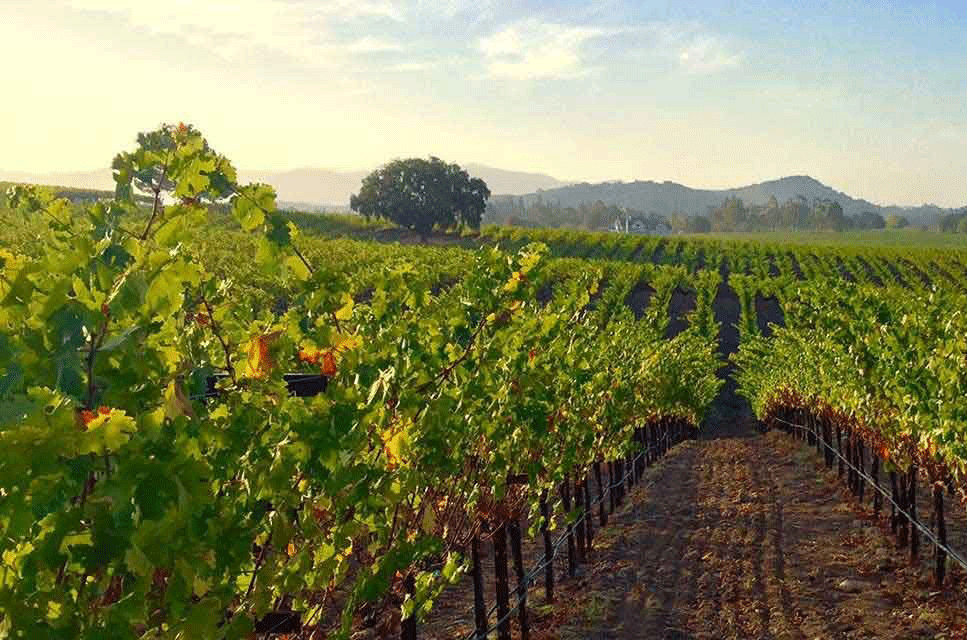
Anthony Biagi (then a rising star, now an acclaimed consultant winemaker) was hired in 1995 to guide the Paraduxx style. Four winemakers later and Cardiff Scott-Robinson is in charge. The portfolio includes a Napa Valley white blend and rosé, and a host of vineyard-designate blends from the likes of Candlestick Ridge in Howell Mountain, Cork Tree Estate in Oak Knoll and Rector Creek in Yountville, as well as appellation-designated blends from Atlas Peak and Howell Mountain, among others.
After the launch of Paraduxx, the Duckhorns began ramping up production of Burgundian varieties. In 2001, they introduced Migration, which at the outset was based in Anderson Valley along with Goldeneye. But by 2008 ‘we migrated south because the siren call of Sonoma Coast and Russian River was too great to ignore’, explains Bernardi, who was making the wines at the time, helping to release Duckhorn’s first Chardonnay.
Paraduxx
Founded 1994
Located 7257 Silverado Trail, Napa, California 94558
Winemakers 1994-1998 Tom Rinaldi, Mark Beringer, Tony Biagi; 1998-2003 Tony Biagi; 2003-2007 Bill Nancarrow; 2007-2009 David Galzignato; 2009-2014 David Marchesi; 2014-2019 Don LaBorde; 2019-present Cardiff Scott-Robinson
Migration
Founded 2001
Located 1451 Stanly Ln, Napa, California 94559
Winemakers 2001-2002 Bruce Regalia, 2003-2008 Zach Rasmuson; 2009-2014 Neil Bernardi; 2014-2017 Bo Felton; 2017-present Dana Epperson
For years, the company had focused on Pinots with intense flavours and deep tannin structures. But venturing into the Russian River meant they could show a softer, more velvety side of Pinot, as well as Chardonnay. Today, the Migration range includes laser-like Chardonnay from the Charles Heintz vineyard in the Sonoma Coast, rich Pinots from Dutton Ranch in Russian River and mineral expressions from Bien Nacido in Santa Maria Valley.
Canvasback & Three Palms vineyard
In 2007, GI Partners, a private-equity firm based in California and London, took a controlling interest in Duckhorn Wine Co, effectively helping buy out the first set of investors in Dan and Margaret’s now-realised dream.
With GI’s backing, the Duckhorns forged new territory with Canvasback (another native duck), crossing into Washington State in 2011, fuelled by ‘curiosity for new and amazing places that have the capacity to make great wine,’ says Bernardi.
Canvasback
Founded 2012
Located 1825 JB George Rd, Walla Walla, Washington 99362
Winemakers 2012-2014 Bill Nancarrow; 2014-present Brian Rudin
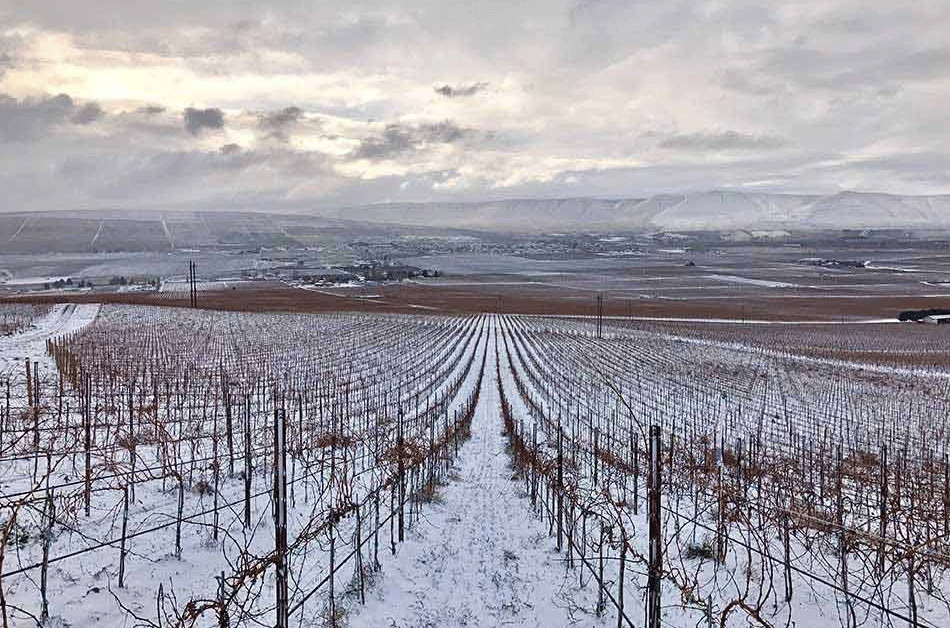
Assisted by Washington wine icon Dick Boushey, ‘we planted an 8ha estate vineyard next to Antinori’s Col Solare winery, right at the top of Red Mountain – the vineyard is on its seventh leaf now. We opened a winery in Walla Walla Valley, and we’re making some cool wines from the Walla Walla and Milton-Freewater appellations,’ he added.
A tasting room opened in Walla Walla in 2019, and visitors can try mineral-rich Cabernet from Red Mountain’s prized Ciel du Cheval vineyard, but also high-elevation Riesling from Frenchman Hills and Syrah from the Rocks District, whose unique terroir is similar to that found in Châteauneuf-du-Pape.
But perhaps the greatest moment for Dan and Margaret Duckhorn and their company came in 2015. A decades-long pursuit finally culminated in the purchase of the Three Palms vineyard, source of their iconic Merlot. The wine has received top honours from critics worldwide and cemented Duckhorn’s status as a maker of world-class wines.
In a 1996 oral history for the Bancroft Library at UC Berkeley, Dan Duckhorn acknowledged that ‘all great properties in the world are estate-oriented, at some level’. Oblivious to the future, he asserted that his Duckhorn winery would never be fully estate-focused, ‘because we’ll never own Three Palms’.
Calera & Kosta Browne
In 2016, TSG Consumer Partners acquired Duckhorn Wine Co from GI Partners. Alex Ryan, serving as president and CEO, was integral to the deal.
Meanwhile, the Duckhorn Wine Co, bolstered by TSG’s multi-billion dollar investment, acquired two premium Burgundy-centric California wineries, Calera and Kosta Browne, in 2017 and 2018, respectively.
Reflecting on the Calera label and founder Josh Jensen, Bernardi explains: ’Jensen didn’t have the resources to put the Calera wines in front of as many people as he could have’. Duckhorn’s robust distribution means ‘the wider sommelier community is now embracing these wines, which is incredible’.
On the flip side, Kosta Browne already had cult status, with most wines sold direct to consumers and a long wait to get on the mailing list. ‘We are honoured to be stewards of this pre-eminent Pinot Noir house,’ says Bernardi. Prior to the pandemic, Kosta Browne initiated a series of events called Pinot Talks, which featured panels of Master Sommeliers and Masters of Wine among others debating global styles of Pinot and where future trends are heading.
Calera
Founded 1974
Located 11300 Cienega Rd, Hollister, California 95023
Winemakers 1975-1979 Josh Jensen; 1979-1992 Steve Doerner; 1992-1996 Sara Steiner; 1997-1999 Belinda Gould; 2000-2003 Terry Colton; 2003-2005 Corneliu Dane; 2006-2007 Josh Jensen; 2007-present Mike Waller
Kosta Browne
Founded 1997
Located 200 Morris St, Sebastopol, California 95472
Winemakers 1997-2015 Michael Browne; 2015-2019 Nico Cueva; 2019-present Julien Howsepian
If history holds any indication of how the future will play out, Duckhorn’s public investors should be prepared for the long haul. The first Duckhorn wines appeared in the market in 1980, but the Estate House in St Helena only opened 20 years later. Migration, which launched in 2001, only began welcoming guests post pandemic. It’s the same story for Goldeneye and Paraduxx.
Whoever thinks you can’t have a waterfall without water hasn’t looked at the world through Duckhorn’s eyes.
Duckhorn Portfolio: 24 wines across the eight wineries
Related content
California family farming: succession and progression
Jordan Vineyard & Winery: producer profile
Paso Robles: California’s quintessential yet eclectic wine region
Expert’s choice: Sonoma Chardonnay
Goldeneye, Brut Rosé, Mendocino County, Anderson Valley, California, USA, 2017
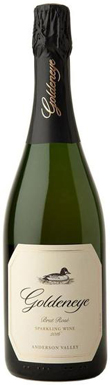

Only the free-run juice of 60% Pinot Noir and 40% Chardonnay grapes went into this deeply flavoured fizz. Fermentation and eight months' ageing was done...
2017
GoldeneyeMendocino County

Kosta Browne, El Diablo Vineyard Chardonnay, Sonoma County, Russian River Valley, California, USA, 2018
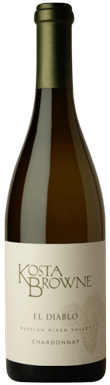
Ultra classy California Chardonnay with subtle reductive qualities, leading with a flinty, smoky note accented by orchard fruit, lime zest, honey and white flowers. Intensely...
2018
Kosta BrowneSonoma County
Calera, Chardonnay, San Benito County, Mount Harlan, California, USA, 2018
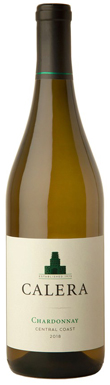
At 670m, Calera’s limestone-rich vineyards in the Gavilan Mountain range of the Mount Harlan AVA sits 40km from Monterey Bay – perfect conditions for growing...
2018
CaleraSan Benito County
Canvasback, Riesling, Columbia Valley, Washington, USA, 2019
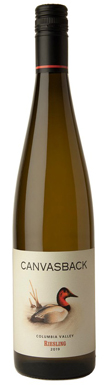
Sourced from the Lawrence and Frenchman Hills vineyards in the Royal Slope AVA, the latter being the state's highest-elevation vineyard at 518m. Salted lime peel,...
2019
CanvasbackColumbia Valley
Migration, Bien Nacido Vineyards Chardonnay, Santa Barbara County, Santa Maria Valley, California, USA, 2019
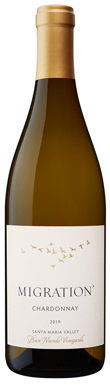
Bien Nacido, planted in 1973, is one of the finest vineyards on California’s Central Coast. For this cuvée, some fruit was taken from the original...
2019
MigrationSanta Barbara County
Migration, Chardonnay, Sonoma Coast, California, USA, 2019
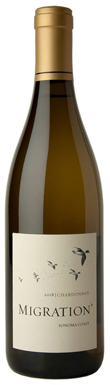
Quintessentially Californian, showing a riper side of Chardonnay sourced from Russian River and Green Valley, 100% barrel fermented and aged in 35% new French oak....
2019
MigrationSonoma Coast
Kosta Browne, Gap's Crown Vineyard Pinot Noir, Sonoma Coast, California, USA, 2018
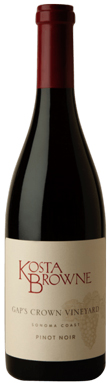
A hedonistic Pinot, boasting a racy nose of deep, dark wild berries, espresso, rose petals, white pepper and elegant cedar oak. Satiny layers of juicy...
2018
Kosta BrowneSonoma Coast
Duckhorn Vineyards, Three Palms Vineyard Merlot, Napa Valley, California, USA, 2018
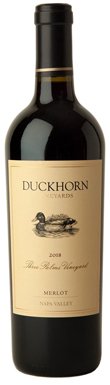
Opened for 45 minutes before tasting. From the iconic Three Palms Vineyard, which delivers structured, elegant and long-lived Merlot. This vintage has 89%, plus 7%...
2018
Duckhorn VineyardsNapa Valley
Calera, Jensen Vineyard Pinot Noir, San Benito County, Mount Harlan, California, USA, 2018
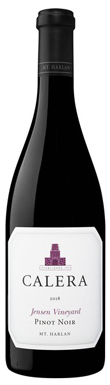
Harvested at a minuscule yields from a vineyard planted in 1975, then aged 17 months in one-third new French oak. With a bit of aeration...
2018
CaleraSan Benito County
Duckhorn Vineyards, The Discussion, Napa Valley, California, USA, 2017
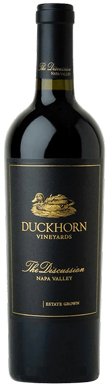
This wine pays homage to the first passionate debate between Dan and Margaret Duckhorn and their first winemaker, Tom Rinaldi, which set out the future...
2017
Duckhorn VineyardsNapa Valley
Goldeneye, Ten Degrees Pinot Noir, Mendocino County, Anderson Valley, California, USA, 2018
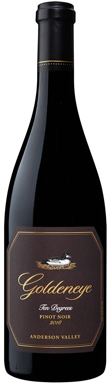
Crafted from the best small lots of each vintage, fruit for this release is from the Confluence, Gowan Creek and Narrows vineyards, aged in 70%...
2018
GoldeneyeMendocino County
Kosta Browne, Treehouse Vineyard Pinot Noir, Sonoma County, Russian River Valley, California, USA, 2018
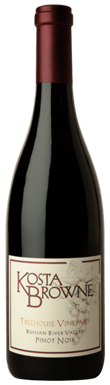
A show-stopping Pinot Noir from Nico Cueva, fermented in concrete, oak and stainless steel, including 6% whole-cluster fruit, then aged in separate lots for 16...
2018
Kosta BrowneSonoma County
Calera, Selleck Vineyard Pinot Noir, San Benito County, Mount Harlan, California, USA, 2018
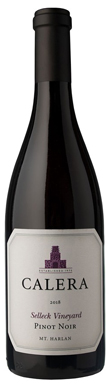
Vines planted in 1975 on decomposed granite and limestone provide tiny berries with thick skins, which leads to immense power and deep flavours, especially in...
2018
CaleraSan Benito County
Canvasback, Ciel du Cheval Cabernet Sauvignon, Red Mountain, Washington, USA, 2018
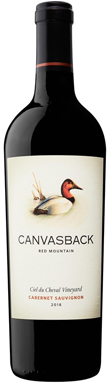
A barrel selection of the top lots from this noted single vineyard, planted in 1975. The blend of 78% Cabernet Sauvignon, 20% Merlot and 2%...
2018
CanvasbackRed Mountain
Duckhorn Vineyards, Cabernet Sauvignon, Napa Valley, California, USA, 2018
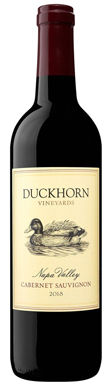
Leading with 83% Cabernet Sauvignon and 16% Merlot, sourced from Rutherford, Oak Knoll, Napa Valley, Calistoga and Oakville, then aged 16 months in 50% new...
2018
Duckhorn VineyardsNapa Valley
Paraduxx, Red, Napa Valley, Atlas Peak, California, USA, 2018
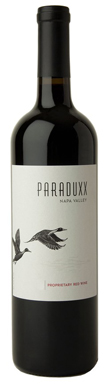
56% Sangiovese and 44% Cabernet Sauvignon, aged 18 months in 60% new French oak. Rich, powerful and overt aromas of black cherry, red liquorice and...
2018
ParaduxxNapa Valley
Duckhorn Vineyards, Merlot, Napa Valley, California, USA, 2006
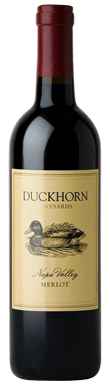
Considering 2006 was a difficult year in northern California – a cool, rainy season punctuated by mid-summer heat spikes – this vintage was a standout...
2006
Duckhorn VineyardsNapa Valley
Goldeneye, Confluence Vineyard Pinot Noir, Mendocino County, Anderson Valley, California, USA, 2018
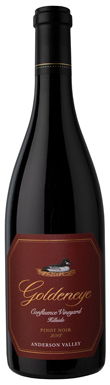
A sleeping giant. Subtle redcurrant and cranberry aromas mingle with smoky clove and cedar oak. The featherweight palate shows more cranberry, saddle leather and tangy...
2018
GoldeneyeMendocino County
Paraduxx, Proprietary Red, Napa Valley, California, USA, 2018
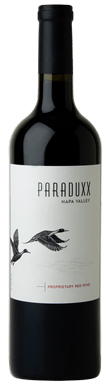
A blend of 60% Cabernet Sauvignon, 11% Zinfandel, 10% Petit Verdot, 6% Petite Sirah, 6% Syrah, 4% Cabernet Franc and 3% Malbec from winemaker Don...
2018
ParaduxxNapa Valley
Decoy, Limited Pinot Noir, Sonoma Coast, California, USA, 2019
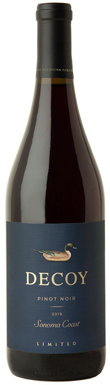
Dan and Margaret Duckhorn established Decoy as a second label in 1985. This vintage, from winemaker Tyson Wolf, is sourced from Green Valley, Russian River...
2019
DecoySonoma Coast
Canvasback, Cabernet Sauvignon, Red Mountain, Washington, USA, 2018
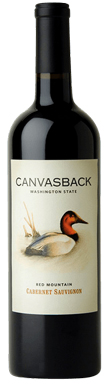
Red Mountain is prime Cabernet Sauvignon terroir, here supported by 10% Merlot, 3% Petit Verdot, 2% Syrah and 1% Malbec, aged 20 months in 40%...
2018
CanvasbackRed Mountain
Migration, Running Creek Vineyard Pinot Noir, Sonoma County, Russian River Valley, California, USA, 2019
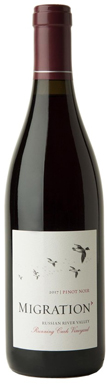
Fruit from this 36ha vineyard off River Road in the heart of Russian River Valley is planted to Clones 777, 667 and Pommard, and the...
2019
MigrationSonoma County
Paraduxx, Rector Creek Vineyard Block 4, Napa Valley, California, USA, 2018
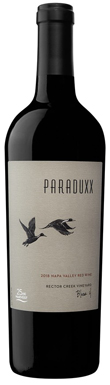
A unlikely blend of 75% Petit Verdot and 25% Zinfandel, aged 18 months in 60% new French oak. Brambly red berries, anise and savoury brown...
2018
ParaduxxNapa Valley
Decoy, Zinfandel, California, USA, 2019
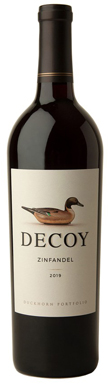
This blend of 80% Zinfandel, 16% Petite Sirah and 4% Carignan (sourced from Sonoma County, Mendocino County and the Central Coast) was aged 12 months...
2019
Decoy
