
Expert’s choice: Fronsac & Canon-Fronsac
The Right Bank spotlight typically falls elsewhere, but choose wisely and these two sister appellations provide excellent Merlot-based enjoyment – without the eye-watering prices.


When it comes to getting bang for your buck on Bordeaux’s Right Bank, many in the know choose to start in the appellations of Fronsac and Canon-Fronsac.
Situated 35km northeast of Bordeaux and 4km northwest of Libourne, these Merlot-centric sister sub-regions are inevitably overshadowed by their renowned Right Bank neighbours St-Émilion and Pomerol, and the wines have generally lower price tags as a result – despite similar soil types and taste profile.
Scroll down to see tasting notes and scores from these overlooked Bordeaux regions
From the Romans to today
Both appellations have winemaking histories that date back to Roman times. Between the 12th and 15th centuries, when Bordeaux was governed by the English, their wines were popular in London.
In 1925, some of the local growers divided into two syndicats – the Côtes de Fronsac and the Côtes de CanonFronsac – along local geographical lines (the latter sat between the villages of Fronsac and St-Michel-de-Fronsac), which eventually provided the official names for the appellations. Fronsac received its original AOC status in 1937 and Canon-Fronsac was similarly formally recognised two years later.
The late Professor Henri Enjalbert, a specialist in wine geology from the University of Bordeaux, once described the Fronsac area as ‘the historic cradle of the great Bordeaux wines of Libourne’.
Today, Fronsac covers about 800ha of vineyards, draped across a gently rolling landscape atypical for the region, and consists of seven communes: Fronsac, St-Michel de Fronsac, St-Aignan, La Rivière, St-Germain-de-la-Rivière, Saillans and Galgon. About 5 million bottles are produced annually, from roughly 100 wineries.
Canon-Fronsac, meanwhile, effectively sits within the larger Fronsac AP, with which it shares its two communes, Fronsac and St-Michel-de-Fronsac, and producers located within these two communes can opt to use either the Fronsac or Canon-Fronsac designation on their label. Its 40 or so wineries produce about 2 million bottles a year from a vineyard area of roughly 250ha.
Soil and style
Little divides the two appellations. Their soils are similar, although those of Canon-Fronsac show less diversity in soil types, and Canon-Fronsac also enjoys slightly better exposure, with more of its slopes facing south. The best wines show some airiness in their structure, with pronounced minerality due to the local soil type.
The soils mostly consist of limestone and clay-over-limestone, the former dominant on the hilltops and plateaus, and the so-called Fronsac molasses, an iron-rich mixture of chalk, clay and sand, found on the slopes and foothills.
The wines often exhibit ripe fruit flavours, balanced acidity and firm tannins, with Merlot the dominant grape variety in the blends, as in many other Right Bank appellations.
The grape accounts for almost 80% of plantings, and the remainder is shared between Cabernet Franc (almost 15%) and Cabernet Sauvignon (less than 10%). A few estates also include a dash of Malbec in the blend, although the grape isn’t widely planted.
Yes, these wines lack the level of recognition that those from the more prestigious appellations St-Emilion and Pomerol attract, but they can offer excellent value for money, and similar characteristics in the glass.
The Fronsac and Canon-Fronsac appellations also have a keen commitment to sustainability. Today, 30% of the area under vine is either certified organic or in conversion, and the percentage of estates with high environmental value status has also reached 70% within the two appellations.
Lin Liu MW picks Fronsac & Canon-Fronsac wines to try:
Related articles
- Bordeaux 2010: Reappraising the grands crus of the Médoc
- How to blind taste Bordeaux
- Bordeaux 2004: A 20 year retrospective
Château de Carles, Haut-Carles, Fronsac, Bordeaux, France, 2020
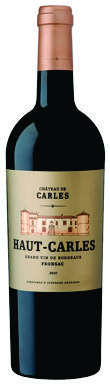

Lots of dark cherry notes mixed with a subdued spiciness. Firm mid-palate, crunchy and refreshing with complexity and concentration. Subtle usage of high-quality oak which...
2020
Château de CarlesFronsac

Château Dalem, Fronsac, Bordeaux, France, 2019
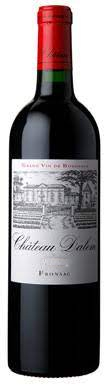
Great concentration of perfectly ripen fruits, presenting depth in layers. Notable tannins in volume but well displayed with a polished texture. Everything is subtle and...
2019
Château DalemFronsac
Château de La Dauphine, Fronsac, Bordeaux, France, 2019
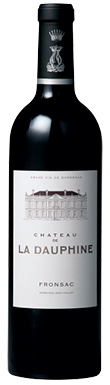
Intense fruity expression, more on the black fruit spectrum with dark cherries and plums. Vibrant and highly refreshing. Rich and flavoursome with great depth. The...
2019
Château de La DauphineFronsac
Château Moulin Haut-Laroque, Fronsac, Bordeaux, France, 2020
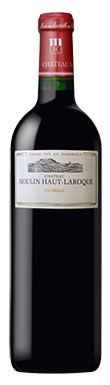
A gorgeous wine made with precision. Perfect ripeness of fruits, lots of fresh mulberries packed in layers. Great tannin profile, present in volume but all...
2020
Château Moulin Haut-LaroqueFronsac
Château Castagnac, Fronsac, Bordeaux, France, 2020
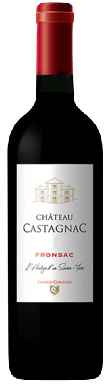
A mixed fruit profile – red berries and black currants, dosed with certain oak aromatics, mainly vanila, outline a certain complexity on the nose whereas...
2020
Château CastagnacFronsac
Château Du Gazin, Canon-Fronsac, Bordeaux, France, 2019
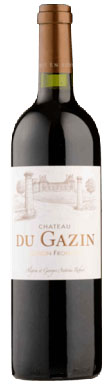
The blend consists of 85% Merlot, 10% Cabernet Franc and 5% of Malbec, all from clay soil on limestone. Rich, smooth and round with a...
2019
Château Du GazinCanon-Fronsac
Château George 7, Fronsac, Bordeaux, France, 2020
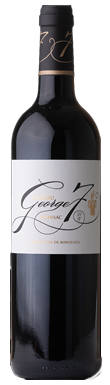
Slightly reductive, benefiting from some oxygen. Once opened up, the wine shows elegantly a bouquet of spring blossoms with nuanced spiciness – quite charming. On...
2020
Château George 7Fronsac
Château Les Trois Croix, Fronsac, Bordeaux, France, 2021
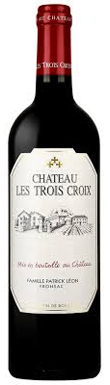
Well structured but also quite relaxing, an elegant classic. Pleasant oak usage provides subtle cedary aromatics and a firm texture. Perfectly ripe fruit and precisely-extracted...
2021
Château Les Trois CroixFronsac
Château Clos du Roy, Fronsac, Bordeaux, France, 2018
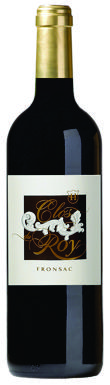
The wine comes from 22 hectares of vines on the limestone plateau and well-exposed clay-limestone hillside plots. The wine is juicy and fruity, with great...
2018
Château Clos du RoyFronsac
Château Lamarche Canon, Canon-Fronsac, Bordeaux, France, 2019
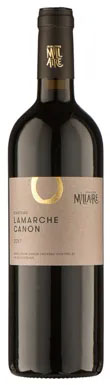
A blend of Merlot, Cabernet Franc and Malbec, the wine has an intense mixed nose of black currants and spiciness. Juicy mid-palate, highly vibrant and...
2019
Château Lamarche CanonCanon-Fronsac
Château Tessendey, Fronsac, Bordeaux, France, 2020
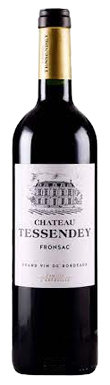
Intense black fruit on the nose and palate. Evident extraction marked by structured tannins and a relatively full mid-palate with the finish almost rustic. A...
2020
Château TessendeyFronsac
Château Mazeris Bellevue, Canon-Fronsac, Bordeaux, France, 2020
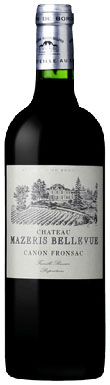
Sweet tannins – this is easy to approach with a juicy mid palate. Runs a bit short at the finish but overall provides pleasant and...
2020
Château Mazeris BellevueCanon-Fronsac
Château La Vieille Cure, Fronsac, Bordeaux, France, 2020
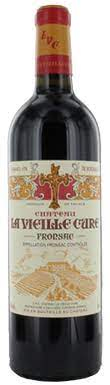
The wine has a vibrant fruitiness, with some chewy but delicious tannins. Somewhat austere, but in a pleasant way. Abundant, highly refreshing fruit and acidity...
2020
Château La Vieille CureFronsac
