
Expert’s Choice: Montagne St-Emilion
This low-profile Right Bank sub-region is really coming into its own, thanks to changing climatic conditions and a new focus on highlighting the fruit.


Tucked away on Bordeaux’s Right Bank, east of Pomerol and north of St-Emilion, the 1,600ha Montagne St-Emilion AP is a hidden gem.
Merlot dominates (at least 75%), together with Cabernet Franc and Cabernet Sauvignon, in this appellation with an enviable location.
Andy’s pick of the wines of Montagne St-Emilion are listed below
Montagne St-Emilion is one of the four APs commonly referred to as the ‘St-Emilion satellites’ – a description referring to the location of the vineyards, as well as the fact that they share similar underlying soil structures.
Being linked to this appellation powerhouse undoubtedly brings marketing advantages. But this can also be seen as a ‘double-edged sword’, perhaps casting the lesser-known APs in the role of poor relations.
However, Montagne is no sidekick, being the largest of the satellites, with St-Georges St-Emilion (closest to St-Emilion) the smallest.
Growers here can choose whether to label their wines as St-Georges or Montagne. Puisseguin St-Emilion (some 730ha under vine) lies east of Montagne, with similar clay-limestone soils and slightly lower temperatures.
Lussac St-Emilion (1,450ha) is the furthest north of the satellites, with a varied mix of terroir including both heavier clays and sandier soils, with a distinctly cooler, fresher feel to the wines.
Tangible change
Pascal Lambert, marketing director for the Montagne appellation, highlights the similarities between the underlying limestone rock, overlaid with clay, with those of St-Emilion.
The topographical differences between the appellations are visually barely perceptible when crossing over the Barbanne river, although the elevation gradually climbs as one moves north.
Today, elevation is one of Montagne’s biggest advantages. Recent studies by Kees Van Leeuwen, Professor of Viticulture at Bordeaux Sciences Agro, identify the cumulative degree-day measurements (Winkler Index) for various right bank APs.
St-Emilion is undoubtedly a major ‘hot-spot’, while Montagne is markedly fresher; Puisseguin and Lussac, further north and east, are cooler still.
This cooler climate used to be a weakness for Montagne St-Emilion, yet now it’s proving to be a benefit. With similar bedrock and soils to St-Emilion, combined with lower cumulative temperatures, the wines of Montagne are significantly ahead of where they were just a few years ago.
Chewy, rustic tannins have now been replaced by smooth, ripe tannins.
Winemakers are making big strides, with distinct moves to reduce oak influence and emphasise fruit ripeness, while embracing new techniques such as ageing in clay amphorae.
The new wave is evident from the plethora of different labels on show – some looking distinctly traditional, whereas others have a much more modern style.
Prices and value in Montagne St-Emilion are competitive, and even more so when compared to the St-Emilion grand cru classé level. When next visiting the region, take a trip north over the Barbanne – the village of Montagne is less than 15 minutes’ drive, and the trip will prove very worthwhile.
Andy’s pick of Montagne St-Emilion
Related articles
Château de Malengin, Eve, St-Émilion, Montagne-St-Émilion, Bordeaux, France, 2022
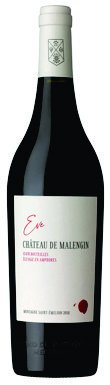

Named after one of the four daughters of Benjamin and Ariane de Rothschild. Blending 91% Merlot with Cabernet Franc, aged predominantly in amphora, its vibrant,...
2022
Château de MalenginSt-Émilion

Château Vieux Bonneau, St-Émilion, Montagne-St-Émilion, Bordeaux, France, 2022
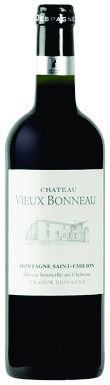
A new cuvée, fermented in concrete tanks before maturion for 11 months in terracotta amphora. Clearly very modern in their approach (sporting an amphora design...
2022
Château Vieux BonneauSt-Émilion
Château Coucy, Origines de Château Coucy, St-Émilion, Montagne-St-Émilion, Bordeaux, France, 2022
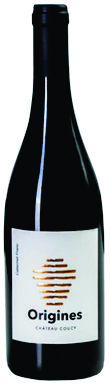
A family estate run by vigneron Franck Despagne, a champion of the Montagne terroir. Merlot-dominant blend with 10% Cabernet Sauvignon and 5% Cabernet Franc, aged...
2022
Château CoucySt-Émilion
Maison Blanche, St-Émilion, Montagne-St-Émilion, Bordeaux, France, 2019
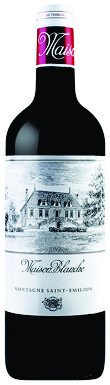
New producer Patrick Garrity arrived from California in 2021, setting up this small estate of 1.7ha, with 50-year-old vines. Fermentation in steel tanks and large...
2019
Maison BlancheSt-Émilion
Clos de la Barbanne, St-Émilion, Montagne-St-Émilion, Bordeaux, France, 2022
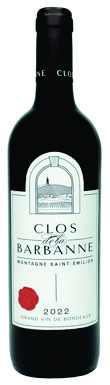
The estate is a single-block to the west of Montagne, with two valleys linked by a plateau. 32ha of vines, massal selection since 2013. Aged...
2022
Clos de la BarbanneSt-Émilion
Château Arbo, St-Émilion, Montagne-St-Émilion, Bordeaux, France, 2021
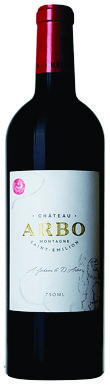
Originally created in 1924, this 5.5ha estate was purchased by Astrid and Dorian Arbo in 2015. 85% Merlot and 15% Cabernet Franc, aged for 12...
2021
Château ArboSt-Émilion
Château Coucy, Confidences, St-Émilion, Montagne-St-Émilion, Bordeaux, France, 2019
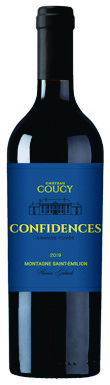
Owned for a century by the family Guimberteau-Foray, with Charles Foray now in charge. Vinified in stainless steel, 12 months' ageing in oak barrels of...
2019
Château CoucySt-Émilion
Château Lacoste Chatain, St-Émilion, Montagne-St-Émilion, Bordeaux, France, 2022
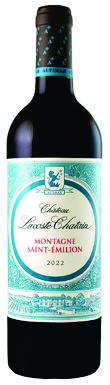
The estate is owned and run by Bruno Marchand – long-serving president of the Montagne AP – and his wife Sarah. From 40-year-old vines, 80%...
2022
Château Lacoste ChatainSt-Émilion
Château Haut-Bonneau, Vieilles Vignes, St-Émilion, Montagne-St-Émilion, Bordeaux, France, 2022
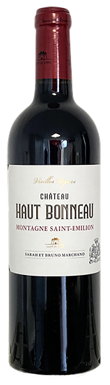
This 2.7ha estate lies on clay-gravel soil interspersed with iron chips. Bright, appealing nose with vibrant red berry fruits and clove, nutmeg and cinnamon spice...
2022
Château Haut-BonneauSt-Émilion
Château Franc Baudron, St-Émilion, Montagne-St-Émilion, Bordeaux, France, 2020
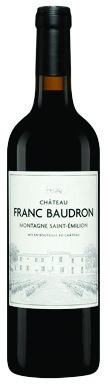
<p>Owned for a century by the family Guimberteau-Foray, with Charles Foray now in charge. Vinified in steel, 12 months ageing in barrel with a blend...
2020
Château Franc BaudronSt-Émilion
Château Tour Bayard, L'Angelot, St-Émilion, Montagne-St-Émilion, Bordeaux, France, 2022
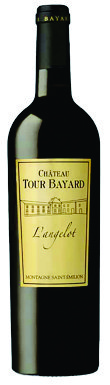
A family estate of 15ha, with Julien Richard the third generation at this property. Average vine age 45 years. Destemmed fruit fermented in concrete and...
2022
Château Tour BayardSt-Émilion
Château des Laurets, Les Trois Cèdres des Domaines Edmond de Rothschild, St-Émilion, Montagne-St-Émilion, Bordeaux, France, 2021
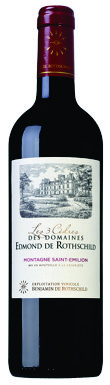
The property, run by Michel Coudroy, dates back to the 16th century, and the vineyard site covers 50ha. A blend of 80% Merlot, 20% Cabernet...
2021
Château des LauretsSt-Émilion
Château La Fleur des Amandiers, Cuvée Albert, St-Émilion, Montagne-St-Émilion, Bordeaux, France, 2022
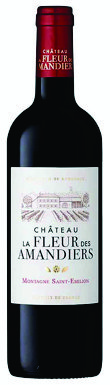
Part of the Benjamin de Rothschild group, this wine from the 32ha Montagne St-Emilion part of the estate is named after three Lebanese cypress trees....
2022
Château La Fleur des AmandiersSt-Émilion
Château Haut-Musset, St-Émilion, Montagne-St-Émilion, Bordeaux, France, 2022
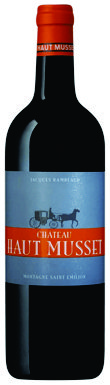
Appealing, complex nose with touches of spice and leafy notes combining with the vibrant red and black fruit characters. Soft and generous in the mouth,...
2022
Château Haut-MussetSt-Émilion
Château de Maison Neuve, St-Émilion, Montagne-St-Émilion, Bordeaux, France, 2022
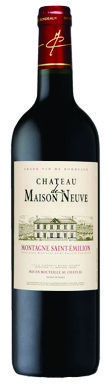
The estate has belonged to the Teyssier family since 1920 and covers 25.5ha on clay-limestone soils; now fifth-generation, with Derenoncourt acting as consultants. 70% aged...
2022
Château de Maison NeuveSt-Émilion
Château Teyssier, St-Émilion, Montagne-St-Émilion, Bordeaux, France, 2022
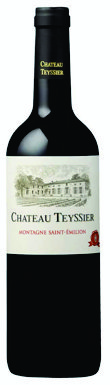
Pierre-Emmanuel Janoueix took over family estate in 2000. The estate totals 17ha with 12.5ha planted to vines, average age 50 years. Marl soil with clay-silty...
2022
Château TeyssierSt-Émilion
Château La Bastienne, St-Émilion, Montagne-St-Émilion, Bordeaux, France, 2019
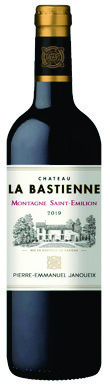
Vignobles Rambeaud owns this estate, planted on the clay-limestone plateau. Youthfully fresh and appealing nose, fleshy and bright palate with red cherry and redcurrant notes...
2019
Château La BastienneSt-Émilion
