
Expert’s Choice: Premium Spanish rosé


While much Spanish rosé is made for easy pleasure, some producers are moving towards a more refined style. Pedro Ballesteros Torres MW charts their progress and picks bottles to try…
Most rosé is made as a simple, easy-drinking wine but, technically, rosé can be top-class and have an ageing potential similar to the best red and white wines of the world. Style and complexity depend on decisions made in the vineyard and in the winery. What characterises rosé wines, a limited maceration of pips and skins in the must, means just that: less maceration, but by no means lower quality.
Scroll down for Pedro’s pick of the 18 best Spanish rosé wines
Some grape varieties are particularly suited to producing balanced and multi-layered wines after short maceration (as the best white varieties do). Plus, in the current era of climate change, when falling levels of acidity are becoming a key factor for harvest decisions in warm countries, early harvest in appropriate sites can be a sensible, quality-oriented decision.
While some connoisseurs tend to dismiss dark pink rosés, colour is not an indicator of quality, but a feature to increase visual attractiveness. Until the late 19th century, most Spanish wines were clarete (a very pale orange). However, those wines all but disappeared because of the international market preference for deeply coloured wines, and thanks to the availability of technology for extended maceration.
Now, an increasing number of Spanish winemakers realise that, in some vineyards, they can achieve wine’s optimum balance, ageing ability and complexity with fresher musts and less phenolic extraction. Quantities of fine Spanish rosé wines are still minute, and many wines would benefit from further experimentation, but the results so far are excellent, and the prospects enticing.
We can classify three styles of high-quality rosés. The first group are those wines made upon their fruit purity and their natural balance, with little filtration. Bottled soon after fermentation, they develop complexity in a way similar to Riesling and Chenin wines. Some international varieties, such as Merlot and Syrah, are particularly suitable for this type of wine, as well as the native grape Cariñena and blends with white varieties.
The second group of wines acquire their complexity after oak ageing, and improve with time in bottle. Tempranillo and Garnacha are the leading varieties in this category. (The great pioneer of this style, Viña Tondonia Rosado, was not tasted for this article, but it certainly deserves a mention.)
The most recent category, wines bottled after long interaction with fine lees, in a variety of vats, is coming to the fore as a smart compromise for keeping fruit while providing vinous complexity. Obviously, those three groups are not neatly organised, and many producers will use elements of all three styles in their wines.
Lots of experimentation is still needed. The work to produce top rosés starts with the grape variety and vineyard selection, then continues through the production process. Some of the wines in this selection provide proof that the efforts of winemakers so far have been worthwhile – and those efforts may even result in a new style of fine Spanish rosé.
Pedro Ballesteros Torres MW is the DWWA Regional co-Chair for Spain and sits on the governing board of the Spanish Tasters’ Union
See Pedro’s pick of the 18 best Spanish rosé wines
You may also likeSpain’s top 40 Tempranillo winesFrench rosé beyond Provence: Panel tasting resultsHow does English sparkling wine compare to Champagne? RosésProfile: Whispering Angel rosé
Dominio del Aguila, Pícaro del Aguila Clarete, Ribera del Duero, Castilla y Léon, Spain, 2013
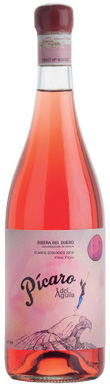

A blend of Tempranillo and Blanca del País, with complex aromas. The palate is serious and intriguing.
2013
Dominio del AguilaRibera del Duero

Antídoto, Le Rosé de Antídoto, Ribera del Duero, Castilla y Léon, Spain, 2015
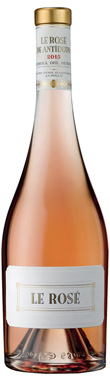
A must. A rosé made in the vineyard, with the complexity and depth of the best reds, the freshness of a white and a strong...
2015
AntídotoRibera del Duero
Salvueros, Garnacha Gris, Cigales, Spain, 2016
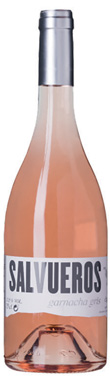
Complex aromas of yellow and red fruit; very appealing. Elegant palate, with lovely balance and a persistent finish. Made from 75-year-old vines, this is a...
2016
Salvueros
Honorio Rubio, Lías Finas Edición Limitada, Rioja, Northern Spain, Spain, 2014
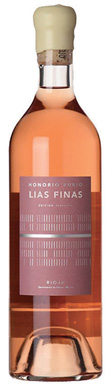
Complex aromatic expression; floral, herbal and brioche notes. Bone-dry blend of Viura and Garnacha; opens up on the palate, finishes slowly and baroquely. Try it...
2014
Honorio RubioRioja
Can Ràfols dels Caus, Gran Caus Rosat, Penedès, Spain, 2015
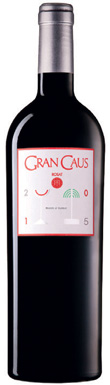
Garnet with orange hues. An original, slightly oxidative style, 100% Merlot. A bottle of 2006 has kept well – an encouraging indication of its ageing...
2015
Can Ràfols dels Caus
Castell d’Encús, Jhana, Costers del Segre, Catalonia, Spain, 2017
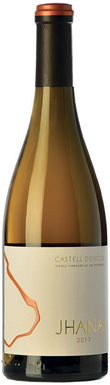
Onion peel colour. Very clean and precise, with blueberry, myrtle and brioche notes. The juicy and savoury palate is balanced and persistent. Made with mastery....
2017
Castell d’EncúsCosters del Segre
Marques de Murrieta, Primer Rosé, Rioja, Northern Spain, Spain, 2017
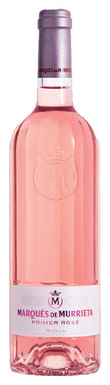
The pale rose colour is deceptively light, giving way to a penetrating peppery expression, with a persistent finish. A firm and elegant style of Mazuelo...
2017
Marques de MurrietaRioja
Marqués de Riscal, Viñas Viejas, Castilla y Léon, Spain, 2016
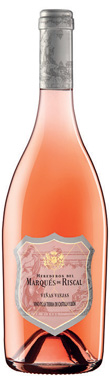
Aromatic and refined, with red cherry notes. Round and expressive. From old Tempranillo and Garnacha vines, with lees-aged Sauvignon Blanc.
2016
Marqués de Riscal
Aroa, Larrosa, Navarra, Spain, 2017
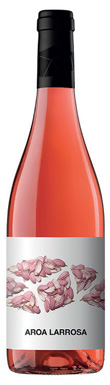
Pale ruby colour. Intensely fruity, with well-defined red cherry notes – typical of Grenache. Open and expressive – with lively balance and a savoury finish....
2017
Aroa
Concejo Bodegas, Carredueñas, Cigales, Spain, 2017
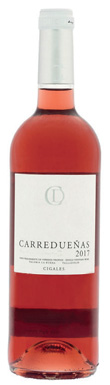
Pale cherry colour, showing ripe red berry fruit; warm and expressive. Firmly structured and persistent – a modern style of clarete. Tempranillo, fermented and aged...
2017
Concejo Bodegas
F Schatz, Z Rosado, Andalucia, Spain, 2017
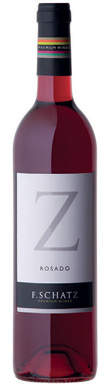
Notes of liquorice, rose and linden. This wine is an Andalusian jewel, with a soft texture and long finish. Made from Moscatel Negro, aged in...
2017
F Schatz
Hermanos Sastre, Viña Sastre Rosado, Ribera del Duero, Castilla y Léon, Spain, 2017
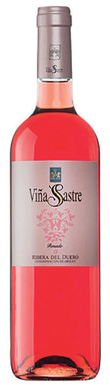
Powerful and concentrated Tempranillo rosé. Could easily pass as a fresh red wine in a blind tasting. Shows much ambition; a unique style, with a...
2017
Hermanos SastreRibera del Duero
Bodegas Julián Chivite, Colección 125 Rosado, Navarra, Spain, 2017
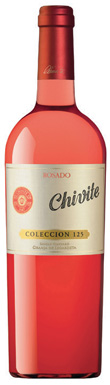
Restrained, with toasty and smoky aromas, showing nicely defined berry fruit. A powerful and dense Tempranillo rosé; has the ambitions of a classic red.
2017
Bodegas Julián Chivite
El Grifo, Rosado de Lágrima, Lanzarote, The Islands, Spain, 2017
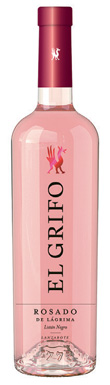
Made from the Listán Negro grape. The palate is spicy and flinty, with nice red berry fruit. A straightforward and well-balanced wine. Volcanic rosé, with...
2017
El GrifoLanzarote
Scala Dei, Pla dels Angels, Priorat, Catalonia, Spain, 2017
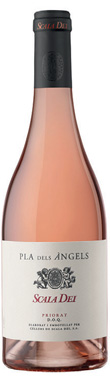
A most Mediterranean wine, built upon its fruit rather than its acidity. An original style of Garnacha with plenty of character. A wine to enjoy...
2017
Scala DeiPriorat
Casa Rojo, Haru Rosé de Saignée, Jumilla, Spain, 2017
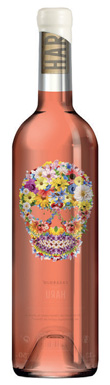
A blend of Garnacha, Syrah and Monastrell, this is a powerful and firmly structured style, with relevant tannins. Fresh but dense, with a very fruity...
2017
Casa Rojo
Pardevalles, Prieto Picudo Rosado, Tierra de León, Castilla y Léon, Spain, 2017
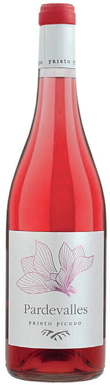
Bright cherry colour. Intense fruity aromas. Round and velvety on the palate, which is very clean, easygoing and balanced. Has some tannins and good structure...
2017
PardevallesTierra de León
Quinta de Aves, Campo de Calatrava Cabernet Franc & Graciano Rosé, Vino de la Tierra de Castilla y León, Castilla y Léon, Spain, 2017
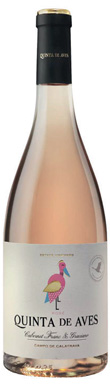
Pale, Provençal-style pink. Pure red berry and cherry fruit. Clean, expressive and modern. Interesting.
2017
Quinta de AvesVino de la Tierra de Castilla y León
