
Expert’s choice: Uruguay
A strong coastal character runs through many of the wines of this small but welcoming South American nation. Tannat is its red calling card, and Albariño is coming up fast among the whites.


Like opening the windows to let in the cool ocean breeze: that has been the effect that new vineyards in Maldonado Bay – the point on the southern coast where the Rio de la Plata estuary meets the south Atlantic – have had on Uruguayan wine. The region now produces whites and reds from vines no more than 20 years old, all influenced by the fresh presence of the Atlantic.
Scroll down for Patricio Tapia’s pick of 18 Uruguayan wines to try
Not only have these newcomers started to overshadow the classic zones, but importantly they have also attracted increased attention to a country that until recently was hidden in the long shadows of Argentina and Chile. These two are the most important wine-producing countries in South America, both in quality and volume. Tiny Uruguay, with a little less than 6,000ha of vines (INAVI institute national data for 2022), has managed to shine.
From the department of Maldonado – from areas such as Pan de Azúcar and, further east, José Ignacio or Garzón – delicious whites emerge, especially perfumed Albariños, but also Sauvignon Blanc, Chardonnay and even Riesling.
The reds show the fresh influence of the sea in their fruity and juicy flavours. Even the fierce Tannat, on the granite soils of Maldonado, seems much more docile and approachable than the prototype of robust Uruguayan Tannat to which we have become accustomed.
Establishing an identity
As well as the particular conditions of the terroir of this region, the influence of the actors involved here is also significant. Bodega Garzón has been a key player when it comes to showing these new wines to the world. But producers such as the Deicas family and Bouza have also contributed outstanding wines to this new stage in Uruguay.
Maldonado accounts for barely 7% of the total area of vineyards planted in Uruguay. Even so, the vines and the wines they produce work as the perfect gateway to discover the rest of what Uruguay has to offer.
Canelones, with 66% of the planted area in 2022, is the largest and most traditional area in the country. Here the clay and chalky soils offer much more austere and monolithic versions of Tannat – wines that perhaps lack the fruity explosion of their Maldonado counterparts, but which still develop in the bottle like few other reds in South America. For the best Canelones examples, go for reds from the Las Violetas area – the epitome of that fierce Uruguayan Tannat.
In addition, Canelones can offer Tannats with a price-to-quality ratio that matches the best in South America, as well as silky and succulent whites. In fact, the first Albariño in Uruguay was created by Bouza using grapes from Canelones and from neighbouring Montevideo – another source of delicious reds and whites. That was back in 2004, when Uruguay was hidden in a corner of South America. Today, its wines are gradually moving up to join the top ranks in the region.
See Patricio Tapia’s pick of 18 Uruguayan wines
Related articles
Viña Edén, 3D Sur Lies Nature Rosé Brut, Pueblo Edén, Maldonado, Uruguay, 2017
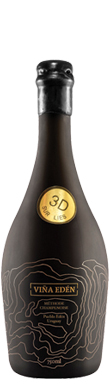

Consistently one of the best sparkling wines in Uruguay, this is not disgorged so is cloudy in appearance. With 92% Pinot Noir and 8% Chardonnay,...
2017
Viña EdénPueblo Edén

Bodega Garzon, Single Vineyard Albariño, Garzón, Maldonado, Uruguay, 2018
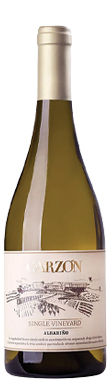
Garzón is the winery with the most Albariño vines in Uruguay: 40ha (in 2022 there were 95ha across the country) spread over its property, bathed...
2018
Bodega GarzonGarzón
Bouza, Albariño, Las Violetas, Canelones, Uruguay, 2020
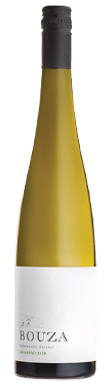
The Bouza family from Galicia was the first to plant Albariño in Uruguay, the first vintage being 2004. This 2020 is one of the best:...
2020
BouzaLas Violetas
Bouza, Viñedo Pan de Azúcar Riesling, Maldonado, Uruguay, 2020
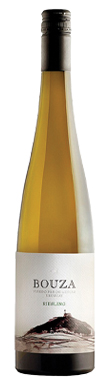
In 2010, the Bouza family planted 1.5ha of Riesling in its vineyards in Pan de Azúcar, a site strongly influenced by the Atlantic. This wine...
2020
Bouza
Cerro del Toro, Singular Fósiles de Mar Chardonnay, Maldonado, Uruguay, 2021
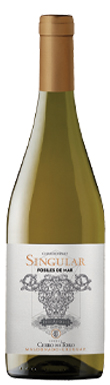
This is from a selection of plots that are rich in calcified fossil soils, hence its name. The vines receive a direct breeze from the...
2021
Cerro del Toro
Cerro del Toro, Sobre Lías Albariño, Maldonado, Uruguay, 2021
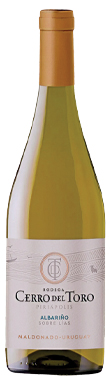
For this, Cerro del Toro selects 0.5ha of vines that directly face the Atlantic, just 1km away. With no wood ageing, but nine months of...
2021
Cerro del Toro
Familia Deicas, Atlántico Sur Albariño, Maldonado, Uruguay, 2022
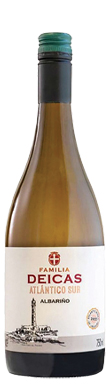
Albariño gives better and better results in Uruguay. This excellent-value choice offers a fruity and refreshing take on the grape. White fruit aromas blend gracefully...
2022
Familia Deicas
Bodega Garzon, Balasto, Garzón, Maldonado, Uruguay, 2018
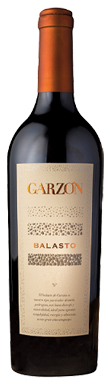
This is the fourth version of Garzón’s top wine, from a selection of vineyards bathed in Atlantic breezes. The blend is 40% Tannat, 34% Cabernet...
2018
Bodega GarzonGarzón
Familia Deicas, Extreme Vineyards Suelo Invertido, Canelones, Uruguay, 2019
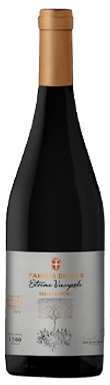
To obtain the firm structure of this Tannat, Deicas has ‘inverted’ the soil of its vineyard in Canelones, leaving bare the chalk-rich subsoil where these...
2019
Familia Deicas
Bodega Garzon, Petit Clos Block 212 Tannat, Garzón, Maldonado, Uruguay, 2019
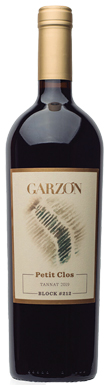
From vines planted on a series of small granite slopes, exposed to sea breezes. It’s concentrated yet not the hard style of Tannat that is...
2019
Bodega GarzonGarzón
Bouza, Monte Vide Eu, Montevideo, Uruguay, 2019
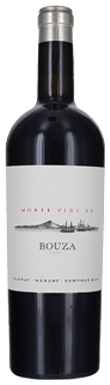
Monte Vide Eu has been produced since 2005 and this year it is 50% Tannat, 30% Merlot and 20% Tempranillo, from a selection of barrels....
2019
Bouza
Bracco Bosca, Gran Ombú Cabernet Franc, Atlántida, Canelones, Uruguay, 2021
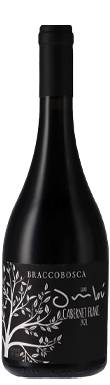
Perfumed with layers of oak spice, bramble fruit and a lifted peppery nose. Oaky palate, with jammy cherry, tobacco leaf, bell pepper, and spiced...
2021
Bracco BoscaAtlántida
Carrau, Amat Tannat, Las Violetas, Canelones, Uruguay, 2017
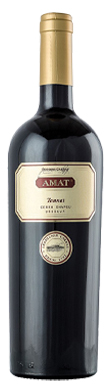
The clay and chalky soils and the Atlantic climate of the historic area of Las Violetas offer the most traditional versions of Uruguayan Tannat, such...
2017
CarrauLas Violetas
Compañía Uruguaya de Vinos de Mar, Cruz del Sur Tannat, Maldonado, Uruguay, 2021
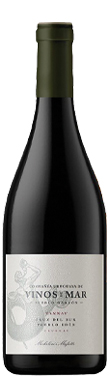
This is a typical Maldonado Tannat, made at one of the new Uruguayan wineries to watch closely. The cool Atlantic breezes result in red and...
2021
Compañía Uruguaya de Vinos de Mar
Proyecto Nakkal, Suelto Tannat, Canelones, Uruguay, 2021
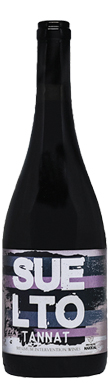
From promising young Uruguayan winemakers Santiago Degásperi and Nicolás Monforte, along with viticulturist Bruno Bresesti, Proyecto Nakkal is focused on low-intervention wines. This is a...
2021
Proyecto Nakkal
Bizarra Extravaganza, Cold Brew Tannat, San José, Uruguay, 2021
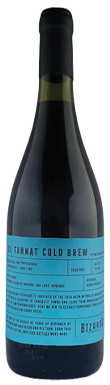
Bizarra is part of the Deicas family group of projects. Fermented and macerated at a low temperature, with full clusters, this wine shows the fruitiest...
2021
Bizarra Extravaganza
Pablo Fallabrino, Tannat, Atlántida, Canelones, Uruguay, 2018
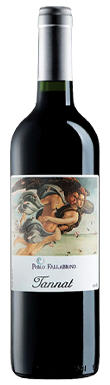
A robust Tannat from vineyards planted in the mid-1990s, 4km from the Rio de la Plata, in the area of Atlántida. With 30% of the...
2018
Pablo FallabrinoAtlántida
Pizzorno, Mayúsculas Maceración Carbónica Tannat, Canelones, Uruguay, 2021
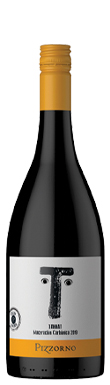
The Pizzornos introduced this wine in 2000, and it was a pioneer in showing a friendlier and fruitier style of Tannat, less austere and rustic...
2021
Pizzorno
