
Expert’s Choice: Valpolicella
The Veneto region’s heartland for red wines offers an incomparable breadth of styles to enjoy, from light and cherry-fruited easy-drinkers to the concentration and complexity of Amarone and Recioto.


The wines of Valpolicella have never been better. As more consistently warm summers in the north of Italy increase the likelihood of a fully ripe crop at harvest time in the Veneto region, so reliance on the appassimento process (the partial dehydration of grapes to produce wines of greater concentration and depth of flavour) begins to come into question.
Scroll down for Michael Garner’s pick of the best 18 wines from Valpolicella
Simultaneously, a market more receptive to distinctive wine styles based on local varieties, coupled with a growing confidence in their ability to express the unique character of their terroir, has enabled Veneto winemakers to scale new heights across the five denominations made in the demarcated area of Valpolicella.
The hillside vineyards north of Verona are beginning to show the true potential of the Corvina grape which, supported by Corvinone and Rondinella, as well as a host of minor varieties such as Molinara and Oseleta, determines the essential personality of these wines.
Span of styles
The ‘new’ style of simple Valpolicella DOC is all about authenticity: pale and fragrant, light-bodied reds whose zingy cherry fruit and crisp acidity are an ideal match for all sorts of foods, ranging from vegetable and simple pasta dishes to white meats, especially pork.
The Valpolicella Superiore version – because of an almost completely open-ended set of production regulations – can show huge variations in style. More and more winemakers are, however, resisting the siren call of appassimento and choosing to produce wines entirely from freshly harvested fruit (historically there has been no limit imposed on how much semi-dried fruit can be used). Crucially, producers are also starting to single out vineyards dedicated to the production of Valpolicella instead of creaming off the best fruit for Amarone, which was too often the case in the past.
The uniquely local custom of refermenting or macerating Valpolicella wine on the lees of either Amarone and/or Recioto (see below) is a traditional practice designed to boost richness and substance in the base wine. This ‘ripasso’ process – harking back to leaner times when nothing of any potential value was thrown away – had become so popular in recent years that it threatened to engulf both the Valpolicella and Valpolicella Superiore styles. Guided by the grower’s consortium, limits on the amount of fruit set aside for appassimento at harvest time over the past decade are designed to help even out production figures across the various denominations.
Amarone is produced from grapes naturally dried, to intensify flavour and sugar content, before fermentation and ageing for at least two years in oak barrels. Despite its fairly brief history (the first bottles were produced around the time of World War II), it remains for most wine lovers the reference point for Veronese reds. Even in this instance, we are seeing the emergence of a new breed of sleeker wines that are made to be less dependent on the generous levels of residual sugar permitted under current legislation, and which focus instead on a drier, more food-friendly style.
Meanwhile, Recioto – produced in similar manner to Amarone, rich and concentrated but fermented as a sweet style – is the ‘mother’ of all Veronese red wines upon which the area’s reputation was founded in Roman times. It remains a rarity, though many wineries keep the tradition alive and produce a few bottles.
History is turning full circle and Valpolicella is rediscovering its roots. The wines are beginning to recapture the style feted by Ernest Hemingway which, back in the mid-20th century, made them popular in the first place.
Michael Garner’s pick of the best 18 Valpolicella wines
Related articles
- Verona to be home to Italy’s largest wine museum and visitor centre
- Valpolicella: Panel tasting results
- Top-scoring Amarones: 95+ point wines to seek out
’A Vita, Ca Nova Riserva, Amarone della Valpolicella, Classico, Veneto, Italy, 2015
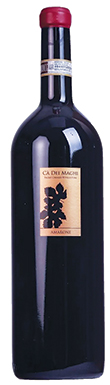

Among the new generation of winemakers in Valpolicella, Paolo Creazzi is an outstanding talent. From less than five hectares of vineyard in Fumane, his wines...
2015
’A VitaAmarone della Valpolicella

Monte dall'Ora, San Giorgio Alto, Valpolicella, Classico Superiore, Veneto, Italy, 2018
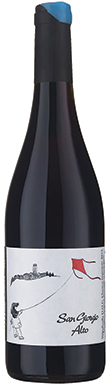
This wine is produced along biodynamic lines from a vineyard lying at 600m close to the hilltop village of San Giorgio di Valpolicella. The cooler,...
2018
Monte dall'OraValpolicella
Le Ragose, Riserva, Amarone della Valpolicella, Classico, Veneto, Italy, 2012
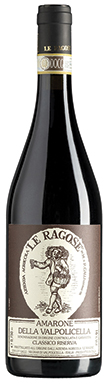
From around 16 hectares of vineyards above Arbizzano on the ridge which defines the eastern boundary of Valpolicella Classico, the Galli family produces classically styled...
2012
Le RagoseAmarone della Valpolicella
Masi, Campolongo di Torbe, Amarone della Valpolicella, Classico, Veneto, Italy, 2013
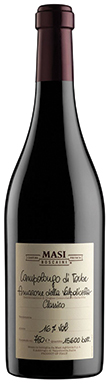
Masi was among the original pioneers of Amarone and has built on its reputation as one of the leading lights ever since. The ‘cru’ selection...
2013
MasiAmarone della Valpolicella
Romano Dal Forno, Amarone della Valpolicella, Veneto, Italy, 2017
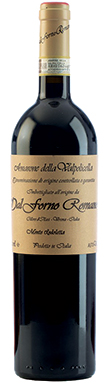
No-one else matches the Dal Forno wines for their sheer power and intensity, and even Romano himself seems reluctant to estimate how long his Amarone...
2017
Romano Dal FornoAmarone della Valpolicella
Tedeschi, La Fabriseria Riserva, Amarone della Valpolicella, Classico, Veneto, Italy, 2016
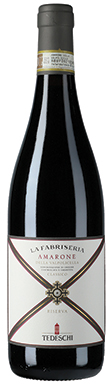
From vineyards on the western side of the Fumane Valley below Mazzurega, where the proximity of Lake Garda maintains a cooler micro-climate, La Fabriseria is...
2016
TedeschiAmarone della Valpolicella
Ca' La Bionda, Casal Vegri, Valpolicella, Classico Superiore, Veneto, Italy, 2020
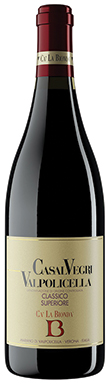
Alessandro Castellani, a great believer in the potential of the Corvina grape, was one of the first producers to use fruit from a premium vineyard...
2020
Ca' La BiondaValpolicella
Gini, Monte Serea, Amarone della Valpolicella, Veneto, Italy, 2015
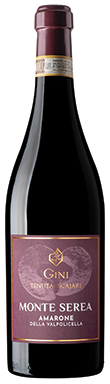
Though better known for their exceptional Soave, brothers Claudio and Sandro Gini also produce red wines from their Tenuta Scajari at Cazzano di Tramigna. Their...
2015
GiniAmarone della Valpolicella
La Dama, Ca' Besi, Valpolicella, Classico Superiore, Veneto, Italy, 2020
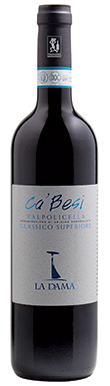
From San Vito in Classico’s Negrar Valley, this single-vineyard Superiore is produced almost entirely from Corvina grapes (95%), a proportion of which undergoes just 30...
2020
La DamaValpolicella
Rubinelli Vajol, Valpolicella, Ripasso Classico Superiore, Veneto, Italy, 2018
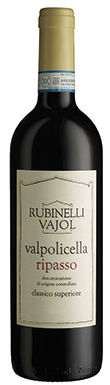
Ripasso is such an easy wine to get wrong! Few wineries manage to combine Valpolicella’s freshness elegance and charm with the voluptuous power and nuance...
2018
Rubinelli VajolValpolicella
Speri, Sant'Urbano, Amarone della Valpolicella, Classico, Veneto, Italy, 2018
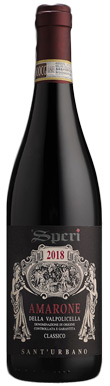
From the company’s vineyards at Sant’Urbano, on the ridge separating the valleys of Fumane and Marano, the Speri Amarone is made in a beautifully balanced...
2018
SperiAmarone della Valpolicella
Tenute Ugolini, Valle Lena, Recioto della Valpolicella, Classico, Veneto, Italy, 2018
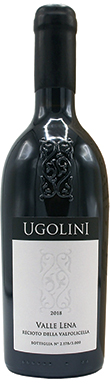
The Ugolini family makes a range of distinctively styled wines from vineyards in the west of Classico. From just half a hectare of 20-year-old vines...
2018
Tenute UgoliniRecioto della Valpolicella
Vicentini, Palazzo di Campiano, Valpolicella, Superiore, Veneto, Italy, 2018
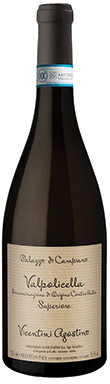
Agostino Vicentini produces great Valpolicella Superiore in a rigorously classical style from vineyards high up at Campiano, in the Cazzano di Tramigna valley, without the...
2018
VicentiniValpolicella
Il Sasso, Valpolicella, Classico, Veneto, Italy, 2022
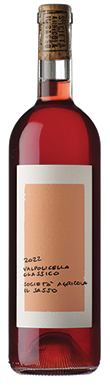
Based in the hills of Classico’s Negrar Valley, this fairly new estate is dedicated to the production of organic, artisan wines which they say are...
2022
Il SassoValpolicella
Novaia, Fapulito, Valpolicella, Classico, Veneto, Italy, 2022
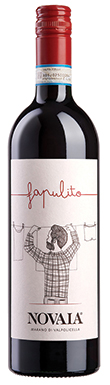
Fapulito (‘behave yourself’) is produced without the addition of sulphites and is fermented in conical wooden tini. This archetypal youthful Valpolicella comes from the Marano...
2022
NovaiaValpolicella
Marco Mosconi, Montecurto, Valpolicella, Veneto, Italy, 2022
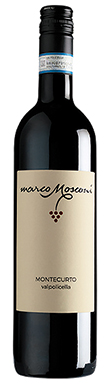
Produced from vineyards at the bottom of the Illasi valley in Valpolicella Orientale, Marco Mosconi's unoaked Valpolicella is spontaneously fermented in stainless steel, with extended...
2022
Marco MosconiValpolicella
Marion, Valpolicella, Superiore, Veneto, Italy, 2019
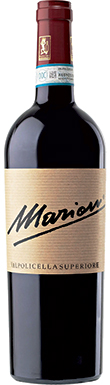
Winemaker/owner Stefano Campedelli, a disciple of famous local enologist, Celestino Gaspari, produces a classically styled Valpolicella Superiore from his 22 hectares of vineyard at Marcellise,...
2019
MarionValpolicella
Bertani, Valpolicella, Ripasso Valpantena Superiore, Veneto, Italy, 2020
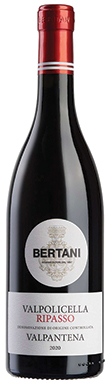
This Ripasso gives a sense of ripe red berries with dried herbs in the background. There's a bit more weight and fruit in the mouth,...
2020
BertaniValpolicella
