Great wines born in Chinese year of the pig


Celebrate Chinese new year with a great vintage from the zodiac sign of the pig...
We’ve delved through our wine reviews on Decanter Premium to bring you some of the great wines from Chinese year of the pig vintages, tasted by Decanter‘s experts.
See also: Anniversary wines for 2019
We’ve got some 100-point wines from Bordeaux, including Château Lafite Rothschild 1959 and Château Palmer 1983 – tasted as part of Jane Anson’s 1982 vs 1983: Left bank re-tasted.
The oldest ones in our selection are from 1947 – Château Talbot and Château Smith Haut Lafitte.
And it’s not just Bordeaux that has produced great wines in these vintages – there’s Sassicaia 1983, Vega Sicilia Unico 1983, Qunita do Noval Colheita 1995 and a selection of vintage Champagnes.
Some famous faces of the wine world born in the year of the pig include Seña winemaker Eduardo Chadwick, and Decanter‘s own Stephen Brook.
Great wines from the Chinese year of the pig vintages:
You might also like:
Smith Haut Lafitte: Tasting all the ‘7s’
100 years of Chateau Talbot
Great French wines: 100 point scores
Château Lafite Rothschild, Pauillac, 1er Cru Classé, Bordeaux, France, 1959
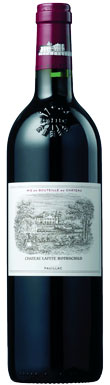

I have tasted this wine several times over the past few years, and each bottle has blown me away. Now almost 60 years old, it still has a deep, rich colour that has barely budged since my last visit. Perfectly balanced, it barely tastes older than the 1982 and displays the cedar signature of Lafite coupled with truffles, graphite and still-rich cassis and bilberry fruits. There's something more besides, that's hard to pinpoint but elevates the whole experience - maybe it's the mouthwatering persistency and the dancing minerality. 1959 saw a warm and sunny start to the season, with cold nights (particularly in April) followed by a very hot July and sunny but cooler August. It was a perfect harvest, with the grapes brought in under heat. They had relatively low acidity when they were picked, which has not in any way held it back from ageing with grace and poise, and I wouldn't bet against this carrying on serenely for another half-century. Looking back, Baron Eric feels it was the year the marked the change towards riper-styled vintages in the 20th century. I have just read a Washington Post article from 1979, by the way, when this 1959 was the star of a three-decade vertical of Lafite - you can consistently find the same result in dozens of articles over the years. Fitting then that this was the year that cellarmaster Georges Revelle received the Legion of Honour.
1959
Château Lafite RothschildPauillac

Château Palmer, Margaux, 3ème Cru Classé, Bordeaux, France, 1983
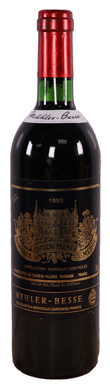
Smoky, floral and fabulous. Violet-edged, this stands out over the 1982 for its complexity of aromatics and flavours. Brambled blackberry notes meld with soft leather and liquorice, all perfectly finessed. Harvest 28 September until 13 October, around one week later than the 1982. A touch of Petit Verdot finishes up the blend. Peter Sichel, who was making the wine at the time, was convinced straight after harvest that the 1982 was better than the 1983. 'He was right,' says Thomas Duroux today. Certainly sugar levels were a touch higher than the previous year, and the fruit character generous from the earliest years.
1983
Château PalmerMargaux
Louis Roederer, Cristal Vinothèque (Magnum), Champagne, France, 1995
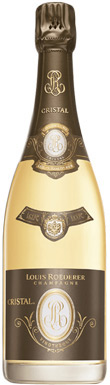
<p>This Vinothèque version hasn't moved from Roederer’s cellars in Reims until now. During its long evolution, it has spent ten years on its lees and then another ten on cork. Significantly, it also receives a lower dosage than the original Cristal release. Supremely seductive and endlessly complex, it has a generous, supple texture and intense yet delicate filigree flavours of sweet yellow fruits, quince, nougat, cream, patisserie and savoury hazelnut. Still remarkably young and fresh, this dances across your palate and has a long, savoury, autolytic finish. Charming beyond compare.</p>
1995
Louis Roederer
Dom Pérignon, P2, Champagne, France, 1995
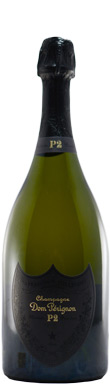
The most impressive of the evening's head-to-head pairings was that between the 1995 and 1996, the yin and yang of recent vintages. The former is maybe riper, warmer and more cavalier, the latter more cerebral. This '95 stuns with its ripe and forward personality, displaying power, energy and gastronomic potential. It's a symphony of ripe fruit, creamy texture and a savoury end-game. Perfectly 'à point' and perfectly delicious.
1995
Dom Pérignon
R López de Heredia, Viña Tondonia Gran Reserva, Rioja, Northern Spain, Spain, 1995
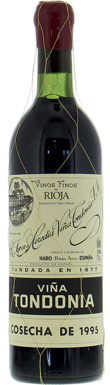
The archetype of a great wine, having gone through a soft, long ageing: spicy complexity, undergrowth tones, a caramel touch. Suave, light but stylish, velvety, smoky subtle finish. A great experience, with a long life ahead.
1995
R López de HerediaRioja
Charles Heidsieck, Blanc des Millenaires, Champagne, France, 1983

When I first tasted the 1983 Millenaires 10 years ago, it stood a little shy compared with the more extrovert, splendiferous '85.. But in 2017 it seems finer and fresher, with even more class. Shimmering green-gold in colour, it's a fragrant, super-fresh champagne with tropical fruit flavours and a lace-like, caressing mousse. It's intense rather than over-concentrated, the finest texture supported by digestible acidity, lifting richness and opulence. This still has much to give. Disgorged in 1991.
1983
Charles Heidsieck
Moulin de la Gardette, La Cuvée Tradition, Gigondas, Rhône, France, 1983
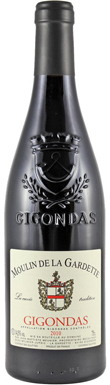
Opened by the owner of Moulin de la Gardette, Jean-Baptiste Meunier, at L'Oustalet restaurant in Gigondas, from his private reserves. It has an amazingly deep colour still for a Grenache-based wine at 34 years of age, with some dried-blood colouring at the edges of the glass. The principal aromas are truffle, sous-bois and a touch of sweet decay, but also some cherry fruit. On the palate there's beef jus and some spice notes. It has held together remarkably well, and still has enough structure to go with food. It has a long, meaty finish, with smoky Lapsang Souchong tea leaf notes to finish the experience. This is unlikely to improve at this stage, but it's unlikely to fall apart either. Highly impressive for a Gigondas of this age.
1983
Moulin de la GardetteGigondas
Domaine Armand Rousseau, Chambertin Grand Cru, Burgundy, France, 1983
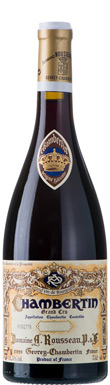
An even older treat followed. I’ll spare you the primary jottings this time, but in colour this was the lightest and most translucent wine on the table. Its aromatic architecture is outstanding: one of those wine scents which defies belief - it seems to set before you the reassurance of a moment in time and of a comforting psychological state rather than the simplicity of a mere allusive repertoire. These scents made me think again of day’s end, of the respiring countryside and the relief of having reached the warmth of evening without mishap – though I guess I could have noted leather, raspberry, mushrooms and smoke in place of all that, too. On the palate the wine is intense, deep and fresh, not actually 'warm' at all, but energetic and lifted, darting, and with its innate complexities now resolved into the kind of harmonious whole which almost makes you forget the wine has innate complexities. According to Frank Ward, this wine 'didn’t show well for 25 years,' – and, just a decade beyond that, this was his last bottle. Thank you, Frank.
1983
Domaine Armand RousseauChambertin Grand Cru
Château Talbot, St-Julien, 4ème Cru Classé, Bordeaux, France, 1947
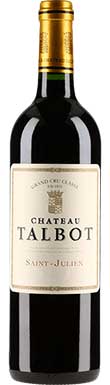
The 1947 stands right next to the 1989 in this tasting, and its colour has almost the same inky depth. It tastes younger than the 1945 on the attack, but with the same sense of energy and life, helped no doubt by small yields giving concentration. On the palate it's soft appealing and delicate, with brambly blackberry fruit, grilled toffee and sweet cherry notes, a gourmet, patisserie side, soft aromatics and a salinity on the finish that lifts you up. The tannins are incredibly silky, floating on air, and yet you still feel their presence gently guiding the fruit. This and the 1945 are giants of vintages. I am tasting this, by the way, on my own in front of a fire, as I have to leave the estate before the lunch where the wine is being served to everyone. I just need to bring out my Murakami book and they may never be able to prise me out of this room. Reconditioned in 2015, served from bottle.
1947
Château TalbotSt-Julien
Taittinger, Comtes de Champagne, Champagne, France, 1983
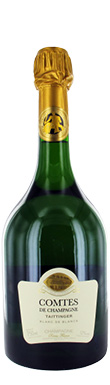
1983 started cold and rainy, but flowering was successful, and there was a large crop of vines. Weather throughout the growing season was promising, but rain began to fall in September. The rain swelled the grapes, diluting the wines and reducing concentration. The bottle tasted in May 2022 showed a deep colour and a lack of mousse. There was a sweet, baked apple fruit, but the wine lacked tension, acidity, and concentration and had a disappointingly short finish.
1983
Taittinger
Krug, Clos du Mesnil, Champagne, France, 1983
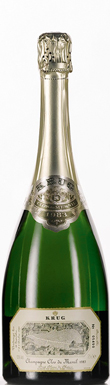
Mature, and the essence of Chardonnay. A vibrantly attractive limey citrus attack is supported by a lively acidity which is very much intact. The elegance, length and finesse mark it out. Not in the same league as the '82, '85 or '88, but really delicious and distinctive, nonetheless – and one of the vintage’s best wines.
1983
Krug
Ortubia, Single Estate, Rioja, Northern Spain, Spain, 2007
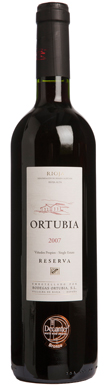
PBT: A discreet, austere and classy style of Rioja Reserva. Its character is indicative of a cooler climate and it is masterfully aged. A great classic, true essence of Rioja. SJE: Forward and lively aromatics flow onto a dark and savoury palate; a stimulating combination. It is long lived and the whole ensemble is backed up by high acidity, pointing at a cool climate. PM: Mature and stylish, this fleshy Rioja is showing great potential for ageing, but is also perfectly ready to drink now. Its smooth, mellow finish lends itself to drinking on its own or with food.
2007
OrtubiaRioja
Château Smith Haut Lafitte, Graves, Bordeaux, France, 1947
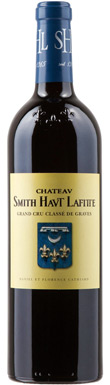
No data was recorded on the blend of the '47, but this has an amazing level of soft brushed red fruits that are still extremely fresh. It's pretty incredible that this has so much life and sparkle in it even though it's gentle and gliding, not kicking up its heels. It seems almost immaterial to give a drink-by date at this stage, as the answer really has to be to drink it when you are able to get hold of a bottle; and savour every drop.
1947
Château Smith Haut LafitteGraves
Torres, Mas La Plana Gran Coronas, Penedès, Spain, 1971
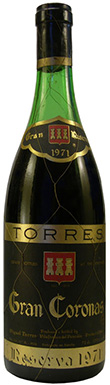
In its second vintage this wine was still known as Gran Coronas, as the name didn’t change until later in the decade. '71 was a complicated vintage with higher than average rainfall and particularly heavy downpours in September, which necessitated rigorous sorting of the grapes. The blend is 70% Cabernet Sauvignon, 20% Tempranillo and 10% Cabernet Franc. Moreover, the vines were just five years old in 1971. Fermentation was in stainless steel vats and the wine was then aged for six months in new American oak and eighteen months in second and third year oak casks. 45 years on, this elegant wine is in astonishingly good shape. There is plenty of evolution with balsam, mushroom, tobacco, leather, woodsmoke and liquorice, but there are also shades of primary cassis notes very much in evidence. Similarly, there’s still plenty of structure thanks to a nice acidic cut, delicate weight and fine, evolved tannins. Genuinely impressive and by no means at its peak.
1971
Torres
Chateau Montelena, Estate Cabernet Sauvignon, Napa Valley, California, USA, 1983
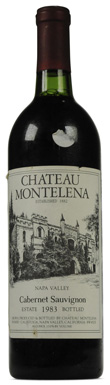
This was an El Nino vintage with heavy winter and harvest rainstorms. Montelena mostly picked during the Indian summer in October, so this turned out to be a great vintage for them. Tannin is still apparent, as they extended maceration to 60 days. The wine has evolved beautifully: the nose is dried herbs and spicy fruit and the flavours of fresh berries and earth linger on the palate.
1983
Chateau MontelenaNapa Valley
Tenuta San Guido, Sassicaia, Vino da Tavola, Tuscany, Italy, 1983
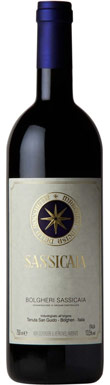
This is highly aromatic and complex, quite unusual. Notes of salted caramel shortbread, grilled pistachios and almonds, mixed in with the olives and autumnal fruits. This is pretty, charming, softened, generous and fragrant. It is a wine that you think is over, then it taps you on the shoulder to remind you that you are not done, and why would you try to get away sooner? This was the first vintage (in the modern era) that was made when winemaking and bottling began on site in Tenuta San Guido’s own cellars, as from 1968 to 1982 it was done by the Antinoris at their estate.
1983
Tenuta San GuidoVino da Tavola
Vega Sicilia, Unico, Ribera del Duero, Castilla y Léon, Spain, 1983
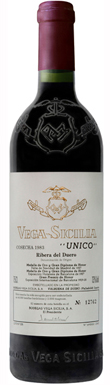
Intensely concentrated with blackberries, roasted herbs and aged pu’er tea leaf notes. Youthful and vigorous, this needs another 10 years of ageing before it mellows into a classic, elegant Unico.
1983
Vega SiciliaRibera del Duero
Quinta do Noval, Colheita, Port, Douro Valley, Portugal, 1995
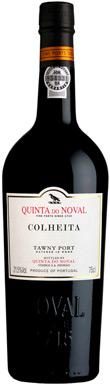
A mild, damp winter preceded a warm spring and hot, dry summer. This is pale tawny with an amber-orange rim. The aromas are delicate, lifted and high-toned, while the palate shows beautiful sweet, silky milk chocolate fruit and a vestigial dusting of tannins, retaining depth and richness and leading to a long, suave finish.
1995
Quinta do NovalPort
Freixenet, Can Sala, Cava de Paraje Calificado, Penedès, Spain, 2007
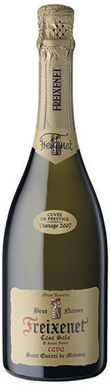
The highly drinkable proof that Parellada can give great wines. Amazing, discreet elegance and fresh expression, which benefit considerably from a long period of ageing. Lovely developed aromas and nice acidity; an austere and serious style of Cava, with lots of character. A real jewel.
2007
FreixenetCava de Paraje Calificado
Domaine des Comtes Lafon, Meursault, 1er Cru Perrières, Burgundy, France, 2007
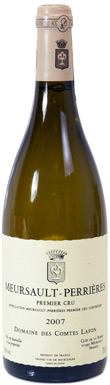
If it was easy to assume that Rapet’s 2003 Corton-Charlemagne was a Meursault, the opposite was true with Lafon’s `07 Perrières, particularly once you had it in your mouth. Vintage style triumphed over site yet again. This is relatively pale for a ten-year-old, smelling rather reserved and principally fruity (apple through to mango), with a faint honeyed sweetness. It's cool, teasing, shy, not particularly stony. There is a cascading surge of citrus acidity on the palate, intense and almost searing, still carrying a little new oak externally. The energy, sappiness, thrust and arc of the wine in the mouth is impressive, and it's in no hurry to be drunk.
2007
Domaine des Comtes LafonMeursault
Concha y Toro, Don Melchor, Puente Alto, Maipo Valley, Chile, 1995
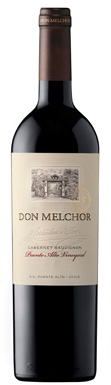
The only vintage to include Merlot. although the 2016 will also have a tiny amount. Shows hints of reduction, which dissipate to reveal lovely fruit, but the tannins lack the usual suaveness.
1995
Concha y ToroPuente Alto
