
Meursault: Regional profile & 33 wines tasted
Charles Curtis MW reports that there is far more to Meursault than the rich, opulent white wines for which it is so renowned.

Many people know – or think they know – the wine of Meursault. A rich wine with aromas of hazelnut, butter, an edge of honey and a bit of oak spice all fit into the stock conception of Meursault.
However, after tasting more than a hundred wines and visiting 18 Meursault producers, I am more convinced than ever that there are many Meursaults, and it pays to discover them all. As Dr. Lavalle wrote in 1855: ‘After Montrachet, I know of no other white wine more exquisite.’
Scroll down to view Charles Curtis MW’s notes and scores for 33 wines from Meursault
The summit of Mont Mélian commands a sweeping view over the Saône plain. It is unsurprising that this perch has been inhabited since neolithic times and that the Celts and Roman legions built fortifications here.
The rich roots of Meursault
Today, the vineyards of Meursault reach almost to the relics of these camps and the modern village of Meursault lies at the foot of the slope. The written record of winemaking here dates to the donation in 1098 of vineyards in Meursault by Eudes, Duke of Burgundy, to the recently formed abbey of Cîteaux.
Supplemented with further donations, the vineyard holdings in Meursault became the second largest after the Clos de Vougeot. The village has long been associated with white wine – André Jullien wrote in 1816 that the whites were often ‘sold as Montrachet’.
Perrières: grand cru in all but name?
However, despite the enthusiasm of Jullien and Lavalle, there are no grand crus in the modern classification of Meursault. There is talk from time to time about elevating all or part of premier cru Perrières to grand cru status, but the consensus is that this will not happen because of the fragmented ownership of the vines.
A recent effort by Domaine Albert Grivault to have its monopole Clos des Perrières elevated was defeated by just such discord, even though most authorities recognise the preeminence of Perrières.

Several vineyard lieux-dits can be included in Meursault Perrières. These may or may not appear on the label. Les Perrières-Dessous and Clos des Perrières are at lower elevations, and Les Perrières-Dessus and Aux Perrières are further up the slope.
None of the growers in Aux Perrières call it out on the label, and most refer to it simply as Perrières-Dessus. Some wine lovers opine that Dessous is better than Dessus, but it seems that ultimately the quality of the finished wine depends as much on the grower’s skill as it does on the location of their vines.
In general, the wines of Perrières are the most complete and powerful in all of Meursault, with a pronounced mineral edge. In some vintages they can risk being too rich and too concentrated, but they are thrilling wines. Be prepared to invest, however – the 2016 Coche-Dury Perrières, for example, is currently listed at around £3,000 or more per bottle.
Perrières is not the only premier cru in Meursault. A series of premier crus in this area share a similar exposure. Downslope from Perrières lies Charmes, and just to the north is Genevrières. These three are the most well-known of the premier crus, if only perhaps because they are also the largest.
However, according to most local growers, there is no fundamental difference in the terroir between these three and the three to the north: Porusot, Bouchères and Gouttes d’Or. Their exposure is the same, although there are differences between the upper part (Dessus) and the lower part (Dessous).

Porusot, Genevrières, Charmes and Perrières are all divided into Dessus and Dessous. In the 19th century there was a qualitative distinction, but today they all have nominally the same standing.
This entire band of premier crus is set apart by the presence of quarries along the fault lines underground that are clearly visible as one drives south toward Puligny. Above these quarries is scrubland, where the soil is too thin to support grape growing – these areas being called chaumes in French.
Atop the chaumes sits another distinctive set of vineyards that all share a steely mineral quality and a pronounced lemony fruit aroma, often with an edge of white floral notes. These high-elevation sites differ from the dense, powerful premier crus or the richer, lusher wines produced at lower elevations in deeper soils.
The vines here climb from 300m-380m; because of the height, these are village-level rather than premier cru, although they share the same exposure as the vines below. From north to south, these vineyards are Les Vireuils, Les Clous, Les Casse Têtes, Les Tillets, Les Narvaux and Les Chaumes. At the southern end of this strip lies the tiny, almost deserted hamlet of Blagny, above the border between Meursault and Puligny.
There are just over 23ha of Blagny above Meursault and nearly 21ha above Puligny. Both red and white wines are produced – if red, they are sold as Blagny or Blagny Premier Cru; if they are white, they bear the name of the commune in which they lie, thus either Meursault Premier Cru or Puligny-Montrachet Premier Cru (since all of the white is premier cru).

The lieux-dits in Meursault include La Pièce sous le Bois, La Jeunellotte (or Genelotte), Sous le Dos d’Ane and Sous Blagny, while those above Puligny include Sous le Puits, La Garenne and Hameau de Blagny. The vines face almost due south and are sheltered by the Bois de Blagny at the top of the slope, which gives them an edge.
Below the chaumes north of the strip of premier crus lie the vineyards on the left bank of the stream called the Ruisseau des Cloux that trickles down the Auxey valley.
These are exposed to the cooling influence of the valley and are classed as village-level; the vineyards include (from north to south) Les Meix Chavaux, Les Chevalières, Les Rougeots, Le Tesson, Les Grands Charrons, Les Petits Charrons, En Luraule, Clos de Mazeray and Au Moulin Landin.
Meursault at a glance:
AP created 31 July, 1937
Vineyard area 449.69ha (133.63ha premier cru)
Average yield White wine: 12,720hl (1.7 million bottles), of which 4,771hl is premier cru
(630,000 bottles). Red wine: 350hl (46,000 bottles)
Source: Les Vins de Bourgogne, 16th edition, Laurent Gotti & Sylvain, 2014
On the right side of the Ruisseau des Cloux, there are more village-level vineyards, including the well-known Clos de la Barre (a monopole of Comtes Lafon) and En la Barre and La Barre Dessus (which are not monopoles). There is also Le Cromin (or Clos du Cromin). These vines produce a rich, almost savoury style of Chardonnay.
Meursault’s unsung reds
There is still another sector of Meursault north and east of these vineyards, where more Pinot Noir is planted.
Further into the plain to the east, the village-level Les Malpoiriers and Les Dressoles are planted to Pinot Noir, and Les Durots is planted to Pinot Noir and Chardonnay. By far the most significant Pinot vineyards in Meursault, however, do not bear the name of the village – they are sold as Volnay Santenots.
Grapes from Les Santenots du Milieu are considered the best. The lieux-dits of Les Santenots Dessous, Les Plures and Les Santenots Blancs are Volnay Santenots Premier Cru if Pinot Noir is planted, or Meursault Premier Cru if Chardonnay is planted. One notable exception: Comtes Lafon grows Chardonnay in Les Plures, which they sell as Meursault Désirée. Because the legal name is Les Plures (or Les Petures), they are not entitled to premier cru status, even though they have sold it as Désirée since the 19th century.

Wedged between Santenots and the border with Volnay are two small premier crus: Les Cras and Les Caillerets. These are often planted to Pinot Noir as well. Still, there are notable white wines here – Domaine Henri Boillot has a clos within Les Cras called Clos Richemont planted to Chardonnay, and Coche-Dury produces a delicious Chardonnay from Les Caillerets.
The vines do not end here, however. A wide swathe on either side of the route N74 is entitled only to Bourgogne status. These Bourgogne Blancs extend all the way to the railroad line east of the N74; those west of the Route Nationale can be called Bourgogne Côte d’Or, and increasingly the vineyard names here are finding their way onto labels.
Examples include Les Vaux, Les Herbues, Belle Côtes, Murgey de Limozin and Les Coutures. There are several parcels that are split between Bourgogne and Meursault AP, including Clos du Moulin within the lieu-dit Au Village (produced by Domaine Albert Grivault) and Sous la Velle, produced by Marthe Henry Boillot.
Although these simple Bourgognes are not entitled to the Meursault name, they can often approximate the style at a fraction of the price. Wines from each of these sectors of Meursault richly deserve the attention of the wine lover for everything from day-to-day wines to collectible treasures.
Eight Meursault names to know
There are, of course, many more than eight names to know, but I have decided on the following. I should mention, however, that the négociant houses Bouchard Père et Fils and Benjamin Leroux have significant and qualitative holdings in Meursault.
It is also worth noting that there are (at least) two young growers based in Meursault that richly deserve mention: Marthe Henry Boillot (granddaughter of Pierre Boillot and niece of François Mikulski), and Pierre Vincent Girardin, the son of Vincent Girardin.
There are also the following considerable domaines which deserve to be discussed in more detail: Domaine Comtesse de Cherisey (in Blagny), Domaine Arnaud Ente, Domaine Jean-Philippe Fichet, Domaine François Gaunoux, Domaine Génot-Boulanger, Domaine Henri Germain, Domaine Patrick Javillier, Domaine Antoine Jobard, Domaine Rémi Jobard, Domaine Thierry & Pascale Matrot and Domaine Pierre Morey.
Domaine des Comtes Lafon
The Domaine des Comtes Lafon is among the most notable producers in Meursault, both for the quality of the wines and for the size and lustre of its vineyard holdings. Today, just over 16ha of certified organic vineyards are meticulously farmed using biodynamic methods. Legendary winemaker Dominique Lafon passed control of this domaine to his daughter Léa and nephew Pierre at the end of the 2021 vintage, but his influence will long be felt.
The domaine was established by his great-grandfather Jules, whose wife Marie had inherited vines in and around Meursault, to which he continued to add throughout his life. Dominique joined the domaine in 1983 and gradually took back the leases from the sharecroppers (notably the Morey family) and oversaw the organic certification of the vines.
In the winery, Lafon begins by picking reasonably early. Winemaking has been adapted to combat premox (premature oxidation): clusters of Chardonnay are slowly pressed as whole bunches and the must is allowed to oxidise in the press.
The juice is settled overnight and then run into casks with a high proportion of lees. The use of new casks is moderate and the lees are stirred only as needed. The wines are bottled under Diam corks, and problems with premox have disappeared in recent years.
Under Pierre, the winemaking continues to adapt, particularly for red wines, as he increases the proportion of whole clusters and decreases the frequency of the punching down in response to global warming. This top-level estate keeps up with the times and makes wines at the highest level.

Domaine Coche-Dury
Few would dispute that Domaine Coche-Dury produces the most sought-after wines in Meursault. The domaine was founded in the 1920s by Léon Coche, whose three children contributed to three different Meursault estates: the domaine of his son Julien is now known as Fabien Coche; the vineyards of his daughter Marthe were passed to her son-in-law Guy Roulot, and those of his son Georges became Domaine Coche-Dury.
Although justly renowned for its Corton-Charlemagne, the largest share of vines is found in Meursault, where they are based. Coche-Dury came to prominence under Georges’ son Jean-François, who retired in 2010; the domaine is now run by Jean-François’ son Raphaël and his wife.
Raphaël emphasises the continuity of the style and the estate, but he is his own man. Among his most notable coups was the expansion of his legendary holdings in Corton-Charlemagne, but there have been other changes as well.
The winemaking is similar but perhaps less flamboyant. The grapes are lightly crushed and run into cask for fermentation on native yeasts. The percentage of new wood has declined a bit under Raphaël, and the aroma is less marked by a smoky reductive character than it has been in the past. Bottling is still mainly, but not exclusively, by hand.
The Bourgogne is primarily (in some vintages completely) from vines surrounding the domaine in the village of Meursault. The most significant production is the village-level Meursault, which may or may not carry the name of the lieu-dit. The domaine owns parcels in Rougeots, Chevalières, Caillerets, Narvaux, Luchets and Vireuils; there is even a bit of (very good) red made from lieu-dit La Barre, as well as the spectacular (and spectacularly expensive) premier crus Perrières and Genevrières.
Domaine Roulot
Roulot was founded in the 1930s and received an infusion of vineyards when Guy Roulot married Geneviève Coche. The domaine became prominent under his management from the 1950s until his untimely death in 1982. His son, noted stage and film actor Jean-Marc Roulot, has overseen the domaine since 1989.
Under Jean-Marc, the domaine has become one of the most innovative estates in Burgundy. He was among the pioneers of the early picked, lively and slightly reductive style of Meursault that is dominant among fashionable producers today. The grapes are lightly crushed before pressing and the juice is run into barrels – primarily used – with almost all the lees. Bâtonnage is rarely done. The wines age for a year in cask and another six months in tank, and the results are exhilaratingly fresh and dynamic.
The largest holding by far is the Bourgogne Blanc, at nearly 5ha, all within the commune of Meursault. There is also a good quantity of village-level Meursault, with the grapes coming from the Clos de la Baronne which was acquired from René Manuel in 2011 (and split with Lafon) along with fruit from Gruyaches and Crotots, both right below the band of premier crus.
There are also single-vineyard Meursault bottlings from Tesson (which he calls Clos du Haut Tesson), Tillets, Luchets, Meix Chavaux, Vireuils, and Narvaux. The portfolio is completed with holdings in Perrières, Porusot, Charmes and the magnificent 1.37ha Clos des Bouchères from the René Manuel purchase. These are superb, stylish wines that richly reward the effort to lay them down if one has the patience to wait.

Domaine Henri Boillot & Domaine Camille et Guillaume Boillot
This domaine was founded in Volnay in the early 20th Century by Henri Boillot and expanded by his son Jean, whose son, also named Henri, joined in 1975. The current Henri Boillot was joined by his son Guillaume, who is taking on an ever-larger role in the operation. He initially started with the red wines, introducing integral vinification (barrel fermentation of the red wines).
The whites are lightly crushed and slowly pressed in a vertical basket press in one long, slow pressing. The must is run directly into cask, almost without settling, and fermented slowly. For the maturation of the wines, Boillot has long been known for its use of barrels from cooper François Frères which impart a smoky aroma.
There are two sides to the Henri Boillot production. The first is Domaine Henri Boillot, produced from the vines it owns. This is the domaine that was formerly known as Domaine Jean Boillot. In 2005, Henri bought out the shares of his siblings Jean-Marc and Jeannine. The other side of the business is the négociant wines, which began in 1995. As the father and son have acquired more vineyards, the négociant side has been reduced.
The most recent development was the creation of Domaine Camille et Guillaume Boillot by Guillaume and his wife. Together, the couple make delicious, compelling wines in their own style. Both domaines will be important ones to watch in the years to come.

Domaine Pierre Boisson / Domaine Anne Boisson
Although the Boisson family have been vignerons in Meursault for two centuries, they have only recently received widespread attention. The current generation is represented by Pierre and Anne, each of whom has their own label, although the 8.5ha of vines are owned collectively by the family.
It is said that Pierre Boisson has been a friend of Raphaël Coche from school days; the wines indeed bear some resemblance. The father of Pierre and Anne is Bernard, who is still involved and receives visitors at the winery.
The winery used to be called Boisson-Vadot, although there were also bottles labelled Bernard Boisson, and the domaine is referred to as such in Clive Coates MW’s book, Côte d’Or: A Celebration of the Great Wines of Burgundy. Regardless of how the wines are labelled, the wine inside compels one to investigate.
The grapes are picked early but without exaggeration, and they are crushed first and then firmly pressed, using both a pneumatic and a mechanical press, for a long, slow press cycle. The juice is run into barrels with almost all the lees and only the briefest of settling.
There is a very low proportion of new casks and the maturation can be anywhere from 14-22 months. The lees are rarely stirred and the wine is lightly fined but not filtered before bottling. The ranges include Bourgogne Blancs from several lieux-dits that can be bottled individually or blended, including Les Vaux, Les Herbues, Les Belles Côtes, Murgey de Limozin and Les Coutures (both Grandes Coutures and Basses Coutures).
Similarly, village-level Meursault can come from Criots, Perchots, Sous la Velle, Grands Charrons and Chevalières, alone or in combination. Finally, there is reputed to be a marvellous premier cru, Genevrières, that I have yet to taste, although I will be going back this autumn.
Domaine Albert Grivault
Albert Grivault is a venerable estate founded in 1879. The property continued under Grivault’s widow and daughters, Berthe Grivault and Mathilde Grivault Bardet. Since their time, the estate has been passed down through the Bardet family. It is run today by Grivault’s grandson Michel Bardet and his daughter Claire.
The estate totals just under 6ha, 5.08ha in Meursault and an additional 0.89ha in Pommard Premier Cru. The Meursault vineyards include the 2.58ha Clos du Murger situated behind the winery. This is located in the lieu-dit Au Village and is split between AC Meursault and Bourgogne.
The domaine owns a hefty 1.55ha of Meursault Perrières Premier Cru. The oldest vines are planted here, with an average age of 50 years. The Bardets also own the 0.95ha monopole of Clos des Perrières Premier Cru; these combined holdings make them by far the largest owner of Perrières.
The wines are fermented in cask (mostly from the Damy cooperage, although François Frères is used for the Clos des Perrières). There is a very low percentage of new wood (usually not more than 10%) and bâtonnage is rarely done.
The wines are not as well-known as they might be, but they have their admirers: Lalou Bize-Leroy used to purchase Clos des Perrières from the Bardets, although her allocation has dwindled in recent years. In general, the Perrières generally seems a bit closed on release, but tasting older vintages reveals that they are a marvellous discovery.

Domaine Michel Bouzereau
Jean-Baptiste Bouzereau relates that his family has been based in Meursault for seven generations and that today there are five different domaines that all sport the Bouzereau name.
He has managed Domaine Michel Bouzereau since his father’s retirement in 2000. In 2008, he constructed a new winery, and today his branch of the family farms just over 12.5ha; 11ha of Chardonnay and 1.7ha of Pinot Noir in Meursault, Volnay, Pommard and Beaune. The vineyards are farmed according to organic principles but without certification.
The domaine tends to pick early but not overly so – as Jean-Baptiste says: ‘I don’t want to make Riesling’, and he’s looking for a balance between flesh and freshness. The vines are spread over 35 parcels in 17 different appellations.
The whites are crushed before pressing and settled overnight before running into cask for fermentation with more lees than was formerly the case. Use of new barrels is limited to 10% for the Bourgogne and no more than 20% for the rest of the wines, which generally see 15 months in cask and then three more in tank.
Holdings in the village include regional-level vines in Sous la Velle, Magny, Belle Côte and Au Village (Clos du Moulin); village-level wines in Grands Charrons, Limozin and Tessons, and premier cru vines in Blagny, Charmes, Genevrières and Perrières.

Domaine de Montille
Domaine de Montille is based in Meursault, and the winery makes delicious wines from this commune, although its reach is much broader than this, and is perhaps more well-known for red wine than for white.
The domaine dates to the 1730s but was re-named in 1863. By this time, there were more than 20ha of vines. Most of these had been sold when Hubert de Montille took over after the Second World War. He pursued a career as a lawyer but continued to make the wines and rebuild the estate.
His son Etienne began to work with him in 1983 and took over entirely in 1995, converting the domaine to organic production. He began to manage the Château de Puligny Montrachet in 2002. In 2005, he split the Thomas-Moillard domaine with the Dujac family, and in 2012 he was able to put together a deal to purchase the Château de Puligny Montrachet.
Today, Domaine de Montille consists of 37ha stretching from the Côte de Beaune to the Côte de Nuits, and Etienne is ably assisted by his technical director Brian Sieve. Their principal holdings in Meursault include 0.24ha in Narvaux, a further 0.73ha of village Meursault as well as 0.45ha in Perrières and 0.63ha in Porusot.

See Charles Curtis MW’s notes and scores of 33 distinctive wines from Meursault
Related articles
- Regional profile: Nuits-St-Georges & 22 wines tasted
- Join Charles Curtis MW for a superb Burgundy masterclass at DFWE London
- Mâconnais: Value heroes of Burgundy plus the 20 wines to seek out
Domaine Coche-Dury, Meursault, 1er Cru Perrieres, Burgundy, France, 2016
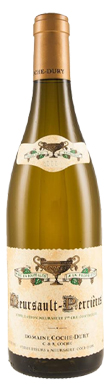

This extraordinary wine has barely evolved since its release. It still shows a very light lemon-yellow colour and youthful notes of lemon, green apple, acacia...
2016
Domaine Coche-DuryMeursault

Domaine des Comtes Lafon, Meursault, 1er Cru Perrieres, Burgundy, France, 2022
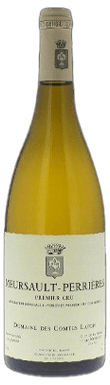
Although somewhat reserved at present, this has the makings of a monumental wine. Quince, ripe apricot and nectarine aromas are accented with hints of spice...
2022
Domaine des Comtes LafonMeursault
Bouchard Père & Fils, Meursault, 1er Cru Perrieres, Burgundy, France, 2020
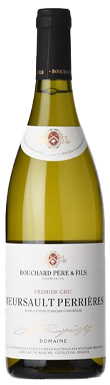
Delicate aromas of fresh white flowers, ripe apples and butter. The texture has a lovely, creamy complexity and a fine, silky finish that stretches impressively...
2020
Bouchard Père & FilsMeursault
Domaine Albert Grivault, Meursault, 1er Cru Clos des Perrières, Burgundy, France, 2000
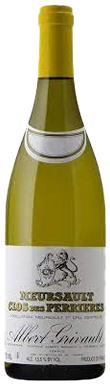
Complex, profound and showing the potential of this terroir with its bouquet of hazelnut, quince, hay and beeswax. Despite the rich array of flavours, there...
2000
Domaine Albert GrivaultMeursault
Domaine Pierre Morey, Meursault, 1er Cru Perrieres, Burgundy, France, 2022
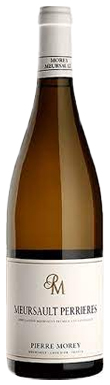
According to Anne Morey, earth and fire are the elements of Perrières; she describes the vineyard as a heap of stones with vines growing straight...
2022
Domaine Pierre MoreyMeursault
Domaine Roulot, Meursault, 1er Cru Clos des Bouchères, Burgundy, France, 2021
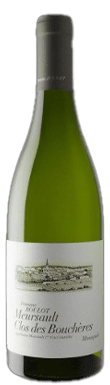
Forward, lush aromas of pear, nectarine and linden flowers – much riper than most in this vintage. The texture is plump and round, yet there...
2021
Domaine RoulotMeursault
Benjamin Leroux, Meursault, 1er Cru Genevrières-Dessus, Burgundy, France, 2022
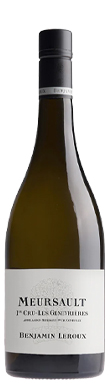
Lovely richness without being heavy, and boasts ripe apple, apricot and quince aromas, with heady notes of beeswax and white flowers, but there is a...
2022
Benjamin LerouxMeursault
Domaine Albert Grivault, Clos du Murger, Meursault, Burgundy, France, 2019
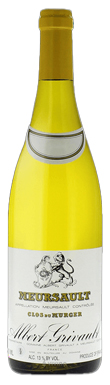
The Clos du Murger is behind the Bardet family home in the village; the lieu-dit is Au Village and part of the clos is AC...
2019
Domaine Albert GrivaultMeursault
Domaine des Comtes Lafon, Clos de la Barre, Meursault, Burgundy, France, 2022
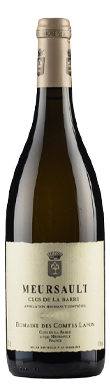
Lafon’s holding in Clos de la Barre, in the centre of Meursault, produced over 45 barrels in 2022. The wine has a marvellous equilibrium between...
2022
Domaine des Comtes LafonMeursault
Domaine Fichet, Les Gruyaches, Meursault, Burgundy, France, 2022
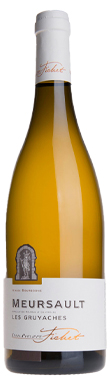
Aromas of lemon peel, marzipan and spice spring from the glass of this seductive Meursault. The texture is creamy and rich, but a lively, almost...
2022
Domaine FichetMeursault
Domaine Michel Bouzereau, Meursault, 1er Cru Les Charmes Dessus, Burgundy, France, 2022
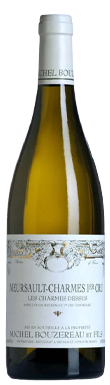
Boasting aromas of ripe apple, fresh walnuts and butter, this is a classic Meursault with a broad feel on the palate and plenty of extract,...
2022
Domaine Michel BouzereauMeursault
Domaine Pierre Boisson, Les Grands Charrons, Meursault, Burgundy, France, 2019
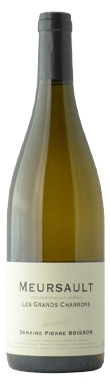
This superb Meursault is among the finest examples of the style – elegantly classic that parses both the traditional buttery richness of the commune with...
2019
Domaine Pierre BoissonMeursault
Domaine Roulot, Luchets, Meursault, Burgundy, France, 2021
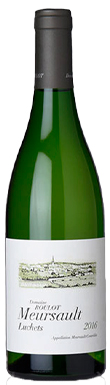
This racy, elegant wine features bright aromas of ripe apple, mineral and hawthorn flowers. The texture is creamy, richer than some in this cool year,...
2021
Domaine RoulotMeursault
Henri Boillot, Meursault, 1er Cru Clos Richemont, Burgundy, France, 2022
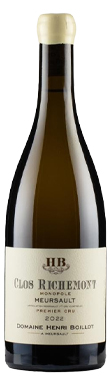
Deliciously lush, showing ripe apple, quince and spice aromas with a hint of hawthorn. The texture is buttery and rich but not heavy, with plenty...
2022
Henri BoillotMeursault
Benjamin Leroux, Meursault-Blagny, 1er Cru La Pièce Sous le Bois, Burgundy, France, 2022
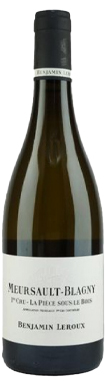
From the top of the slope (lower elevations are planted to Pinot Noir), this delicious Meursault premier cru has retained a gratifying freshness even in...
2022
Benjamin LerouxMeursault-Blagny
Bouchard Père & Fils, Meursault, 1er Cru Genevrières, Burgundy, France, 2018
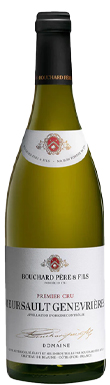
The Bouchard holdings in Genevrières delivered a classic style in the 2018 vintage. Rich and spicy, with hints of butter, oak and beeswax. The texture...
2018
Bouchard Père & FilsMeursault
Domaine Armand Heitz, La Barre, Meursault, Burgundy, France, 2020
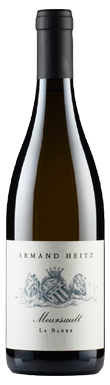
With forward aromas of ripe apple, acacia flowers and spice, this delicate, elegant wine exhibits admirable balance and finesse. Yet, there is enough substance and...
2020
Domaine Armand HeitzMeursault
Domaine Camille et Guillaume Boillot, Meursault-Blagny, 1er Cru, Burgundy, France, 2022
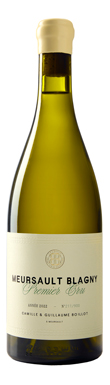
The wines of Domaine Camille et Guillaume Boillot are very distinct from those Guillaume makes for Domaine Henri Boillot. The high-elevation terroir of Les Clous...
2022
Domaine Camille et Guillaume BoillotMeursault-Blagny
Domaine Fabien Coche, Clos du Pré du Manche, Meursault, Burgundy, France, 2022
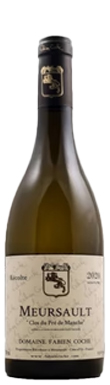
Lovely citrus and floral fruit aromas lead into a texture on the palate that is sharply mineral, almost salty, yet there is a pleasantly creamy...
2022
Domaine Fabien CocheMeursault
Domaine Fichet, Les Chevalières, Meursault, Burgundy, France, 2022
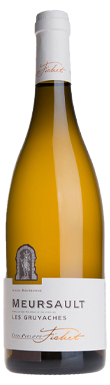
Slightly exotic aromas of grapefruit and passion fruit are accented here with a bit of smoky reduction and a hint of acacia blossom. The texture...
2022
Domaine FichetMeursault
Domaine Génot-Boulanger, Clos du Cromin, Meursault, Burgundy, France, 2022
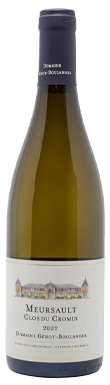
This fine terroir abuts Santenots. The former quarry has stony clay soils over solid limestone slabs, giving the wine a pronounced mineral expression. The aromas...
2022
Domaine Génot-BoulangerMeursault
Domaine Jacques Prieur, Clos de Mazeray, Meursault, Burgundy, France, 2020
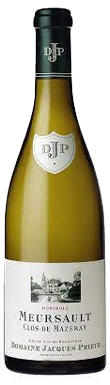
This monopole of Domaine Jacques Prieur produces both red and white. The white is nicely lemony, but there is no lack of breadth, and it...
2020
Domaine Jacques PrieurMeursault
Domaine Pierre Vincent Girardin, Les Narvaux, Meursault, Burgundy, France, 2021
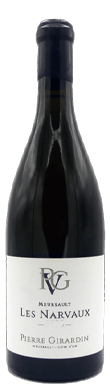
There is an almost bracing character to the bright lemony fruit of this Narvaux. There are floral notes, a slight reduction and a hint of...
2021
Domaine Pierre Vincent GirardinMeursault
Domaine Roulot, Les Vireuils, Meursault, Burgundy, France, 2021
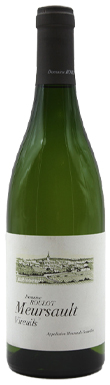
Vibrant, boasting salty, smoky lime peel fruit aromas and a penetrating mineral edge. There is a tension here, but also enough flesh to make it...
2021
Domaine RoulotMeursault
Marthe Henry Boillot, Sous la Velle, Meursault, Burgundy, France, 2020
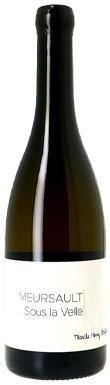
At present, this is the only Meursault in Marthe Henry Boillot’s cellar, and it is a delight, boasting a bright, lemony fruit, and hints of...
2020
Marthe Henry BoillotMeursault
Domaine de Montille, Meursault, 1er Cru Les Porusots, Burgundy, France, 2022
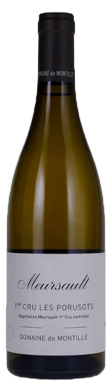
Reductive smoky notes and salty minerality colour the bright aromas of grapefruit, greengage plum and passion fruit. Although the wine has lively acidity, there is...
2022
Domaine de MontilleMeursault
Domaine de Montille, Saint-Christophe, Meursault, Burgundy, France, 2020
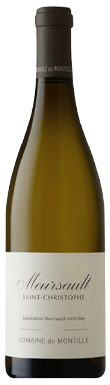
This classic Meursault has a ripe apple and hazelnut aroma with hints of butter and spice. The texture is rich and silky, and the weight...
2020
Domaine de MontilleMeursault
Domaine Joseph Drouhin, En Luraule, Meursault, Burgundy, France, 2020
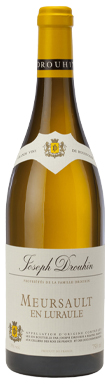
Drouhin’s Meursault En Luraule is done in the classic style, with profuse aromas of ripe apples, acacia flowers, spice and a hint of toasted almonds....
2020
Domaine Joseph DrouhinMeursault
Domaine Michel Bouzereau, Clos du Moulin, Bourgogne, Côte d'Or, Burgundy, France, 2022
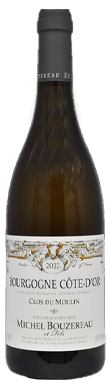
Lemony and bright, with notes of mineral, acacia blossoms and spice; this is superb value. It is part of the lieu-dit Au Village: parts are...
2022
Domaine Michel BouzereauBourgogne
Domaine Pierre Boisson, Les Herbuex, Bourgogne, Burgundy, France, 2022
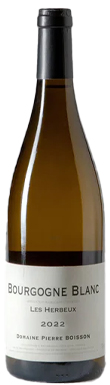
This bright, citrusy wine is crisp and refreshing yet surprisingly deep. There are notes of grapefruit and passion fruit, with a firm mineral underpinning. On...
2022
Domaine Pierre BoissonBourgogne
Domaine des Comtes Lafon, Volnay, 1er Cru Santenots-du-Milieu, Burgundy, France, 2022
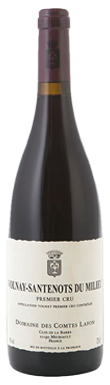
I have long loved the Volnay Santenots from Lafon. The style has been evolving in recent years; if anything, it is even more compelling. Out...
2022
Domaine des Comtes LafonVolnay
Domaine Jacques Prieur, Volnay, 1er Cru Clos des Santenots, Burgundy, France, 2020
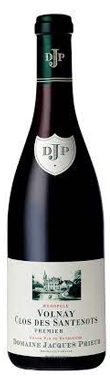
The Prieur monopole, Clos des Santenots, is contained wholly within Santenots-du-Milieu, the top premier cru and among the best in the Côte de Beaune. The...
2020
Domaine Jacques PrieurVolnay
Domaine Pierre Morey, Les Durots, Meursault, Burgundy, France, 2022
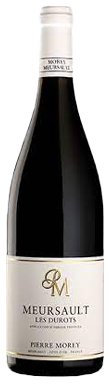
This terroir in the clay soils downslope from Santenots is planted to Pinot Noir and Chardonnay. The wine is unexpectedly deep in colour, with a...
2022
Domaine Pierre MoreyMeursault