
New release first taste: Bollinger PN VZ 16
The Champagne house has launched the second edition of its Blanc de Noirs cuvée; Bollinger PN VZ 16.


This second release of Bollinger’s new cuvée PN (for Pinot Noir) has been highly anticipated after PN VZ 15 was well received by critics last year. And going forward this will be an annual treat for lovers of Pinot Noir-based Champagne.
‘The first edition established the philosophy of the cuvée: 50% of wines of the year (in this case 2016), from a terroir that may change every year, and 50% of reserve wines for a 100% Pinot Noir Champagne,’ explains Denis Bunner, assistant cellar master.
Scroll down for Yohan Castaing’s Bollinger PN VZ 16 tasting note and score
The initial bottling of this Blanc de Noirs Champagne featured the terroir of Verzenay after a competition among the in-house experts that was, in the end, won by cellar master Gilles Descôtes.
For the new release, however, the rules of play changed – it became more of a contest between blends that highlighted different crus, including Verzenay, Aÿ, Bussières and Bouzy. Once again, it was the Verzenay-dominated blend that triumphed.
Bollinger PN VZ 16 breakdown
Verzenay grapes constituted 47% of the final blend this time round, compared to 48% last year.
The cuvée is made from three different years, with 2016 as the base wine supplemented by wine from 2015 and from reserve magnums of 2006, also from Verzenay.
The production process respected the house precepts, with half of the wines aged in barrels, and the other half (including a 25% proportion of reserve wines previously aged in magnums) in stainless steel tanks.
‘2016 was a catastrophic vintage weather wise, until the beginning of August,’ recalls Bunner. ‘It was very rainy, which made it very complicated for the vineyard workers. But then came the Champagne miracle in August with dry weather that allowed us to avoid fungal diseases. The French adage “août fait le moût” (August makes the must) was fully confirmed this year. As soon as the grapes were picked, we observed that Verzenay had a quality level above the rest, notably an alcohol level of 10.6% vol. compared to an authorised average of 9.8% for the whole of Champagne.’
This new perennial cuvée illustrates a strong trend in Champagne: highlighting the terroirs while respecting the fundamentals of the house style.
For Bollinger, the pillars of its production process remain unchanged:
- An in-house vineyard of nearly 180 hectares
- A minimum of 60% Pinot Noir with some Blanc de Noirs cuvées totally dedicated to this grape variety, notably the rare Vieilles Vignes Françaises but also now PN
- Vinification in wood to some degree for all the cuvées (10 to 20% for the brut non-vintage and 100% for the vintage Champagnes)
- Some of the wines are aged in reserve magnums under cork
- Ageing time is essential: three years for Spéciale Cuvée, four years for PN, seven years for Grande Année, and fourteen years for R.D.
‘We are looking for depth in the Pinot Noir wines, and there will surely be other surprises in our exploration of the grape variety’s taste,’ adds the assistant cellar master, which sounds like a sly teaser to arouse our interest in an upcoming innovation.
See Yohan Castaing’s Bollinger PN VZ 16 tasting note and score
You may also like
Champagne Philipponnat vertical: rare and recently-disgorged Clos des GoissesFirst taste: Krug new releasesGuide to Pinot Meunier Champagne
Bollinger, PN VZ 16, Champagne, France
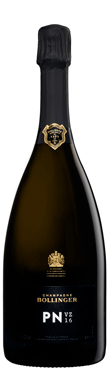

Produced exclusively from vineyards owned by Bollinger, this takes advantage of the dynamic equilibrium between the structured, robust Pinot Noir grape and a terroir that...
Bollinger

