
Northern Italian wines for the adventurous
The northern Italian wine landscape is dominated by giants, but there are other truly exciting wines out there if you look hard enough...


We’ve all heard of Barolo, Barbaresco, Prosecco and Amarone, and you may have heard of Lambrusco and Franciacorta too. But northern Italy produces so much more besides. Piedmont alone boasts 49 DOCs and DOCGs, so it’s clear that the variety is there – it’s just a matter of finding it.
Below, we have put together a list of some northern Italian wines worth seeking out if you’re feeling adventurous. Of course, this is just the tip of the iceberg but if you’re looking to fill up your wine fridge or cellar, these are some great places to start…
Roero Arneis, Piedmont
Roero, on the opposite side of the Tanaro river from the key viticultural zones of Barolo and Barbaresco, is perhaps best known for its Nebbiolos. The Arneis variety, however, should be explored for its beautifully floral, crisp white wines with nuances of one of the region’s specialities – hazelnuts.
Alto Piemonte, Piedmont
Decanter’s regional chair for Piedmont, Stephen Brook, has highlighted these elevated foothill-Nebbiolos of northern Piedmont as wines to watch. A collection of small appellations and communes, the Nebbiolos produced in Bramaterra, Boca, Ghemme, Gattinara and Lessona are generally a touch lighter and softer than those of Barolo and Barbaresco, with higher acidity.
Pelaverga, Piedmont
The Pelaverga Verduno DOC is a stronghold of this rare grape, found in only one other DOC in Italy. Its characteristic red fruits and herb signature has the benefit of being made by some of Barolo’s finest producers.
Sangiovese di Romagna, Emilia-Romagna
Sangiovese in Emilia-Romagna is experiencing a resurgence in quality. Until relatively recently, Sangiovese grown here sold for some of the lowest grape prices in all Italy – a vastly different situation to that of neighbouring Tuscany. How things have changed! There are now 12 recognised MGAs under the Romagna DOC, highlighting the best terroirs of the region. The finest wines showcase the beautiful cherry fruit and vitalic acidity of the variety as well as a unique expression of place.
Carso/Kras, Friuli-Venezia Giulia
This DOC is tucked away in the southeast corner of Friuli-Venezia Giulia in northeast Italy, running between the Port of Trieste and Gorizia. Carso – also known as Kras – has a number of DOCs producing both red and white wines. Dry-stone walling and ‘pastini’ terraces characterise some of the steeper vineyards. Reds are made from Terrano, as well as international grape varieties. Due largely to the recent rise in popularity of orange wines, the indigenous white Vitovska variety has been getting plenty of attention. Its citrus fruits, florality and salinity make it a delicious wine to pair with seafood and cheeses.
Isarco/Eisack Valley, Trentino-Alto Adige
Italy’s most northerly vineyard area, the steep slopes of the Isarco Valley climb to around 1,000m. The wines of this DOC are almost exclusively white with a strong Teutonic influence – this Italian region borders Austria and features a majority of native German speakers. Varieties here include Müller-Thurgau, Sylvaner, Kerner and Grüner Veltliner, quite different to the rest of Italy, and the wines are supremely fresh thanks to a combination of grape and altitude.
Northern Italian Wines to try:
You may also like:
Pelaverga Verduno: Piedmont’s hidden treasure
Resurrecting Monferace Grignolino in Piedmont
Friuli-Venezia Giulia: Regional profile and wines to try
Fontanafredda, Pradalupo Arneis, Roero, Piedmont, Italy, 2017
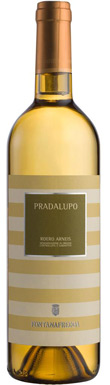
92
Fontanafredda, with 120ha of vines, is Piedmont's largest organic winery, and is now helping its 450 contract growers achieve the certification. This long, textural Arneis has aromas of ripe orchard fruit and a round, nutty palate of honeyed apple and white blossoms.
2017
FontanafreddaRoero
Le Piane, Boca, Piedmont, Italy, 2015
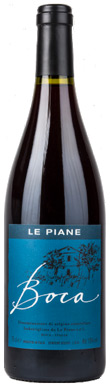

Christoph Künzli, a Swiss wine importer, came to Boca in the mid-1990s and was so entranced by the wines he stayed put. Today he farms...
2015
Le PianeBoca

Sella, Omaggio a Quintino Sella, Lessona, Piedmont, Italy, 2009
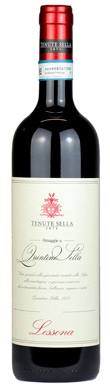
Although based in Lessona, this ancient estate also has vineyards in Bramaterra. The winemaking is traditional, with long ageing in casks. This is its top...
2009
SellaLessona
Fattoria Zerbina, Le Monografie - Vigna Anfiteatro Marzeno, Sangiovese di Romagna, Emilia Romagna, Italy, 2016
For years Cristiana Geminani, the Grande Dame of Romagna, has been instrumental in pushing the region to great heights. The first to reintroduce stake-trained bush...
2016
Fattoria ZerbinaSangiovese di Romagna
GB Burlotto, Pelaverga, Verduno, Piedmont, Italy, 2018
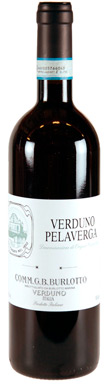
GB Burlotto has grown the rare Pelaverga grape in Verduno since the 1800s. This 2018 displays a hint of the estate's incredible Barolo Monvigliero perfume...
2018
GB BurlottoVerduno
Kante, Vitovska, Kras, Friuli Venezia Giulia, Italy, 2016
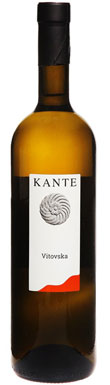
Edi Kante is a pioneer when it comes to the indigenous grape Vitovska, which is grown just across the border in Slovenia. The soil here...
2016
KanteKras
Pacherhof, Alte Reben Sylvaner, Valle Isarco, Trentino-Alto Adige, Italy, 2018
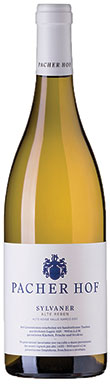
From 40- to 45-year-old vines and partially fermented in acacia barrels. Classic Alpine splendour. Voluptuous, spicy green-fruit aromas and a tapering palate. Mineral-toned, soft fruit...
2018
PacherhofValle Isarco
