
Panel tasting: Best Prosecco Conegliano Valdobbiadenes


The quality came through in consistent scores, found our judges. Andy Howard MW reports on the tasting...
There were very few disappointments in this interesting tasting, and the anticipated consistency of Prosecco came through as 95% of wines achieved Recommended or higher.
The two Italians on the panel are both writers with extensive local knowledge of Prosecco wines and producers. Alessandra Piubello was pleasantly surprised at the quality on show, commenting: ‘We don’t see so many wines like this back home.’
Scroll down to see the top scoring Proseccos
It was encouraging to see a good number of more highly rated wines, with one even rated Outstanding – a pretty rare beast in my experience. This is not to be dismissive of the quality that can be achieved with the Glera grape and the Charmat method, but more a reflection of the general consistency that the vast majority of producers achieve.So to see some Proseccos here delivering more than the expected level of correctness and typicity was a very positive thing. The panel agreed they would be happy to purchase the top wines, despite their (relatively) high price points.Prosecco established its position in the market with a softer, easier drinking character than traditional-method wines such as Champagne. Whereas the latter is most frequently produced in the brut style (between 7-12g/l dosage), Prosecco established itself in the extra dry category (12-17g/l).In the past few years, Prosecco producers exporting to the UK have been increasing the proportion of wines labelled as brut. The belief is that these lower-sugar versions exhibit more of a terroir influence, and will also appeal to traditional-method fans.
More than 55% of the wines submitted were brut. The panel clearly felt there was a benefit to the lower- sugar addition, with 41% of brut wines achieving Highly Recommended, compared to 32% in the extra dry category. Piubello noted that there was a much higher proportion of brut wines shown at the tasting than she would see back in her home region of Veneto.
Whether consumers are comfortable with a higher proportion of brut Proseccos remains to be seen. However, one of the arguments put forward to explain the recent decline in Prosecco sales in the UK is negative publicity around the combination of high acidity and sugar levels. So, perhaps this is a smart move.
Only a handful of Rive wines were submitted but they did not perform as well as anticipated, with only one Highly Recommended – disappointing given the quality of the vineyards, the associated hype, and the importance attached by the Prosecco consorzio to this higher quality level. In its defence, the Rive category is a relatively new one, and one suspects that producers are still finding their way in terms of achieving the best end result.
The high scores achieved by Ca’ di Rajo, Vincenzo Toffoli and Santa Margherita were encouraging – these are fine quality Proseccos which had all of the classic characteristics, but which were elevated by extra levels of flavour, refinement and complexity. It would be exciting to see more producers with wines at this level.
The slowing of Prosecco sales in the UK could be seen as consumers moving away from a mass-market, highly consistent, yet somewhat unexciting option. If Prosecco can consistently deliver more interesting wines, then Champagne and Cava producers may have to fight even harder to preserve sales.
See all Proseccos in the panel tasting here
The scores
87 wines tasted
Entry criteria: Producers and UK agents were invited to submit their latest-release Brut or Extra Dry Conegliano Valdobbiadene Prosecco Superiore sparkling wines
Exceptional 0
Outstanding 1
Highly Recommended 32
Recommended 50
Commended 4
Fair 0
Poor 0
Faulty 0
Our tasters each pick their top three wines from the tasting:
Fabio Giavedoni
Friuli-born Giavedoni qualified as an AIS Sommelier before working for a long time in restaurants and wineries in Bologna. One of two contributing editors of Slow Wine Magazine, the guide to Italian wines, he has also published two books: Montepulciano d’Abruzzo, Un Grande Vino, and Il Piceno e il Pecorino.
Ca’ di Rajo, Extra Dry Millesimato 2017
Rich, complex and elegant fruity nose with white peach, grapefruit and candied tangerine. It has very fine bubbles, with a light texture, but concentrated flavours, showing great progression on the palate, and a long, elegant spicy finish of cardamom and saffron. Complex and stylish. 95 Drink 2019-2021
Santa Margherita, Brut NV
This famous and big estate has made a wine with great personality. Walnut and hazelnut on the nose, with floral and fine smoky hints. Tasty and well balanced, with a crispy and salty finish. A great food wine, full of personality and character. It has an original style. Simply delicious! 92 Drink 2019-2021
Ruggeri, Vecchie Viti Brut 2016
This has lots of fresh fruit on the nose, with peach, sweet pear and tangerine. Good complexity with a low pressured mousse. Lovely creamy texture on the palate, with a refined balance between crisp acidity and ripe fruit. A classic and classy example. 91 Drink 2019-2021
Andy Howard MW
A Master of Wine since 2011, Howard worked as senior wine buyer at Marks & Spencer for six years to 2013. He now runs consultancy Vinetrades Ltd, which focuses on education, investment and sourcing. A frequent contributor to Decanter, key areas of expertise are Burgundy and Italy, and he has a house in southwest France.
Ca di’Rajo, Extra Dry Millemisato 2017
From clay dominated soils at around 300m above sea level, the Cecchetti family produce special Prosecco’s which are very terroir driven. An extended Charmant process (7-10 weeks) adds to the finesse and complexity. Wish all Prosecco was this good. 95 Drink 2019-2021
Santa Margherita, Brut NV
Being at the crisper, drier end of the scale makes this a great alternative to traditional method sparklers. Santa Margherita was, back in the fifties, one of the first sparkling wine producers from Glera grapes. 93 Drink 2019-2021
Bellenda, San Fermo Brut 2017
Produced from grapes grown in the Conegliano hills, this is named after the neighbouring church of San Fermo. The vineyards here are on limestone-clay soils, interspersed with glacial deposits. Just 7g/l dosage makes this a highly refreshing Prosecco. 92 Drink 2019-2021
Alessandra Piubello
Piubello is a journalist and writer from Verona. She reports on many aspects of Italian culture, principally wine and food. Among her numerous activities, she is editor-in-chief for Queen International and Prince magazines, is co-editor of the Guida Oro I Vini di Veronelli wine guide, and has also written several books.
Vincenzo Toffoli, Brut Millesimato 2017
Prosecco from a small family-run company founded in the 1960s, located on only a few hectares. It captures the olfactory range, demonstrating crisp acidity and vital progression to a juicy finish. Well balanced, with the right touch of sweetness for an appetizing drink. 93 Drink 2019-2021
Ruggeri, Vecchie Viti Brut 2016
A selection from 80- to100-year-old vines, true custodians of this memorable territory. Good perlage, complex and profound nose. The sip is fresh and vibrant, literally contagious, with a hint of hazelnut on the finish. 92 Drink 2019-2021
BiancaVigna, Brut Millesimato 2017
Gentle fizz, intense to the nose with floral, fruity and citrus fragrances. Development is dynamic, fresh, given rhythm by a tasty and fragrant after-trail with gentle bubbles. A delight to drink: an ideal party wine. 90 Drink 2019-2021
About Prosecco Conegliano Valdobbiadene
This vintage it is forecast that 500 million bottles of Prosecco will be produced. The startling growth of Prosecco has been one of the most significant developments in the wine world during the past two decades, and today it is by far the largest sparkling category.
Earlier this year, the Financial Times reported that Prosecco sales in the UK have increased by more than 6,000% since 2008. UK consumers clearly enjoy Prosecco, consuming 85m bottles in the last year. But, the latest figures show that sales in the UK have fallen for the first time in a decade.
Prosecco is made in the northern Italian regions of Veneto and Friuli-Venezia Giulia. Although the core, DOCG version is produced in the hillside areas around the towns of Conegliano and Valdobbiadane, the wider area of production runs all the way to the Slovenian border in the east. Glera is the key variety and must account for at least 85% of the blend. Most Prosecco has a floral fragrance, with light body, soft mousse, restrained flavours of white peach, and a sweetness from a frequently higher dosage. Drinking enjoyment is the key.
Superior quality
Prosecco is nearly always produced by the Charmat (‘tank’) method. Italy has a long tradition using this process, with large, refrigerated stainless-steel tanks used to conduct the secondary fermentation in a more industrial way. The major advantage of Charmat production is speed – the second fermentation can take as little as four weeks. There are also benefits in terms of consistency, the ability to react better to the market, and consequentially lower production costs.
However, critics are quick to point out that it’s difficult to reach the quality levels of the best traditional-method wines. The latter will usually have some years of ageing on the lees, encouraging a fine mousse to develop and enhancing flavour complexity.
Although Charmat wines are capable of high quality, many Prosecco wines can be less interesting to taste. This does not appear to concern millions of consumers, though, who appreciate Prosecco’s lighter, uncomplicated and sweeter style.
Proseccos from newly planted areas to the northeast of Venice carry the DOC designation and can be made in spumante, frizzante (lightly sparkling) and tranquillo (still) versions. DOCG Prosecco Superiore is nearly always spumante and comes from the hillside vineyards around Conegliano and Valdobbiadane, or the separate area of Asolo. The emerging DOCG designation Rive is restricted to 43 special sites with special terroir characteristics. DOCG Prosecco Superiore should be very consistent, of good quality and a distinct step up from DOC. Bottles carrying the Rive classification should show additional terroir interest.
For this tasting, the panel’s expectations were of a solid, rather than exciting line-up. So, were these expectations met?…
Prosecco: the facts
Total Prosecco production (2017) 441m bottles
DOCG Conegliano Valdobbiadane
Area under vine 7,500ha
Vine growers 3,400
Sparkling wine producers 178
Production 91m bottles
Exports 41%
DOCG created 2009 – the 44th Italian DOCG
Prosecco: know your vintages
2017 Spring frosts followed by high temperatures in summer. Volumes down on normal but quality of white grapes was good.
2016 Rain in the spring reduced some yields, but with consistent weather during the rest of the growing season, quality of white grapes was generally high.
2015 A dry spring followed by hot weather in July/August. Whites are less aromatic and intense.
Older vintages Prosecco is rarely a wine to keep. Unless Cartizze level, or from a top producer, these should have been drunk by now.
Non-Vintage Ready to drink, enjoy while youthful and fresh.
Top scoring Prosecco from the panel tasting:
You may also like
Champagne panel tasting: Bottles to look for under £40Best Cava sparkling wines from top producersTop-rated Crémant from FrancePremium English sparkling wine to try
Ca’ di Rajo, Superiore Extra Dry Millesimato, Prosecco, Conegliano-Valdobbiadene Superiore, Veneto, Italy, 2017
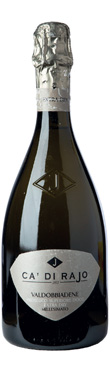

Established in 1931, Ca’ di Rajo is located in the Piave river valley. The estate stays true to a local system of vine-training now known...
2017
Ca’ di RajoProsecco

Vincenzo Toffoli, Superiore Brut Millesimato, Prosecco, Conegliano-Valdobbiadene Superiore, Veneto, Italy, 2017
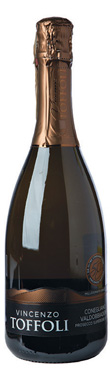
93
Complex notes of bergamot, saffron and citrus fruits. Rich and mouthfilling with a fine mousse and persistence, and balance on the finish.
2017
Vincenzo ToffoliProsecco
Santa Margherita, Superiore Brut, Prosecco, Conegliano-Valdobbiadene Superiore, Veneto, Italy
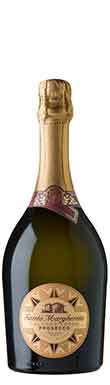
92
Attractive sweetness on the palate, which at the same time displays drive and focus. Mineral-charged with bright lemon notes and a firm crispness.
Santa MargheritaProsecco
Astoria, CasaVittorino Superiore Brut, Prosecco, Conegliano-Valdobbiadene Superiore, Veneto, Italy, 2017
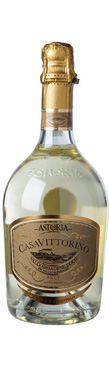
91
There’s a range of fruit on show, spanning white peach, fresh mango, elderberry and candied tangerine. Richly fruited on the palate while at the same time showing great freshness.
2017
AstoriaProsecco
Bisol, Crede Superiore Brut, Prosecco, Conegliano-Valdobbiadene Superiore, Veneto, Italy, 2017
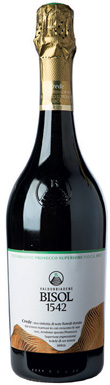
91
Mineral, zest and salinity lend real finesse. Persistent mousse and an attractive bitter note on the finish.
2017
BisolProsecco
Conca d’Oro, Superiore Extra Dry Millesimato, Prosecco, Conegliano-Valdobbiadene Superiore, Veneto, Italy, 2017
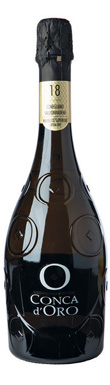
91
An elegant, complex, smooth palate with a very pleasing balance of crisp, citrus-driven acidity and peach and apricot fruit flavours.
2017
Conca d’OroProsecco
Cantine Maschio, Superiore Extra Dry, Prosecco, Conegliano-Valdobbiadene Superiore, Veneto, Italy
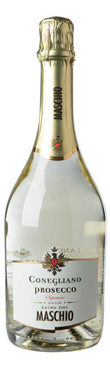
91
A full, fleshy example with good ripeness and freshness and an exotic hint of pineapple. Completed with a very long and zesty finish
Cantine MaschioProsecco
Ruggeri, Vecchie Viti Superiore Brut, Prosecco, Conegliano-Valdobbiadene Superiore, Veneto, Italy, 2016
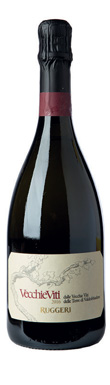
Complex on the palate with depth and concentration, allied to some attractive notes of lemon and lime zest. Nuttiness on the long finish.
2016
RuggeriProsecco
Ruggeri, Giall’Oro Superiore Extra Dry, Prosecco, Conegliano-Valdobbiadene Superiore, Veneto, Italy
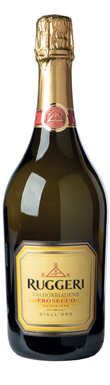
91
Fresh, bright and zippy with notes of apple and apricot. Good focus and purity with a distinct mineral finish.
RuggeriProsecco
San Venanzio Fortunato, Superiore Brut, Prosecco, Conegliano-Valdobbiadene Superiore, Veneto, Italy, 2017
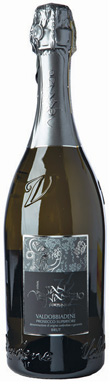
91
Richly aromatic with apple and lemon curd notes. A soft, well-integrated mousse is complemented by notes of lemon sherbet.
2017
San Venanzio FortunatoProsecco
