Prosecco’s broad appeal: revealing the complexity
Many of us think of Prosecco as nothing more than a mass-market wine piled high on supermarket shelves. The reality is that it’s a complex, multi-tiered category that hasn’t yet quite found its true identity.


When the Prosecco DOC was written into law in 2009, along with two DOCGs – the hilly prominences of Asolo and Conegliano Valdobbiadene – it meant that Prosecco could now be produced in a 250km-wide zone encompassing nine provinces, from Vicenza in Veneto to Trieste in Friuli Venezia Giulia.
It was a vast expansion from the traditional centre of production of Conegliano Valdobbiadene, which had been recognised as a DOC since 1969. Whether this was down to the need to embrace the town named Prosecco, located in Trieste, to justify the naming of the new DOC, or that the minister of agriculture responsible for signing on the dotted line, Luca Zaia, was from Conegliano (and the following year was appointed president of Veneto, a position he has held ever since), the fact is that these game-changing moves turned Prosecco into a powerhouse whose ascent seems unstoppable.
Scroll down for a selection of top Proseccos to try
But, nearly 15 years on, the key questions are: have consumers begun to tire of Prosecco’s typical apple, pear and flowers profile; and is there more to this area than affordable bubbles?
Onwards & upwards
The answer to the first question seems to be a resounding ‘no’. Production of Prosecco DOC alone is now approximately double that of Champagne: 627.5m bottles were produced in 2021 according to the consorzio’s president Stefano Zanette, demonstrating that demand is higher than ever. Additionally, the consorzio altered its production regulations in late-2020 to bring sparkling rosé wines into the fold, which had long been produced in the area but were previously not permitted to be labelled under the DOC.
The first vintage was released in 2021, to the tune of some 71.5 million bottles. A minimum of 85% Glera, with up to 15% Pinot Noir vinified as red and farmed at lower yields – the rosé wine spending at least 60 days in the autoclave (large pressurised tanks) rather than the 30 days required for the whites – Prosecco DOC Rosé has been positioned as a quality product from the off. Notably, it must be the product of a single year, unlike its white counterpart, which can be either a non-vintage or vintage product. Rather than opening the floodgates to a sea of cheap and cheerful pink fizz, the consorzio tightened up the regulations sufficiently to position the product as a calling card for Prosecco DOC’s quality.
The Asolo and Conegliano Valdobbiadene DOCGs are both in the province of Treviso – another name you’re likely to see on labels since it’s a designated sub-zone of the Prosecco DOC (as is Trieste). Such is the stunning beauty of the rural, hilly landscape here that things feel faintly ‘Tolkien’: an environment of streams, pastures and a huge variety of flora and fauna, including many species of bird, deer – big fans of Glera grapes – and, so I’m told, wolves. South-facing hillsides are bristling with the distinct stripes of the ciglioni (narrow grassy terraces with vines that traverse the slope), interspersed with narrow, winding roads, while north-facing slopes are largely shady woodland. Distant church towers are silhouetted against the sky by the morning and evening sun. A UNESCO World Heritage Site since 2019, the hills are a glorious celebration of what a wine landscape can be; although vines are all around, they are only part of the picture.
Looking local

Asolo Prosecco DOCG covers just 2,000ha of vines, west of the Piave river in the Montello uplands, and producing a little more than 21m bottles in 2021, in stark contrast to the DOC’s 24,450ha (Consorzio Prosecco DOC). The noteworthy early success of Prosecco DOC Rosé led the Asolo Prosecco DOCG consortium to approve a regulation change on 30 June 2021 to allow a rosé version: however, two-thirds of producers reportedly opposed the idea, citing a lack of historic precedent for growing Pinot Noir (unlike Prosecco DOC, which has long farmed the red variety). The clout of the few large producers and their weighted votes managed to push the bill through, but it’s still unclear whether there will be an appeal and if we will see Asolo Rosé anytime soon (source: winenews.it).
Conegliano Valdobbiadene Prosecco Superiore DOCG’s 8,700ha of vines exceeded 100m bottles for the first time in 2021 (Consorzio Conegliano Valdobbiadene Prosecco Superiore). The name is certainly a mouthful – roll off the tongue it does not. In a world of 280-character Tweets, contracting wine lists and consumers short on time, it’s a tough sell. What it does do, though, is encapsulate the historical winemaking area, stretching from the heart of production around the town of Valdobbiadene (west of the DOCG by the Piave river) to the town of Conegliano to the east – home to a university, one of Italy’s oldest winemaking schools and a research centre.
Many producers here are prone to championing their local terroir on the bottle, particularly in Valdobbiadene, where producers typically feel a strong connection to the land – some 60% of DOCG production is labelled ‘Valdobbiadene Prosecco Superiore DOCG’, while only about 30% is labelled under the full name. A small minority of 10% even drop both Conegliano and Prosecco and label their wines ‘Valdobbiadene DOCG’ (according to consorzio research, 2018).
It’s laudable that producers want to identify their territory, but it puts the ability for the denomination to market itself effectively at risk – and so the consorzio is working to unite producers under the singular name, Conegliano Valdobbiadene Prosecco Superiore DOCG, by the second half of 2023, according to director and renowned agricultural scientist Diego Tomasi.
Aiming high

There are two ‘premium’ products, which the consorzio illustrates as the upper two tiers of a pyramid: the DOCG allows for 43 ‘Rive’, which essentially represent the terroirs of 43 hamlets and are now officially recognised as unità geografiche aggiuntive, or UGAs. Grapes must be handpicked from the steepest slopes at reduced yields, and the wine must be the product of a single vintage. These wines are, generally, superb. They are increasingly being produced in the new (since 2019) extra brut style – off-dry, at 12-17g/L residual sugar – to allow the terroir to shine through and offer a glimpse into the future direction of ‘fine Prosecco’.
At the peak of the pyramid is Superiore di Cartizze. The price for grapes from Cartizze – which is the 107ha jewel in Conegliano Valdobbiadene’s crown and a recognised sub-zone since 1969 – was three times higher (€6/ kg) than the price for grapes from the rest of the DOCG in 2022, according to one producer. Yields are lower even than for Rive, and the average vineyard holding is just one hectare (Consorzio Conegliano Valdobbiadene Prosecco Superiore) – most have been passed down through the generations and rarely come up for sale.
This makes Cartizze one of Italy’s most expensive viticultural locations. Land here can fetch up to €1.2m/ha (Italy24 News). To compare, the estimated average price per hectare elsewhere in the DOCG ranges between €350,000 and €500,000. Asolo Prosecco’s average price per hectare is €250,000-€380,000, while Franciacorta (in Lombardy) starts at around €200,000/ha (winenews.it). But is Cartizze a wasted opportunity? Its vineyard valuations don’t seem to translate into anything tangibly ‘grand cru’ that consumers outside the local area might recognise. There’s no denying the quality of the wines made here; it’s just that few have come across them.
Artisan ethic

Despite rosé’s commercial upside, as proven by Prosecco DOC Rosé, Conegliano Valdobbiadene is steadfastly dedicated to its white spumante production. In 2019, Sui Lieviti (full name: Conegliano Valdobbiadene Prosecco Superiore Spumante Sui Lieviti) was added to the production regulations. This traditionally frizzante style was produced across the region before the introduction of the Charmat method that produces fully sparkling wines, but in recent decades Sui Lieviti has fallen by the wayside as an unfashionable drink – until recently.
The style was historically referred to as ‘col fondo’ (and commonly known in other parts of the world as pét-nat or méthode ancestrale), but a bizarre trademark dispute between the consorzio and two wineries who registered the term ‘colfondo’ has led to the adoption of the ‘Sui Lieviti’ moniker instead.
Meaning ‘on the yeasts’, this name is technically accurate but severs a link to Prosecco’s col fondo past, made worse by the fact that producers wishing to label their wines under the new Sui Lieviti DOCG title must ensure that they are spumante, not frizzante: the 2.5 bars of pressure (frizzante) of the region’s traditional col fondo wines do not make the grade; instead, they must achieve a minimum of 3 bars (spumante).
This will no doubt be good news for producers wanting to market a trendy style under the ‘premium’ DOCG label, and it’s a positive step that this style has been officially recognised and endorsed at all: a sign of the increasing popularity and scope of the artisan movement. But some of Prosecco’s key artisan proponents have eschewed this new category in favour of their historic name. Christian Zago at Ca’ dei Zago in Valdobbiadene, for example, has chosen to roll with the punches and market his exemplary col fondo wines under the Colli Trevigiani IGT label instead.
With three consorzios and a multitude of labels, what many of us think of as a singular ‘Prosecco’ is, in truth, far from it. All three denominations are in rude health, posting record production figures, yet due to commercial and political reasons, their paths seem likely to diverge further rather than cross.
Broad appeal: the variety of taste in Prosecco
Related articles
- Prosecco secures trademark protection in New Zealand
- Prosecco: Still on a high and with a point of difference
- Best Prosecco under £20
Nino Franco, Grave di Stecca Spumante Brut, Veneto, Italy, 2016
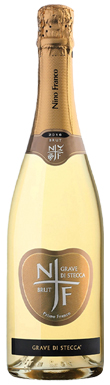

Grave di Stecca represents both the best of Prosecco – specifically Valdobbiadene – and the best of what is not ‘Prosecco’; the authorities refused to certify it as DOCG due to its atypical style, so to this day Nino Franco bottles it as a vino spumante in protest. The grapes are sourced from the walled Grave di Stecca vineyard, the site of the family residence, purchased by Franco in 1991. Super-aromatic and exotically scented, with passion fruit and ripe banana, in the mouth it’s very mineral and earthy, intense and rich but well sculpted. Tropical and spicy, it’s slightly creamy – almost mushroomy – with a lip-smacking saline finish. This wine can age well thanks to extended lees ageing of the base wines then long maturation in bottle before release.
2016
Nino Franco

Ca' dei Zago, Mariarosa Brut Nature, Colli Trevigiani, Veneto, Italy, 2021
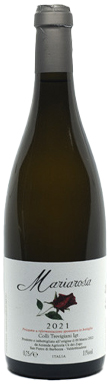
A blend of Glera, Bianchetta, Verdiso and Perera from the 0.5ha Mariarosa vineyard in Valdobbiadene, this IGT in Ca’ dei Zago’s signature frizzante col fondo style is a superb example of the heights these grapes can achieve: doughy, lemony, floral and salty aromas lead to a really tightly drawn and bone-dry yet softly textured palate. Lemon posset, green apple, wild herbs, hints of apricot skin and chalkiness emerge in waves. This is so good – a point emphasised by the tight, saline and juicy finish with apricot-nectarine glints.
2021
Ca' dei ZagoColli Trevigiani
Val d'Oca, Dry, Prosecco, Valdobbiadene Superiore di Cartizze, Veneto, Italy, 2021
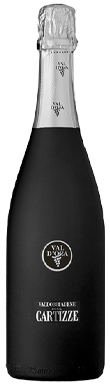
Representing some 30% of all Rive production, the large Val d’Oca cooperative’s growers also own about 12ha in Cartizze – more than 10% of the total vineyard area of this ‘grand cru’. This combines fresh and steely scents with floral notes of honeysuckle and jasmine typical of Cartizze. It’s big and juicy in the mouth, showing licks of lime and ripe nectarine alongside honeydew melon and white flowers. Soft yet sculpted with a stony mid-palate and saline finish, its succulence is underlined by streaks of mango and cream.
2021
Val d'OcaProsecco
Malibran, 5 Grammi Rive di Santa Maria di Feletto Extra Brut, Prosecco, Conegliano-Valdobbiadene Superiore, Veneto, Italy, 2021
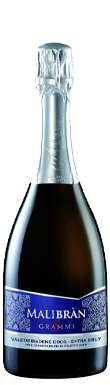
Extra brut can be an austere style but, as third-generation Maurizio Favrel explains, the small dosage of 5g/L is to balance the natural sharpness of the wine, from a Rive on the Conegliano side of the denomination. Floral and patisserie aromas are joined by some exotic fruits, then in the mouth a voluminous mousse brings in salty, mineral flavours. Waves of pear, apple, stone fruits and pithy citrus follow. An expressive and well-balanced wine with plenty of freshness.
2021
MalibranProsecco
Masottina, RDO Levante Extra Dry, Prosecco, Conegliano-Valdobbiadene Superiore, Veneto, Italy, 2021
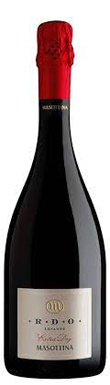
From 50-year-old, east-facing vines in the steep Rive di Ogliano (‘RDO’), this extra dry is softer in the mouth than the brut version, with more of a succulent expression – at the expense of mineral focus. Floral, appley and slightly peachy aromas are followed by a steely, slightly spicy attack then ripe apple, melon and pear, evolving into peach, apricot and bitter pink grapefruit on the finish. The mousse supports rather than leads, and the fresh acidity provides further structure.
2021
MasottinaProsecco
Bortolomiol, Grand Cuvée Del Fondatore Motus Vitae Rive San Pietro di Barbozza Extra Bru, Prosecco, Conegliano-Valdobbiadene Superiore, Veneto, Italy, 2020
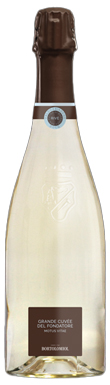
More youthful in character compared to the 2019, there’s a hint of nutty reduction here. Pithy lemon and white grapefruit emerge, cradled by the fresh, saline and open mousse. Bright and dancing, it finishes with delicate, creamy stone fruits. Great value if you can find it for under £20.
2020
BortolomiolProsecco
Le Colture, Rosé Brut, Prosecco, Treviso, Veneto, Italy, 2021
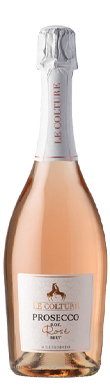
Prosecco Rosé is the new kid on the block, and this is a quality example (Glera with 15% Pinot Noir) from Le Colture in Valdobbiadene. Pear, apple and melon scents combine with some subtle red fruits and a touch of creaminess. Fine and fresh in the mouth, there’s good balance between steely minerality, a soft and inviting mousse, and ripe and earthy red fruits. Good intensity while maintaining elegant proportions.
2021
Le ColtureProsecco
Collalto, Tranquillo, Prosecco, Conegliano-Valdobbiadene, Veneto, Italy, 2021
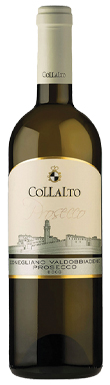
A rare still (‘tranquillo’) Prosecco Conegliano Valdobbiadene – it can’t include ‘Superiore’ on the label – which highlights the base properties of Glera (100%) from the estate’s vineyards, aged sur lie. It’s cheesy at first, then pear, white flower and orange blossom scents. In the mouth it’s tight and steely but with a deliciously succulent peachy mid-palate and a saline, stony finish. Intense and very fresh, it’s a shame there isn’t more tranquillo produced.
2021
CollaltoProsecco
