
Regional profile: Pézenas
This Languedoc enclave, known for its distinctive, generous reds, is the latest to seek full appellation status. James Lawther MW meets the established names and exciting newcomers behind the drive...
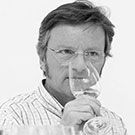

As the Languedoc rebuilds its hierarchy of appellations, there’s one name that’s likely to figure more prominently in coming years, and that’s Pézenas. Bottlings of red Languedoc-Pézenas have been permitted since 2006 but now the region is chasing full appellation status, following in the footsteps of Terrasses du Larzac in 2014 and Pic St-Loup in 2016.
Scroll down for James Lawther MW’s top wines from Languedoc-Pézenas
Heading up the quest are the region’s established names of Prieuré st-Jean de Bébian, Domaine de Nizas, Domaine Les Aurelles and Domaine Le Conte des Floris, not to mention the ubiquitous Jean-Claude Mas.But in support are a growing number of relatively recent but highly motivated newcomers. These are domaines owned by novice producers or ‘néo-vignerons’ as they have been dubbed, as this is their first winemaking venture.

Bounded by Faugères to the west, the Hérault river to the east, Picpoul de Pinet to the south and the foothills of the Montagne Noire to the north, Pézenas appears as an intermediary zone between the coastal plain and the more dramatic higher reaches of the Languedoc. The land varies in altitude from 20m to 300m in the northwest, providing a ripple of hills and valleys with a tiny village never far away. Copses of green oak appear between the vineyards, the occasional cluster of olive trees also in evidence, and, if wild fennel characterises the plant life of the southern reaches, the rosemary and thyme of the garrigue can be found further north.
As with much of the Languedoc, viticulture has been practised in the region for centuries, the greeks and Etruscans introducing cultivation. In gallo-Roman times the town of Pézenas was a strategic point in trading routes and the discovery of amphorae provides evidence of viticultural activity. In the Middle Ages the religious orders took on the mantle – the chapel at St-Jean de Bébian was built in 1150. And from the 13th to 18th centuries, royal patronage from successive French kings provided privilege and protection, allowing the area to prosper further.
In the 18th century a number of sizeable viticultural estates evolved, some, such as Nizas and Belles Eaux, still recognisable today, albeit in modified form.
The spread of viticulture in the 19th century initially owed much to the production of vermouth in this corner of southern France. Plantings of both red and white grapes then increased during the industrial revolution, the clamour for table wine that could now be transported by rail to Paris driving demand. In the district of Pézenas, 77% of the cultivable land was taken up by vineyards, but this period of prosperity was finally brought to a close with the arrival of odium and phylloxera in the vineyards, between 1880 and 1892.
Replanting followed and, after several decades of evolution since, modern Pézenas now sees a delimited zone of 15 communes and 1,500ha (hectares) producing 3.6 million bottles of red AP Languedoc (2015). Included in this statistic are just over 800,000 bottles of Languedoc-Pézenas, a figure that has been constantly rising as the number of parcels that have been identified and officially authorised
for inclusion in the Pézenas appellation increases. Permitted grape varieties are the classic Languedoc varieties of Syrah, Grenache, Mourvèdre, Carignan and Cinsault.
Terroir is the defining feature of each appellation and Pézenas has its own identity. ‘We’re an equitable balance between the organic southern plain and inorganic northern slopes,’ says Domaine Turner Pageot’s Emmanuel Pageot. Climatically, Pézenas could be described as middling Mediterranean, in the absence of a strong maritime influence or moderation due to altitude. The climate is warmer than Terrasses du Larzac and, with a yearly rainfall of 550mm-600mm, drier than Pic St-Loup, if not as extreme as La Clape (350mm).
Soil types are varied and include schist in the northwest (good for Syrah), sandstone and limestone-clay, but the two defining soil types are Villafranchien gravel and basalt.

The former is essentially riverbed pebbles, sometimes Châteauneuf-du-Pape-like galets roulés, and when matched with Grenache vines contributes considerably to the full, round, generous nature of Pézenas wines.
‘This is serious gravel that can go down 10m to 15m,’ explains Basile St-Germain of Domaine Les Aurelles. The basalt is unique and is formed from two ridges of volcanic lava, its rocky scree covering some of the surrounding area. In terms of taste, Carignan seems to do well here and a touch of finesse and cool freshness is added to the wines.
Pézenas at a glance
Potential surface area: 1,500ha
Delimited communes: 15 (Adissan, Aspiran, Caux, Fontès, Fouzilhon, Gabian, Lieuran-Cabrières, Montesquieu, Neffiès, Nizas, Paulhan, Péret, Pézenas, Roujan, Vailhan)
Area under production: 156ha
Production:: (2015) 6,100hl or 813,000 bottles
Producers: 32, including 3 cooperatives
Permitted grape varieties: Syrah, Grenache and Mourvèdre (minimum 70%), Carignan, Cinsault
Maximum yield: 45hl/ha
Average yield: 35hl/ha
If the drive for change and improvement was initiated by the cooperatives in the 1990s, it is now firmly in the hands of the independent producers. The president of the local syndicat, Jacques Bilhac, hails from the co-op movement but created his own Domaine de l’Aster in 2014. Other newcomers include a child psychiatrist (La Font des Ormes), wine distributor (La Grange), marketing manager (Allegria), pharmacist (Pech Rome) and businessman (Ste-Cécile du Parc). A more global view of the wine world, lifestyle motivation and healthy investment are the elements helping to push Pézenas to the fore.
Clearly, surface area and production have to increase further for Pézenas to acquire greater repute. But the identity of wine and terroir are sufficiently marked, and behind Prieuré St-Jean de Bébian and Les Aurelles there are a number of domaines growing in stature. In terms of vintages, 2013 and 2015 are top, but 2014 will not disappoint. Keep an eye out for the Carignan Blanc-based whites from Le Conte des Floris and Mas Gabriel as well.
Six producers to watch
Prieuré St-Jean de Bébian
Undoubtedly the leading light in Pézenas, Bébian is also one of the Languedoc’s unofficial first growths. The history can be traced back to Roman times, but its modern-day reputation was established in the 1970s when previous owner Alain Roux replanted the vineyard with mass-selection Syrah from Jean- Louis Chave, Grenache from Château Rayas and Mourvèdre from Domaine Tempier. Present owners (since 2008), the Russian Pumpyanskiy family has provided further momentum with the construction of a new winery (2016). Bébian wines can age.
Domaine Les Aurelles
Basile St-Germain is a perfectionist and it shows in his wines. He and his wife Caroline established organically run Les Aurelles in 1995 following the sale of the family Cognac business Léopold Gourmel. There are two red cuvées, the Carignan- and Grenache-based Solen and Mourvèdre-dominant Aurel. Both are fermented and then aged for four years in tank and have an estimable purity of fruit and tannin. There’s also a tiny production of white made from mass-selection Roussanne from Château de Beaucastel.
Domaine Le Conte des Floris
Daniel Le Conte des Floris swapped the role of critic (he used to edit La Revue du Vin de France) for winemaker in 2000. He initially learned his new trade in Burgundy and this is reflected in the style of the wines. Each cuvée matches grape variety to a particular terroir and the extraction is gentle, providing a more delicate touch to the red wines.
Domaine Turner Pageot
In between her winemaking duties at Prieuré St-Jean de Bébian since 2004, Australian Karen Turner also finds time to run this 10ha property with partner Emmanuel Pageot. Both have extensive winemaking experience around the world and at one point worked for Chapoutier where they were introduced to biodynamics. Their first vintage was 2008, the wines produced from north-facing vineyards. Le Rouge and Carmina Major are the two Pézenas cuvées, both being fleshy but firm.
Mas Gabriel
Deborah and Peter Core realised the dream of owning their own vineyard in 2006. They completed a winemaking course and vintage in New Zealand and another harvest in Bordeaux before acquiring the vineyard in Caux. Now with 6.5ha they enjoy doing everything themselves, producing Les Trois Terrasses, a Carignan-based IGP red; a floral white made essentially from Carignan Blanc; and the persistent, spicy Syrah-dominated Pézenas cuvée, Clos des Lièvres.
Villa Tempora

Serge Schwartz used to run a chain of hotels in Paris before a lifestyle change drew him south to Pézenas. A bed-and- breakfast was the first project, but then in 2008 he established Villa Tempora with viticultural consultant Jean-Pierre Sanson. The 7ha vineyard has a mix of terroirs and is run organically. The grapes are hand-harvested and fermented using indigenous yeasts. There are three Pézenas cuvées: Le Démon du Midi and L’Ange Vin, both rich and generous; and Villa Tempora, juicy and easy drinking.
See James Lawther MW’s top wines from Languedoc-Pézenas
You may also like
Going green in Languedoc-Roussillon – Organics and BiodynamicsLanguedoc-Roussillon’s premium reds – Blind TastingCorbières: 10 names to know plus top wines to tryPanel tasting: How good is rising star Terrasses du Larzac?
Domaine Le Conte des Floris, Lune Blanche, Languedoc-Roussillon, France, 2014
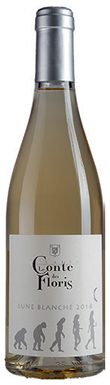

A white from this region that merits note: 80-year-old Carignan Blanc (yields of 20hl/ha) fermented and aged in barrel. Burgundian in style with floral, mineral...
2014
Domaine Le Conte des Floris

Domaine Les Aurelles, Solen, Pézenas, Languedoc-Roussillon, France, 2011
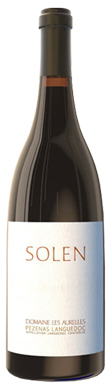
A Carignan-dominant blend with Grenache. Lovely purity of red fruit with a hint of spice. Good depth on the palate. Texturally smooth and silky with...
2011
Domaine Les AurellesPézenas
Mas Gabriel, Clos des Lièvres, Pézenas, Languedoc-Roussillon, France, 2013
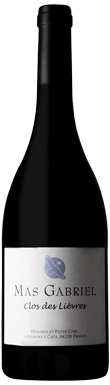
75% Syrah with Grenache and a touch of Carignan. Spice and dark fruit notes with a hint of cassis. Full and round on the palate...
2013
Mas GabrielPézenas
Domaine de Nizas, La Réserve, Pézenas, Languedoc-Roussillon, France, 2013
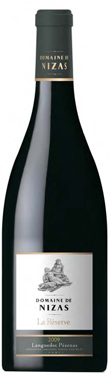
50% Mourvèdre with an equal share of Grenache and Carignan. Good depth and precision. Subdued dark blueberry fruit with a touch of vanilla oak which...
2013
Domaine de NizasPézenas
Domaine Turner Pageot, Carmina Major, Pézenas, Languedoc-Roussillon, France, 2014
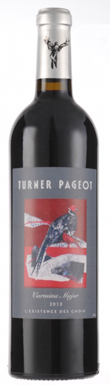
Accomplished and harmonious, this is blended from equal parts of Syrah and Mourvèdre, providing attractive red fruit and garrigue notes. Plenty of fruit on the...
2014
Domaine Turner PageotPézenas
Villa Tempora, Le Démon du Midi, Pézenas, Languedoc-Roussillon, France, 2013
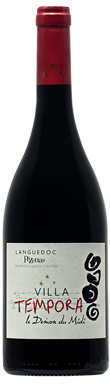
Depth and substance in this Syrah-based (75%) wine. Refined nose with spice and black pepper. The palate is full and round with a touch of...
2013
Villa TemporaPézenas
Domaine La Grange, Castalides Edition, Pézenas, Languedoc-Roussillon, France, 2013
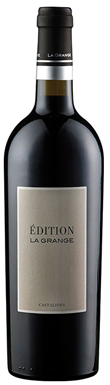
A blend of Syrah and Grenache. Ripe, spicy and perfumed aromas are followed by a palate that’s rich, full and gourmand, with a touch of...
2013
Domaine La GrangePézenas
Prieuré St Jean de Bébian, La Chapelle de Bébian, Pézenas, Languedoc-Roussillon, France, 2013
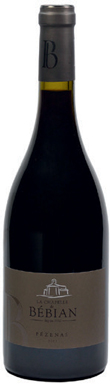
The domaine’s second wine, produced from Grenache, Syrah and Cinsault, is more approachable than the grand vin. Creamy red fruit notes with a touch of...
2013
Prieuré St Jean de BébianPézenas
Domaine Ste-Cécile du Parc, Sonatina, Pézenas, Languedoc-Roussillon, France, 2013
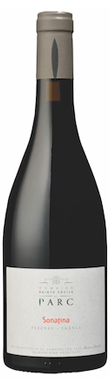
Modern in style but gentle and seductive. Syrah with 25% Cinsault. Dark fruit with chocolate notes from the oak ageing. Supple and round on the...
2013
Domaine Ste-Cécile du ParcPézenas
La Font des Ormes, Pézenas, Languedoc-Roussillon, France, 2014
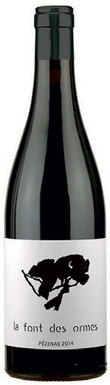
Elegant and structured wine produced from Grenache (40%) and an equal share of Syrah and Carignan. Pure and supple with a touch of dryness on...
2014
La Font des OrmesPézenas
Paul Mas, Clos du Moulinas, Pézenas, Languedoc-Roussillon, France, 2015
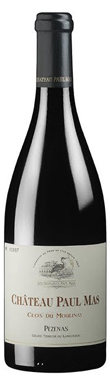
Syrah-Grenache blend. Modern and zesty in style, with dark, creamy, spicy fruit and a dash of vanilla oak. Supple and caressing on the palate. Fine...
2015
Paul MasPézenas
