
Regional profile: Six of Hampshire’s finest sparkling wines to try
As the climate warms and the industry matures, Hampshire is proving to be one of the prime territories for producing some of England’s most elegant and delicate sparkling wines.


Centred around the cathedral city of Winchester, ancient capital of England, with the Isle of Wight off the coast to the south, Hampshire is known for the rolling chalk hills of the South Downs, the mystic woodlands of the New Forest and three river valleys: (from west to east) the Test, the Itchen and the Meon.
These ancient, crystal-clear chalk streams are the veins and arteries of the county – shaping the landscape, nurturing farmland and offering clear, tranquil waters famed for fly-fishing.
Some of the region’s well-exposed slopes, with their shallow topsoil and free-draining belemnite chalk – the same type found in Champagne’s Côte des Blancs sub-region – are also home to ranks of Pinot Noir, Meunier and Chardonnay vines, Champagne’s three main varieties, that are now producing some of England’s highest-quality sparkling wines.
Scroll down to see notes and scores of six dazzling sparkling wines from Hampshire’s bucolic hills
Up to the challenge

Although Hampshire has a higher concentration of chalk, it isn’t unique in England for this soil type – ‘[Kent, Sussex and Hampshire] all share the terroir of the South Downs,’ says Emma Rice, former head winemaker at Hampshire-based powerhouse producer Hattingley Valley and now an independent consultant.
If anything, the county is hit first by the prevailing southwesterly weather before it reaches the counties further east, she explains.
Indeed, climatic markers point to challenges in achieving ripeness.
In his 2023 harvest report for WineGB, viticultural consultant Stephen Skelton MW listed Hampshire’s average growing degree days (a measure of heat accumulation during the growing season) for 2018-2023, and they were consistently lower than the average for Reims in Champagne.
While humidity during the growing season can be a problem, frost is the top hazard. Augusta Raimes (pictured, above), the fifth-generation owner of her family estate at Alresford, paints an especially vivid picture of a spring night during the challenging 2024 growing season.
When vineyard weather stations sound the alarm, signalling that temperatures have dropped below -0.5°C, everyone springs into action, lighting the costly bougies antigel (anti-frost candles) between the rows of vines to try to fend off the deadly cold spell settling in the lowlands, which can cost them a considerable chunk of the crop overnight.
Yet, despite the drawbacks, Hampshire producers are crafting a solid range of diverse, crisp and exhilarating sparkling wines by defining fine-tuned combinations of microclimate, grape variety selection and winemaking decisions – all mirroring the personalities behind the labels.
Hampshire at a glance
Total plantings: 380ha (10% of UK’s total plantings)*
Soils: Chalk, greensand, clay and sandy loam
Elevation: Most vineyards are between 50m and 150m (average 80m)
Climate: Maritime
Key grapes: Chardonnay, Pinot Noir and Meunier
*Source: WineGB Industry Report 2022-2023
Grapes that shine on chalk

‘While Kent can ripen Pinot Noir and Chardonnay to still-wine levels in good years, Hampshire rarely can,’ says Rice, drawing on her experience crafting multi-regional blends for Hattingley for more than a decade.
‘The one variety that really stands out in Hampshire is Meunier grown on chalk. Fermenting Meunier in old, neutral oak contributed to some of the very best wines I ever made.’
French oenologist Corinne Seely (pictured, above), consultant winemaker at Exton Park, near Corhampton, echoes Rice’s sentiment.
‘I don’t know if there’s a speciality grape I cherish more than Meunier planted on chalk in England – like here at Exton Park,’ she says, adding that when planted on clay soils, as is often the case in Champagne, the grape’s ‘vibrancy and floral character’ tend to be lost.
Her 2014 Pinot Meunier Rosé – just 2,000 bottles will be released – from Exton Park’s windswept single vineyard, which ranges from 60m to 120m in elevation, shimmers with cherry blossom and white fruits, preserving salinity and vibrancy while revealing the grape’s generous aromatics.
For producers more exposed to frost risk, this late-budding variety is also a favourable choice, adds Zam Baring, managing partner of The Grange, his family’s 10.4ha estate near Alresford, which has more plantings of Meunier (36%) than of Pinot Noir (30%).
Further south lies Hambledon Vineyard – home to the very first commercial vineyards planted in England.
Winemaker Felix Gabillet highlights the ‘minerality and salinity’ of Chardonnay from the estate’s well-aerated sites, which are situated just 16km from the south coast, the regular winds helping to mitigate against frost. (In the more generous 2018 vintage, however, he favoured the charm of the Meunier fruit.)
Chardonnay’s consistency and lower disease pressure make it the preferred variety at Candover Brook, too, according to vineyard manager Samuel Philippot.
The 5.5ha estate northeast of Winchester is named after the chalk stream that runs through its grounds, home to the rare white-clawed crayfish.
Five Hampshire names to know
Exton Park

This 27.5ha single-vineyard estate, overlooking the South Downs, was founded by the late Malcolm Isaac MBE.
Having crafted grands crus classés in Bordeaux and beyond, French consultant winemaker Corinne Seely is committed to producing English sparkling wines that reflect the local identity.
The signature Reserve Blends are complemented by her innovative ‘limited releases’, including sea-aged vintage sparklings and a BBB (barrel-aged before bottling) prestige cuvée.
The contemporary Exton Hall is open exclusively for private events. extonparkvineyard.com
Hambledon

In 1952, Major-General Sir Guy Salisbury-Jones planted England’s first commercial vineyard on the chalk slopes around his Mill Down House in the village of Hambledon – also the cradle of cricket.
The estate is now under the ownership of UK wine merchant Berry Bros & Rudd and Port shippers Symington Family Estates, with wines crafted by on-site winemaker Felix Gabillet, overseen by Hervé Jestin of Champagne Leclerc Briant.
It has recently opened a restaurant, along with a new tasting room and cellar door. hambledonvineyard.co.uk
Hattingley Valley

When he founded Hattingley Valley Wines in 2008, former lawyer Simon Robinson invited Sussex-born winemaker Emma Rice to design his new winery near the village of Alresford.
With capacity for both estate production and contract winemaking across Hampshire and beyond, Hattingley has become a powerhouse known for its cross-regional blends and use of oak.
Led by Rob MacCulloch MW since 2022, the estate is increasingly focused on its own brands (30% exported), highlighted by the Kings Cuvée, with plans to release its library reserve. hattingleyvalley.com
Louis Pommery England

In 2016, Champagne Vranken-Pommery launched its English winemaking venture, having acquired the Pinglestone Estate in Old Alresford in 2014.
The first vines were planted in 2017 on a chalk-rich hilltop that features ‘kaleidoscopic’ microclimates.
With its pressing centre built for the 2024 harvest, the producer will this year debut, in addition to its Brut NV and Rosé Brut NV, its first vintage sparkling – Blanc de Blancs 2020 – commemorating the estate’s inaugural harvest from its own vineyard. louis-pommery.com
The Grange

Originally acquired by Alexander Baring in 1817, The Grange Estate is known as a distinctive venue for opera productions.
The winery was the brainchild of four Baring siblings, with the youngest, film editor Zam, now managing the 10.4ha vineyard overlooking the river Itchen.
The first vines were planted on the south-facing Burges Field in 2011, and the winery has been in operation since 2022.
Tours, a summer-only BBQ & Bar, and cottages for overnight stays available. thegrangewine.co.uk
Clones and varieties
The choice of clones plays a significant role in shaping flavours, too, notes Jacob Leadley (pictured, below), owner and winemaker at Black Chalk, south of Andover.
His team is working to reveal the nuanced characteristics of 36 clones across the three classic varieties on their 12ha vineyard in the Test valley at Cottonworth.
According to Leadley, the Burgundian 777 clone of Pinot Noir is valued for its ‘purity’ on chalk, while different clones of Meunier can display strikingly distinct fruit profiles, even when planted in neighbouring rows.
The clonal expressions, amplified by the varied microclimate, mean that the winery has an ever-changing set of ingredients when blending wines for its vintage-only portfolio each year.
Meanwhile, some producers have chosen not to work with the classic trio at all.
Located on the paddocks of what was once a 19th-century racehorse training yard near Stockbridge on the river Test, Danebury Vineyards has retained its heritage plantings of Madeleine Angevine, Schönburger and Auxerrois Blanc – some of which date back to 1988 – to produce crisp, cleansing sparkling and still white wines, aimed at wine lovers seeking something English yet unusual.

Taming the acidity
The three words that appear most frequently in my tasting notes for Hampshire wines – salinity, nerve and minerality – are perhaps reflective of the climate that defines this part of England.
According to the 2024 WineGB harvest report, Wessex (which includes winemaking counties such as Hampshire, Dorset and Somerset) produced grapes with generally lower sugar and higher acidity compared to counties further east.
Taming that prominent acidity is essential, but how it’s done leaves ample room for stylistic interpretation.
In the search for perfect ripeness, Will Perkins, Hampshire-born head winemaker at Louis Pommery England’s Pinglestone Estate, refers to a solar radiation map that identifies the warmest and coolest spots across the estate’s 27 parcels, which are planted on all aspects of its hilltop site.
A parcel-specific sensory assessment during harvest is key to managing and balancing the sugar, acid and aromatic profiles, he explains.
At Exton Park, Corinne Seely taps into an extensive library of reserve wines, dating back to 2011, for consistency and balance when crafting her signature Reserve Blends.
She opts for no malolactic fermentation – a process that converts the harsher malic acid into the rounder lactic acid – alongside savvy use of nitrogen during harvest to minimise oxidation and preserve the ‘minerality and backbone’, as well as the slender ‘saltiness’, which she believes is linked to the chalk.
Although Hambledon champions non-vintage sparklers as well, the preference there is for a richer, more hedonistic house style, achieved through a more oxidative approach to winemaking that includes full malolactic fermentation on fine lees, partial barrel fermentation and ageing, as well as gentle batonnage (lees stirring) to round off the mouthfeel, says Gabillet.
At Hattingley Valley, which has a significant winery capacity of 600 tonnes, blending fruit from multiple regions is key to achieving consistency, balance and reliable production volumes.
The ‘subtle’ use of oak barrels and extended bottle ageing are crucial in softening the acidity and shaping the Hattingley style, says sales and marketing director Chris Unger.
There are also efforts to modify the planting environment.
B58 Winery in Beaulieu in the New Forest, southwest Hampshire, has adopted polytunnels that enable it to grow warmth-loving varieties such as Shiraz, Merlot and Gewürztraminer, and dedicates itself to ethereal, fruitforward still wines.
Temperatures inside the tunnels are ‘always 5°C higher’ than outside, says owner-grower Sandy Booth, who has been cultivating strawberries under cover for decades.
The real challenge for such modification to be used more widely isn’t the debate about ‘true terroir’, as noted in Skelton’s report, but the high setup costs and the loss of usable land to infrastructure.
Terroir talk
Although there’s little appetite among producers for the establishment of a regional PDO based on administrative boundaries, efforts are being made to find site-derived hallmarks over a smaller scale.
In March, WineGB Wessex held a base-wine tasting, believed to be the first of its kind in the UK.
The aim was to provide an open forum for producers while exploring the characteristics of ‘subregional pockets’, explains Perkins.
Within Hampshire, this could refer to the three river valleys: the Itchen (including Candover Brook, Raimes, Louis Pommery England and The Grange), the Test (Black Chalk and Danebury) and the Meon (Exton Park and Hambledon).
‘Hampshire today is what Tasmania was 20 years ago,’ is how Michael McKenzie, chairman of regional association Vineyards of Hampshire, puts it.
‘It’s still in the entrepreneurial phase, but it’s fast maturing. We have a group of like-minded colleagues with a common vision – and the only way is up.’
Visiting Hampshire this summer
With year-round events celebrating Jane Austen’s 250th anniversary, there’s never been a better time to visit Hampshire

The Grange Festival (4 June-6 July)
An expanded program of opera, jazz and dance is set to take place this year at the historic Grange Estate. thegrangefestival.co.uk
Vineyards of Hampshire Fizz Fest (29 June)
Held at Raimes Wine Barn in Alresford this year, the annual event will feature more than 20 wines from eight Vineyards of Hampshire members, along with live music, street food and vineyard tours (£35 per person). vineyardsofhampshire.co.uk
Hambledon Restaurant
A modern take on English cuisine, overlooking Hambledon’s historic Windmill Down vineyard in the heart of the South Downs. hambledonvineyard.co.uk

The Grosvenor
Renovated with a contemporary touch while preserving 200 years of heritage, this country house hotel sits in picturesque Stockbridge by the river Test. thegrosvenorstockbridge.com
Wild Escapes treehouses
Wake up to a horizon of vines in the four Nordic-inspired cottages nestled in the woods beside Black Chalk’s vineyard, just outside Stockbridge. wildescapes.com

Hampshire flavour: Six sparkling wines to try from the South Downs
Related articles
- The UK now boasts more than 1,000 vineyards
- England: Eight great stays for wine lovers
- Côte des Bar: A pocket of Champagne brimming with character
Hambledon Vineyard, Blanc de Blancs, Hampshire, England, United Kingdom
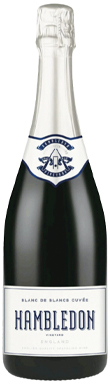
95
Based on the highly regarded 2018 vintage, the Blanc de Blancs – a new addition to the producer's portfolio – was primarily sourced from the south-facing Windmill Down vineyards on belemnite chalk. The NV release was aged on lees for four years. A richly bready, honeyed nose reveals citrus and chamomile, while the palate is round and textured yet driven by vivid freshness. Ginger-spiced with caramelised citrus, mango, and pineapple, leading to a nutty depth that lingers long.
Hambledon VineyardHampshire
Hattingley Valley, Kings Cuvée, England, United Kingdom, 2017
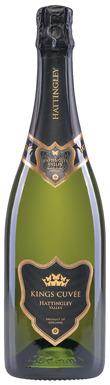

The wet growing season of 2017 was saved by a warm and dry harvest. 100% oak-fermented, the rich, creamy nose reveals dried mango, vanilla ice...
2017
Hattingley Valley

Black Chalk, Inversion, Hampshire, England, United Kingdom, 2020
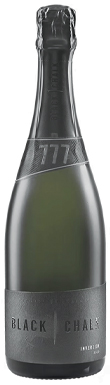
A blanc de noir, predominantly Pinot Noir, sourced from the estate's 4.6ha Upper Levels vineyard, with only 1,939 bottles produced. The floral nose reveals red...
2020
Black ChalkHampshire
Exton Park, Pinot Meunier Rosé, Hampshire, England, United Kingdom, 2014
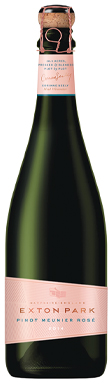
A golden hue in the salmon pink. A single-vintage botling first released in early June 2025, this 100% Pinot Meunier rosé has spent 10 years...
2014
Exton ParkHampshire
Louis Pommery, England Rosé Brut, Hampshire, England, United Kingdom
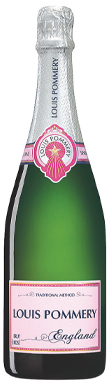
Toasty notes reveal perfumed strawberry and cream, along with red apple peel and blood orange, accented by hints of crushed mint. The palate offers more...
Louis PommeryHampshire
The Grange, Pink, Hampshire, England, United Kingdom
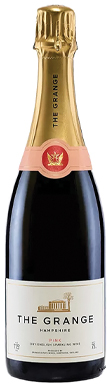
A generous, summery perfume of creamy raspberry, red cherry, and red apple. Opulent yet vibrant, the sweet and juicy red berries (at the top end...
The GrangeHampshire
