
Romanian wines worth seeking out
Darrel Joseph introduces Romania’s main regions and grapes, and selects his favourite wines...


It’s a little-understood wine nation with a long, if interrupted wine heritage, but decades of growing interest from foreign producers and a resurgence of domestic talent are seeing it rise again.
Wine from several Eastern European countries are – finally – attracting recognition and favour around the world with their authenticity, distinguished character and, especially, their ability to satisfy that desire for ‘something different’.
Romania is certainly one of those countries. Although mainly known for its easily approachable, good value wines produced in significant volumes by large wineries such as Cramele Recaş, Halewood and Jidvei, its more hidden side is now gaining real ground.
Impressively crafted wines from boutique and medium-sized estates are yielding distinction and depth, often featuring the most expressive native varieties.
Scroll down for Darrel’s top Romanian wines
There are only about 145 of these quality-focussed crame, or wine cellars, in Romania – a rather limited number, considering that there are nearly 180,000ha of vineyards dispersed throughout the country’s eight official main wine regions. But of those vineyards, almost 85,000ha are planted with an array of odd hybrid grapes, not the pure Vitis vinifera vines used by quality producers.
Local varieties
Those producers are working with an exciting assortment of palate-pleasers. Fetească Neagră (pronounced feh-te-yas-ka Ney-ah-gra and meaning ‘black maiden’) is the country’s flagship local red grape and is really coming into its own with terroir adaptability, exciting flavour components and ageworthiness. Negru de Drăgăşani (‘black of Drăgăşani’) is a rarer red crossing.
White grapes include the discreetly elegant Fetească Albă (‘white maiden’) and its daughter, the extrovertedly vibrant Fetească Regală (‘royal maiden’). True, these local lovelies – and there are many more! – bear tongue-twisting names, but that’s part of the charm of discovering Romanian vini-exotica.
There are also familiar international varieties: Merlot, the Cabernets and Sauvignon Blanc. These are highly impressive as single- varietal wines – yet sometimes even more so when blended with the native varieties.
Romania at a glance
Area under vine 177,000ha
Registered quality growers 145
Production 4.2m hl
Export 1.4m hl
Key wine regions Banat, Crişana & Maramureș, Dobrogea, Moldovan Hills, Oltenia & Muntenia, Danube Terraces, Transylvania, Sands/South lands
Appellations 33 DOC (Denumire de origine controlată) (2017 figures)
Key appellations:
Dealu Mare
The word ‘hotbed’ can be applied to the Dealu Mare region in southern Romania, not only because this DOC is known for its very hot summers, when temperatures can easily rise as high as 40°C, but also because it’s home to a slew of top wineries – some of which were the first private wine companies established in Romania after the collapse of the Ceauşescu communist regime in 1989.
As these pioneers included owners and winemakers from prominent western European wineries, the cheap, massive-volume production methods from communist days were sent packing. And interest in Fetească Neagră took serious hold.
The winery SERVE (Société Euro Roumaine des Vins d’Exception), founded in 1994 by the late Count Guy Tyrel de Poix, from Corsica’s Domaine Comte Peraldi, has been showcasing Fetească Neagră since day one.
De Poix fell in love with the variety, the soils it thrives in (loam, chalk and iron-rich reddish brown clay) and the continental climate – even the very cold winters. While eight other grape varieties are grown at the 100ha estate today under the tutelage of de Poix’s widow Mihaela, it is Fetească Neagră that reigns here.
For the Terra Romana range, winemaker Aurel Rotărescu underscores the capturing of pure balance. The Fetească Neagră 2016 was matured for 8-10 months, 50% in used oak barriques and the other 50% in stainless steel tanks, to achieve fine structure, typical notes of black cherry and lingonberry, with clove and juniper spice, all embraced with fresh acidity and well-integrated tannins.

Fetească Neagră’s typicity comes through even when blended with international grapes. SERVE’s Cuvée Charlotte comprises mainly Cabernet Sauvignon and Merlot, but is given a dash of Fetească Neagră for tightening a more distinct fruit and spice character.
The same goes for the Pinot Noir-dominated Cuvée Guillaume, whose 20% portion of Fetească lends a smidgeon of body, acidity and spice.
‘Fetească Neagră is capable of making high-quality wines and lending Romanian identity at the same time,’ says Caroline Gilby MW, a specialist in Eastern European wines. ‘It can reflect terroir: for example, it can show elegance in Transylvania, while in Dealu Mare it’s more robust. And it’s very good in blends.’
In Dealu Mare, alcohol content in the premium red wines isn’t shy, often reaching upwards of 14%. This makes sense as the appellation’s vineyards, located at 100m to 400m in altitude, sprawl southerly exposed across a long, open and sun-drenched 65km stretch of the sub-Carpathian hills, at the southeastern corner of the Carpathian mountain range.
‘But you don’t feel the alcohol in our wines,’ says Fiorenzo Rista, winemaker and co-owner of Viile Metamorfosis, which was founded by Italy’s Antinori family in 2008. ‘It always integrates so well!’
He doesn’t exaggerate. Rista, who with his wife and brother owns a 23% share of Ville Metamorfosis (the Antinoris of Tuscan fame hold the rest), makes concentrated reds for the premium Cantus Primus line.
It includes the stunning Fetească Neagră 2016, with a 15.5% alcohol level, and the Cabernet Sauvignon 2015 with 14% – both from organically certified vineyards and aged primarily in big casks. So well balanced, with ripe, succulent fruit, tight structure, full and round tannins and excellent length, the alcohol in these wines is practically inconspicuous.
This generous yet discreetly expressed alcohol is characteristic in several other fine reds throughout the region. These include the superb Bon Viveur Cabernet-Merlot blends from the Licorna Winehouse, and the Davino winery’s Fetească-kissed blends for its Domaine Ceptura Rouge (young and old vines) and Flamboyant (55-year-old vines).
Other Dealu Mare wineries to seek out include: Budureasca (lovely white Tămâioasă Românească, a Romanian clone of Muscat Blanc à Petit Grains), Domeniile Săhăteni, Domeniile Tohani, LacertA, Rotenberg and Vinarte.

Drăgăşani
In southwestern Romania, the Drăgăşani DOC is a creative enclave that’s home to stellar wineries – some of them restored to family ownership after being snatched during the communist era – which nurture other distinctive local varieties.
The 40ha Avincis estate, for example, does superb work with Negru de Drăgăşani, a rare crossing that gives black cherry and dark fruit flavours from its clay and limestone-veined slopes set within viewing distance of the region’s Olt river.
‘This variety gives spiciness that you can find in Syrah and Saperavi, but there is also a savoury, rare meaty blood character,’ says Ghislain Moritz, Avincis’ consulting winemaker from Alsace. ‘And it reaches ideal phenolic ripeness.’
The only drawback, says Moritz, is that so far, only around 20ha of the variety exist. Avincis has even undertaken field-grafting of Negru to gain two additional hectares of fruit. Moritz believes that demand for this variety will catch on and ‘may explode in five years or so’.
At the nearby Prince Stirbey winery, Baron Jakob Kripp and his wife Ileana run the very same vineyards that had belonged to her Stirbey ancestors.
Since the 20ha were returned to Ileana two decades ago, the couple has concentrated on reviving both obscure and well-known Romanian grapes – from the ripe, fruity Fetească Regală (the most widely planted white grape in the country at about 12,600ha) to the winery favourite, Crâmpoşie Selecţionată, which thrives in 30% of Prince Stirbey’s vineyards.
Long considered a simple, almost characterless grape, Crâmpoşie has been taken to a level of gentle sophistication by the winery’s German winemaker, Oliver Bauer. The steel-matured wines are clean, with minerally fresh citrus and green apple notes, and full of vivacious acidity.
When he’s not at Prince Stirbey, Bauer is busy also at his own winery just a stone’s throw away. There, he puts on his rebel cap and goes to work on his wild yeast-fermented natural wines – such as the unoaked RAW Sauvignon Blanc, and Orange, which is made from 60-year-old Sauvignonasse vines, and spends three months on skins then 16 months on full lees in wooden vats.
Top Romanian white grape varieties:
Fetească Regală 12,661ha Fetească Albă 12,383ha Riesling Italico 7,520ha Sauvignon Blanc 5,615ha Aligoté 5,545ha
Other key regional white varieties:
Crâmpoşie Selecţionată, Grasă de Cotnari, Tămâioasă Românească
Top Romanian red grape varieties:
Merlot 11,368ha Cabernet Sauvignon 5,406ha Fetească Neagră 2,950ha Roşioară 2,661ha Băbească Neagră 2,615ha
Other key regional red varieties:
Cadarcă, Negru de Drăgăşani, Novac
Natural approach
Bauer is certainly not alone in advocating natural wines. The Liliac winery in the Lechinţa DOC appellation, encircled by the Carpathians in cooler Transylvania, makes an alluring Chardonnay Orange 2016, its palate packed with quince, golden apple and caramel tones.
In the Recaş DOC, located in the west of the country near the borders with Hungary and Serbia, is an exciting – and also Italian- owned – winery, Petro Vaselo, which offers a fascinating roster of natural yeast-fermented wines from its organic vineyards with clay, limestone and terra rossa soils. The 1477 Orange is made from the Riesling Italico (or Welschriesling) grape, while the Otarniţa Pinot Noir has remarkably elegant structure, body and length.
Particularly noteworthy are the wild yeast-fermented Stonewine label red wines from the Balla Géza winery in the Mini̧s DOC, near the Hungarian border. Here the volcanic soils with diorite rock in 450m-high vineyards lend sleek minerality and gorgeous structure to Balla’s seductive Cadarcă and Fetească Neagră.
Other wineries, such as Nachbil, and a new start-up, Weingut Edgar Brutler (both of which are located around Satu Mare in the northwestern tip of the country), are creating curious, even provocative unfiltered wines that are packed with long-macerated fruit and searing acidity – and made with obscure old varieties such as Grünspitz, a grape that’s virtually unknown even in Romania, let alone the rest of the world.
Quality winemaking in Romania is more than just a work in progress. The symbiosis between intriguing grape varieties, local wine-growing talent and wine specialists from abroad has fermented into a thriving, unfolding sector that both captures the zeitgeist and forges ahead with innovation and daring.
Of course, this momentum must be fuelled by promotional support, and the highly important Premium Wines of Romania association, which counts 16 top-quality wineries as members, represents some of the country’s best wines at events and tastings around the world.
And the world is gradually taking – or rather, tasting – notice of the essence of Romanian wine.
Darrel Joseph is a wine writer specialising in Central and Eastern Europe and is a DWWA judge for the region
Darrel’s top Romanian wines to try:
You may also like:
Balkan intrigue: regional spotlight plus 12 great reds worth seeking out
Beyond Claret: 30 great alternatives to snap up
Split to Dubrovnik: Croatia wine tour
Greek Assyrtiko – Expert’s choice
Top volcanic wines
Bauer, Crâmpoșie Selecționată, Dragasani, Muntenia & Oltenia, Romania, 2018
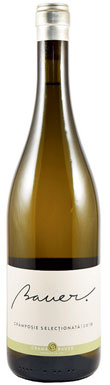

German-born Oliver Bauer makes a sleek, natural yeast-fermented Crâmpoșie Selecționată in a Mosel Riesling style: semi-sweet and low alcohol, with white peach, lime and lemon...
2018
BauerDragasani

Liliac, Fetească Regală, Lechinta, Transylvania, Romania, 2017
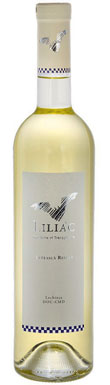
A showpiece Fetească Regală wafting with grapefruit and spice aromas, with elegant mineral-enhanced flavours of yellow grapefruit, elderflower and thyme. Crisp acidity whirls through to...
2017
LiliacLechinta
Budureasca, Premium Tămâioasă Românească, Dealu Mare, Muntenia & Oltenia, Romania, 2018
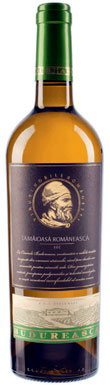
From vines of 11-40 years old, this fresh, unoaked white, from a Romanian clone of Muscat Blanc à Petit Grains, is silky-smooth with rose, nutmeg...
2018
BudureascaDealu Mare
SERVE, Cuvée Guy de Poix Fetească Neagră, Dealu Mare, Muntenia & Oltenia, Romania, 2015
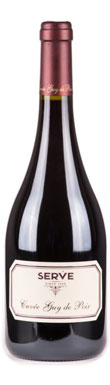
A tribute to the winery’s late French Corsican founder, this exemplary Fetească Neagră yields fabulous fruit and spice, ranging from blackberry, blueberry and lingonberry to...
2015
SERVEDealu Mare
Balla Géza, Stonewine Cadarcă, Minis, Crisana & Maramures, Romania, 2015
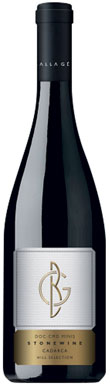
Cadarcă is Balla Géza’s claim to fame. From 400m-high stony soils, this stunner - spontaneously fermented and gently oak-aged - bears raspberry and cranberry fruits...
2015
Balla GézaMinis
Avincis, Negru de Drăgăşani, Dragasani, Muntenia & Oltenia, Romania, 2015
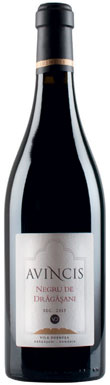
A quarter of the vines of this rare variety are grown by Avincis. This is beautifully balanced, with luscious black cherry and loganberry fruit married...
2015
AvincisDragasani
Viile Metamorfosis, Cantus Priuvs Fetească Neagră, Dealu Mare, Muntenia & Oltenia, Romania, 2016
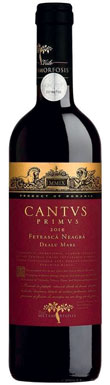
From organic vineyards owned partly by Italy’s Antinori family, this Fetească Neagră oozes with succulent Amarena cherry, lingonberry, plum and blackberry flavours, supported by lively...
2016
Viile MetamorfosisDealu Mare
Petro Vaselo, Otarniţa Pinot Noir, Recas, Banat, Romania, 2015
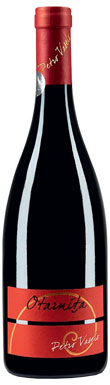
From clay and terra-rossa soils, this is an elegant organic wine delivering pure fruit flavours of raspberry, strawberry, currant and rosehip, along with bay leaf...
2015
Petro VaseloRecas
Davino, Flamboyant, Dealu Mare, Muntenia & Oltenia, Romania, 2014
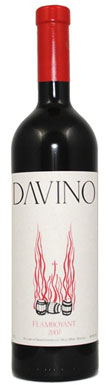
Fetească Neagră lends indigenous flair to Cabernet Sauvignon and Merlot in this old-vine blend: a panoply of ripe red and dark fruit, juniper berry and...
2014
DavinoDealu Mare
Prince Știrbey, Novac, Dragasani, Muntenia & Oltenia, Romania, 2015
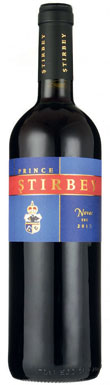
Prince Știrbey specialises in local grape varieties. This rare Novac, with its streamlined Pinot Noir-like structure, brims with cherry, rosehip, mulberry, light pepper spice and...
2015
Prince ȘtirbeyDragasani
