
Southern Italy: The 12 native grapes to know about
Native grapes tell the story of the land upon which they’re cultivated, and of the people who grow them. Susan Hulme MW presents the south of Italy and its scenic islands through a dozen varieties originating in its hills, coasts, volcanoes and valleys.


Italy’s incredible wealth of native grape varieties endows it with a special place in the wine world.
It is teeming with local individuality, and nowhere does this express itself more forcefully than in its rarer, less well-known indigenous grape varieties and the wines made from them.
Scroll down to see tasting notes and scores for wines from Susan’s must-try southern Italian grapes
Italy has about 2,000 native grape varieties, with some 350 of these documented and authorised by the Italian government. For the adventurous wine drinker, Italy offers a treasure trove waiting to be discovered.
The 12 grape varieties that follow come from the south of Italy and from the islands of Sardinia and Sicily.
Among them are six whites: Guardavalle from Calabria, Puglia’s Minutolo, Sardinia’s Vermentino; and from Campania, Caprettone, Ginestra and Pallagrello Bianco.
For reds, we feature Gaglioppo from Calabria, Piedirosso from Campania, Puglia’s Susumaniello, and Frappato, Nocera and Perricone from Sicily.
Enticing whites
Calabria, Puglia & Sardinia
Guardavalle
Guardavalle is a rare white variety from Calabria and is one of the most exciting wine discoveries I have made recently. It has the most beautiful combination of floral, fruity aromas, including lime blossom, peach and lilac, with a lovely texture and weight.
The name translates as ‘watch over the valley’ because it is usually planted on hillsides. One of its main champions is Giuseppe Scala, winemaker of Agricola Santa Venere. This estate, organically farmed and located near the town of Cirò, has been owned by the Scala family since 1600.
Giuseppe’s beautiful Guardavalle wine, called Vescovado, is made from 100% organically grown grapes and comes from carefully tended 90-year-old vineyards. The estate’s mission is to make this indigenous Calabrian variety better known and more appreciated in the world.
Minutolo
Minutolo is an aromatic white grape that has been grown in the Itria Valley in Puglia since before the Renaissance.
The Valle d’Itria IGT stretches between the provinces of Bari, Brindisi and Taranto in the long, narrow heel of Italy. Recent research shows that Minutolo is related to Muscat, and this explains its flowery, aromatic qualities.
There are two very different styles of wine from Minutolo, based upon two different clones: one has peach and apricot aromas, while the other is more herbal with higher acidity. The former can be made into sweet or dry wines.
When dry it has pretty, grapey, rose-petal aromas which nicely complement spicy Thai dishes made with lemongrass. Rita Trotti from Cantina Polvanera says of Minutolo and the other indigenous varieties she grows: ‘We wanted to re-evaluate the importance of these varieties and bring them to the attention of the world.’
Vermentino
Vermentino is known as Rolle in the south of France, and Pigato in Liguria (northwest Italy) is a clonal variation of Vermentino. It is also grown along the Maremma coast of Tuscany and in Sardinia, where, as Vermentino di Gallura, it makes the island’s only DOCG wine.
The DOCG status reflects the compatibility of the variety with the local gravel soils, which give the wines a distinctive mineral expression.
Vermentino has become quite fashionable with its sassy, crisp green-apple flavours, its round texture and lively acidity. Its versatility makes it a great partner for fresh seafood dishes such as crispy squid, chargrilled prawns and all kinds of grilled fish.

Campania
Caprettone
Caprettone is a white grape grown on the slopes of Vesuvius, often used to make the romantically named sparkling white wine Lacryma Christi del Vesuvio Bianco DOC.
According to Giuseppe Sorrentino, whose family owns vineyards and produces wines on Vesuvius: ‘Caprettone is an historic vine cultivated in the Vesuvian area by the Romans.’
For a long time, it was confused with Coda di Volpe (‘fox’s tail’), and the names of the grapes were often used interchangeably by producers on their labels.
In recent years they have been registered as two distinct varieties; DNA studies have found that Caprettone is in fact related to Ginestra and to the red variety Piedirosso, but not to Coda di Volpe. Caprettone has good acidity with white-flower and citrus aromas, and lends itself well to sparkling wines. It’s delicious with light appetisers or shellfish.
Ginestra
Ginestra is a fascinating white variety that is grown on steeply terraced vineyards, clinging to vertiginous parts of the Amalfi coast in Campania, especially near the towns of Ravello and Amalfi.
Ginestra translates as ‘broom’, and both the grapes and the wine smell of that beautiful wild plant with pretty floral, green aromas.
One complication is that there are several local names for the same grape variety, as is so often the case in Italy: Ginestra is known as Biancatenera or Biancazita, depending on where it is grown. It has the potential to produce some excellent wines, and in the hands of Ettore Sammarco from Ravello, it does just that.
Pallagrello Bianco
Pallagrello Bianco is one of a group of rare grapes (including Asprinio, Casavecchia and Pallagrello Nero) grown in the northern corner of Campania near the town of Caserta, not far from the Tyrrhenian coast. They have an illustrious past, deemed worthy of inclusion in the famous Vigna del Ventaglio vineyard in the Royal Caserta Palace of King Ferdinand I of the Two Sicilies in the 1700s.
In the early 20th century, they almost became extinct – until a small group of enthusiastic producers helped to revive them. The Alois family, who came originally from France and worked for the Bourbon king, produces a delicious Pallagrello Bianco. Massimo Alois has a passion for the grape that comes from a desire to realise his grandfather’s dream of resurrecting these historically revered varieties.
Exciting reds
Calabria, Campania & Puglia
Gaglioppo
Gaglioppo, a red variety from Calabria, Italy’s ‘toe’ region, is one of the nation’s oldest grape varieties, dating back to a time when southern Italy and Sicily were colonised by the ancient Greeks.
It is the principal grape for wines in the Cirò DOC, situated near the town of Cirò on the Ionian coast, and has recently been shown to be a crossing between Sangiovese and Mantonico, a local Calabrian grape. The wines it produces are sometimes described as similar to a lighter, more savoury Nebbiolo.
Like Nebbiolo, it loses its colour easily and can have a reddish-orange tone. Andrew Johnson of London merchant WoodWinters says: ‘Gaglioppo is simply the most underrated grape variety I know of. Cirò, the main DOC, is often referred to as the Barolo of the south, and when you see a good example, it is plain to see why. Top-quality Cirò now offers the same sort of value you could find in Piedmont 10 or 15 years ago.’
Piedirosso
Piedirosso – literally meaning ‘red foot’, due to the likeness of the stalks to a pigeon’s foot – is the second most-planted variety in Campania, but it is still not widely known as a single varietal.
It is similar to Sicily’s Frappato in that usually it is blended with other varieties (in this case Aglianico), softening the blend. Piedirosso is also the main grape in the famous DOC red sparkling wine grown on the slopes of Vesuvius, Lacryma Christi Rosso.
It produces lightly coloured red wines with crunchy red-berry fruits, green herbal or olive notes, light tannins, and moderate acidity. A classic combination is sparkling Lacryma Christi with Neapolitan pizza.
Susumaniello
Crossing Italy from Campania to the Brindisi area of Puglia, Italy’s ‘heel’, Susumaniello is a red grape variety with plenty of colour, acidity and alcohol, producing robust, firmly structured wines. In decline until recently, it is now one of Italy’s up-and- coming native grape varieties, and plantings have been increasing.
Traditionally it is blended with the better- known local Negroamaro in robust reds or rosés. However, some producers are making single-varietal Susumaniello; at Agricola Vallone, Giuseppe Malazzini believes that ‘there is market demand for this unique native variety’. He adds: ‘Susumaniello’s strengths are that it has a beautiful combination of fruit and spice, and is well structured with round, enveloping tannins.’

Sicily
Frappato
Frappato is Nero d’Avola’s partner in Sicily’s only DOCG wine, Cerasuolo di Vittoria, in which it is permitted to make up 30%-50% of the blend.
One of Sicily’s oldest varieties, cultivated in a small area between Vittoria and Siracusa, Frappato is likely a sibling of Calabrian Gaglioppo. I have been impressed by single-varietal Frappato wines I have tasted for the sheer pleasure and enjoyment they provide: they are light, fruity, amenable wines with a delightful aroma and flavours of fresh strawberries and herbs.
Nocera
The red grape variety Nocera is found in the northeast corner of Sicily and is one of the components of Faro DOC wines. These wines are hard to come by, but are super-fashionable among wine critics.
In the past, Nocera was used as a bulk wine to perk up blends, as it has a lot of acidity and colour as well as some astringency.
But, remarks Planeta’s chief winemaker Patricia Tóth: ‘What we love in Nocera is that it has all the qualities in one.’ She says the tannins are firm but soft and velvety, and it has interesting black cherry, tamarind, salty, iodine notes that reflect the place it is grown. ‘I am quite sure it’ll be one of the very important grapes in the future of Sicily,’ she adds.
Perricone
Perricone comes from western Sicily, where it was once much more widely planted under the name of Guarnaccia. At one time most farmers produced some Perricone, cultivating it for home consumption during the winter. It was popular because it ripens late and is disease- and drought-resistant.
Fabio Sireci of Feudo Montoni says that when young the wines are full of tannins – it can make them ‘grumpy’ in character. ‘The work we do at Montoni is to tame the tannins, to make them more elegant, and better integrated.’
Sireci’s dedication to Perricone is partly because his father, Elio, was fond of it and used to call it ‘the true king of Sicily’. Perricone produces robust wines that go well with slow-cooked lamb braised with tomatoes, red wine and warm spices such as nutmeg and cinnamon.
Journey to the past
These wines offer a rewarding and exciting opportunity to experience something quite different. Wine has the magical ability to transport us to another place enriched with the history and identity of the people who created it.
For the producers, the importance of these rare indigenous varieties is even deeper: the powerful desire to preserve these vines is a link to their parents, their grandparents and the history of their region.
The dedication shown by Italy’s producers in reviving them is an act of deep love and respect for the long history and traditions they have come from.
Cultivating these rare native varieties is, as Sireci says, ‘like taking a journey into the past, into the essence of my land and my people’.
Updated 16 February 2021 to specify that Pigato is a clonal variation of Vermentino.
Offbeat south: Hulme’s 15 wines to try
You may also like
The best Italian co-ops plus 12 top wines tasted
Finding value: smart picks from Italy’s top producers
Southern Italy: What’s hot right now
Sorrentino, DòRè Versacrum Spumante, Lacryma Christi del Vesuvio, Campania, Italy, 2018
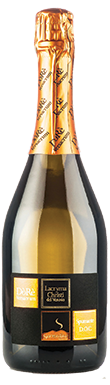

Made mostly from Caprettone grapes grown on the slopes of Mount Vesuvius, this is a delightful sparkling wine with gentle toast, cream and red apple...
2018
SorrentinoLacryma Christi del Vesuvio

Ettore Sammarco, Terre Saracene, Costa d'Amalfi, Campania, Italy, 2019
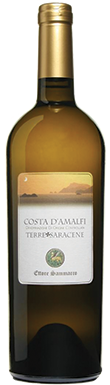
A wonderfully evocative wine that takes me right back to Ettore Sammarco’s tiny cellar squeezed between steep cliffs and the beautiful, rugged Amalfi coast. From...
2019
Ettore SammarcoCosta d'Amalfi
Luigi Maffini, Pietraincatenata, Cilento, Campania, Italy, 2018
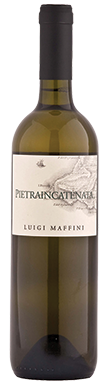
Luigi Maffini’s vineyards are a 1.5-hour drive south of Naples, inland from the famous Greek ruins at Paestum in the Cilento National Park. This Fiano...
2018
Luigi MaffiniCilento
Santa Venere, Vescovado, Calabria, Italy, 2019
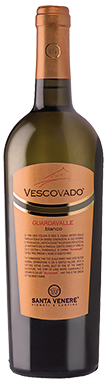
The Guardavalle grape variety is so exciting and deserves to be better known. The first impression is of honeysuckle, summer flowers and ripe grapes, with...
2019
Santa Venere
Siddùra, Maìa, Vermentino di Gallura, Superiore, Sardinia, Italy, 2019
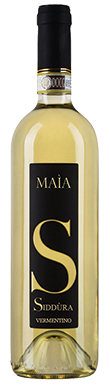
Raised on the granite soils of the Gallura region on Sardinia’s wild northeast coast, this Vermentino has a long, elegant and mineral finish. Opening with...
2019
SiddùraVermentino di Gallura
Antonella Corda, Vermentino di Sardegna, Sardinia, Italy, 2019
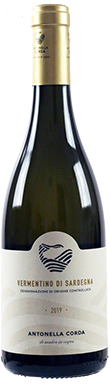
This southern Sardinian Vermentino has rich, deep notes of green apples, green pepper and spice. On the palate, Granny Smith flavours integrate beautifully with ripe...
2019
Antonella CordaVermentino di Sardegna
Alois, Morrone, Terre del Volturno, Campania, Italy, 2018
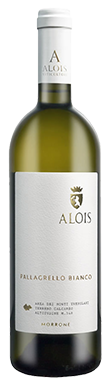
This is a lovely example of the rare Pallagrello Bianco grape variety. Grown in Pontelatone in the northern part of Campania, near the city of...
2018
AloisTerre del Volturno
Paolo Leo, Triade Bianco, Campania, Italy, 2019
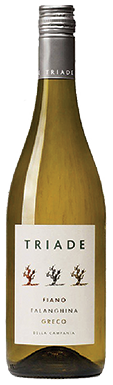
Triade is an unusual but exciting blend of three of Campania’s most celebrated native varieties: Fiano, Falanghina and Greco. It offers great value and is...
2019
Paolo Leo
Sergio Arcuri, Il Marinetto, Calabria, Italy, 2019
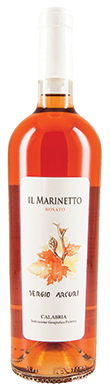
This dark orange rosé made from Gaglioppo has bright aromas of citrus and strawberry fruits. It has more complexity to it than many rosés, with...
2019
Sergio Arcuri
Feudo Montoni, Perricone del Core, Sicily, Italy, 2019
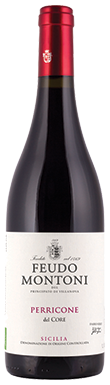
Core (‘heart’ in Italian) is the name of this heart-shaped vineyard. It’s bursting with vivid aromas of smoky blackberry, wild herbs and liquorice. The palate...
2019
Feudo Montoni
Santa Venere, Cirò, Calabria, Italy, 2018
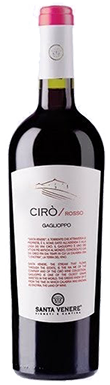
Made from the Gaglioppo grape, this is so enticing and easy to drink. Bright and juicy, it’s brimming with dark raspberry fruits, and lots of...
2018
Santa VenereCirò
Vallone, Tenuta Serranova Susumaniello Rosso, Salento, Puglia, Italy, 2018
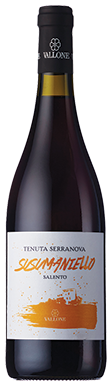
Top notes of creamy strawberry combine with herbal, bitter olive notes. The soft, round, medium-to-full-bodied texture, together with strawberry purée and contrasting bitter herb flavours,...
2018
ValloneSalento
Planeta, Nocera, Sicilia, Sicily, Italy, 2018
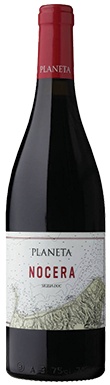
Up at the northeast tip of the island, there’s a little-known variety called Nocera. This has so much complexity – a Mediterranean herb and pomegranate-driven...
2018
PlanetaSicilia
Cantine Paolini, Frappato, Terre Siciliane, Sicily, Italy, 2018
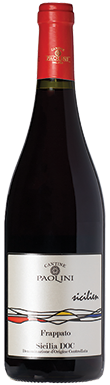
This Frappato from Sicily’s southeastern corner is such a joyful, moreish wine to drink. The friendly nose is full of sun-warmed strawberries, herbal notes and...
2018
Cantine PaoliniTerre Siciliane
Polvanera, Minutolo, Valle d'Itria, Puglia, Italy, 2019
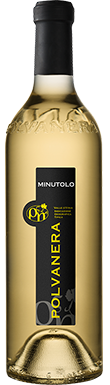
Not surprisingly, DNA analysis has shown that southern Puglia’s rare Minutolo grape is related to Muscat. From the glass, a whoosh of honey, grapes and...
2019
PolvaneraValle d'Itria
