
Spätburgunder: 12 fantastic German Pinot Noirs to track down
Under its German moniker, Pinot Noir has had a long and varied history. Today it is widely planted across the country’s top wine regions, where winemakers are reacting to the effects of climate change and focusing on fruit purity.


Spätburgunder is the German name for Pinot Noir, and means literally ‘late Burgundy’, in reference to its ripening time and origin. It is possible that the variety first arrived in Germany as early as the ninth century. An often-cited story recounts how Charlemagne [d. 814 AD] ordered monks to plant a vineyard in the Rheingau, on a hill below what is now known as Schloss Johannisberg. It may well be Pinot Noir that they planted, as wild Pinot grapes have been found growing on a nearby island in the Rhine.
Scroll down to see tasting notes and scores for 12 fantastic Spätburgunders
As Benjamin Lewin MW points out in his comprehensive study In Search of Pinot Noir (Vendange, 2011), there is more evidence suggesting that the Cistercian monks later planted black grapes at the nearby Kloster Eberbach, which was founded in 1136, although there is no proof that these vines were Pinot Noir. According to the German Wine Institute (DWI), the first clear written reference to Klebrot – an early name for Pinot Noir – is said to have been made locally in 1470.
Pinot Noir later became a common variety in the Rheingau, where 390ha of 3,200ha (DWI, 2020) are still planted with this grape, mainly in the northwestern corner around the town of Assmannshausen. The steep Höllenberg (‘Hell’s Mountain’) of the village has been a source of great Spätburgunder through the ages, especially during the 19th and early 20th centuries, when its Pinots rivalled those of Burgundy.
In the 16th century, Spätburgunder was mentioned in the Ahr valley as ‘Bleichert’, which means ‘pale’, indicating the colour of the wine. Spätburgunder became the star in the protected microclimate and Devonian slate soil of this northern tributary of the Rhine, producing wines that are fresh yet powerful at the same time. It is now the dominant variety there, covering 65% of all vineyard areas along the Ahr.

Even the Mosel has a history of planting Spätburgunder. In the 19th century, it was cultivated and sold as Roter Burgunder (‘red Burgundy’). But as Riesling commanded higher prices, the Nazis prohibited the planting of black varieties in 1933, under a law that stayed in force until 1987.
Today, Baden is Germany’s Spätburgunder paradise, with the grape occupying 5,260ha of its 15,812ha. There is a natural alliance between the warmer climate of the southern region of Baden and some of its soils: calcareous in Breisgau, for example, and volcanic at the Kaiserstuhl.
Although the planting of black grapes only accounted for 11.4% of Germany’s total plantings in 1980, it saw a significant rise throughout the following two decades. Hence, by 2006, black grapes accounted for a 36.9% share of all vineyards in the country. However, in a move to consolidate and augment the uniqueness of Riesling, plantings of black grapes have now fallen to 32.7%.
Spätburgunder is at home in every single one of Germany’s 13 quality wine regions, totalling 11,660ha across the country. This puts Germany in third place for Pinot plantings around the world, behind only France with about 32,000ha, and the US with 25,000ha.
Climate: Risk & opportunity
If you look at the river Ahr now, it seems quite harmless, only a few metres wide and flowing along its bed of stone and gravel. On the outskirts of Dernau, the river flows behind an inconspicuous hall, which has housed the winery of Julia Bertram and Benedikt Baltes since last September. Two months earlier, their winery stood a few kilometres upstream in Rech. But that no longer exists, thanks to the devastating flood of the river Ahr on 14 July 2021.
The new site was fitted out for vinification in just six weeks, just in time for the start of harvest, says winemaker Baltes. He found a second-hand press and destemmer in France, while the tanks and barrels were donated by friendly wineries from all over Germany. Only two of their own barrels were spared.

The measuring stations in the Ahr valley were not prepared for a flood of such magnitude, so they only had estimates of just how high the floodwater rose that Wednesday night. In places, the flood was said to have poured through the narrow, winding valley at a height of between seven and 10 metres, sweeping away everything in its path.
Was the flood a result of climate change? That is difficult to assess. But it has certainly shaken things up. Wine-growers in the Ahr and other regions are painfully aware of the changes in the past few decades: temperatures have risen by as much as 2°C, and extreme weather events are increasingly destructive, bringing hail, heavy rain and floods. As a result, sustainability has become the predominant theme for many winemakers. German Spätburgunders are increasingly about naturalness and purity. Less is more – in both viticulture and vinification.
Moreover, although Germany falls in the coolest European climate zone for viticulture, the country experienced a series of hot vintages in 2018, 2019 and 2020, which has brought the cooler Mosel, viewed as a Riesling stronghold, into focus for the production of Spätburgunder.
These hot vintages have also led to ripeness and improvement in the quality of entry-level wines. If you don’t want to open a Grosses Gewächs-level wine [a designation that’s similar to grand cru] every day, you can now find excellent examples even in the simple Gutswein category.

Sustainability drive
The Ahr is only a small wine-producing region, comprising 563ha of Germany’s total 103,000ha. It is considered the northernmost red wine-dominated region in the world. At Weingut Bertram-Baltes, Spätburgunder accounts for nearly 100% of its 7.5ha. Anyone who has had the good fortune to taste Bertram-Baltes’ wines from the 2018 vintage knows the radiance they exude.
With his surviving vineyards, Baltes is now focusing on the self-healing power of nature, and he is even going one step beyond just working biodynamically in search of this, as he is converting his vineyards, bit by bit, to permaculture. This is a special form of sustainable viticulture that imitates the natural cycle of nature. Not only are chemical agents banned, but the trellis posts are also only made of untreated acacia wood, and the cordon [main horizontal arm of the vine] is trained to a height of 1.4m.
Underneath, small sheep graze on weeds and eat the vine’s excess shoots, but they cannot reach the sweet fruit. This long distance from the ground also helps prevent fungal diseases such as peronospora, which can be transmitted by water splashing. In the early growth phase, the vines remain completely untreated to promote and strengthen their natural defences.
Can such prudent measures be tasted? They certainly contribute to the powerful character of Baltes’ Mayschosser Mönchberg 2019, which reflects the barren slate soil of the steep mountain more than it does the grape variety. Smokiness settles over the black cherry fruit, while the tannins are fine, almost delicate. It is a modern, very purist style.

A similar effect can be seen in the wines of Steffen and Andreas Rings. The two brothers have built their new winery virtually in the middle of the vineyard, outside the town of Freinsheim in the Rhineland-Palatinate (Pfalz). Their goal is CO2 neutrality. Almost half of the 2,000m2 winery protrudes into the vineyard, covered with earth and planted with vegetation, thereby providing natural insulation. The floor for barrel storage is kept bare, allowing natural humidity to rise, and the new barrels there are reserved for entry-level wines. The wines from top vineyards Saumagen and Felsenberg are mainly aged in one-year-old barriques, where they are meant to rest and breathe, nothing more.
‘Our wines need more time today,’ says Andreas Rings. The 2020 vintage is still in barrel and won’t be bottled until May 2022. It will be released in autumn and then, ideally, should not be touched for a few years so that it can build complexity through maturity.
The German way
Burgundy might have been the model for the previous generation of German winemakers, but the current one has emancipated itself – and is making Pinot Noir the German way.
Julian Huber, 32, has been running the Bernhard Huber winery in southerly Malterdingen in Baden, the warmest wine-growing region in the country, since 2014. ‘It took me time,’ he says, ‘to develop a feeling of how to best express our vineyards in the wines.’ He has reduced the proportion of new oak barrels from 100% to about 30%. He only adds 5%-6% whole bunches now, as the small Pinot berries he selects from his harvest these days no longer need the added ‘seasoning’. They already bear it within themselves.
Heading north, the Mosel region – with only 411ha of Spätburgunder out of the total 8,700ha of land under vine – is now also yielding top-notch red wines. Markus Molitor was one of the pioneers, and other renowned wineries followed suit. Even classic wineries such as Maximin Grünhaus now have Pinot in their range.
Daniel Twardowski started planting and buying vineyards for his ‘Pinot Noix’ winery in Neumagen-Dhron as recently as 2005, focused entirely on Pinot Noir. He replanted the vines (mainly Dijon clones) on the steep slopes of the cool side-valley of the Dhron. He now owns 3.2ha of Pinot Noir, and his oldest vines yielded the Ardoise 2018, a graceful wine whose acidity demonstrates a tensile power imparted by the cool conditions. It’s an exceptional wine from the hot 2018 vintage.

Hardly anyone dares to mention it but, ultimately, climate change also has a positive side. In Germany, grapes now ripen fully almost every year due to the warming temperature. Even the simplest wines are now of good or even very good quality. These are the wines you drink every day, which makes them all the more significant. Frank Adeneuer from Walporzheim of the Ahr has just renamed his estate wine Purist. He wants to express that all the grapes come from his own vineyards and that the focus is on fruit purity.
Hanspeter Ziereisen from Baden also devotes the same level of attention to his Tschuppen Spätburgunder as to his great wines like Jaspis. Hand-harvested from the quality top-hill site, the wine went through long cold maceration, slow fermentation, slow pressing and then ageing in 20- to 30-year-old barrels. The complex Jaspis is reserved for special moments, while the more affordable, refreshing Tschuppen is a wine for today – and hopefully for many tomorrows.
See tasting notes and scores for 12 fantastic Spätburgunders
Related content
New Zealand Pinot Noir: 20 premium wines to try
Domaine de la Romanée-Conti 2019: in-bottle tasting comparison
Domaine Coche-Dury: producer profile
August Kesseler, Assmannshausen Höllenberg, Grosses Gewächs, Rheingau, Germany, 2018
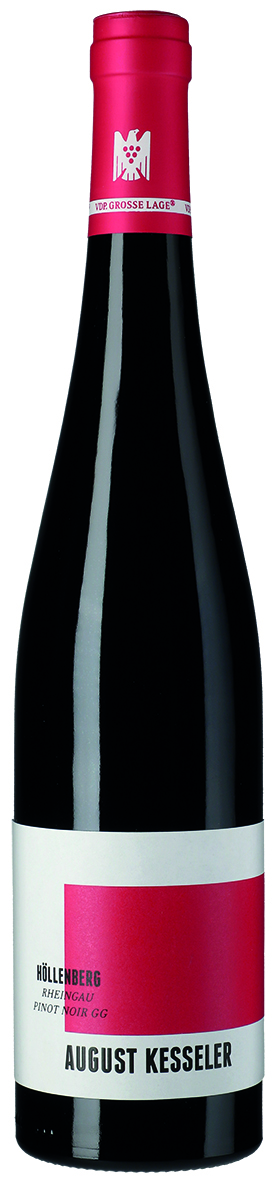

Fine oak spices of chilled coffee and bitter chocolate are at the forefront, before being overtaken by powerful dark berry fruit, cassis, sour cherry...
2018
August Kesseler

Bernhard Huber, Schlossberg Spätburgunder, Grosses Gewächs, Baden, Germany, 2019
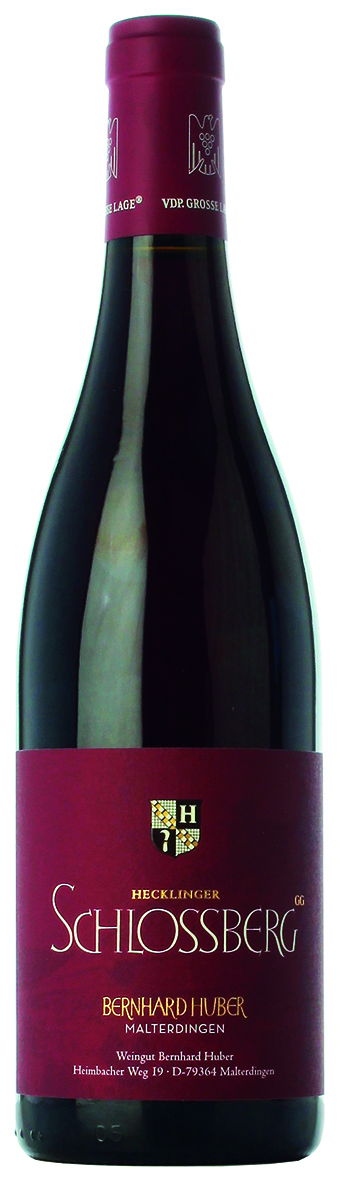
Less is more. Fewer whole berries (now using only 5%-6%) and reduced use of new oak (now about 30%) have led to greater fruit precision,...
2019
Bernhard Huber
Rings, Felsenberg Spätburgunder, Grosses Gewächs, Pfalz, Germany, 2020
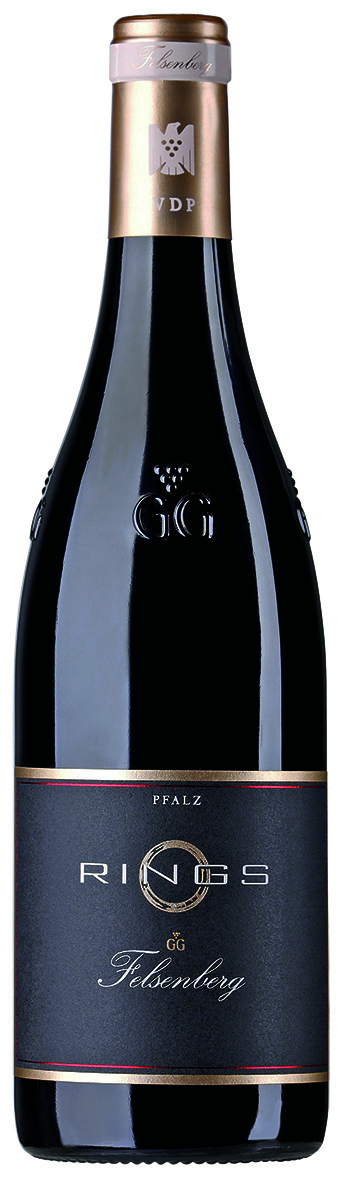
(Barrel sample) Although Felsenberg also faces south, a cold wind sweeps down the mountainside of the Pfälzer Wald forest to cool the vineyard. Harvest usually...
2020
Rings
Ziereisen, Jaspis Pinot Noir, Baden, Germany, 2019
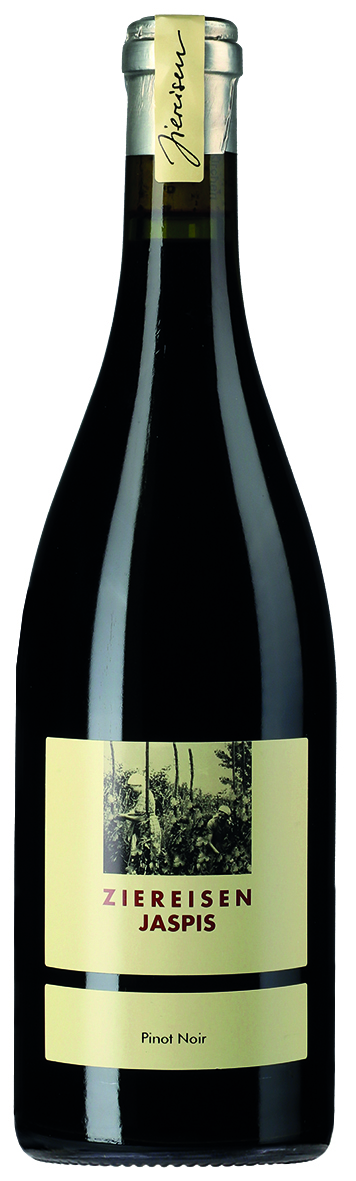
This wine transposes the sparse calcareous soil and Hanspeter Ziereisen’s subtle winemaking, which uses about 50% whole bunch fermentation in closed tanks to protect the...
2019
Ziereisen
Bertram-Baltes, Mayschosser Mönchberg Spätburgunder, Ahr, Germany, 2019
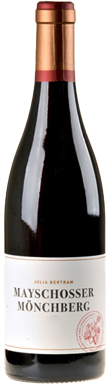
The monumental Mönchberg witnessed the severe flooding at Ahr in July 2021 – but remained almost untouched. Its Devonian slate has left its mark...
2019
Bertram-Baltes
Dr Wehrheim, Kastanienbusch Köppel Spätburgunder, Grosses Gewächs, Pfalz, Germany, 2018
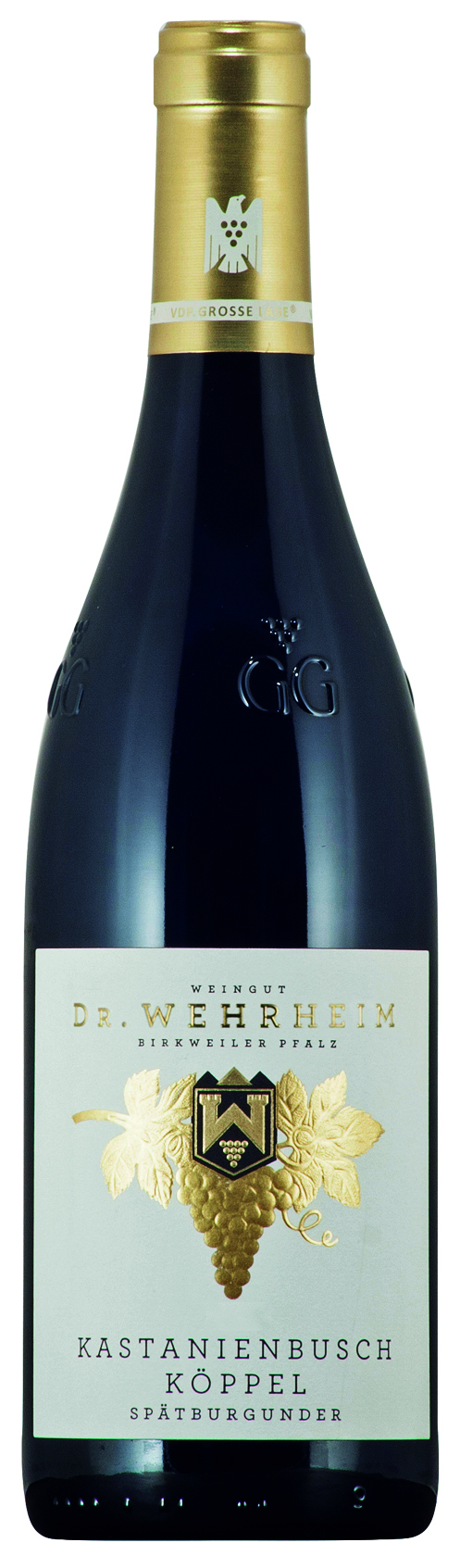
A soloist, different, coming from very old, coloured sandstone soil. It first shows a rather cold shoulder before releasing a crescendo of fresh and chilled...
2018
Dr Wehrheim
Rings, Saumagen Spätburgunder, Grosses Gewächs, Pfalz, Germany, 2020
(Barrel sample) Saumagen is a site that has found its harmony through its warm southern exposure and high-density planting of 12,000 vines per hectare (massal...
2020
Rings
Daniel Twardowski, Pinot Noix Ardoise, Mosel, Germany, 2018
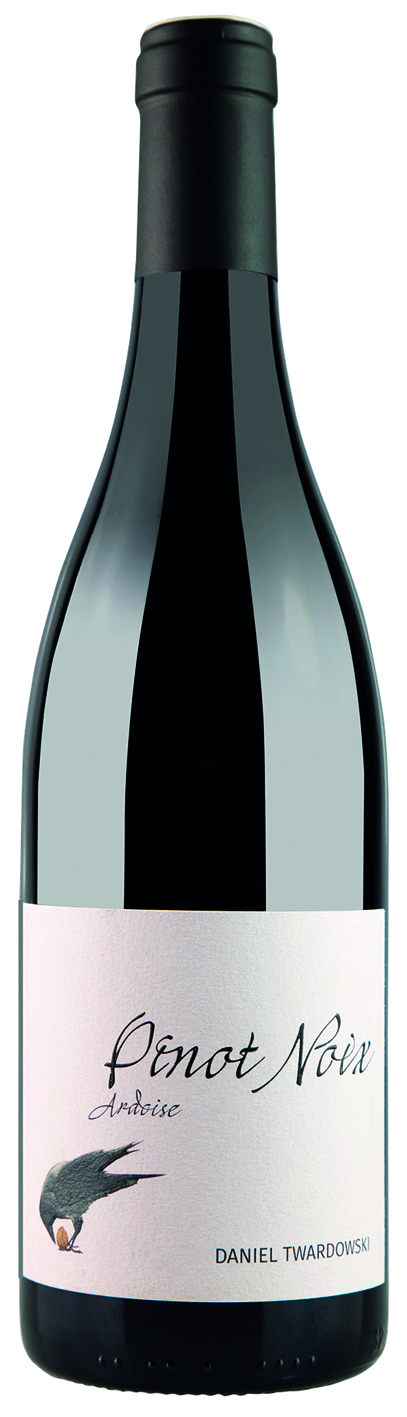
This cooler site by the Dhron tributary river, which is always blessed by a cool breeze, has resulted in a lighter-colour, fresh-fruit profile and...
2018
Daniel Twardowski
Graf Neipperg, Neipperger Schlossberg Spätburgunder, Grosses Gewächs, Württemberg, Germany, 2019
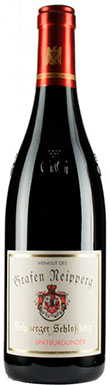
Lemberger might be the signature variety in Württemberg, but Spätburgunder is catching up. The wine is a classic style, demonstrating elegance and finesse, and resisting...
2019
Graf Neipperg
JJ Adeneuer, Rosenthal Spätburgunder, Grosses Gewächs, Ahr, Germany, 2019
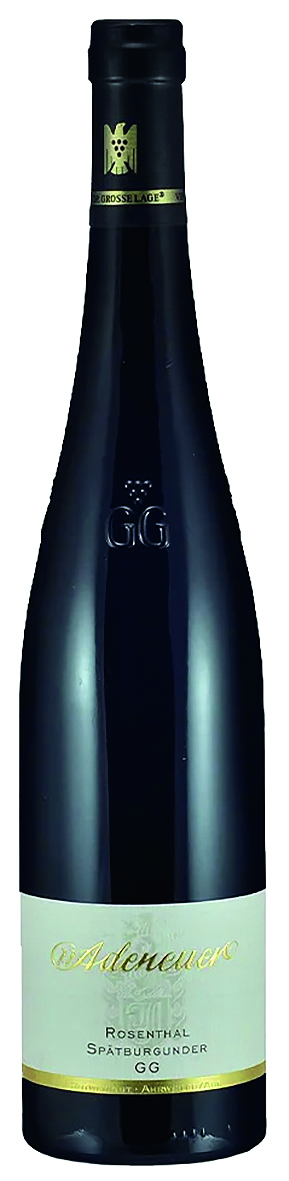
From the premium end of the Adeneuer range, this displays a precisely crafted fruit profile of sour cherry with oak spices, mainly from old oak,...
2019
JJ Adeneuer
JJ Adeneuer, Purist Spätburgunder, Ahr, Germany, 2020
The entry-level wine of the Adeneuer range, but it’s nevertheless a strong starting point. The name Purist reflects various aspects of its making: purely...
2020
JJ Adeneuer
Ziereisen, Tschuppen Blauer Spätburgunder, Baden, Germany, 2018
A winery shows its strength and quality with its entry-level wine. The hand-harvested grapes come from Ziereisen’s own vineyards, with some whole bunches ...
2018
Ziereisen
