
Super Tuscans 2.0: Meet the innovators behind the stylish new wave
Once it embodied everything new and ambitious about Italian wine. But while some say the Super Tuscan is no longer the hero it once was, Tuscany’s boundary pushers insist that it still has the power to surprise – brace yourself for its long-awaited sequel.


Everything that comes from Tuscany is perceived as more desirable.
‘Even water brand Acqua Panna achieved a boost in sales by starting to showcase the word Toscana on the label,’ observes Stefania Saccardi, head of the region’s agricultural department.
Art, culture and marvellous landscapes contribute to the lofty reputation of the region, but the Toscana brand wouldn’t be as powerful if the region weren’t home to some of Italy’s finest wines.
Tuscany is where the Italian wine renaissance started, thanks to the so-called Super Tuscans, which began grabbing headlines between the late 1970s and early 1980s. Initially labelled as simple Vino da Tavola wines, they were brought into existence as a reaction to outdated or nonexistent regulations.
The pioneers behind these Super Tuscans had a thorough knowledge of French wine – especially Bordeaux – and they introduced techniques such as temperature-controlled fermentation in stainless steel vessels and barrel ageing.
Sangiovese and Cabernet Sauvignon were the key grapes in the earliest examples, while Merlot gained prominence from the 1990s onwards.
Scroll down for notes and scores for 12 second-wave Super Tuscans to look out for
Carving their own path
‘The Super Tuscans were all part of a huge change that took place in Tuscan life following the disappearance of mezzadria (the traditional sharecropping system), the move to specialist viticulture and the realisation that Tuscany was – and is – an expensive place in which to grow grapes,’ explains David Gleave MW, founder of leading UK merchant Liberty Wines.
‘For that reason, the quality of the wines needs to be high, in order to ensure the costs of production are covered.’
It’s thought that the late Nicolas Belfrage MW coined the term ‘Super Tuscan’, with the ‘super’ prefix intended to highlight the category’s high aspirations.
Revisions to regulations in areas such as Chianti Classico during the 1990s offered a more appealing prospect to Super Tuscan producers than previously existed, and some of the wines earned DOC/DOCG status when the Bolgheri denomination was restructured to incorporate red wines in 1994.
Yet despite this, most Super Tuscans – perhaps because of their free-spirited essence – were simply upgraded [from Vino da Tavola] to Toscana IGT (indicazione geografica tipica, established in 1995) or Costa Toscana IGT (2010), giving a boost to the regional brand at the expense of the local.
The category remains loosely defined even today and represents just a small fraction of the output of these two broad appellations, which together account for more than 30% of the region’s production, according to official figures from the Consorzio Vino Toscana.
And although the term Super Tuscan may be less popular than in the past – some even argue it is somewhat outdated – collectors and members of the trade continue to use it to refer to a specific prototype of high-achieving red wine: lush and often oak-accented, blending Tuscan exuberance with an international flair.
Natural progression
The group isn’t homogenous, however, and while historical Super Tuscans swing between a classic imprint and the transition towards a sleeker style, a new generation – whose wines we shall identify as Super Tuscans 2.0 – is preventing it from becoming obsolete or stagnant.
Some of these wines were conceived at the beginning of the new millennium and have gradually become the standard-bearers of a major stylistic shift. Others are newcomers to the market.
‘Rather than being disruptive like the original ones, these new Super Tuscans represent the evolution of a well-established category,’ suggests Montalcino-born wine marketing specialist Gabriele Gorelli MW.
Surgical precision in winemaking is a feature they have in common with their predecessors and they further stress exclusivity, smaller production volumes and lofty positioning targeting an even narrower niche of savvy and affluent consumers. They also reflect an urge to keep up with global trends.
‘Relying on such a powerful IGT brand means having room to experiment and that helps a lot in times of big changes’, says Luca Vitiello, sales director at Bertinga, a promising new winery located in the commune of Gaiole in Chianti Classico. ‘But we also need to show a link to a specific place instead of just focusing on style.’
Opulence and power are the key descriptors defining many first-wave Super Tuscans; however, new-wave wines combine the signature generosity and universal appeal for which the category is known with greater emphasis on finesse and a newfound sensibility for terroir.

Seeking elegance
Focusing on Cabernet Franc is one of the ways in which to follow this shift. Pioneering efforts from Le Macchiole, Fornacelle and Duemani in the early 2000s first demonstrated the grape’s potential on the Tuscan coast.
‘The initial goal with Cabernet Franc was to find a single-variety alternative to the déjà-vu Bordeaux blend,’ affirms renowned consultant and former owner of Duemani, Luca D’Attoma. ‘Its aromatic character is suited to the changing climate and to today’s market,’ adds Gleave.
In Tuscany, Cabernet Franc typically exhibits excellent freshness and restraint. The noteworthy quantity of pyrazines means the wines can taste slightly green, but such greenness leans on attractive aromas of balsam, herbs and macchia (‘scrubland’) when the grapes are picked at full maturity.
Pure expressions of Cabernet Franc scream Mediterranean terroir while being supple and energetic. ‘The tannins are always fine-grained and those long-lasting herbal elements also ensure excellent longevity,’ D’Attoma remarks.
Although the variety is increasingly widespread along the Tuscan coast, Bolgheri is its hotspot, with roughly 250ha and more than 20 recently launched DOC or IGT varietal wines. The best expressions from this area also prove its transparency to terroir.
For instance, Tenuta Sette Cieli’s Scipio, which comes from parcels on pebbly soils located just outside the appellation at up to 400m, tastes like the missing link between the Loire valley and the Tuscan coast with its exuberant leafiness and lifted acids.
Tenuta Argentiera’s Ventaglio originates from a marl-rich hill lying closer to the sea and combines greater voluptuousness with remarkable vibrancy.
Cabernet Franc is also gaining ground beyond the coast. In Val d’Orcia, Guardiavigna by tech entrepreneur-turned biodynamic wine producer Pasquale Forte represents an especially ambitious and terroir-expressive take, mixing Orcia’s typical earthy imprint with high-altitude freshness.
Unconventional styles
Syrah is the other variety to watch, defying heat in areas such as Cortona in central Tuscany and Suvereto on the coast. ‘It shines for its versatility,’ notes D’Attoma, who worked with prominent Suvereto estate Tua Rita to craft Keir, the most groundbreaking among at least a dozen new-wave Syrahs fermenting in Tuscan terracotta amphorae.
Vinified with 40% whole clusters, it displays a radically different profile to the bold and hearty examples that have long dominated the regional scene – striking in its delicate and ethereal nature.
Syrah and Cabernet Franc are the key varieties of Caiarossa, a trailblazing wine that embodies the prevailing urge to pursue distinctiveness even when bringing together different grapes in blends.
The Albada Jelgersma family, which also owns Margaux third growth Château Giscours, drifted away from the Bordeaux-inspired model to find an unconventional way to shine a light on the unsung terroir of Riparbella, where maritime influence meets relatively steep slopes rich in galestro (schistous clay commonly associated with central Tuscany).
‘Opting for an unprecedented blend of seven varieties and working biodynamically, we have always felt part of a second wave of IGT Toscana producers,’ states export manager Daniele Parri. ‘We like to refer to our wines as MediTuscans rather than SuperTuscans, as the goal is to express a fiercely Mediterranean identity.’
Mirroring terroir

In central Tuscany, the goal for Sangiovese-based Super Tuscans has changed. While historical examples were born to make the grape more accessible for a larger audience – either by blending with Bordeaux varieties or by ageing in oak barriques – new-wave examples spotlight an uncompromising expression of varietal character and place.
In Chianti Classico, the introduction of the top-level Gran Selezione category in 2014 has encouraged the launch of a number of brand new DOCG wines that could become the worthy heirs of the pioneering IGT wines in their ability to redefine the denomination’s standards.
‘Especially after the introduction of the new UGA sub-zones [in Chianti Classico, standing for unità geografica aggiuntiva], there has been a growing emphasis on parcelling and highlighting details instead of evening out production in a Bordeaux fashion,’ remarks Gorelli.
‘The new top-shelf Gran Selezione may be seen as part of the Super Tuscan category, but they have different aims and target other consumers.’
If anything, the Super Tuscan 2.0 style is closer to maverick icons prioritising raciness, such as Montevertine’s IGT Le Pergole Torte, than to the richer, more velvety wines that prevailed in the first generation.
A project by the Mazzei family of Castello di Fonterutoli fame, Ipsus is a case in point: it shares a focus on vibrancy with Le Pergole Torte and is even more elusive – the 4,500- to 6,000-bottle production is sold entirely on allocation.
‘It has been gaining increasing recognition among international fine wine trade members and collectors,’ states Tara Albini, head of marketing and clients at marketing strategy consultancy Wine Lister in the UK.
Beyond Sangiovese, Chianti Classico is also home to the most exciting new projects featuring Merlot, an early-ripening variety that is increasingly challenged by heat in many other areas of the region.
Bertinga’s Volta di Bertinga and La Massa’s Asiram – both made under the supervision of legendary Bordeaux winemaker Stéphane Derenoncourt – show a UGA-like connection to the sub-zone of origin.
The former comes from a northeast-facing parcel on the steep slopes of Gaiole and emphasises slenderness; the latter exudes the warmth of Panzano’s sun-kissed Conca d’Oro.
Sangiovese new frontiers
‘Valdarno di Sopra is the most dynamic among the historical areas, with potential for further development,’ says renowned Italian wine region cartographer Alessandro Masnaghetti.
From here, in the foothills of the Apennines, highly successful Bordeaux-style wines such as Petrolo’s Galatrona and Tenuta Sette Ponti’s Oreno are joined by new benchmark expressions of Sangiovese: Sette Ponti’s Vigna dell’Impero encapsulates the lushness and approachability found in the Bordeaux expressions produced in Valdarno di Sopra, while also retaining fierce varietal brightness.
But the upsurge in popularity of Sangiovese has also favoured the development of high-achieving projects beyond established denominations.
Bibi Graetz developed his own 2.0 approach by taking to the extreme the freedom associated with the Super Tuscan category: he sourced grapes from plots scattered around central Tuscany to craft hugely ambitious expressions of the variety.
‘While most producers of Super Tuscans heavily relied on modern, high-density plantings, I decided to focus on old vineyards in remote areas and mysterious massal selections,’ Graetz explains.
His pursuit of elegance in recent years is strongly reflected by the latest vintage of Colore, which originates from high-elevation sites in Olmo (Colli Fiorentini) and Lamole (Chianti Classico), and for the first time includes a small percentage of whole bunches in the fermentation, adding to its juiciness and brightness.
Pioneer producers, new projects
Finally, Super Tuscans 2.0 include some forward-looking projects by historic wineries. This year celebrating the 50th anniversary of the launch of Tignanello, Antinori has conducted thorough experiments at Le Mortelle in coastal Maremma, where the pivot is Cabernet Franc for Poggio alle Nane and Carmenère for Ampio.
Launched in 2015, the latter epitomises the family’s ‘glocal’ approach. ‘We became familiar with Carmenère after acquiring Haras de Pirque in [the Maipo Alto region of] Chile,’ says technical director Dora Pacciani. ‘It adapted well to the warm sandstone soils as it’s high in pyrazines and ripens very late.’
Born from the flank of coastal icon Lupicaia, Gian Annibale by Castello del Terriccio pays homage to Gian Annibale Rossi di Medelana, a larger-than-life character who anticipated trends, resorting to larger oak for maturing wines and using substantial amounts of Petit Verdot to craft idiosyncratic wines.
‘With 4,000 to 5,000 bottles produced yearly, it will never replace the more than 30,000 bottle-strong Lupicaia,’ reassures Rossi di Medelana’s nephew and current owner Vittorio Piozzo di Rosignano.
‘But it’s a treat for collectors and fine-dining establishments that epitomises a new style of Super Tuscan by further emphasising brightness and restraint.’
Second-wave SuperTuscans: Mosca’s dozen to look out for
Related articles
- Bolgheri 2021: Overview of a milestone vintage and top-scorers
- Italian pasta and wine: The best pairings for popular dishes
- Collector’s Guide: Tuscany
Bibi Graetz, Colore, Toscana, Tuscany, Italy, 2022
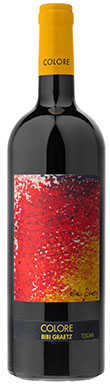

Colore is the product of old vines in the Chianti Classico hills, in Lamole and Olmo. ‘Colore is my dream from the beginning of working...
2022
Bibi GraetzToscana

Il Caggio, Ipsus, Chianti Classico, Gran Selezione, Tuscany, Italy, 2020
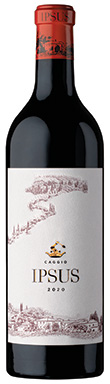
Unmistakably Chianti Classico in its light and translucent colour, ferrous and animal touches overlay a hypnotising array of kirsch, sandalwood, tobacco and damp earth, with...
2020
Il CaggioChianti Classico
Tenuta Argentiera, Ventaglio, Toscana, Tuscany, Italy, 2020
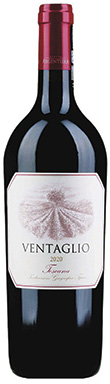
Tenuta Argentiera's fan-shaped Ventaglio vineyard nestled among the woodland at the top of a hill covers both north and south exposures – the north-facing side is...
2020
Tenuta ArgentieraToscana
Tenuta Sette Ponti, Vigna dell'Impero, Valdarno di Sopra, Tuscany, Italy, 2019
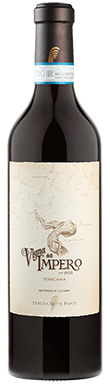
The old vines of Vigna dell'Impero were planted in 1935 on the 2.5ha site's galestro soils. The Sangiovese undergoes a long maceration of over three...
2019
Tenuta Sette PontiValdarno di Sopra
Castello del Terriccio, Gian Annibale, Toscana, Tuscany, Italy, 2019
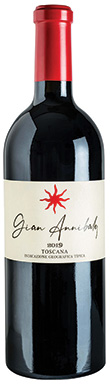
Dark and deep in the glass, this displays ultra-polished aromas of confit blackberries, Modica chocolate and damp earth alongside alluring hints of eucalyptus, dried herbs...
2019
Castello del TerriccioToscana
Caiarossa, Toscana, Tuscany, Italy, 2021
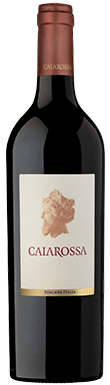
2021 was a demanding but ultimately rewarding vintage in much of Tuscany, with a warm March encouraging an early budbreak. The summer was hot and...
2021
CaiarossaToscana
Bertinga, Volta di Bertinga, Toscana, Tuscany, Italy, 2019
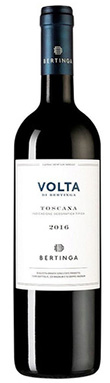
Dark-coloured but not inky, this is exceptionally refined and terroir-driven. Signature Gaiole nuances of undergrowth, laurel and iron superimpose cherry jam, red roses, milk chocolate...
2019
BertingaToscana
Tua Rita, Keir Syrah, Toscana, Tuscany, Italy, 2021
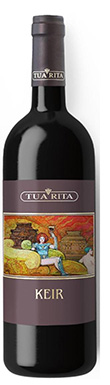
Sporting a moderately compact purplish colour, this is laced with essence of freshly picked bramble fruits and violets wrapped in a veil of laurel, nutmeg,...
2021
Tua RitaToscana
Tenuta La Massa, Asiram, Toscana, Tuscany, Italy, 2019
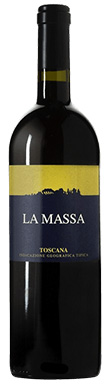
From a 0.5-hectare plot on blue clay and schist in the Conca d'Oro, this first vintage of Asiram (the anagram of Marisa, Giampaolo Motta’s mother)...
2019
Tenuta La MassaToscana
Le Mortelle, Ampio, Toscana, Tuscany, Italy, 2019
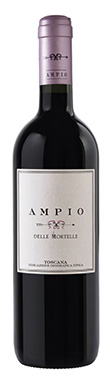
Impenetrable in the glass, dark spice, bay leaf and blackberry compote mingle with graphite and soy sauce. Nuances of scorched earth and truffle emerge with...
2019
Le MortelleToscana
Podere Forte, Guardiavigna Orniello, Toscana, Tuscany, Italy, 2019
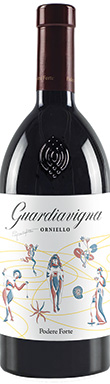
Almost unsettling at first, Sangiovese-reminiscent hints of rust and game anticipate crushed hedgerow fruits, medicinal herbs, scorched earth, potpourri and a kiss of oak spice....
2019
Podere ForteToscana
Tenuta Sette Cieli, Scipio, Toscana, Tuscany, Italy, 2020
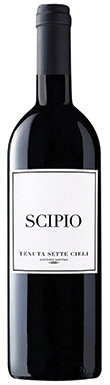
Sourced from low yielding vineyards at 400 metres of altitude – which is something almost unique in this area – and fermented with natural yeasts, ageing...
2020
Tenuta Sette CieliToscana
