
The Douro: An evolution plus 20 top wines worth seeking out
It’s an open secret that the Douro Valley is very capable of producing high-quality reds from its characterful indigenous grapes. Perhaps slow to get going, progress in the region has gained momentum, says Sarah Ahmed, selecting 20 of the very best examples to try...
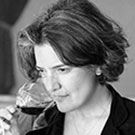

In 1986, Cuvaison Estate in Napa employed a young Portuguese intern who declared: ‘My first wine is going to be a monster, but in 20 years I’ll be making fine wines.’ That intern was Dirk Niepoort, and the journey he predicted – evocative labels from Robustus (his first 1990 Douro red) to Charme (launched in 2002) – reflects not only this now fêted fifth-generation Port and winemaker’s progress, but also a region-wide direction of travel.
Douro wines of quality have grown up fast in sophistication, number and diversity. Not only Douro DOC red wines (my focus here), but also white and latterly rosé wines – all three together represented, in 2017, 36% of the Douro Valley’s production. Port represented 56%, with the balance taken up by Duriense Vinho Regional wines, sparkling Moscatel and non-Port fortified styles.
‘I welcome the Douro’s diversification into emphatically drinkable, fresh, lower-alcohol wines’
First footsteps
It seems remarkable that, until recently, the world’s first demarcated and regulated wine region (established 1756) showed little ambition for making wine as opposed to Port. First made in 1952, Casa Ferreirinha’s iconic red Barca Velha was virtually a lone voice in the wilderness. Back then, remote Douro wineries had no electricity, which, together with buoyant Port sales, explains why Douro winemaking lacked impetus until the 1990s.
‘Being much closer to the vineyard and nature, we are returning to the past, but with scientific knowledge’ João Nicolau de Almeida.
Making wine in an extreme continental climate (‘nine months of winter, three months of hell’ as the local saying has it) without modern equipment was not only daunting, but also commercially irrelevant.
Scroll down for Sarah Ahmed’s pick: 20 top Douro reds
However, 1986 was a game-changing year. Portugal joined the European Union, providing funds to research grape varieties and develop vineyards and wineries that were better suited to producing wine. This and Ramos Pinto’s pioneering work at Quinta de Ervamoira during the 1980s sparked a new wave of planting. The relatively flat, virgin site was the first to be planted vertically (avoiding the need for terracing) and block planted (single varietal, not field blend), helping to identify those ‘top five’ varieties – Touriga Nacional, Touriga Franca, Tinta Roriz, Tinto Cão and Tinta Barroca – that became the mainstay of modern block-planted vineyards.
João Nicolau de Almeida recalls working with his uncle, José António Ramos Pinto Rosas. Rather than adapt traditional Port vineyards for non-fortified wine, Rosas wanted somewhere ‘ideal for modern, well thought out wine-growing, making use of varietal and scientific knowledge,’ with scope for cost and labour-saving mechanisation and irrigation.
Describing Douro winemaking as ‘very young, with only 20 years’ serious exploration’, leading winemaker Jorge Moreira (Poeira, Quinta de La Rosa, Real Companhia Velha) recalls the early days, when ‘Port gave us lots of misconceptions which, initially, hid two key things – acidity and a sense of the vineyards, because Ports were traditionally made by houses using bought grapes.’ Focused on well-ripened fruit – with a relative disregard for acidity and rapid, vigorous extraction for concentration and tannin (where tannin, sugar and alcohol underwrite longevity) – Port’s model did not serve the first wave of modern Douro wines well. They could be ‘Porty’, especially when, observes Moreira, there was no existing tradition of using new oak or small-format barriques and the mantra, in the 1990s, was: ‘If you want to make good wines, use 100% or 200% new oak’. When top wines were seen to age less well after five years than second wines, he says, ‘it opened our eyes’. So what happened next?
The second wave
Keen to avoid early mistakes, fourth-generation Port shippers the Symingtons partnered with Bruno Prats when they started making wine in 1999. Deferring to the Bordeaux veteran’s expertise, flagship red Prats & Symington Chryseia was fermented in temperature-controlled stainless steel tanks, not foot-trodden in shallow, open lagares (as in Port production), and aged in 400-litre French oak to preserve the fruit – for Prats, the ‘magic’ of Douro wines.
With exemplary tannin management, the resulting polished, elegant style has encouraged other producers, including Poças Júnior, to go for the French approach – adopting a more international style. The first instinct, says Poças Júnior’s viticulturist Maria Manuel Maia, ‘was to leverage tannins and power’, but hiring Hubert de Boüard of Bordeaux’s Château Angélus in 2014 has seen Poças embrace ‘freshness, elegance and balance’, using de Boüard’s experience of oak and blending vineyard parcels. Qualities readily apparent back in 2015, when I compared the 2007 and 2014 vintages of the top wine Símbolo.
Many continue to foot-tread, sometimes fermenting top wines in lagares, but extraction is longer and gentler for finer tannins, and fermentation temperatures better geared to maintaining fruit. Especially when made from old field-blend vineyards, these wines are a touch wilder – more reflective of their rugged, mountainous origins. It helps that subtler oak allows the Douro’s intrinsic characteristics to shine.
At Quinta do Vale Meão, Francisco Olazabal points out, ‘tannin is something that is not lacking in most Douro varieties’, so his barrels are now ‘more neutral, with less toast, less wood sweetness and tannin’. In another common shift, he uses less new oak. Olazabal is confident the wines will still age well; indeed most producers believe that better balanced recent vintages will age better.
‘Tannin is something that is not lacking in most Douro varieties’ Francisco Olazabal
A pendulum swing
Chief among them is Niepoort, whose quest for freshness has seen him push the envelope hardest on earlier picking and big-format oak (foudres and vats). Since 2013, the wines have been whittled down, with less overt fruit and oak, and freshness and terroir expression to the fore. Particularly in 2017, the driest, earliest vintage on record.
At a pre-release tasting of premier 2017 Douro reds in June, Niepoort’s Batuta, Redoma and Vertente contrasted starkly with other wines that were deeply coloured and concentrated with imposing tannins. I asked Niepoort if the pendulum has swung too far, verging on under-ripeness or under-extraction, which, as Moreira vividly puts it, ‘can steal the character of a place’. Conceding ‘perhaps a little’, Niepoort nonetheless believes ‘we are absolutely on the right track’, because bottling the ‘perfect wine’ (such as his 2011s) does not allow for ‘growth’ in bottle, hence now ‘bottling with a bit of lightness’. Time will tell, as it has for Australian Chardonnay (where debate raged about picking dates); some early-picking producers have been vindicated, others’ wines simply lacked flavour ripeness.
While Douro reds are typically full-bodied or at the fuller end of the medium-bodied spectrum, I welcome the diversification into emphatically drinkable, fresh, lower-alcohol wines, especially mid-priced examples, whose translucent fruit and fresh acidity articulates the Douro’s wild herb, floral, spice and mineral notes.
Take Luis Seabra’s wines, which showcase whole-bunch ferments – another tool increasingly used to create a sense of freshness and levity, not least because, says Seabra, ‘it forces me not to extract too much’. Or Olazabal’s cousin, António Olazabal Ferreira, who launched Portugal Boutique Winery in 2016 with an un-oaked red, Boina.
Inspired by Roman and Cistercian practices, Mateus Nicolau de Almeida’s fresh, floral Curral Teles Alpha is a ‘Vinho Vermelho’ – ‘red [less extracted], not purple,’ he emphasises. Whole bunches are foot-trodden in a calcatórium (a lagare for crushing only) then pressed; only the must is fermented in cement tank.
Winemakers’ playground
Fresher wines also illustrate a greater understanding of the Douro’s intricate terroir – beyond the existing three sub-regions, whose progressively warmer, drier climates are mirrored by Mateus Nicolau de Almeida’s Trans Douro Express range: westernmost Baixo Corgo (Atlantic/Mediterranean), Cima Corgo (Mediterranean) and easternmost Douro Superior (Mediterranean/continental). With multiple aspects and altitudes (100m to 850m above sea level) – which, observes Niepoort, differentiate the Douro from other classic regions – Douro DOC winemakers have led the way in interrogating this large region’s 42,023ha of vineyard.
While the Port vineyard classification awards 240 points to vineyards up to 150m and deducts 900 points for those over 650m, altitude is beneficial for wines’ balance and finesse. As the name of Ramos Pinto’s Duas Quintas suggests, Ervamoira is not the sole source of grapes for this wine. Adopting Barca Velha’s successful recipe, they are blended with grapes from a higher, 600m vineyard.
With the growth of Douro DOC and climate change concerns, today’s focus on elevation is unprecedented. Although ‘the oldest vines are adapted, more ready to cope’, Pedro Garcias at Mapa says ‘people with lower vineyards are worried’. Selling his lower Douro Superior vineyard funded the purchase of a 600m vineyard in Alijó, Cima Corgo. Tiago Sampaio (Folias de Baco) has planted Pinot Noir and Tinta Francisca there for single-varietal wines, while his Uivo Renegado – a sappy 50/50, white/red old field-blend wine – reflects a niche revival of lighter-bodied ‘palhete’ or ‘clarete’ wines. Luís Pedro Cândido da Silva’s feather-light 9% alcohol Primata Touriga Nacional 2016 comes from a 600m vineyard with dramatic night-time temperature drops; it captures Touriga’s fragrance in a uniquely fresh, pared-back style.
From the Douro’s highest point, the granite and quartz slopes of Serra do Reboredo, Luís Leocádio (Titan of Douro) makes intensely characterful, mineral, fresh wines from un-grafted, 150-year-old vineyards planted at 700m-850m by his wife’s great grandfather.
Detailed exploration
Pinhão Valley is famous for Port but, in relatively high vineyards (rising to 400m-480m), Sandra Tavares and Jorge Serôdio Borges (Wine & Soul) and Moreira make consummately balanced, ageworthy wines. Located on opposite sides of the valley, site specifics distinguish them. Elegant, more acid-driven, Poeira comes from Moreira’s north-facing, afternoon-shaded vineyard in Provesende. Wine & Soul’s riper, darker, muscular Pintas is from a sunnier, south-facing site in Vale de Mendiz which, observes Moreira, integrates oak more readily. Producing wines closer to Poeira, Wine & Soul’s Manoella vineyard reflects a slightly higher Vale de Mendiz site and the humidity and fresh breeze from surrounding forests.
Exploring the Douro’s native varieties (more than 100) also plays into the pursuit of freshness and diversity. Old field-blend vineyards bring great complexity and, championing them, Tavares argues: ‘Why select a few varieties when they are so adapted, with much less water need, and wines from the block-plantings of the late- 1990s and 2000s taste variety- or clone-driven, rather than site-driven?’
Reflecting that his great-grandfather got it right, Tiago Alves de Sousa (of Alves de Sousa) explains that as they are planted at higher density, traditional field-blend vineyards cover more soil, decreasing water loss through soil evaporation; also, because more inter-vine competition reduces vigour, less water is lost through leaf transpiration. He is co-planting mixed native grape parcels (‘just a bit more organised than before’) for genetic diversity.
Similarly (and, to maintain profile), Wine & Soul and Quinta do Crasto are using massal selection to replicate old vineyards. According to genetic research, at least 49 different (red and white) varieties produce Crasto’s single-parcel red Vinha Maria Teresa – a powerhouse of great complexity and structure. Looking beyond the ‘top five’ varieties, Real Companhia Velha’s Séries label bottles individual varieties from old field-blend vineyards, pinpointing fresher grapes such as Rufete, Malvasia Preta, Cornifesto, Bastardo and Tinta Francisca.
A new world
Working with varied terroir and block-planted and field-blend vineyards, the Symingtons are the Douro’s largest vineyard owner and buy approximately 17% of the region’s grapes. Rob Symington, the first fifth-generation member to join the business, is overseeing its wide-ranging sustainability project. He reports that without irrigation, they would have lost all the crop in some Douro Superior vineyards, because ‘vines can adapt to quite serious extremes of temperature but can’t function for any period of time without water’. Accordingly, their three ‘grape variety libraries’ are being monitored to assess the wine and Port quality of lesser-known/used varieties and identify those most resistant to drought and heat.
Building on Rosas’ vision at Ervamoira, cutting-edge, smart deficit irrigation is now in place for 25% of their vineyards, with 95% in the Douro Superior, whose drier conditions encouraged the Symingtons to create the region’s largest organic vineyard. Here, they are trialling VineScout – a self-propelled, electrically powered robot for monitoring vineyards’ parameters, including soil humidity and leaf moisture.

From a slow start, wine has diversified the Douro’s repertoire beyond all recognition. Reflecting on progress since Ervamoira, João Nicolau de Almeida observes: ‘Being much closer to the vineyard and nature, we are returning to the past, but with scientific knowledge.’ This blend of tradition and science, combined with the Douro’s unique blend of terroir and grape varieties, makes it one of the world’s most compelling regions and, thankfully, provides the foundation to adapt and survive into the future.
Sarah Ahmed is an awarded wine writer, educator and judge specialising in Portugal and Australia, publishing her own site at www. thewinedetective.co.uk
See Sarah Ahmed’s pick: 20 top Douro reds
You may also like
Why is Touriga Nacional a rising star?
Port 2017: Vintage guide and what to buy
Decanter travel guide: Alentejo, Portugal
Tasting Quinta do Noval’s single-varietal wines
Niepoort, Turris, Douro, Douro Valley, Portugal, 2016
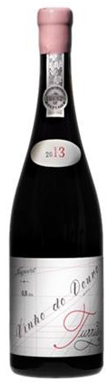

Aged in old foudre, unfiltered and unfined, this diaphanous red exquisitely articulates a south-facing centenarian vineyard at 450m in Covas do Douro. Strikingly fresh, with...
2016
NiepoortDouro

Poeira, Tinto, Douro, Douro Valley, Portugal, 2016
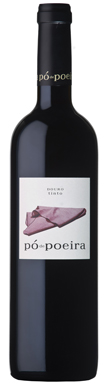
Impeccable balance, freshness and precision showcase Poeira’s north-facing, elevated, Provesende location. Spliced with mineral acidity and chalky tannins, ultra-persistent, firm black berry and currant fruit...
2016
PoeiraDouro
Quinta do Crasto, Vinha Maria Teresa, Douro, Douro Valley, Portugal, 2015
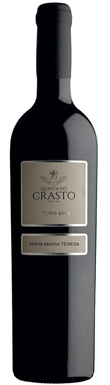
A southeast-facing parcel makes for exceptional spice, cool minerality and a spiralling dynamic acid/tannin structure, bringing lift, poise and length to abundant raspberry, blackberry and...
2015
Quinta do CrastoDouro
Manoel D Poças Junior, Símbolo, Douro, Douro Valley, Portugal, 2016
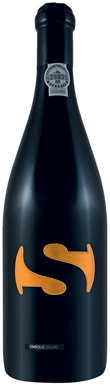
Select parcels and rows from a 40- to 60-year-old vineyard in São João da Pesqueira produce this inky, enveloping, perfumed flagship wine. Concentrated but well-defined,...
2016
Manoel D Poças JuniorDouro
Prats & Symington, Chryseia, Douro, Douro Valley, Portugal, 2016
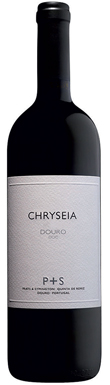
Elegant, highly broachable, with lovely fluidity, freshness and purity of black plum and blackberry fruit. Ultra-fine tannins do nothing to impede the flow, showcasing salty,...
2016
Prats & SymingtonDouro
Real Compania de Vinos, Carvalhas Vinhas Velhas, Douro, Douro Valley, Portugal, 2016
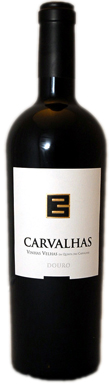
Made with more than 30 varieties from the estate’s oldest field-blend vines. Ruffled taffeta tannins capture the perfume and dark berry and currant fruits on...
2016
Real Compania de VinosDouro
Casa Ferreirinha, Reserva Especial, Douro, Douro Valley, Portugal, 2009
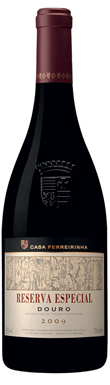
This mature release of Barca Velha’s baby sister exudes the power and warmth of this dry year – even displaying a certain pungency. Heady, yet...
2009
Casa FerreirinhaDouro
João Nicolau d’Almeida & Filhos, Quinta do Monte Xisto, Douro, Douro Valley, Portugal, 2017
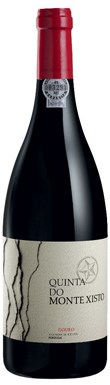
The volume and pungency of 2017 with detail, freshness and elegance. Velvety blackberry, plum and raspberry, orange blossom and esteva hints (resin and spice). Aged...
2017
João Nicolau d’Almeida & FilhosDouro
Quinta do Noval, Petit Verdot, Douro, Douro Valley, Portugal, 2016
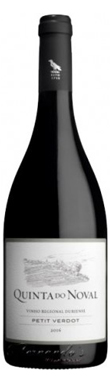
The varietal explains the VR Duriense classification but, thanks to Bordeaux expertise (and cuttings), it has authority. Inky, with violet, cedar and coriander-seed spice to...
2016
Quinta do NovalDouro
Quinta de S José, Vinha Ruy Francisco, Douro, Douro Valley, Portugal, 2015
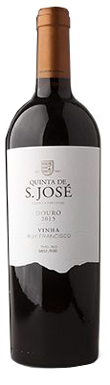
Young Touriga Nacional vines produce a kilo of fruit each, making this dense, chewy tribute to the maker’s father more reflective of site. Dusty, mineral...
2015
Quinta de S JoséDouro
Wine & Soul, Quinta da Manoella VV, Douro, Douro Valley, Portugal, 2016
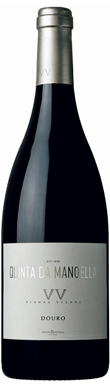
Centenarian bush vines on this elevated Vale de Mendiz site in the Pinhão Valley consistently produce a wine of marked freshness and intensity, with supple...
2016
Wine & SoulDouro
Lavradores de Feitoria, Meruge Tinto, Douro, Douro Valley, Portugal, 2016
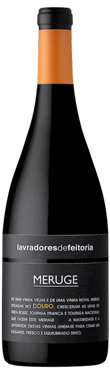
Mostly Tinta Roriz, with a splash of field-blend grapes, all from a north east facing vineyard in São João da Pesqueira. Jewel-bright red cherry, plum...
2016
Lavradores de FeitoriaDouro
Luis Seabra, Xisto Ilimitado, Douro, Douro Valley, Portugal, 2017
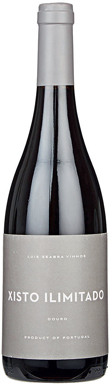
Elevated vineyards and 30% whole-bunch fermentation make for herbaceous, earthy and incense spice riffs to its fresh, woody raspberry, crunchy cranberry, redcurrant and blueberry. Fine,...
2017
Luis SeabraDouro
Alves de Sousa, Abandonado, Douro, Douro Valley, Portugal, 2015
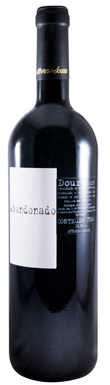
An elevated Baixo Corgo 85-year-old, field-blend vineyard surrounded by eucalyptus and pine forest at 500m and Portuguese oak (40%) distinguish Abandonado. Concentrated yet fresh, with...
2015
Alves de SousaDouro
Pesseguiro, Cão Danado, Douro, Douro Valley, Portugal, 2017
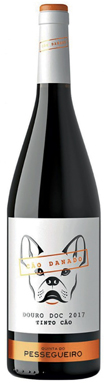
Tinto Cão is usually the salt and pepper of blends. Aged in old barrels, this characterful varietal example reveals parma violets, chocolate and meaty aromas....
2017
PesseguiroDouro
Titan of Douro, Estágio em Barro, Douro, Douro Valley, Portugal, 2016
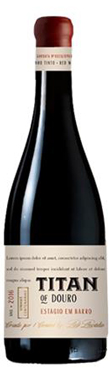
Centenarian ungrafted vines at 850m on granite and quartz. Aged for 16 months in clay pots, granular tannins anchor its spice and herb-edged red and...
2016
Titan of DouroDouro
Quinta do Vale Meão, Meandro, Douro, Douro Valley, Portugal, 2017
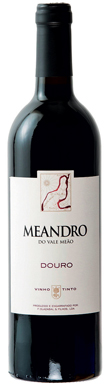
Vinous red and black fruits, with a touch of bake, but still fleshy and motile. With bergamot lift, bitter chocolate and dynamic tannins, it has...
2017
Quinta do Vale MeãoDouro
Quinta Nova, Terroir Blend Reserva, Douro, Douro Valley, Portugal, 2017
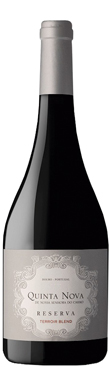
Dusty schist and a touch of lively peppery reduction to the nose and palate. Juicily persistent blackberry and plum striated with ripe but present, dynamic...
2017
Quinta NovaDouro
Folias de Baco, Uivo Tinta Francisca, Douro, Douro Valley, Portugal, 2016
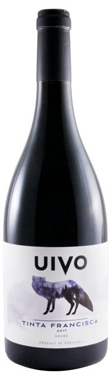
Variety and location make for emphatic freshness, at 600m on transitional schist with granite soils. Vivacious, super succulent plum, and cool mineral graphite undertones.
2016
Folias de BacoDouro
Quinta do Vallado, Vallado Tinto, Douro, Douro Valley, Portugal, 2017
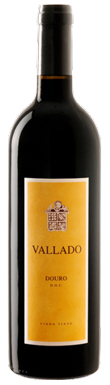
Violet, damask rose and dusty schist to its ripe, juicy black berry, cherry and plum. Field blend (20%) and oaked components (25% aged six months...
2017
Quinta do ValladoDouro
