
Top buys from the German VDP wine tasting: 2018 whites & 2017 reds
Anne Krebiehl MW picks out her top German reds and whites from a recent tasting of over 1,000 wines, including Riesling, Pinot Noir, Blaufränkisch, Silvaner and Pinot Blanc.


2018 whites & 2017 reds, with a few late-release wines too...
Curiosity was great at the first outing of the 2018 whites and 2017 reds at the Weinbörse tasting in Mainz, Germany, held at the end of April each year. It’s a key event for the VDP, covering all levels from Gutswein to Grosse Lage, although the Grosses Gewächs (the top category of dry wines) are not released until September. In the meantime, you can see last year’s Grosses Gewächs report here
What is the VDP?The Verband deutscher Prädikatsweingüter consists of 196 top wine estates from across Germany’s 13 wine regions. The group is vetted for and adheres to strict rules including low yields, higher must weights, selective hand harvesting and five-yearly inspections. Wine estates that belong to the VDP bear the group’s eagle symbol on the bottle.
Around 5% of Germany’s vineyards are included in the VDP classification.
The very best wines made within the VDP may be classified as Grosse Lage, the German equivalent of a grand cru. These wines are subject to a tasting panel, must have a maximum yield of 50hl/ha, are hand-harvested and must be made from traditional grapes in proven sites. Below this top level is Erste Lage (‘premier cru’), then Ortswein (‘village wine’) and Gutswein.
Beyond this terroir-driven classification, differing styles within each level can be indicated as with non-VDP prädikatswein, with Trocken, Kabinett, Spätlese, Auslese, Beerenauslese or Trockenbeerenauslese appearing on the labels.
A quick guide to German grape names
Many German grape varieties have synonyms. Below are some found in this report.
Pinot Noir – Spätburgunder
Blaufränkisch – Lemberger/Limberger
Pinot Blanc – Weissburgunder
2018
After two meagre harvests, 2018 was not only hot and dry but also plentiful.
4/5
A heatwave year
On show were the whites that ripened in the record-breaking summer of 2018. The fruit was healthy and abundant. The fact that 2018 was generous is a boon: it allowed winemakers to experiment more and it will also mean that they can afford to hold some wines back for later release – a concept that’s becoming more and more popular in Germany.
A handful of these late releases add some depth to the tasting notes below, and in fact Clemens Busch’s Marienburg Fahrlay-Terrassen Riesling Grosses Gewächs 2016 earns my joint-top mark.
One question is whether the wines in 2018 still have their customary acidity – a justifiable question as tartaric acid was completely sold out in late summer last year. Tartaric is the acid proper to wine but it can also be used as an additive – quite legally – to acidify must.
Canopy management
The best producers in Germany, many of whom are assembled in the VDP ranks, have learned a lot since the last heatwave summer of 2003. Travelling around the wine regions last summer, I noticed that most vines took the heat and dryness in their stride, often standing tall in juicy, green leaf, as orchards and shrubs around them drooped.
Their vineyards are well-adapted now, with canopies micro-managed to ensure fruit shading with good ventilation, ensuring health and freshness. Shortened canopies reduce assimilation surface: fewer leaves means less photosynthesis and allows grapes to ripen aromatically without clocking up too much sugar.
VDP chairman Steffen Christmann from the warm Pfalz region noted that while 2018 was disproportionately warm in the cooler regions, the warmer, southern regions had not been much hotter than usual. What was different was the dryness, which meant some dry stress but, thankfully, sufficient winter rain meant that this was mostly confined to young vines lacking deep root systems.
A question of acid
With early bud-break, the early harvest had not really shortened the vegetative period but harvest point was still crucial. Robert Haller of Würzburg’s Bürgerspital reported that Silvaner was harvested even before Müller-Thurgau, while Anne Dönnhoff of the Dönnhoff estate in the Nahe reported that fruit was so wonderfully healthy that a ‘short, compact harvest’ was possible.
Dorothee Zilliken of Weingut Forstmeister Geltz Zilliken in the Saar reported that, curiously, acid levels were lower than usual – still around the 7-8g/l mark, but with pH levels as low as ever at 2.9.
Other producers echoed this sentiment but none could quite explain this freak of nature. Dr Carl von Schubert of Maximin Grünhaus in the Ruwer said: ‘This year, Bruderberg was a magician. The wonderful acidity was still there.’
In terms of Riesling, retaining acidity was key. ‘Looking at pH was crucial in 2018,’ explained Daniel Wagner of Weingut Wagner Stempel in Rheinhessen, noting that he looked back at his records from 2003 to marvel how much he had learned since then. He also noted that he whole-bunch pressed without employing any skin contact in order to keep the pH low.
So work in both vineyard and cellar was geared to preserve as much freshness as possible in 2018. It’s surprising how vivid and refreshing the wines are without making teeth hurt as some young Riesling vintages can. The wines are approachable and open already and will be a joy for those who love ripe fruit expression.
2017 reds
Sorting, sorting, sorting was the mantra in 2017, but what is here is sinuous, pure and fresh.
4/5
The reds from the 2017 vintage show an elegant bent with fine freshness. The wines in these non-Grosses Gewächs categories are of excellent value, and as an Ortswein (village wine) showcase of Rheinhessen demonstrated, they do age beautifully.
Anne’s top German VDP wines from the latest releases:
You may also like:
Dr Loosen: Profile and top-rated wines
Germany: Grosses Gewächs new releases – Riesling 2017 and Pinot 2016
Understanding Grosses Gewächs Riesling and wines to look for
Top Pinot Noir wines outside Burgundy
Clemens Busch, Marienburg Fahrlay-Terrassen Riesling, Grosses Gewächs, Mosel, Germany, 2016
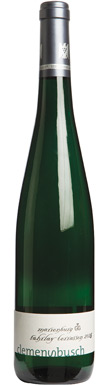

This is one of the increasingly common late releases from the hands of biodynamic pioneer Clemens Busch in the Middle Mosel. This rarity comes from...
2016
Clemens BuschGrosses Gewächs

Maximin Grünhaus, Bruderberg Kabinett Riesling, Mosel, Germany, 2018
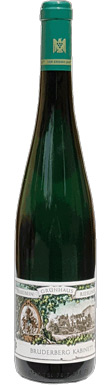
This wine is testament to the enduring quality of great vineyards: wine has been made here since at least the 8th century. Dr Clemens Schubert...
2018
Maximin Grünhaus
Zilliken, Saarburger Rausch Kabinett Riesling, Mosel, Germany, 2018
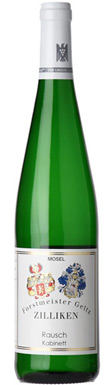
If only there were an English equivalent to the term 'rausch', which means intoxication in a literal but also figurative sense. While here it stems...
2018
Zilliken
Wagner Stempel, Siefersheim Porphyr Riesling, Rheinhessen, Germany, 2018
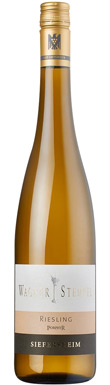
A 60/40 blend from the classified Heerkretz and Höllberg sites and their rhyolite soils, this is an exquisite value proposition that exemplifies the estate's crystalline...
2018
Wagner Stempel
Weingut Am Stein, Vinz Alte Reben Silvaner, Franken, Germany, 2018
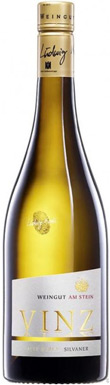
This Silvaner is sourced from 50- to 60-year-old vines in the Stettener Stein - an elevated, steep site of Muschelkalk soil on the river Main....
2018
Weingut Am Stein
Schäfer-Fröhlich, Vulkanfelsen Riesling, Nahe, Germany, 2018
This wine is effectively made from declassified fruit from Tim Fröhlich's volcanic grand cru sites of Felsenberg and Kupfergrube, and it's a hot tip for...
2018
Schäfer-Fröhlich
Spreitzer, Oestricher Doosberg Alte Reben Riesling, Rheingau, Germany, 2018
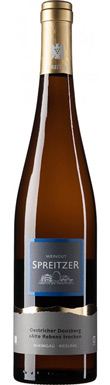
This wine is sourced from 45- to 50-year-old vines on a quartzite-dominant parcel of the Oestricher Doosberg, a warm site close to the Rhine. Even...
2018
Spreitzer
Peter Lauer, Fass 2 Ayler Riesling, Mosel, Germany, 2018
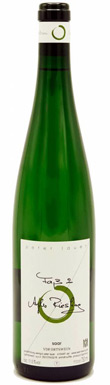
Peter Lauer, one of the young stars in the Saar, came up with an innovative style with his Fass 2 bottling: half of the grapes...
2018
Peter Lauer
Bürgerspital zum Heiligen Geist, Würzburger Abtsleite Silvaner, Franken, Germany, 2018
Bottled in the traditional Bocksbeutel, this Silvaner is from the Muschelkalk soils of the Würzburger Abtsleite vineyard. <br><br>Fermented in stainless steel, it opens with surprising...
2018
Bürgerspital zum Heiligen Geist
A Christmann, Gimmeldingen Riesling, Pfalz, Germany, 2018
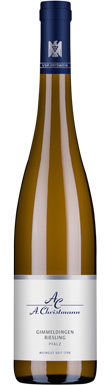
Gimmeldingen benefits from a cleft in the Haardt mountains that lets in cooler night air, so there's lovely freshness in this Riesling grown on Buntsandstein...
2018
A Christmann
Dr Bürklin-Wolf, Wachenheimer Riesling, Pfalz, Germany, 2018
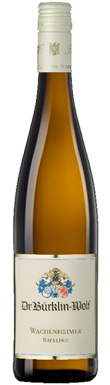
Biodynamic farming practices paid off here as the wine delivers both 2018's generosity of fruit and real freshness. Fermented half in stainless steel and half...
2018
Dr Bürklin-Wolf
Schnaitmann, Steinwiege Weissburgunder, Württemberg, Germany, 2018
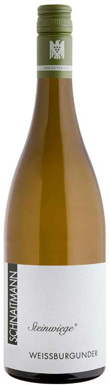
While Germany's southern regions have made a solid name for themselves with Spätburgunder, the fact that much attention is paid to Weissburgunder - aka Pinot...
2018
Schnaitmann
Reichsrat von Buhl, Von Buhl Riesling, Pfalz, Germany, 2018
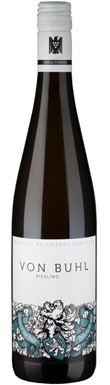
Reduction still clouds the nose here but that is no surprise after eight months on gross lees - luxury treatment for an estate wine. This...
2018
Reichsrat von Buhl
Dönnhoff, Tonschiefer Riesling, Nahe, Germany, 2018
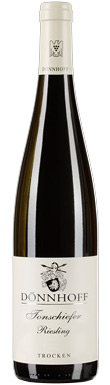
This is one of the most widely distributed wines of the Dönnhoff estate in the Nahe, and it showcases their pristine, clear-cut but expressive style...
2018
Dönnhoff
Peter Jakob Kühn, Quarzit Oestrich Riesling, Rheingau, Germany, 2018
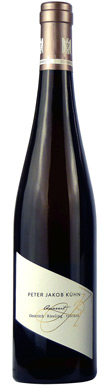
Peter Jakob Kühn's biodynamically certified wines always show an extraordinary fidelity to site and vintage, and this Ortswein from Oestrich is no different. Grown on...
2018
Peter Jakob Kühn
Van Volxem, Saar Riesling, Saar, Mosel, Germany, 2018
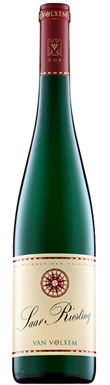
This entry-level wine acts as a statement of style and intent. From the slatey vineyards around Wiltingen in the Saar, this was fermented spontaneously in...
2018
Van VolxemSaar
Schloss Johannisberg, Bronzelack Riesling, Rheingau, Germany, 2018
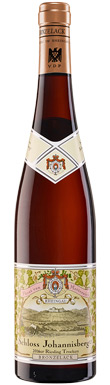
All the wines of Schloss Johannisberg are colour-coded via their capsule. The bronze capsule, or 'Bronzelack', stands for their dry estate Riesling and is their...
2018
Schloss Johannisberg
Benedikt Baltes, Klingenberg Spätburgunder, Franken, Germany, 2017
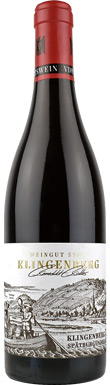
Sourced from the poor Buntsandstein soils of Klingenberg, this new-wave German Spätburgunder is spontaneously fermented and aged for 18 months in 300l to 1,200l barrels...
2017
Benedikt Baltes
Rudolf Fürst, Bürgstadter Berg Spätburgunder, Erste Lage, Franken, Germany, 2017
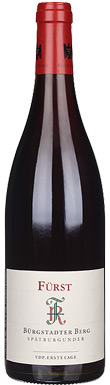
Sebastian Fürst is a master when it comes to whole-bunch ferments of Pinot Noir and even this village wine, from the Buntsandstein slopes of Bürgstadt,...
2017
Rudolf FürstErste Lage
Aldinger, Hanweiler Berg Lemberger, Erste Lage, Württemberg, Germany, 2017
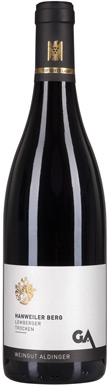
Few people are aware of the sensational red sleeper that is Lemberger - also known as Blaufränkisch - which has been grown in Württemberg for...
2017
AldingerErste Lage
Knipser, Blauer Spätburgunder, Pfalz, Germany, 2015
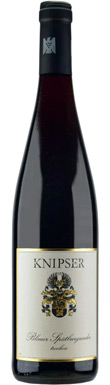
The Knipser brothers release their wines late, so this 2015 is their current vintage and it shows what Spätburgunder can be in the hands of...
2015
Knipser
Weingut Bercher, Sasbacher Limburg Spätburgunder, Erste Lage, Baden, Germany, 2015
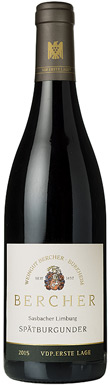
The generosity of the south and the discipline of volcanic soil - limburgite in this case - are united in this fragrant wine. It spent...
2015
Weingut BercherErste Lage
Franz Keller, Oberbergener Bassgeige Spätburgunder, Erste Lage, Baden, Germany, 2017
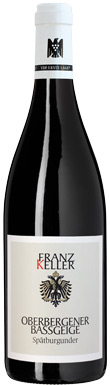
From loess-covered volcanic soils in Baden's Kaiserstuhl, this is an agile, vivid proposition of Spätburgunder, brimming with white-pepper-edged redcurrant fruit. The spontaneously fermented wine spent...
2017
Franz KellerErste Lage
Meyer-Näkel, Blauschiefer Spätburgunder, Ahr, Germany, 2017
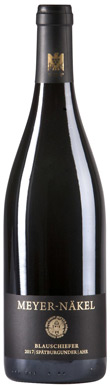
This wine, from the blue Devonian slate of the Ahr valley, has been the Meyer-Näkel calling card for years. Sourced from different parcels in the...
2017
Meyer-Näkel
Dautel, Spätburgunder, Württemberg, Germany, 2017
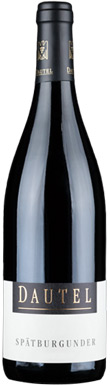
This aromatic Spätburgunder from the talented hands of Christian Dautel shows what great value is to be had from German Pinot Noir when you go...
2017
Dautel
