
Torbreck: profile plus 16 new releases and older vintages from this cult Barossa label
Crowned by The Laird and Runrig, the bold, plush ageworthy reds from Torbreck in the Barossa Valley are among Australia's most collectable wines. Sarah Ahmed meets chief winemaker Ian Hongell and tastes the winery's latest releases alongside some older vintages.

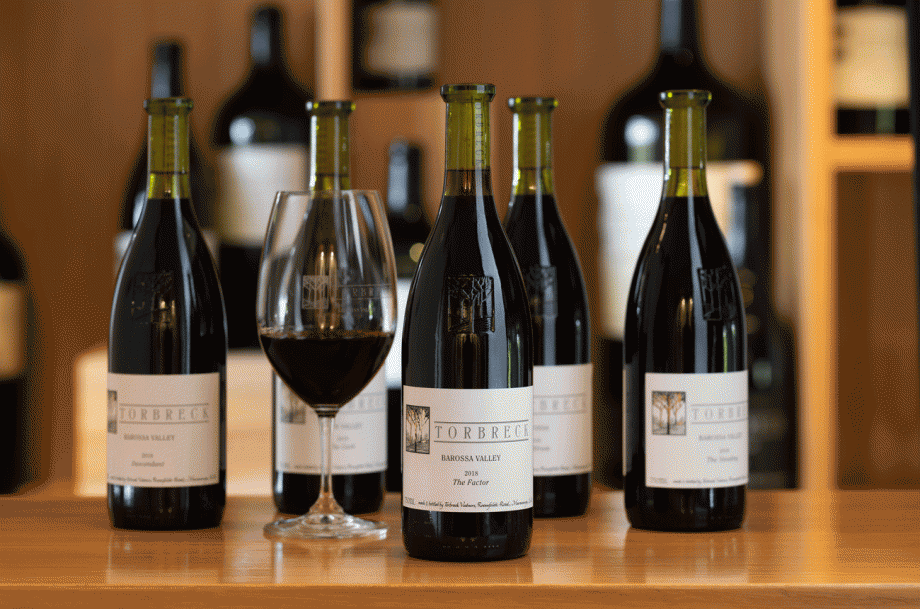
Years ago when interviewing Ian Hongell, he dismissed generic stereotypes about South Australia’s Barossa Valley: ‘it’s not one flat paddock!’ Back then he worked for Peter Lehmann. Today Hongell is chief winemaker and general manager at Torbreck, a winery that shot to fame in the 1990s by cherry-picking the best of that ‘paddock’.
Influential US critic Robert Parker gave rave reviews for Torbreck’s opulent Shiraz-based wines, sourced from select dry-grown, old-vine parcels, vinified in small batches and seamlessly constructed. Parker awarded 100 points to the inaugural 2005 vintage of The Laird, Torbreck’s flagship single-vineyard Shiraz, now among Australia’s most expensive wines.
Scroll down for scores and tasting notes of 16 Torbreck wines
Dave Powell, a self-taught winemaker intent in his pursuit of high-end Barossa Shiraz, founded Torbreck in 1994. ‘It was remarkable what Dave achieved in the period he was involved with the business,’ reflected Hongell. ‘He broke ground for many Australian producers.’
Hongell admits that, prior to joining Torbreck, he’d not fully appreciated the pedigree of this 85 hectare estate and its 200ha of contract fruit sources.
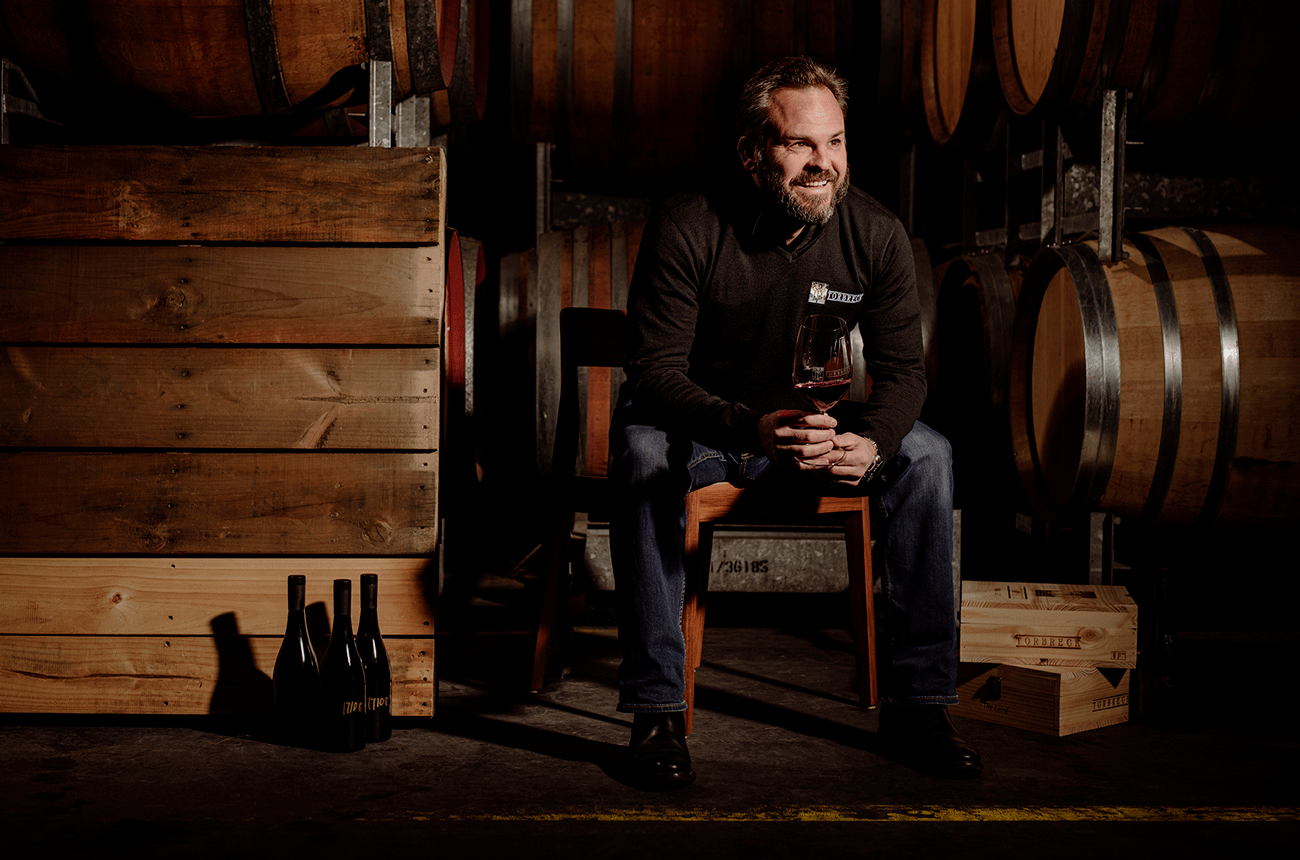
Torbreck pays more than AU$10,000/tonne for top grapes. Before acquiring The Laird vineyard in 2014 (allegedly Australia’s most expensive vineyard purchase by price per hectare) Torbreck reportedly paid AU$20,000/tonne for its grapes.
Within this elevated price range ‘you’re genuinely accessing different fruit – little bullets that sit on the vine, enduring the season. They give lovely woody tannins and colour, stable anthocyanins and tannins, but the wines are still primary and vibrant.’
Sticking to the Torbreck blueprint
Hongell joined Torbreck in 2017, by which time the company had changed hands twice. First in 2003 (following its receivership), then in 2008 when acquired by American ecommerce magnate Peter Kight, the current owner. Powell remained at Torbreck until 2013, leaving following an acrimonious spat with Kight.
Speculation was rife that Torbreck would falter without its charismatic founder, but the wines continue to sell out. ‘With gentle price increases across the portfolio,’ adds Hongell. Two extraordinarily low-yielding vintages in 2019 and 2020 saw them over-allocated.
Hongell says that with ‘amazing wines and an amazing brand’, his brief was simple: to keep making Torbreck. The core DNA of the wines revolves around the vineyards, which are substantially the same as they’ve always been. They are focused on the elevated slopes and depleted soils of the Barossa Valley’s Western Ridge and Lyndoch, plus an Eden Valley component.
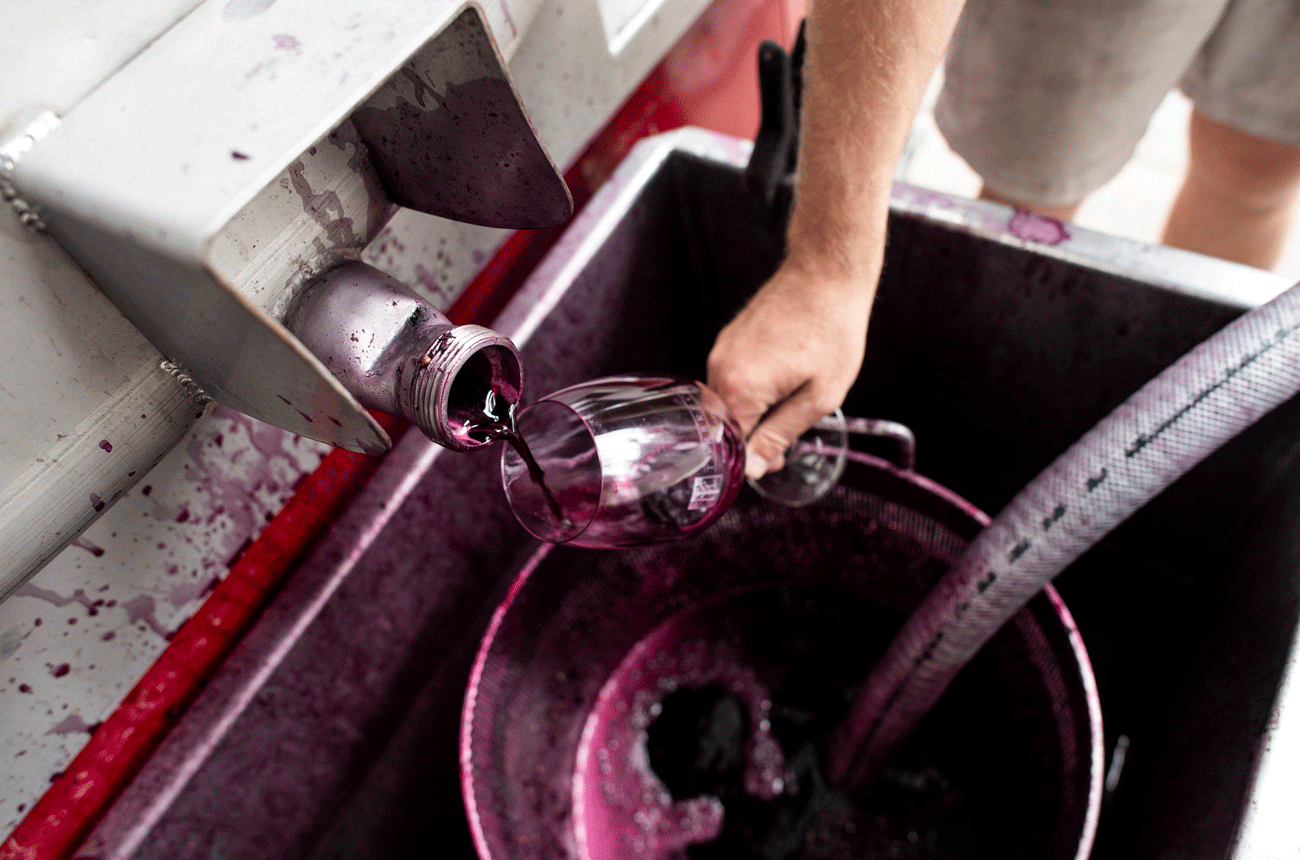
Winemaker Scott McDonald – a veteran of 16 Torbreck vintages – is well-versed in the signature grape handling and maturation regime. There was a blueprint, said Hongell, and making wine is a team effort.
‘We want you to smell the aromas and taste the fruit,’ explains Hongell. ‘Mature, very fine tannins rein the fruit in, setting the wines up for longevity.’ He enjoys the reds in their first five years when they are upfront, and then around 15 to 20 years from vintage ‘when the vineyard character really shows up’.
Taking the risks on ripeness
Torbreck’s ‘go hard or go home’ methods of late picking and dry farming in a region that sometimes goes without rain for 300 days in a year has given Hongell sleepless nights. If a weather front comes in but the grapes are not ready to pick ‘we hang on the edge and gamble – we’re about creating flavours and textures that only time can give’. Hongell’s nickname is ‘rhino hide’ for his steadfast resistance to growers anxious to pick.
And this ability to pick so late is thanks to site selection, deep-rooted old vines and chief viticulturist Nigel Blieschke’s rigorous vineyard management. Blieschke zealously measures bud counts and yields to avoid fruit cooking inside the berry and collapsing – ‘we hate undesirable Porty or sweet and sour flavours,’ asserts Hongell. With such low yields, ‘awesome pH’ contributes to the wines’ natural balance.
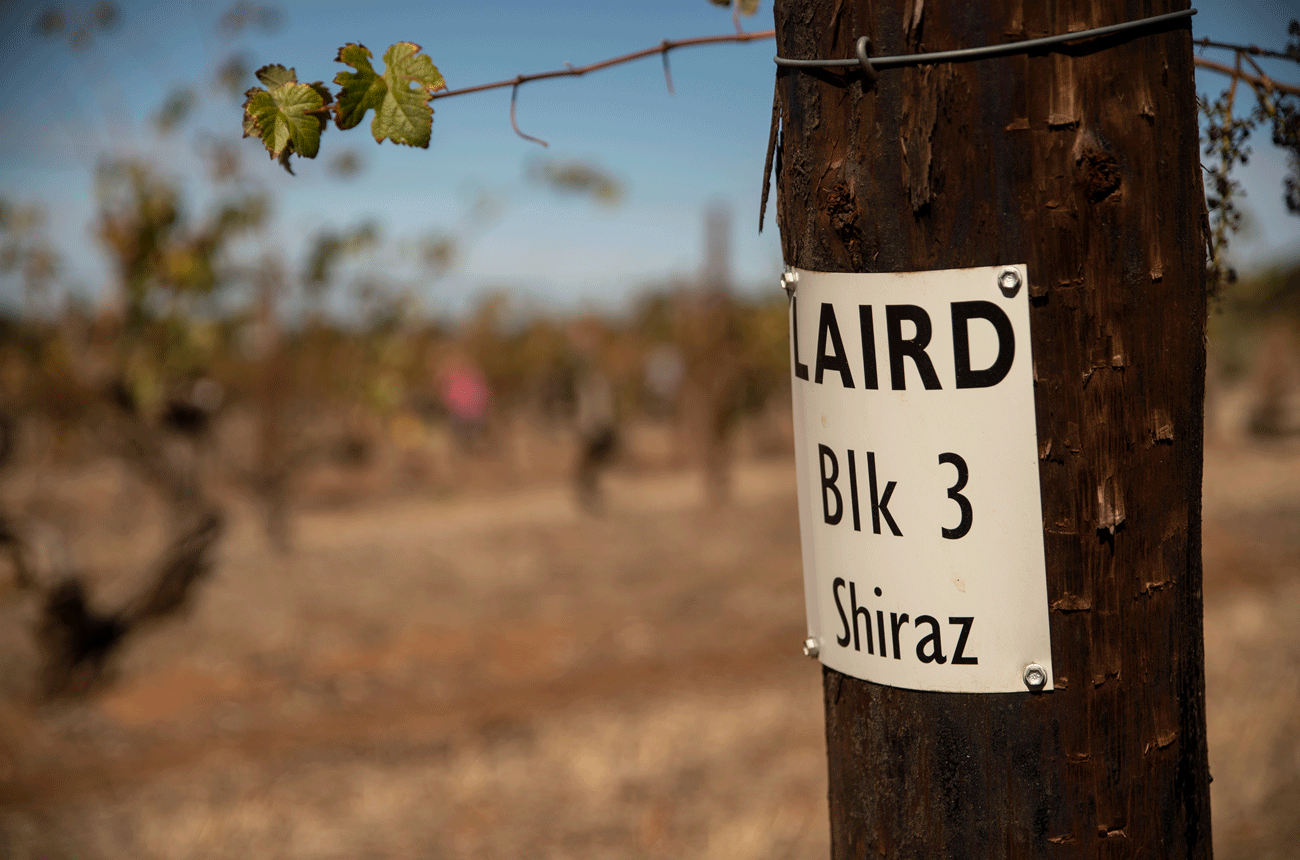
To balance its ultra-concentrated fruit, The Laird’s lavish oak comes courtesy of ‘magic barrels’ from Dominique Laurent, the Burgundian winemaker who established his own cooperage.
Exclusive to the flagship Shiraz, the extra-thick staved barriques are made from particularly tight grained French oak, seasoned and toasted slowly for slow-leaching tannins and oxidation.
At the other end of the spectrum, Cuvée Juveniles – a luscious Grenache–Shiraz–Mataro blend – sees no oak. In between, Hongell uses fine, tight barriques, up to 50% new, plus an increasing number (currently 30) of French oak foudres ‘in quite judicious ratios relative to the wines’. The wines are all unfined and filtered, and Hongell recently introduced temperature and humidity management in the cellar.
Latest vintages
There is no such thing as normal, or even new normal, when it comes to harvest dates these days. Famous for its long hang times, ‘Torbreck never starts picking in February, but this year we did!’ exclaims Hongell during our tasting of the winery’s recent releases.
Save for 2021 – which Hongell describes as ‘a Goldilocks vintage – perfect in every way’ – the Barossa has experienced a roller-coaster run of vintages, savaged by yield-scything frost and hail events. With drought in 2019 and 2020 and three wet starts in 2021-2023, he observes: ‘You’ve got to have dry and wet racing tyres’.
On joining Torbreck, Hongell avowed ‘to keep the wines “Torbreckian”, but improve them, with consistency across the range’, while understanding ‘the best fit’ for each vineyard. ‘All children are different, and need a different upbringing,’ he quipped.
This tasting of predominantly new releases reinforced that he has remained true to his word. Through thick and thin vintages, irrespective of price point, the wines are resolutely Torbreckian in their hedonic fruit power and high alcohol. They also continue to gain in finesse. Even at 15 to 15.5% alcohol, Torbreck’s seductively perfumed reds have striking balance, detail and precision.
For Hongell, homing in on ‘super-fine, super-tight grained barrels for a much slower uptake of oak’ has improved the wines, which have become less broad, ‘with less showy oak’. ‘Drilling into everything in the vineyards on a deeper level’ has not only contributed to quality and consistency, but also extended Torbreck’s range.
Hongell is cock-a-hoop about The Forebear Shiraz 2019, the maiden release from 12 original rows from Hillside Vineyard, which were planted around 1850. From Lyndoch in southern Barossa, it is voluptuous; while The Laird from the north is all ripped muscle. Though different children indeed, both sit at the apex of Torbreck’s family of wines.
Paying it forward
There are no plans to expand production, although in 2019 Torbreck acquired Escarpment Winery in Martinborough, New Zealand from Larry McKenna, who continues to make its acclaimed Pinot Noir).
In the Barossa, where land values have skyrocketed, the focus is about securing the highest-quality fruit from existing vineyards and safeguarding the brand’s future. Just as Powell planted the Descendant vineyard with old-vine Runrig Shiraz cuttings in 1994, the Daylight Chamber vineyard has been planted with heritage clones – cuttings from exceptional Torbreck-owned and grower Shiraz vineyards.
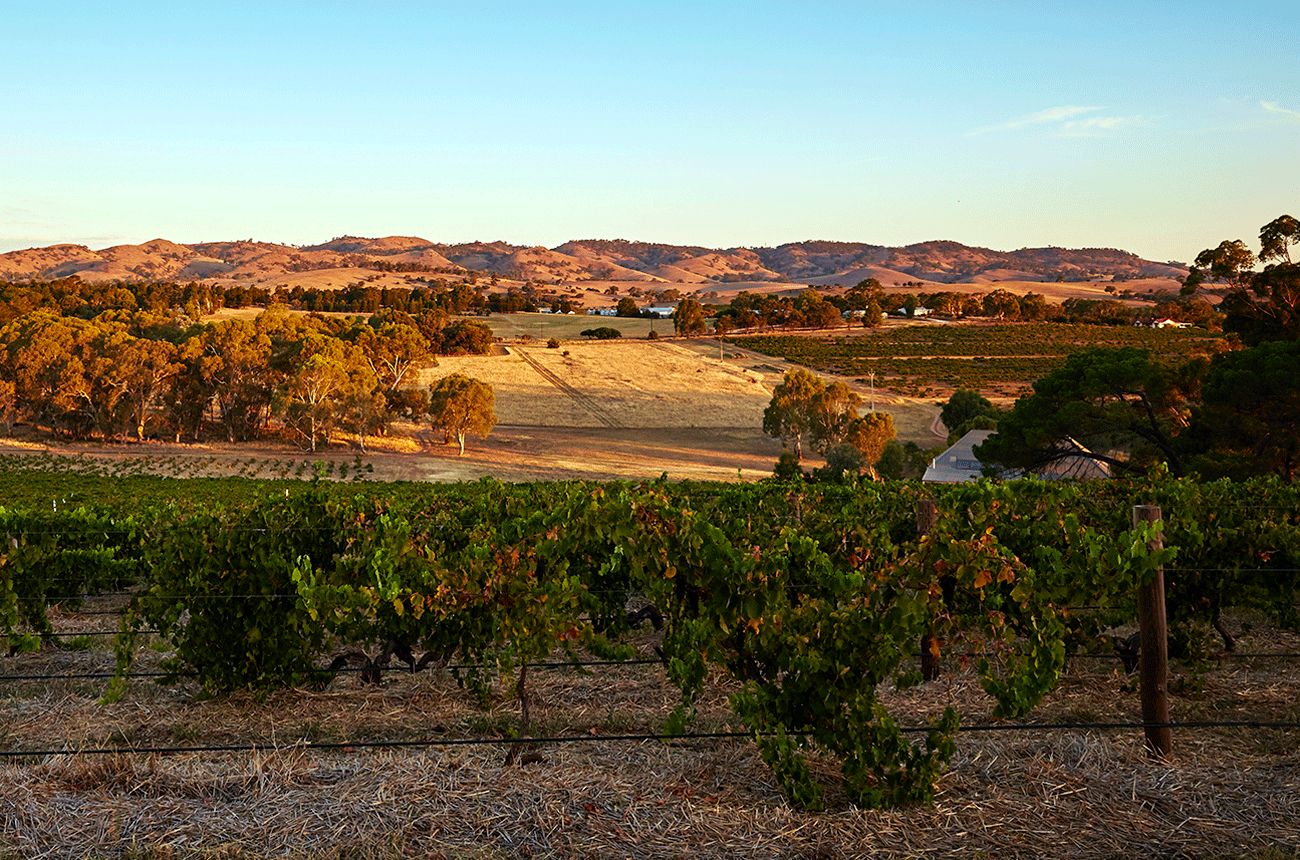
Meanwhile, the Hillside vineyard has been supplemented with parcels of Clairette, Grenache Blanc, Marsanne, Viognier, Roussanne, Carignan and Counoise. ‘Salt and pepper,’ says Hongell, ‘to sharpen aromatics, and tweak and tighten up a broader, denser wine without losing its identity or changing our style’.
Hongell believes these new vineyards are less susceptible to modern diseases like eutypa dieback. In 150 years, he speculates, future generations might feel as thankful about working with centenarian vineyards as he does today. ‘Torbreck stands for the preservation of history and sites so we are paying it forward.’
Torbreck: the facts
Founded: 1994 by Dave Powell
Proprietor: Pete Kight, since 2008
Annual production: 75,000 12-bottle cases
Vineyard sources: 85ha Torbreck-owned: The Laird, Hillside, Keller, Descendant, The Daylight Chamber; plus 200ha owned by 35 growers
Vine age: Plantings from 1850s to 2017
Key varieties: Shiraz, Grenache, Mataro, Viognier, Roussanne, Marsanne, Semillon
Production: 18 wines: 14 red, three white, one rosé
Price range: AU$25 to $800/bottle
Torbreck: 16 new releases and older vintages tasted and rated
Related content
Elderton: Over 40 years of Cabernet and Shiraz in the Barossa Valley
Peter Lehmann: Stonewell Shiraz vertical and other select releases
Yalumba 175th anniversary: Museum Collection wines released
Torbreck, The Steading Blanc, Barossa Valley, South Australia, Australia, 2022

Torbreck was a pioneer of this blend in the Barossa, first planting Roussanne, Marsanne and Viognier at the Descendant vineyard in 1994. The Marsanne and...
2022
TorbreckBarossa Valley

Torbreck, The Laird, Barossa Valley, South Australia, Australia, 2019
Potent and precise, the densely layered taffeta tannins sheathe and support brooding crème-de-mûre and dark compote fruit, yet there is a blossom fragrance and enticing...
2019
TorbreckBarossa Valley
Torbreck, Runrig, Barossa Valley, South Australia, Australia, 2021
Seamlessly crafted from six vineyards with a splash of Viognier, the slate and graphite tannins dynamically weave in and out of scented blackberry and raspberry...
2021
TorbreckBarossa Valley
Torbreck, Runrig, Barossa Valley, South Australia, Australia, 2020
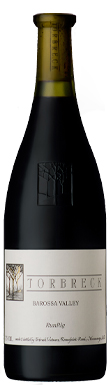
Coming from very old vines in the Barossa Valley, Torbreck’s Runrig is a hedonistic Shiraz that comforts you to your core. Dense, ripe fruit notes...
2020
TorbreckBarossa Valley
Torbreck, The Forebear, Barossa Valley, South Australia, Australia, 2019
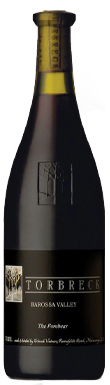
Earth, mocha and black truffle to nose and attack give way to a languorous swathe of sweet plum, strawberry, kirsch and Black Forest gateau on...
2019
TorbreckBarossa Valley
Torbreck, The Gask, Eden Valley, South Australia, Australia, 2022
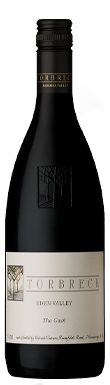
Wonderfully fragrant, fresh Shiraz from Eden Valley in a mild season, with ethereal violets and summer truffle, lifted raspberry, a hint of mint julep, black...
2022
TorbreckEden Valley
Torbreck, The Gask, Eden Valley, South Australia, Australia, 2021
With intense blackberry shot through with inky florals and terrific juicy persistence, this 'blend of superior Eden Valley vineyards' refreshes the parts other Barossa Shiraz...
2021
TorbreckEden Valley
Torbreck, The Descendant, Barossa Valley, South Australia, Australia, 2021
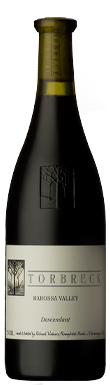
Co-fermenting with 8% Viognier skins (not juice) adds a distinct apricot tang to the blackberry, raspberry liqueur and firmer cherry stone fruit. Dynamic iron filing...
2021
TorbreckBarossa Valley
Torbreck, The Factor, Barossa Valley, South Australia, Australia, 2021
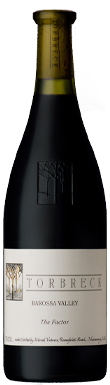
Boom! Tightly coiled, a bullet of black fruit, taut acidity and a firm backbone of chiselled tannins propel the palate along with deadly focus and...
2021
TorbreckBarossa Valley
Torbreck, The Struie, Barossa, South Australia, Australia, 2022
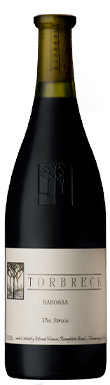
Thoroughly charming and a smart buy, seamlessly and seductively combining Eden Valley top notes of black pepper and florals with the savoury, earthy cep powder...
2022
TorbreckBarossa
Torbreck, Les Amis, Barossa Valley, South Australia, Australia, 2021
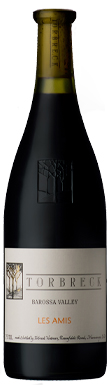
The Slade vineyard in Greenock produces this atypically dense, well-structured Grenache, with a firmer acid and tannin profile than most. In a milder vintage –...
2021
TorbreckBarossa Valley
Torbreck, Runrig, Barossa Valley, South Australia, Australia, 2014
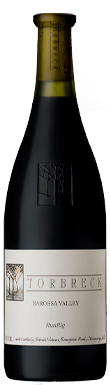
Rich and well-upholstered, with tertiary sous bois, heady lily, truffle, sumptuous dark berry and plump, macerated prune fruit, and a certain sucrosity that verges on...
2014
TorbreckBarossa Valley
Torbreck, The Steading, Barossa Valley, South Australia, Australia, 2018
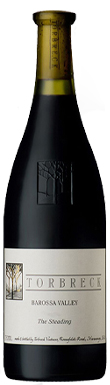
In a shy-bearing year and tasted from magnum, this well-integrated GSM blend is rich and spicy, with ripe, fleshy black plum, blackberry and black cherry...
2018
TorbreckBarossa Valley
Torbreck, Hillside Vineyard Grenache, Barossa Valley, South Australia, Australia, 2021
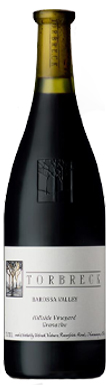
Succulent, fragrant, fleshy and admirably lithe at 15% abv, perhaps courtesy of ageing in 2,400-litre French oak foudres. Juicy acidity allows rippling red cherry and...
2021
TorbreckBarossa Valley
Torbreck, The Struie, Barossa, South Australia, Australia, 2019
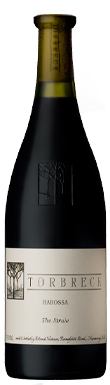
Blossom and cinnamon lift to the nose, with scorched plums, black cherry and hints of cherry skin, charcuterie and graphite. In a hot, dry year...
2019
TorbreckBarossa
Torbreck, The Steading, Barossa Valley, South Australia, Australia, 2022
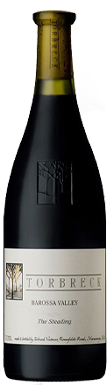
Intensely primary, relatively open knit at the moment, with juicy, fleshy plum, red berry and cherry fruit, lifted kirsch, blossom and bergamot jelly bean. Smooth,...
2022
TorbreckBarossa Valley
