
Understanding Castilla y León: Producers, wines and trends
This wide expanse of territory in Spain’s northwest incorporates at least three major DO regions and numerous others, giving huge scope for wine exploration, with many styles to choose from. Here we discover the producers, wines and latest trends to look out for.


Having once spent a New Year’s Eve in Burgos (see map below), I can attest to the harsh climate of Castilla y León. I experienced cold that I can only describe as coming from the deepest depths of the Antarctic Ocean. Once I lost feeling in my feet, the rest of the body followed, and despite copious amounts of excellent red wine, I didn’t fully thaw out until the arrival of spring.
Scroll down to see Beth Willard’s selection of Castilla y León wines to try
With cold winters, very hot summers and driving winds that rush across the high Meseta Central (central plateau), this vast region in Spain’s northwest experiences an extreme climate that makes life tough for the necessarily hardy Castilians, but also provides some of the best conditions for viticulture in the whole country.
Much in this region is hidden. Bierzo is tucked away in a valley, concealed by the surrounding mountains. Vineyards in the wilds of Salamanca and Arribes are so off-the-beaten track that even the most intrepid of Spanish wine lovers may never reach them. And many of the traditional cellars of Ribera del Duero, Cigales and Arlanza are literally hidden underground in caves, only their chimneys visible above ground.
There has also been a quiet change taking place in the region’s vineyards as winemakers move away from the style of wines created in the 1990s (think big oak, lots of extraction and very ripe fruit) and return to old practices and traditions. This movement has been bubbling away under the surface for a while, but now these wines are really making some noise.
This is not a comprehensive summary of the region – you would need a book, likely several hefty tomes, to capture the rich history and complexity of winemaking here. Instead, this guide points out some of the current trends and key figures in one of Spain’s most exciting wine regions.

Castilla y León wine region at a glance
The biggest of Spain’s 17 autonomous communities, Castilla y León extends across more than 94,200 km2 in northwest Spain (Instituto Nacional de Estadística, July 2023)
It is sparsely populated with fewer than 2.4 million inhabitants (INE)
It sits on the Meseta Central plateau surrounded by mountain ranges including the Cantabrian mountains and the Picos de Europa; average altitude is 830 metres
The region accounts for 8.9% of the vines planted across Spain (83,038 hectares in 2022 – Junta de Castilla y León)
The biggest province is Valladolid (31,003ha), incorporating the DOs of Rueda and Ribera del Duero; the latter also makes up most of the production in Burgos, the second largest province (21,564ha)
There are 13 delimited sub-regions: Denominación de Origen Arlanza, Arribes, Bierzo, Cebreros, Cigales, León, Ribera del Duero, Rueda, Tierra del Vino de Zamora, Toro, Vinos de Calidad Sierra de Salamanca, Valles de Benavente, Valtiendas
There are three producers with Vino de Pago classification: Abadía Retuerta, Dehesa Peñalba Bodegas Vizar, Heredad de Urueña
As of November 2023, the region’s Agricultural Technology Institute recorded 184 producers certified to make IGP wine as Vino de la Tierra Castilla y León
Where white wines reign
In a region generally dominated by red wine production, DO Rueda bucks the trend. About 99% of grapes are white, with 88% of the vineyard area made up of Verdejo, according to the DO’s figures. It is also wildly popular in the Spanish market, where asking for a glass of ‘blanco’ is almost synonymous with Verdejo. In fact, the consejo regulador estimates sales of Rueda wine in Spain have quadrupled over the past 20 years.
Despite the abundance of fresh and fruity young wine, there is an almost-forgotten style rooted in the region’s history. In 1911, a Royal declaration designated Vino de Medina as a ‘special’ wine, similar to those of Jerez and Málaga in the south. This was an oxidative, rancio wine with foundations dating back to the Middle Ages.
Today, ‘Dorado’ (aged oxidatively) and ‘Pálido’ (aged biologically) are among the most interesting styles in Rueda – even if very little is produced. Bodegas de Alberto makes an outstanding Dorado, aged in glass demijohns exposed to the sun and then aged in a 70-year-old solera. Just one reason to explore Rueda a little further.
The wild west
Driving west through Castilla y León, the provinces of Salamanca and Zamora occupy wide-open spaces leading to dramatic and imposing mountains, and finally the wild and rugged nature reserve of the Arribes del Duero. It is a birdwatcher’s paradise, with large birds of prey enjoying the mostly untouched and spectacular landscape.
Both the provinces of Salamanca and Zamora are among the regions to have suffered most through the depopulation of the 1950s-1980s. They form part of ‘La España vacia’ (empty Spain), the result of migration to the larger cities which most benefited from investment and improved transport links post-Franco.
Many vineyards were abandoned as a result, but there has been a gradual return to resurrect old vines and local varieties, which bring a unique personality to the wines. Albillo Real, Doña Blanca, Bruñal, Juan García, Rufete, even a little Puesta en Cruz – grapes that produce fresh and wild reds, and white varieties that offer texture and long ageing potential.

Pretty in pink
While the world currently can’t get enough of pale pink rosés, there is a charming stubbornness behind the persistence of producers in DO Cigales to keep making their traditional ‘clarete’, a dark and concentrated rosado. Having recently enjoyed this style in the region, I realised how much I had missed rosés of intense colour and fruit.
According to the DO, more than 70% of production is Tempranillo, but other varieties include white Albillo and Verdejo, red Garnacha, Cabernet Sauvignon and Syrah, often co-planted in the traditional manner.
There is also a renewed focus here on reds that have the potential to rival some of the best wines from neighbouring Ribera del Duero. The better wineries in Cigales are working with older vines to show off the region’s complexity, while also demonstrating a more judicious use of oak. A region to keep an eye on.
Under the radar
North of Zamora, towards the Portuguese border, the tiny group of wineries classified as Vinos de Calidad de los Valles de Benavente run into the larger mass of bodegas in the appellation of DO Tierra de León. The Prieto Picudo variety dominates, with 69% of the vineyard area, the DO says. Other minority grapes, such as Albarín Blanco and Mencía, are hardly surprising given the region’s northwestern location (not far from Galicia).
In the case of rosado and reds, Prieto Picudo and/or Mencía must make up at least 60% of the blends, which sets this region apart from the rest of Castilla y León. Like in Cigales, rosé production has been important in the area around the city of León. Prieto Picudo offers intense colour, so rosados are often dark pink and very fruity, but the grape also has a lot of tannin, so reds still tend to be a little rustic in character.

Mountain wines
At the other extreme of the region, on the very southern border where Castilla y León meets Castilla La Mancha and the Comunidad de Madrid, we find one of the most exciting winemaking regions in Spain. Nestled in the Sierra de Gredos, in the south of Avila province, DO Cebreros is home to old vines, pioneering winemakers and its superstar grape Garnacha (there is also wonderful old-vine Albillo Real).
This is home to Comando G (winemaking duo Daniel Landi and Fernando García, pictured below), which makes one of the most sought-after wines in Spain: Rumbo al Norte (classified as DO Vinos de Madrid) – the 2021 is currently offered by Nemo Wine Cellars at £905 per 75cl bottle. With serious altitude (up to 1,200m) and granitic soils, the wines from this area are some of the freshest examples of Garnacha, with fine tannins but wonderfully ripe fruit.
There is a lot more to be said about the Sierra de Gredos where it extends beyond Castilla y León’s regional borders, but this would take us off-piste. A topic for another time.

Vino de la Tierra Castilla y León
It is difficult to find commonalities within a region so diverse as the broad Castilla y León IGP, but there are some important wines and trends worth exploring. Many small producers are recuperating old vines of indigenous varieties. For a region famed for its red grapes, this includes an impressive number of white wines made from varieties such as Doña Blanca, Albillo and Rufete Blanco – look out for wines of this type from Esteban Celemín (see producers below) and Alvar de Dios.
Others are focused on organic production. Being free from restrictive denominación de origen rules allows these producers to adapt their farming techniques to the specific needs of each vineyard: Bodegas Menade farms organic Verdejo in the historic area around Rueda and La Seca, while Quinta Sardonia is dedicated to biodynamic principles in its vineyards bordering Ribera del Duero.
And it is important to note that the Castilla y León IGP includes some of Spain’s iconic wines. Famous names include Bodegas Mauro, founded by one of Vega Sicilia’s most illustrious winemakers, and Ossian, producer of outstanding Verdejo in the wilds of Segovia.
The outlier
A winemaker in DO Bierzo once told me to take note of the nightly weather reports on the Spanish news, explaining that there is always a set of isobars hovering above Bierzo that bring a unique set of weather conditions to this most northern wine region of Castilla y León. But it is not just the climate that sets Bierzo apart.
Not quite Galicia, and just on the very edge of Castilla y León, Bierzo has its own character and culture which extends to its wines. The region’s main grape, Mencía, has already established itself on the world stage, but the further classification of specific vineyard sites and villages is now showing off the nuances of this world-class terroir.

The home of big reds
What hasn’t already been said about one of Spain’s most important wine regions, Ribera del Duero? The easternmost regions of Ribera itself, DO Arlanza (to the north of the Ribera region) and the tiny Vinos de Calidad region of Valtiendas (just below its southwestern edge) make some of Spain’s most concentrated reds, along with the more central region of Toro further west. But what’s new here?
After officially allowing the Albillo Mayor variety to be labelled (since 2019) as Ribera del Duero, the region’s whites are gaining in quality and reputation (see Dominio del Pidio in the wine selection).
There is also an impetus to make wines that represent individual vineyard sites, particularly at higher altitudes, resulting in fresher, livelier wines. This is similarly reflected in the full-bodied reds of Toro, where some producers, albeit still a minority, are using less oak to preserve a purer expression of the vines.
Arlanza is a region to watch in the coming years. Some winemakers from Rioja and Ribera are already established in the region, among them Olivier Rivière (pictured), David González and Bequer Prieto (also pictured below). A lot of vineyard area was abandoned at the turn of the last century as people left villages to look for work in bigger cities, but the potential to resurrect old-vine Tempranillo, at a more northerly, cooler altitude than Ribera del Duero, is an exciting prospect.

Where to now?
Castilla y León is a very large region incorporating many different wine styles, but there are some commonalities and emerging themes. There is a clear emphasis on respecting old vines and highlighting the array of indigenous varieties that are so well adapted to this terroir. Winemakers are choosing to show off the personality that these grapes and soils bring by better management of oak and experimenting with different ageing vessels, often those used in the past. Other growers are seeking out higher-altitude vineyards which not only produce fresher styles of wines, particularly reds, but are a useful counterpunch to the dramatic effects of climate change.
On the surface it can seem like a rugged and empty landscape. But one day you’ll wander down the dusty street of what looks like an abandoned town. You’ll knock on a door with fading colour, reach for the rusting handle and force it open as it creaks with the strain of action. You’ll fumble for a light switch and bingo! You might just stumble across some concrete tanks, foudres or tinajas with the next great Albillo or Tinta de Toro fermenting away. Dig a bit deeper, scratch below the surface, and Castilla y León might just reveal its secrets.
Eight Castilla y León producers to know
Almaroja – Arribes
Englishwoman Charlotte Allen makes very characterful wines in Fermoselle in the depths of DO Arribes. With grapes such as Juan García, Rufete, Bruñal and Albillo, she works 12ha biodynamically and captures the wild and untamed nature of this very remote corner of Spain: a unique region worth getting to know.
Daniel Ramos – Cebreros
Spanish-Australian Daniel Ramos makes some of the most exciting Garnachas in the Sierra de Gredos, more specifically in Cebreros, as well as a little Albillo. His wines reflect his various small parcels of different soils and aspects, bringing a unique profile to each cuvée. Elegant, fruity and sometimes delicate wines.
Esteban Celemin – Vino de la Tierra Castilla y León
Making wines from vineyards around Castronuño, to the southwest of Valladolid, and from other sites through Castilla y León, Celemín makes beautifully expressive Albillo Real. He works with old vines to express the character of specific plots. These are among the most exciting examples of Albillo in Spain.
Finca Museum – Cigales
There has been a gradual change in style at Finca Museum, now emphasised by Lluís Laso (pictured above), winemaker since April 2022 and previously of Finca Villacreces. Armed with old vines and traditional co-planted vineyards, the style is elegant with a judicious use of oak. Appropriately, given the name, ‘La Renacida’ (‘reborn’ see La Renacida, Cigales 2021 in the wine selection) is a great example of its current direction.
Finca Volvoreta – Toro
A family-owned winery with a long history in the region but now in the hands of María Alfonso, who is focused on organic viticulture. She has also incorporated the use of clay tinajas, as well as amphorae, to produce fruit-forward wines with minerality – a more elegant and authentic interpretation of Toro.

Quinta Milu – Ribera del Duero
Old-vine Tempranillo made with absolute attention to each vineyard plot, in fact to each vine, all organically cultivated. Germán R Blanco has set out to make wines that respect traditions, even returning to grape-treading, and has experimented with amphorae, tinajas and open ferments to bring out the pure fruit quality of each parcel.
Raul Perez – Bierzo
A native of Valtuille de Abajo in Bierzo, Pérez is one of Spain’s most influential winemakers. While he makes wine in various regions, it could be argued that his impact is most felt in Bierzo, where he has made some of the area’s most important wines. He is famous for exploring the differences in Bierzo’s terroir through projects such as Ultreia, La Vizcaína and Castro Ventosa.

Sabinares – Arlanza
A project focused on the recuperation of very old vines (more than 100 years old) at some of the highest altitudes in Spain (above 1,000m). The vineyards are close to Lerma and the medieval town of Covarrubias. Under the stewardship of winemakers David González and Bequer Prieto, the resulting wines are intense and powerful but seductively refined. #sabinaresyviñas
Castilla y León treasures: Willard’s dozen to try
Wines were tasted non-blind
Related articles
- Sarah Jane Evans MW: My top 10 Spanish wines of 2023
- Hidden Spain: Tiny wine regions
- Rioja’s next generation: The talented winemakers to look out for
Dominio del Pidio, Albillo, Ribera del Duero, Castilla y Léon, Spain, 2022
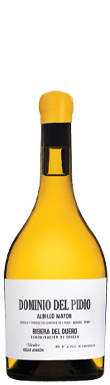

A wine that opens up glass by glass, and is worth decanting, this Albillo Mayor is fermented in cement then aged in French oak of...
2022
Dominio del PidioRibera del Duero

Ossian, Viñas Viejas de Segovia, Vino de la Tierra de Castilla y León, Castilla y Léon, Spain, 2020
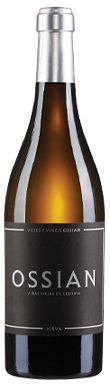
An elegant and refined Verdejo from pre-phylloxera (very) old vines north of Segovia. This is a serious expression of the grape with some smoky oak...
2020
OssianVino de la Tierra de Castilla y León
Alvar de Dios, Las Vidres, Vino de la Tierra de Castilla y León, Castilla y Léon, Spain, 2019
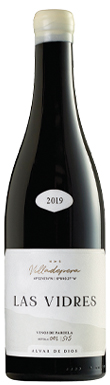
100% Doña Blanca from a town in the very north of the Arribes del Duero growing region southwest of Zamora near the border with Portugal....
2019
Alvar de DiosVino de la Tierra de Castilla y León
El Hato y El Garabato, Otro Cuento, Arribes, Castilla y Léon, Spain, 2021
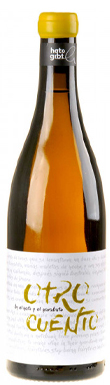
Another example of Doña Blanca with 5% of the rare Puesta en Cruz. Defined by racy acidity and a mouthwatering finish, this is wild and...
2021
El Hato y El GarabatoArribes
Finca Montepedroso, Verdejo, Rueda, Castilla y Léon, Spain, 2022
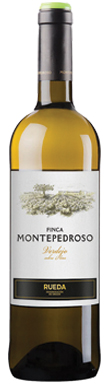
This is a great example of why the Spanish love Verdejo. Intense lemon, lime and pineapple aromas and flavours with some herbal notes and fennel....
2022
Finca MontepedrosoRueda
Viñas del Cámbrico, Granito Rufete Blanco, Sierra de Salamanca, Castilla y Léon, Spain, 2017
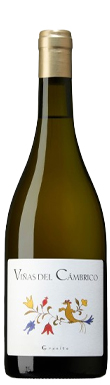
An intriguing wine made with the very rare Salamancan grape Rufete Blanco. Attractive quince and apricot on the nose, even a little minty. The marked...
2017
Viñas del CámbricoSierra de Salamanca
Quinta Milú, Milú, Ribera del Duero, Castilla y Léon, Spain, 2022
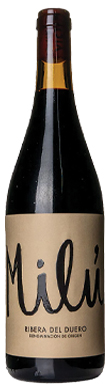
I love this unadulterated interpretation of Ribera – a joyous explosion of fruit but not at all simple. This is the 'entry' wine in the...
2022
Quinta MilúRibera del Duero
Bodegas Peique, El Rapolao, Vino de Paraje Valtuille de Abajo, Bierzo, Castilla y Léon, Spain, 2019
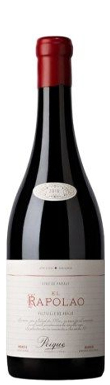
Complex and layered, a wonderful expression of one of the most important vineyard sites in Valtuille de Abajo. Forest herbs and garrigue combine with wild...
2019
Bodegas PeiqueBierzo
Finca Museum, La Renacida, Cigales, Castilla y Léon, Spain, 2021
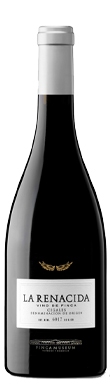
Lighter in colour than some of the other reds here. Bright and fruity with a seductively smooth palate, this is majority Tempranillo with quite a...
2021
Finca MuseumCigales
Viñas del Cenit, Bonales Field Blend, Tierra del Vino de Zamora, Castilla y Léon, Spain, 2022
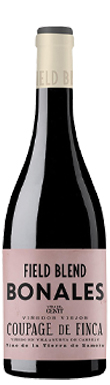
Need a wine for a good bit of grilled meat? This is the match! Very close to the border with Portugal, these vines are 80-100...
2022
Viñas del CenitTierra del Vino de Zamora
Bigardo, Zamora, Castilla y Léon, Spain, 2020
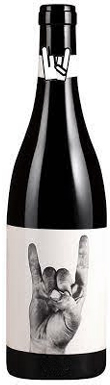
Made by Kiko Calvo from his great-grandfather’s vines in Toro. With intense dark fruit, blackberries and blueberries, the wine is taut and lively. Full of...
2020
BigardoZamora
Bodegas Menade, Adorado de Menade, Vino de la Tierra de Castilla y León, Castilla y Léon, Spain
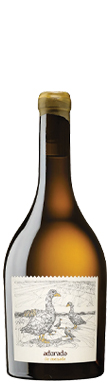
A wonderful example of one of the almost-forgotten traditions of Rueda, made in the Sanz family’s own interpretation of a solera, whose origins date back...
Bodegas MenadeVino de la Tierra de Castilla y León
Dominio del Pidio, Albillo, Ribera del Duero, Castilla y Léon, Spain, 2022
A wine that opens up glass by glass, and is worth decanting, this Albillo Mayor is fermented in cement then aged in French oak of...
2022
Dominio del PidioRibera del Duero
Ossian, Viñas Viejas de Segovia, Vino de la Tierra de Castilla y León, Castilla y Léon, Spain, 2020
An elegant and refined Verdejo from pre-phylloxera (very) old vines north of Segovia. This is a serious expression of the grape with some smoky oak...
2020
OssianVino de la Tierra de Castilla y León
Alvar de Dios, Las Vidres, Vino de la Tierra de Castilla y León, Castilla y Léon, Spain, 2019
100% Doña Blanca from a town in the very north of the Arribes del Duero growing region southwest of Zamora near the border with Portugal....
2019
Alvar de DiosVino de la Tierra de Castilla y León
El Hato y El Garabato, Otro Cuento, Arribes, Castilla y Léon, Spain, 2021
Another example of Doña Blanca with 5% of the rare Puesta en Cruz. Defined by racy acidity and a mouthwatering finish, this is wild and...
2021
El Hato y El GarabatoArribes
Finca Montepedroso, Verdejo, Rueda, Castilla y Léon, Spain, 2022
This is a great example of why the Spanish love Verdejo. Intense lemon, lime and pineapple aromas and flavours with some herbal notes and fennel....
2022
Finca MontepedrosoRueda
Viñas del Cámbrico, Granito Rufete Blanco, Sierra de Salamanca, Castilla y Léon, Spain, 2017
An intriguing wine made with the very rare Salamancan grape Rufete Blanco. Attractive quince and apricot on the nose, even a little minty. The marked...
2017
Viñas del CámbricoSierra de Salamanca
Quinta Milú, Milú, Ribera del Duero, Castilla y Léon, Spain, 2022
I love this unadulterated interpretation of Ribera – a joyous explosion of fruit but not at all simple. This is the 'entry' wine in the...
2022
Quinta MilúRibera del Duero
Bodegas Peique, El Rapolao, Vino de Paraje Valtuille de Abajo, Bierzo, Castilla y Léon, Spain, 2019
Complex and layered, a wonderful expression of one of the most important vineyard sites in Valtuille de Abajo. Forest herbs and garrigue combine with wild...
2019
Bodegas PeiqueBierzo
Finca Museum, La Renacida, Cigales, Castilla y Léon, Spain, 2021
Lighter in colour than some of the other reds here. Bright and fruity with a seductively smooth palate, this is majority Tempranillo with quite a...
2021
Finca MuseumCigales
Viñas del Cenit, Bonales Field Blend, Tierra del Vino de Zamora, Castilla y Léon, Spain, 2022
Need a wine for a good bit of grilled meat? This is the match! Very close to the border with Portugal, these vines are 80-100...
2022
Viñas del CenitTierra del Vino de Zamora
Bigardo, Zamora, Castilla y Léon, Spain, 2020
Made by Kiko Calvo from his great-grandfather’s vines in Toro. With intense dark fruit, blackberries and blueberries, the wine is taut and lively. Full of...
2020
BigardoZamora
Bodegas Menade, Adorado de Menade, Vino de la Tierra de Castilla y León, Castilla y Léon, Spain
A wonderful example of one of the almost-forgotten traditions of Rueda, made in the Sanz family’s own interpretation of a solera, whose origins date back...
Bodegas MenadeVino de la Tierra de Castilla y León
