
Uruguay wines beyond Tannat
From Albariño and Viognier to Pinot Noir and Cabernet Franc, there’s far more to the Uruguayan wine scene than its signature red grape. Amanda Barnes finds out more from the country’s foremost wine innovators and picks 20 very diverse, must-try wines.


Tannat is undeniably the champion of Uruguay. Its hardy character and unbreakable personality performs well vintage after vintage and, as a result, Tannat is Uruguay’s most planted variety – accounting for more than one in four vines. But Tannat is not the only card up this small nation’s sleeve.
Uruguay is actually home to a host of different varieties, spanning the vinous alphabet from Arneis to Zinfandel. And the huge range of wines to be found in Uruguay are all part of its heritage, while also being key to its innovative present and future.
Scroll down for scores and tasting notes for the top 20 Uruguay wines beyond Tannat
Vines came to Uruguay, like the rest of the New World, in the hands of European immigrants, with the greatest influx occurring from the 1850s onwards. ‘We are all children of immigrants – from Italy, Spain and France, and each of them brought over vines on the boat,’ explains fifth- generation vigneron Gabriel Pisano, who makes Sangiovese at Viña Progreso as an ode to his Italian forefathers. ‘We also never had any regulations controlling what you plant.’
Although there was a rather large, government- driven vine pull in the 1990s that encouraged producers to pull out their hybrids and focus on Tannat, families maintained their identity through other heritage varieties. ‘My family were all from Piedmont, like many of the Italians in Uruguay, and actually Barbera, Nebbiolo and Moscato arrived before Tannat,’ explains winemaker Pablo Fallabrino, who also produces Arneis, with Fresa and Cortese coming soon.
Uruguay: The facts
Area planted (total): 5,991ha
Vineyards: 1,213
Wineries: >160
Annual production: <1.33 million bottles
Top 10 varieties: Tannat (1,610ha); Moscatel de Hamburgo (1,107ha); Merlot (651ha); Ugni Blanc (629ha); Cabernet Sauvignon (363ha); Cabernet Franc (237ha); Marselan (184ha); Sauvignon Blanc (127ha); Chardonnay (108ha); Albariño (69ha)
Source: INAVI, 2018
The advance of Albariño
Italian varieties are scattered throughout the wine regions of Canelones, in particular – the heartland of Uruguayan wine, where two-thirds of the industry lies. But it is actually a Spanish migrant variety that is making the biggest waves in Uruguay today. The Bouza family decided to honour their Galician roots when they planted Albariño in 2002 in Canelones, after importing cuttings from their relatives in Rías Baixas.
It was a sentimental decision, but actually the variety thrived in Uruguay’s humid Atlantic climate, which is not unlike Galicia’s, where more than 1,000mm of rainfall a year is common. Today, Albariño is Uruguay’s 10th most planted variety, and is now expanding to the east coast.
‘Albariño has adapted really well in Uruguay,’ explains Germán Bruzzone, winemaker at Bodega Garzón, which has 40ha of Albariño. ‘From Canelones, with the wines of Bouza of course, but also here in Maldonado, where it really suits our granite soils. These soils give us a great acidity and freshness, with good volume in the mouth and a mineral finish.’
Although Albariño is quickly rising through the ranks of varieties to watch, the most planted white grape in Uruguay is actually Moscatel de Hamburgo. Although the variety is largely used for cheaper rosé wines, Fabiana Bracco is keen to kickstart a revolution with her fresh and pithy coastal Moscato: ‘I didn’t want to lose our tradition or the identity that my family built over generations,’ she says of her decision to make fine wine at Bracco Bosca with the family’s old vines.
‘The decision really came from the heart, but I also reasoned that if it had thrived here it must be for a reason! Today, the wine is one of our stars.’ There’s certainly some excitement in Uruguay about the potential of coastal whites, which include Sauvignon Blanc, Chardonnay, Riesling, Roussanne, Viognier and Torrontés, among others – giving winemakers plenty of tools to draw from. I’m personally excited about the potential of white blends that can nicely reflect the balanced character and subtle, layered aromas Uruguay’s white varieties often proffer.

Single-varietal reds
Carla Bertellotti, a Uruguayan in London who founded prominent Uruguayan wine importer Vinos Latinos, is also excited: ‘Uruguay should explore further the potential in white wines, both as single varietals and blends. There are great things coming out now, and I reckon we are only seeing the tip of the iceberg.’
In Uruguay’s world of red wines, blends have always been at the forefront. ‘In our culture, we are used to saving wines and cellaring them – for which blends have certain advantages,’ explains third-generation vigneron Santiago Deicas. ‘In our family, Merlot, Cabernet Franc, Cabernet Sauvignon and Petit Verdot have always been important to us: they make up – blended with Tannat – our top family wine.’
It is common to taste Tannat blends that reflect the character and heritage of each winemaking family: whether it is the Zinfandel-Tannat blend pioneered by Artesana (co-owned by a Californian), or the Petit Manseng-Tannat blend from the Carrau family (of Catalan heritage) in Rivera. Blends were historically a way of softening the sometimes spiky edges of red wines in this humid climate, but with significant viticultural advancements in the past couple of decades, single-varietal red wines are also making their mark on the wine scene.
Pinot Noir is a favourite among Uruguayan wineries, with Bodega Oceánica José Ignacio, Bouza, Garzón, Marichal, Pizzorno and Viña Progreso all making notable examples. But no one exports quite as much Pinot Noir as the Pisano family. ‘It’s our second most exported variety after Tannat!’ exclaims Daniel Pisano, one of the three brothers in charge. ‘We actually sell just as much Pinot Noir in France as we do Tannat… I joke that we’re selling ice to the eskimos!’

There’s clearly a demand for these varieties, and a notable French leaning in many of the country’s top red wines, with Merlot and Cabernet Sauvignon being the third and fifth most planted varieties respectively.
But it is actually Cabernet Franc that excites me most. Some interesting expressions of Cabernet Franc are now coming from a range of the 99 soil types to be found in Uruguay: from the bony, floral wines of the schist soils of San José to the richer, fruit-driven wines from the calcareous clay of Canelones.
The other area of excitement in Uruguayan reds is with Petit Verdot and Marselan. Both have thicker skins that make them more tolerant of the humid climate. And both make wines of great acidity, freshness and character – with Marselan offering a more supple, food-friendly wine and Petit Verdot acting as a spicier but less austere counterpart to Tannat.
Innovation and diversity
Experimentation with other varieties doesn’t end there. There’s a growing movement of sparkling wines in Uruguay, from the complex and classy traditional-method bubblies of Viña Edén, to the wild pét-nat wines of Pablo Fallabrino (who has also released the country’s first CBD-infused wines, celebrating the legal status of marijuana in Uruguay). Winemakers are dabbling in orange wines too, as well as ageing white wines in amphorae and concrete eggs.
Innovation is bubbling over in Uruguay. ‘In the future we’ll definitely see more diversity, not only in varieties but also in winemaking,’ adds Garzón’s Bruzzone. ‘There are many exciting wine projects here that are spearheaded by the younger generation. They are exploring making wine in very different ways – with some surprising results.’
Although there’s plenty of reason to get excited about Uruguay’s wines beyond Tannat, that’s not to say that Tannat is by any means on its way out. Uruguayan Tannat continues to journey across Uruguay’s wine regions as well as styles – from carbonic-maceration Tannat pioneered by the Pizzorno family, to the many great dessert wines available today, and even sparkling Tannat. ‘Tannat expresses terroir like no other variety, so in Uruguay you find as many Tannat styles as terroirs exist,’ adds Daniel Pisano.
As Uruguay’s most-grown variety, Tannat offers an unparalleled opportunity to travel Uruguay’s wine regions from your glass. But, while you swirl your way around Uruguay, it’s well worth taking several pit stops on your journey to discover the diversity of varieties on offer. Small Uruguay may be, but you can’t ever say it is predictable or boring.
Amanda Barnes’ top 20 Uruguay wines beyond Tannat
Related content
Best South American wines: Great value picks for summer
Uruguay’s great ascent
Undiscovered Uruguay: Montevideo & Canelones
Viña Edén, 3D Undisgorged Sur Lies, Pueblo Edén, Maldonado, Uruguay
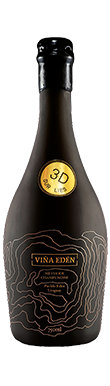

Viña Edén has quickly become the sparkling wine producer to know in Uruguay, making excellent traditional method bubbles (as well as still wines). This unfiltered...
Viña EdénPueblo Edén

Viña Edén, Brut Nature Rosé, Pueblo Edén, Maldonado, Uruguay
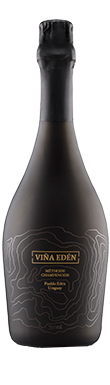
Viña Edén’s extreme coastal location in the cooler region of Maldonado has made it a bit of a holy grail for bubbly and this traditional...
Viña EdénPueblo Edén
Bodega Garzon, Single Vineyard Albariño, Garzón, Maldonado, Uruguay, 2020
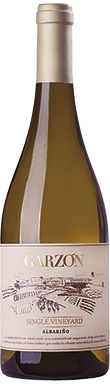
This is Garzón’s top Albariño and one that truly shows what is so exciting about the boom of this variety in Uruguay. With a distinctly...
2020
Bodega GarzonGarzón
Bodega Bouza, Viñedo Pan de Azúcar Riesling, Pan de Azúcar, Maldonado, Uruguay, 2019
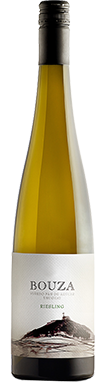
Bouza’s Pan de Azúcar in Maldonado is one of the most exciting new vineyards in Uruguay and this Riesling proves exactly why. Brimming with coastal...
2019
Bodega BouzaPan de Azúcar
Pisano, Rio de los Pájaros Torrontés, Progreso, Canelones, Uruguay, 2020
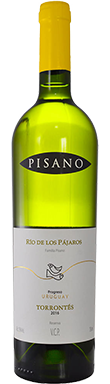
With a nod to their friends in Argentina, this Torrontés was planted in the heart of Canelones by the Pisano family offering a very different...
2020
PisanoProgreso
Gimenez Mendez, Alta Reserva Viognier, Las Brujas, Canelones, Uruguay, 2019
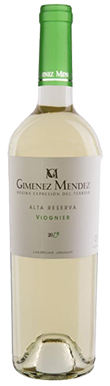
A fresh but fragrant Viognier from Canelones with notes of jasmine and peach, this is a nice example of coastal Viognier from Las Brujas. Gimenez...
2019
Gimenez MendezLas Brujas
Bodega Pablo Fallabrino, Soul Surfer Sativa, Atlántida, Canelones, Uruguay, 2020
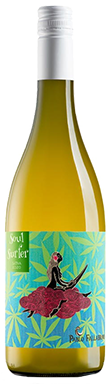
Pablo Fallabrino has not only been growing vines in Atlántida, but is an avid cannabis grower too. In this wine he combines both passions: an...
2020
Bodega Pablo FallabrinoAtlántida
Bracco Bosca, Ombú Moscatel, Atlántida, Canelones, Uruguay, 2018
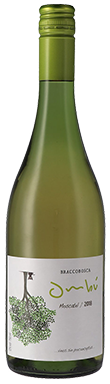
86
Simple and aromatic, with a lovely acidity and creamy palate. Lean and pithy finish.
2018
Bracco BoscaAtlántida
Bizarra Extravaganza, Naranja Vino Natural, Juanicó, Canelones, Uruguay, 2019
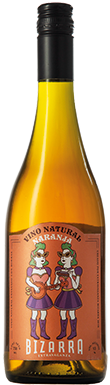
91
The brainchild of Santiago Deica, this orange wine combines two traditional varieties in Uruguay: Petit Manseng and Gros Manseng. Amber-coloured, it shows notes of peaches, honeydew melon and croissants. With some structure on the palate and a creamy but fresh finish, this is a wine with body and plenty of personality. Drink chilled.
2019
Bizarra ExtravaganzaJuanicó
Marichal, Reserve Collection Rosé, Etchevarría, Canelones, Uruguay, 2018
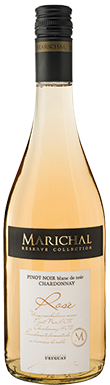
Taking a refreshingly different approach to rosé, Juan Andrés Marichal makes a still ‘blanc de noir’ from Pinot Noir and Chardonnay. A peachy, salmon-coloured rosé...
2018
MarichalEtchevarría
Bodega Garzon, Single Vineyard Petit Verdot, Garzón, Maldonado, Uruguay, 2018
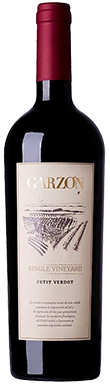
You would think that in a country like Uruguay, with its humid, coastal climate, Petit Verdot would be a shrinking violet. But this wine from...
2018
Bodega GarzonGarzón
Viña Progreso, Overground Cabernet Franc, Progreso, Canelones, Uruguay, 2018
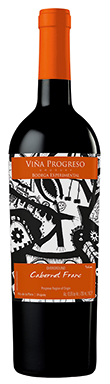
Interested in integrated farming, Gabriel Pisano is producing an exciting range of wines in southern Uruguay. His Cabernet Franc presents a profile of crisp and...
2018
Viña ProgresoProgreso
Bracco Bosca, Gran Ombú Cabernet Franc, Atlántida, Canelones, Uruguay, 2017
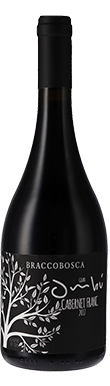
Fabiana Bracco has revolutionised the fine wines of her small family winery in Atlántida and this Cabernet Franc is one of the top wines in...
2017
Bracco BoscaAtlántida
Bodega Pablo Fallabrino, Notos, Atlántida, Canelones, Uruguay, 2018
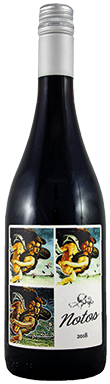
Pablo Fallabrino has long been championing Piemontese varieties in Uruguay and this Nebbiolo is a case in point. With notes of wild raspberries, rose hips...
2018
Bodega Pablo FallabrinoAtlántida
Bodegones del Sur, Vineyard Select Cabernet Franc, Sierra de Mahoma, San José, Uruguay, 2017
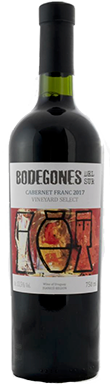
With delicious intense notes of blueberries, summer strawberries and a touch of eucalyptus, this is a wonderfully inviting Cabernet Franc on the nose. The palate,...
2017
Bodegones del SurSierra de Mahoma
Pisano, Rio de los Pájaros Pintados Reserve Pinot Noir, Progreso, Canelones, Uruguay, 2018
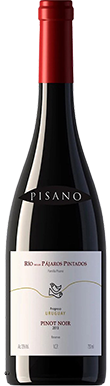
This light, fragrant and earthy Pinot Noir is seductive and intriguing with notes of tart red cherries, roses and shiitake mushrooms. The tangy, refreshing finish...
2018
PisanoProgreso
Bodegones del Sur, Vineyard Select Marselan, Juanicó, Canelones, Uruguay, 2019
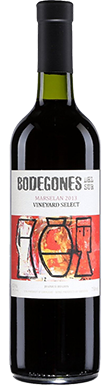
Marselan is a rising star in Uruguay and this is great value wine from Santiago Deicas proves why. Appealing notes of black olives and black...
2019
Bodegones del SurJuanicó
Bodega Bouza, Viñedo Pan de Azúcar Pinot Noir, Pan de Azúcar, Maldonado, Uruguay, 2019
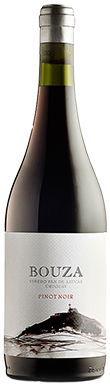
Coming from Bouza’s stunning Pan de Azúcar vineyard just three kilometres from the coast, this is a fragrant and refreshing Pinot Noir with very pretty...
2019
Bodega BouzaPan de Azúcar
Viña Progreso, Overground Pinot Noir, Progreso, Canelones, Uruguay, 2018
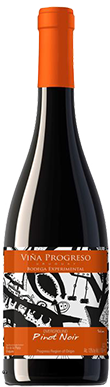
With delicate notes of dried cherries, lavender and truffle, this 2018 shows some evolution on the nose but the acidity and tension are fresh and...
2018
Viña ProgresoProgreso
Gimenez Mendez, Alta Reserva Malbec, Las Brujas, Canelones, Uruguay, 2017
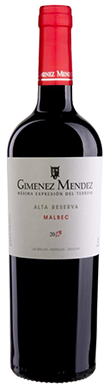
This is Malbec, Uruguayan style. With savoury notes of charcuterie and wild herbs, backed by prune and cherries, it finishes with a lively acidity and...
2017
Gimenez MendezLas Brujas
