Variety in abundance: discovering the Languedoc’s Côtes de Thongue
Rosemary George MW explores the Côtes de Thongue IGP in France’s Languedoc-Roussillon, meeting a dynamic selection of engaged cooperatives, established growers and newcomers to the region. Finding a diverse range of grapes and styles, she recommends her top 12 below.


The Côtes de Thongue deserves to be taken as seriously as any appellation. It was recognised as a Vin de Pays in 1982 and at one stage there were aspirations for an appellation, but the wine-growers realised that they would have so much more freedom if they remained as Vin de Pays, or IGP as it is now called.
Being made an appellation would have seen their choice of grape varieties severely restricted; instead, there are now a breathtaking 110 grapes mentioned in the cahier des charges (the appellation rule book), as opposed to 58 for the Pays d’Oc IGP.
‘Perhaps surprisingly for the Languedoc, Côtes de Thongue is developing a reputation for its white wines’
Unlike many of the IGPs of the south, there’s no parallel appellation. If the wines are not Côtes de Thongue, they’re either IGPs Pays de l’Hérault or Pays d’Oc, but the producers tend to favour Côtes de Thongue, as that gives them a much more individual identity. Maybe a single-varietal wine will be Pays d’Oc, but the blends are all Côtes de Thongue.
So you could say that variety is the name of the game, with very few rules to be broken.
Scroll down to see tasting notes and scores for 12 top Côtes de Thongue wines
The location
The vineyards are based on the Thongue, a small river which rises in the Faugères village of Fos and flows into the Hérault near the village of St Thibéry.
Altogether the area covers 23 villages, with the heart of the vineyards at the northern end around Pouzolles and Abeilhan, and the historic town of Pézenas the nearest place of note.
The landscape is gently undulating, with stretches of flatter land interspersed with small hills, or puechs in Occitan, with none higher than about 175 metres.
The soil is mixed. Thirteen million years ago the sea was here, so there’s plenty of limestone, with marine sediments. There are some volcanoes, with bauxite, as well as villafranchian pebbles, not dissimilar to the soils of Châteauneuf-du-Pape.
As Olivier Coste from Domaine Montrose explained, this diversity means that you can grow the same variety across different soil types, which gives different results and adds interest to the blend.

The grape varieties
The diversity of grape varieties is fascinating and inevitably the list includes some that are virtually unknown – maybe one grower with a few vines of something obscure managed to get it inserted into the cahier des charges. So there are varieties like Alphonse Lavallée, Aranel and Arinarnoa.
The Côtes de Thongue allows for three colours of Aramon, for Sciacarello (grown primarily in Corsica), for three colours of Piquepoul, and three of Terret. And the list will grow as, unlike the Pays d’Oc, they have not yet included any of the disease resistant varieties, but those are in the pipeline.
The flagship wine of Domaine La Croix Belle is No 7, made in all three colours, for the simple reason that the blend includes seven different varieties, some traditional to the Languedoc and some more international.
One estate in particular, Domaine de l’Arjolle, has led the way with experimental grape varieties, with Louis-Marie Teisserenc planting first Zinfandel and then Carmenère, and now his son, François, is pondering Pinotage and Petite Arvine. Neither, as yet, are in the cahier des charges, nor is Zinfandel, but that is in the pipeline for 2023.
Perhaps surprisingly for the Languedoc, Côtes de Thongue is developing a reputation for its white wines, which are increasing in production, while rosé is rather stagnant.

Côtes de Thongue at a glance
Location: 23 villages in the Hérault, based around the river Thongue.
Producers: 6 cooperatives and 65 independent estates
Production: 30% white, 30% rosé and 40% red
Soils: Varied – limestone and clay, bauxite, villafranchian pebbles
Grape varieties allowed: 110 varieties permitted, usually blends rather than single varieties. The most important are Chardonnay and Syrah, followed by Grenache, Merlot, Sauvignon Blanc and Viognier. Growing interest in Cinsault, Sauvignon Gris and Grenache Blanc. Less interest in Muscat à Petits Grains, Mourvèdre, Petit Verdot and Pinot Noir.
Most important producers: Domaine la Croix Belle, Domaine de l’Arjolle, Domaine Bassac, Domaine Montrose, Cooperative d’Alignan du Vent
Vintages: Quality is pretty consistent, but various factors have affected quantity. Frost in 2021, sunburn in 2019, drought in 2018, mildew in 2017 and drought in 2016. And 2020 was complicated by Covid.
Strong focus on the environment
One of the things that does unite the wine-growers of the Côtes de Thongue is a biodiversity programme, called Biodiv&Eau, focusing on sustainability, to which most of the wine-growers are committed. It has been in place for about 10 years and emphasises not so much organic viticulture but the quality of the environment – they are planting more trees and hedges and constructing more ponds, and there are nest boxes for bats.
Emilie Alauze from one of newer estates, Lou Belvestit, noted the proliferation of birds’ nests, especially in gobelet bush vines, that provide lots of shelter.
There is also a strong commitment to organic viticulture – 80% of the vineyards are organic, biodynamic or certified Haute Valeur Environnementale.
Louis Delhon of Domaine Bassac was one of the very first pioneers of organic viticulture in the whole of the Languedoc when he took over the family vineyards in 1987.

A like-minded group of cooperatives and independents
Altogether there are six cooperatives and 65 wine estates, but they don’t necessarily make solely Côtes de Thongue wines if they have vineyards in adjoining areas and appellations.
Some are long-established, such as Domaine la Croix Belle, Arjolle and Bassac, while the area is also welcoming to new producers.
Some, like Emilie Alauze at Lou Belvestit and Delphine and Gilles Guiraud at Mas Delgi, took family vineyards out of the cooperatives, while Magali and Joël Larose of Domaine Larose bridge the gap between an independent and a cooperative. Magali is a trained oenologist and they wanted to do things that wouldn’t be feasible in a large cooperative. So with 3ha of vines they experiment, using amphora and making orange wine, while they send their remaining 27ha to the competent Alignan-du-Vent cooperative where Joël remains vice-president.
And then there are the newcomers, such as Aymeric and Sarah Discours at Domaine les Robes Noires. Barristers from Bordeaux who long had a hankering to make wine, they finally took the plunge in 2021 when they bought the former estate of Domaine du Bourdic, arriving in July just in time to organise the cellar for their first harvest.
The style of Côtes de Thongue wines: success in diversity
I quizzed Olivier Coste from Domaine Montrose about the typicity of the Côtes de Thongue.
‘There is not one style of the Côtes de Thongue; it’s determined by a group of like-minded producers who want to differentiate themselves from the Pays d’Oc, and who concentrate on the traditional grape varieties, and those best suited to a warmer climate.’
François Delhon of Domaine Bassac says ‘the soils give a certain acidity, which is good for white wines’. He enthused about Vermentino, and the return to original grape varieties such as Carignan. ‘The whites have acidity; the rosés some fruit and finesse, while the reds are fresh, with some power’.
He also commented on the good camaraderie amongst the producers. Joël and Magali Larose also enthused about the enormous choice of grape varieties: ‘There is a wonderful liberty, so you cannot really say that there is a typical Côtes de Thongue’.
What is clear is that these wines offer a mosaic of different flavours, with so much to discover.
See Rosemary George MW’s tasting notes and score for 12 top Côtes de Thongue wines:
Related content
Understanding IGP Pays d’Oc
Expert’s choice: Premium Picpoul de Pinet
Regional profile: Terrasses du Larzac plus 67 wines tasted
Pic St-Loup: regional profile plus the 12 wines worth seeking out
Domaine les Robes Noires, Hammurabi, Côtes de Thongue, Languedoc-Roussillon, France, 2021
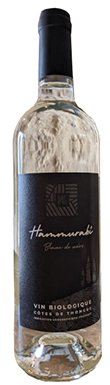

A pure Cinsault vinified as a white wine with no skin contact at all. Light in colour, with quite a stony nose, and a certain weight on the palate, with some satisfying mouthfeel and good balancing acidity. They wanted to make a white wine, but simply did not have enough white grapes as they had been frosted, but there was some spare Cinsault. As former lawyers, all their wine names have a legal link: Hammurabi was the Babylonian king who laid down the first legal code around 4,000 BCE / BC.
2021
Domaine les Robes NoiresCôtes de Thongue

Domaine de l’Arjolle, Equinoxe Viognier-Sauvignon, Côtes de Thongue, Languedoc-Roussillon, France, 2021
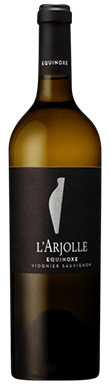
The Sauvignon fruit profile dominates the blend, with some peachy notes from the Viognier. There’s a good streak of acidity, the oak is well integrated, and the palate nicely textured, with a juicy finish. This should evolve nicely. It’s a blend that they have made since the 1990s and it works very well, with each variety tempering the extremes of the other, so there is some pithy fruit and some peachy notes.
2021
Domaine de l’ArjolleCôtes de Thongue
Domaine l'AB Tourrette, Cuvée Matéo, Côtes de Thongue, Languedoc-Roussillon, France, 2021
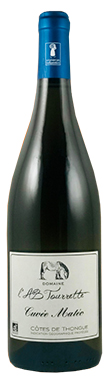
A blend of 30% Sauvignon Blanc and 70% Grenache Blanc. Nicely rounded nose, leading to an elegantly textured palate, with some Sauvignon acidity and pithiness tempered by the Grenache Blanc. Very harmonious. Aged partly in vat and partly in barrel with some lees stirring.
2021
Domaine l'AB TourretteCôtes de Thongue
Moulin de Lène, Cuvée Mademoiselle, Côtes de Thongue, Languedoc-Roussillon, France, 2020
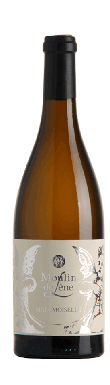
An intriguing and unusual blend of 70% Chardonnay, 20% Petit Manseng and 10% Muscat à Petits Grains. Light in colour, with a nicely nuanced nose with hints of honey. The oak is well integrated, with a rounded and harmonious palate showing some honey, good acidity and a refreshing finish. An original blend which works very well. Fermentation and six months ageing in demi-muids, with regular bâtonnage
2020
Moulin de LèneCôtes de Thongue
Lou Belvestit, Blanc, Côtes de Thongue, Languedoc-Roussillon, France, 2021
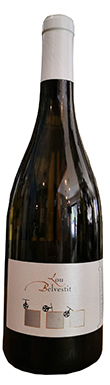
Emilie Alauze’s third vintage of her white wine. It is pure Carignan Blanc, from seven-year-old vines, as the Roussanne was frosted. Normally the Roussanne would add some weight. This, however, is firm and fresh with good acidity, with the austerity and stony notes of pure Carignan Blanc. An elegant fresh finish. Emilie has just one plot of white, a cooler plot where the soil is not too rich. Most of her vineyards are better for red grapes.
2021
Lou BelvestitCôtes de Thongue
Les Hauts de Montarels, Chardonnay Fût, Côtes de Thongue, Languedoc-Roussillon, France, 2020
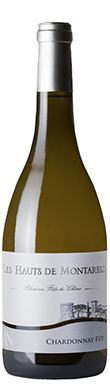
A pure Chardonnay, and very successful, especially for a warm climate Chardonnay. A little colour. Lightly oaked and nicely rounded, with good texture on the palate. Some acidity on the long finish.
2020
Les Hauts de MontarelsCôtes de Thongue
Domaine Bassac, Icône Rosé, Côtes de Thongue, Languedoc-Roussillon, France, 2020
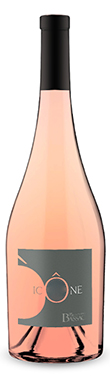
An original blend of Cinsault and Cabernet Franc. One barrique of each, fermented and then aged in barrel for six months, followed by a year in bottle before sale. It works extraordinarily well. Light in colour, with quite a firm, structured nose. Great mouthfeel; textured and vinous with some weight. Very intriguing. François Delhon admits to being inspired by Garrus in Côtes de Provence.
2020
Domaine BassacCôtes de Thongue
Domaine Montrose, 1701, Côtes de Thongue, Languedoc-Roussillon, France, 2021
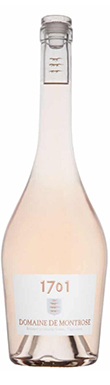
1701 was the year the original owner of the estate received his coat of arms. Made from 85% Grenache and 15% Roussanne from the same two plots each year, with volcanic soils – namely Grenache de la Croix and a north-facing vineyard of Roussanne in the garrigue about half a kilometre away. 15% is fermented and aged in new wood for six months. The aim is to make the best rosé possible. Delicate orange-pink in colour. Quite firm, dry fruit on the palate, showing good structure and a satisfying balance of fruit, acidity and structure. Elegantly understated.
2021
Domaine MontroseCôtes de Thongue
Domaine Larose, Fruit de la Terre, Côtes de Thongue, Languedoc-Roussillon, France, 2021
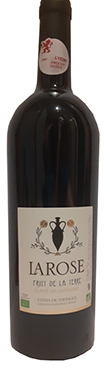
Joël and Magali Larose are using amphora, which is still relatively rare in the Languedoc. The blend is half and half Carignan and Grenache. The grapes are all destemmed, with the Carignan macerated in old barrels, with a daily pigeage. The Grenache is fermented in stainless steel vats, also with a daily pigeage and then the young wine put into amphora for about six months. Good colour, with rounded, spicy fruit on the nose and palate, with supple tannins and some refreshing acidity. Undemanding, easy drinking and quite delicious.
2021
Domaine LaroseCôtes de Thongue
Mas Delgi, Carignan Vieille Vigne, Côtes de Thongue, Languedoc-Roussillon, France, 2021
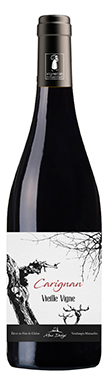
<p>Pure Carignan from 50-year-old bush vines planted by Gilles Giraud’s grandfather. Vinified by carbonic maceration lasting three weeks, with 20% of the blend aged in barrel. A touch of oak on the nose, which is well integrated on the palate. Structured with some firm fruit and a tannic streak. A very appealing example of Carignan with some youthful fruit and ageing potential.</p>
2021
Mas DelgiCôtes de Thongue
Domaine la Croix Belle, Cascaillou, Côtes de Thongue, Languedoc-Roussillon, France, 2019
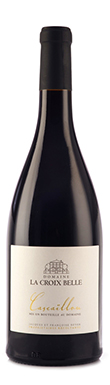
50% Grenache makes it the dominant variety here, with 25% each of Syrah and Mourvèdre. Aged in an egg, this has a deep, youthful colour. Aromas of spicy red fruit, with notes of the herbs of the garrigue. Ripe red cherry fruit and supple tannins on the palate, with a rounded, youthful finish. No oak.
2019
Domaine la Croix BelleCôtes de Thongue
Domaine des Capriers, Les Larmes d’Ema, Côtes de Thongue, Languedoc-Roussillon, France, 2020
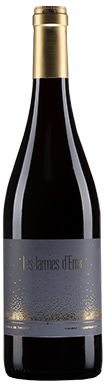
Pure Syrah that’s seen 80% carbonic maceration and 20% traditional fermentation. Deep young colour. Quite a firm, fresh, peppery nose, and good peppery fruit on the palate. Good varietal character with a fresh finish. Youthful.
2020
Domaine des CapriersCôtes de Thongue
