

Produced in partnership with Vinart.
When William Wordsworth wrote ‘Earth has not anything to show more fair’ than the view from Westminster Bridge, it seems more than likely that he hadn’t visited Croatia’s Adriatic coastline of Istria and Dalmatia.
In my view, there is little ‘so touching in its majesty’ than this astonishingly picturesque part of the world. From the Istrian peninsula opposite Venice in the north, Croatia’s western coastline is a mirror image of Italy’s eastern shores, running more than 1,000km past 1,246 islands of varying shapes and sizes until it becomes wafer-thin in the southeast, squeezed between the Adriatic and the Bosnia & Herzegovina border across the sea from Puglia.
Jutting out into the Adriatic in Croatia’s north, the Istrian peninsula’s proximity to Italy, Slovenia and Austria, and its Venetian architecture and medieval castles, make it gastronomic melting pot for tourists. There’s a good concentration of konobas here – small local restaurants where both Croatian and Italian are spoken, and which focus on rustic, seasonal dishes. They also showcase the dry white wines of Malvazija Istriana, along with reds made from the former jug wine variety of Teran, its reputation now on the rise thanks to the pioneering Istrian winemaker Moreno Coronica.
Once a vinous haven covering some 50,000 hectares, Istria today is one-tenth of that size due to the 19th-century devastation of phylloxera, the post-war decimation of the Austro-Hungarian empire’s vinous heritage and, more recently, ‘des res’ syndrome as Istrian vineyards are converted for housing.
To accommodate the growing numbers of tourists who come in search of Istria’s fine Malvazija, Gianfranco Kozlović and his wife Antonella are planning to upgrade the Zeljko Buric-designed family winery, an elongated cube of glass, iron and steel located in the old wine region of Momjan outside Buje. Kozlović’s Moscato di Momiano is an added attraction, along with Istria’s famous white truffles and activities such as bike riding and boating.
On a grander scale, the seaside resort of Meneghetti near Bale in southern Istria, close to the old Roman settlement of Castrum Vallis, is both a luxurious Relais & Châteaux hotel and restaurant, as well as winery making sleek, modern wines under the stewardship of the famous Italian wine consultant Walter Filiputti.

Island wines
Heading south, the coastal E65 is the route from which to check out Croatia’s island winescape. Croatia’s biggest island, Cres, is easily accessible from the mainland and connected by bridge to verdant Lošinj, which is popular for its high-end hotels. The island of Krk is also connected to the mainland by road and boasts its own wine, whose blandness fails to live up to the name of its grape variety, Zlahtina (meaning noble grape), but the town of Vrbnik hosts a number of wineries for the thirsty traveller.
Popular with families, the island of Rab signals the beginning of the Dalmatian coast, and further south lies the beautiful island of Pag, to be enjoyed for its ancient olive trees, its sheep’s cheese, and, for wine lovers, the gorgeous winery of Boškinac. Make sure to visit outside the July and August tourist peaks when clubbers throng to Pag’s Ibiza-esque Zrće Beach.

Dalmatian destinations
If Pag is Croatia’s Ibiza, Brač’s famous Zlatni Rat, close to Split, is its Bondi Beach, a hot destination near the town of Bol, with its excellent restaurants, hotels and camping facilities. For wine lovers, the excellent winery of Baković on Brač is worth the detour (+385 91 509 5891). Neighbouring Hvar is the Dalmatian coast’s best-known island, appreciated for its historic city and UNESCO-protected archaeological sites. Hvar boasts such excellent wineries as Duboković and Zlatan Otok. Ex-Marks & Spencer buyer Jo Ahearne MW is also resident here, making her own wine from the indigenous Pošip, Bogdanuša and Kuč grapes (Ahearne Wines).
To the west, Vis is undeveloped, authentically Croatian and an isolated, independent traveller’s paradise, while further south, Korčula, with its stunning walled town and Venetian architecture, is home to some of Croatia’s best gastronomic destinations and wineries, the latter including that of poet-winemaker and master of the Pošip grape Luka Krajančić.
The mainland coastal road takes you on to the Pelješac peninsula, close to Dubrovnik, one of the best growing areas for the dark-skinned Plavac Mali. This is down to its warm, sunny Mediterranean climate and the steep, terraced vineyards overlooking the shimmering Adriatic between Ston, close to the mainland, and Orebić on Pelješac’s southwestern shores.
The dark reds made from Plavac Mali – not to be confused with Zinfandel but in fact a cross between Tribidrag and Dobričič – reach their apogee in the two appellations of Postup and Dingač, whose powerful, rich, intense wines make this area a paradise for red wine lovers. There’s a cluster of small family wineries inland from Dingač, and among the best to visit here are the Tolj family’s Saints Hills, and Lee and Penny Anderson’s Korta Katarina.
More recently, a juicier, modern style of Plavac Mali is emerging from the mainland region of Komarna, overlooking the Pelješac peninsula.
Where to eat and drink in Istria and Dalmatia
Alla Beccaccia, Valbandon
Dominated by a large central fireplace, this friendly, unpretentious restaurant specialises in local dishes, including homemade pasta and slow-cooked, melt-in-the-mouth snipe.
Bibich, Plastovo nr Šibenik
In addition to the shop that sells local wines, spirits, vinegars and olive oils, Bibich offers inspired cooking from Alen Bibić’s wife Vesna, using local produce such as sea bream and cuttlefish, cheese-wrapped olives, paprika, marinated prawns and a rich beef stew. +385 91 323 5729
Boškinac, Novalja, Pag
On the picturesque island of Pag, Boškinac’s superb restaurant (a member of the Jeunes Restaurateurs d’Europe group) offers local delicacies, such as the famous Paški sir cheese and lamb, with its wines.
Meneghetti, Bale
Meneghetti prides itself on its modern interpretation of traditional Istrian cuisine by chefs Danijela Pifar and Bojan Vuković. Breakfast on the terrace is a delight.
Porat, Dubrovnik
This casual waterfront restaurant and bar with a terrace serves delicious seafood and wines – and pizza to go if you prefer to stay in your hotel room.
Saints Hills Restaurant, Pelješac
Housed in a traditional Croatian stone building in the village of Oskorušno, Saints Hills’ spacious, modern restaurant offers impressive five- and six-course tasting menus accompanied by its wines.
Getting there
British Airways flies direct from London Gatwick to Dubrovnik airport, which is 20km from the city centre and serves the southern Dalmatian coast, Pelješac peninsula and islands of Mljet, Korčula, Hvar, Vis and Brač.
Anthony Rose is a widely published and awarded wine critic and author, and a regular contributor to Decanter

-
 Meet the new technical manager of Château-Grillet on its 90th anniversary
One appellation, one estate, one grape variety, 3.5ha. Matt Walls checks in on this legendary Rhône white, 90 years after it gained appellation status.
-
 Gen Z Wine Challenge: Amelia, 21
In a new Decanter series, 18- to 29-year olds around the world give their honest opinion about a wine they've splashed out on – and if it was worth the cash.


-
 Dalmatia: The crimson coast
Sponsored Content Sun-kissed by the shores of the Adriatic, Dalmatia’s vineyards are home to bold and inviting red wines with plenty of potential.
-
 Azienda Agricola Cortese: Championing sustainability in the heart of Sicily
Sponsored Content Meet the winemakers using ancient techniques and sustainable practices to create fresh, modern interpretations of Sicilian varieties
-
 Monemvasia Winery – Tsimbidi: Bringing an ancient wine into the modern age
Sponsored Content George and Elli Tsimbidi’s winery not only revived one of history's most famous wines but is now breathing fresh life into other native Greek varieties.
-
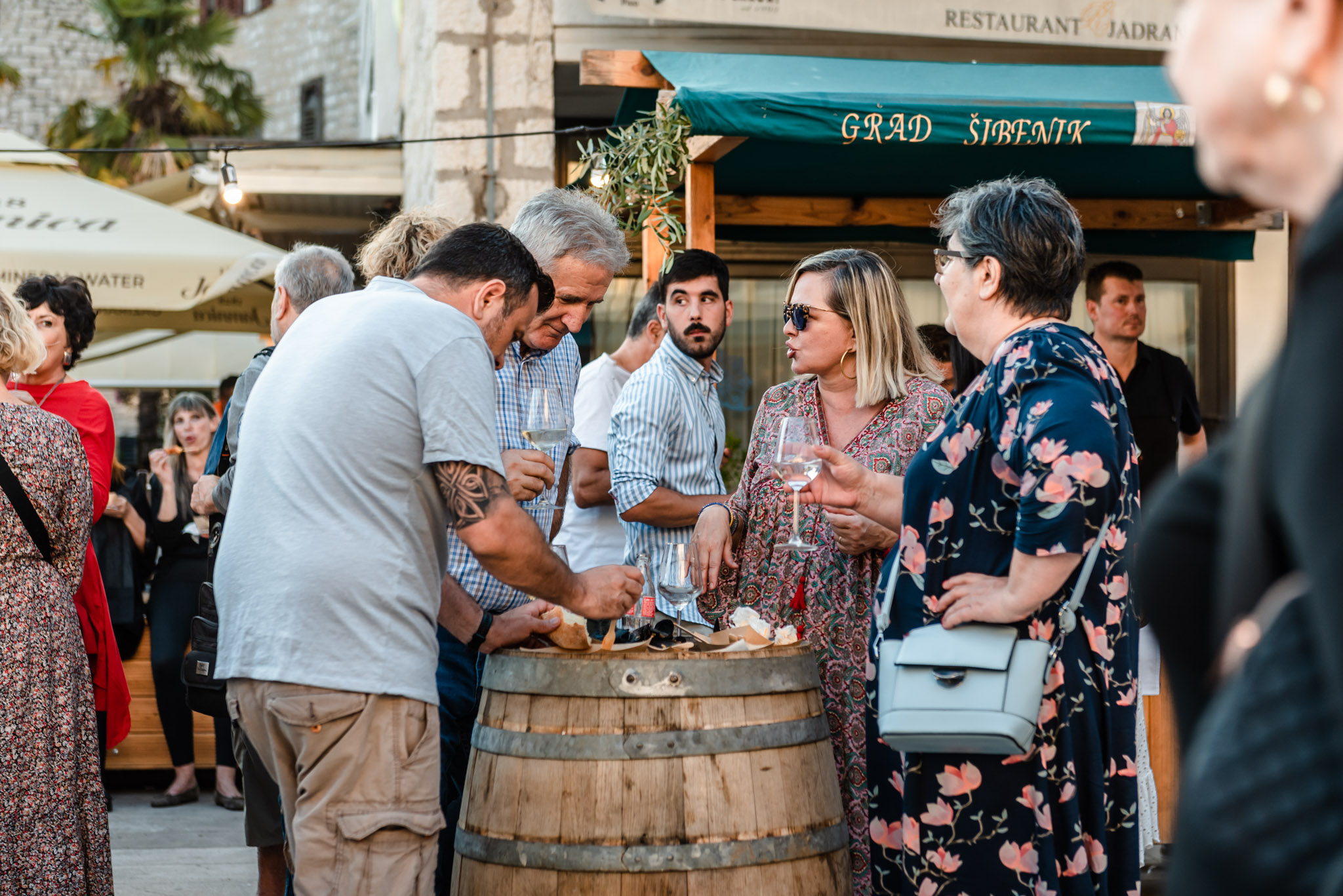 Marenda – A Dalmatian ritual
Sponsored Content What started as a work break has become a well-observed tradition in Dalmatia – one that pairs perfectly with local wine.
-
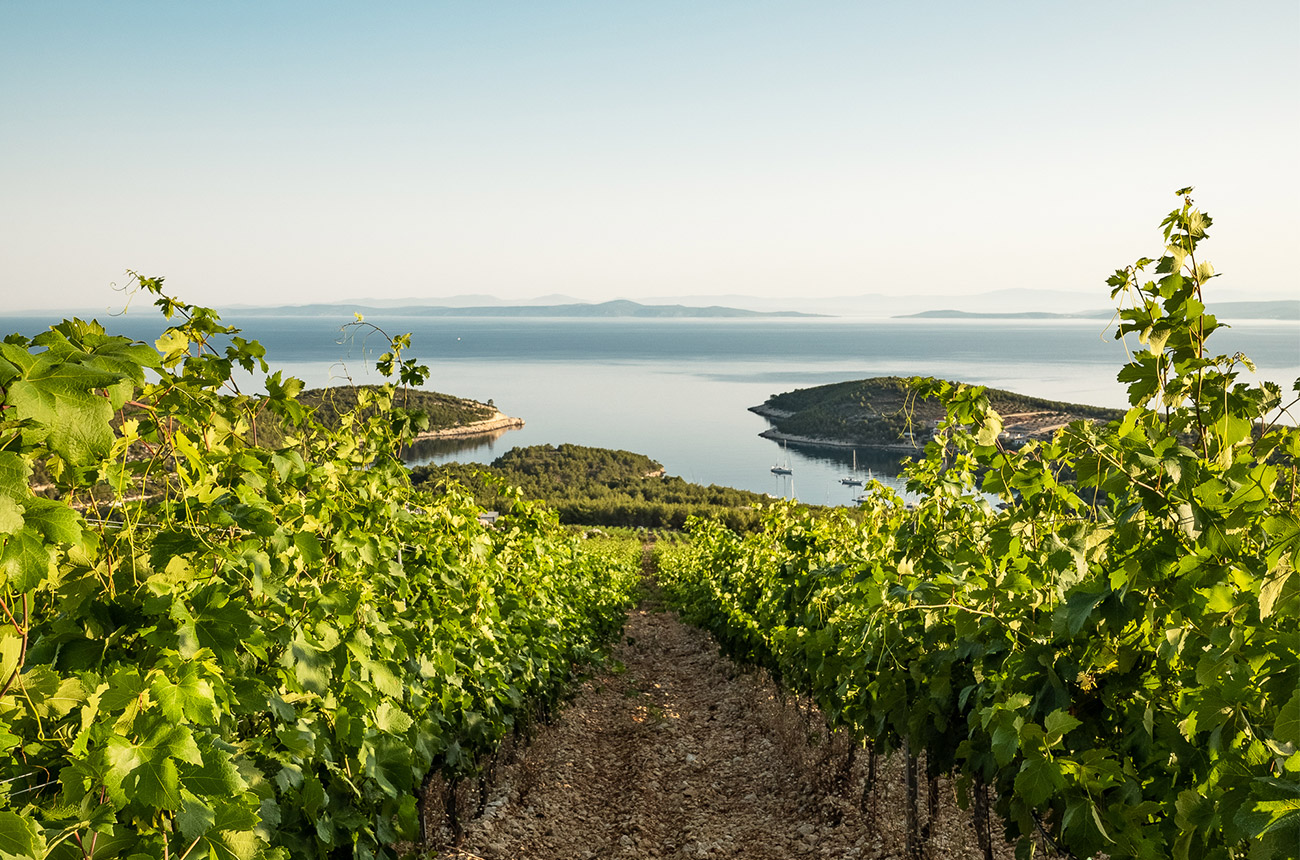 Dalmatia's hall of fame: DWWA winners
Sponsored Content Discover a selection of medal-winning Dalmatian wines from the Decanter World Wine Awards.
-
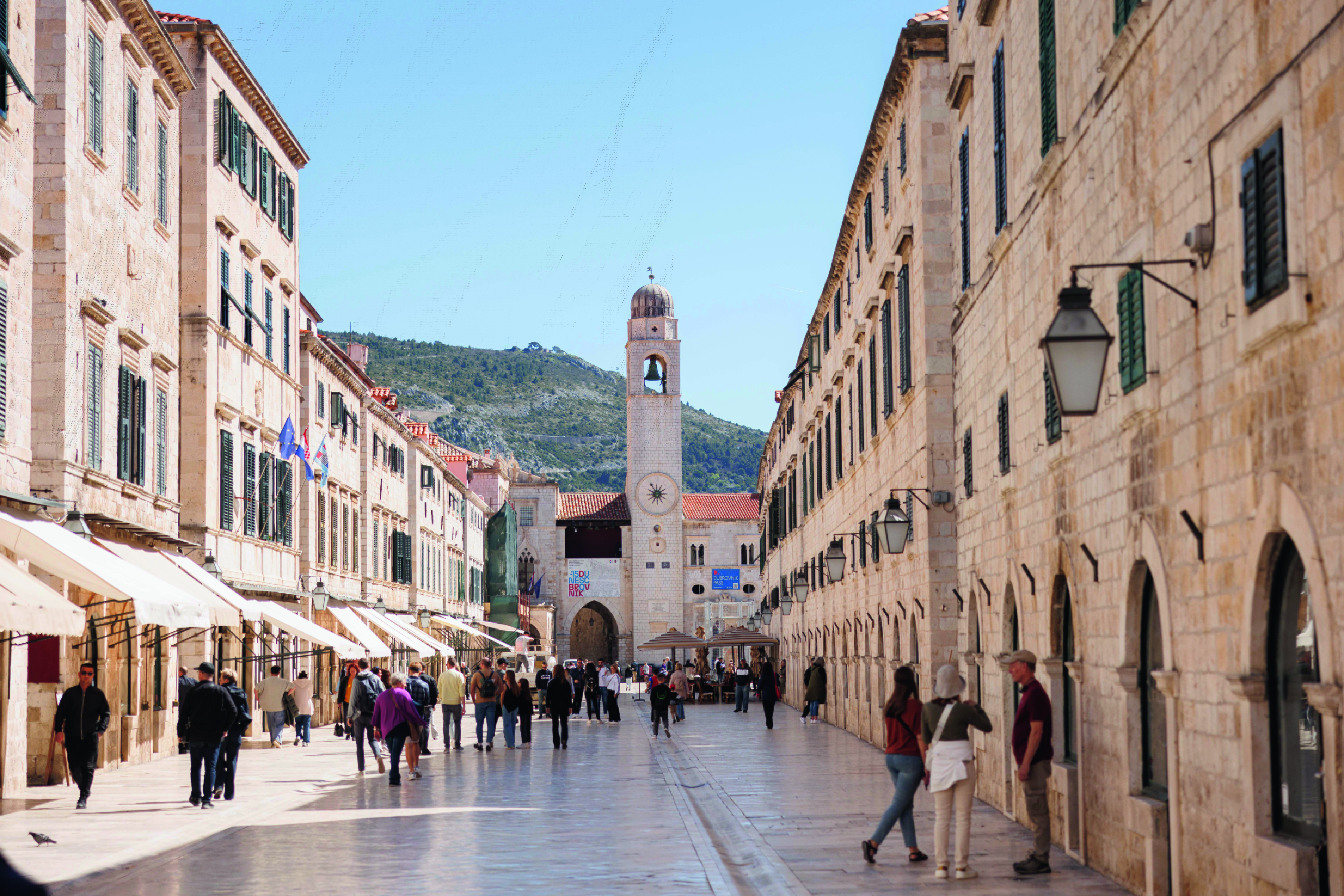 Pomalo: Dalmatia's answer to hustle culture
Sponsored Content A state of mind in Dalmatia, pomalo, which roughly translates as ‘take it easy’, sets the pace of life in this scenic region of Croatia.
-
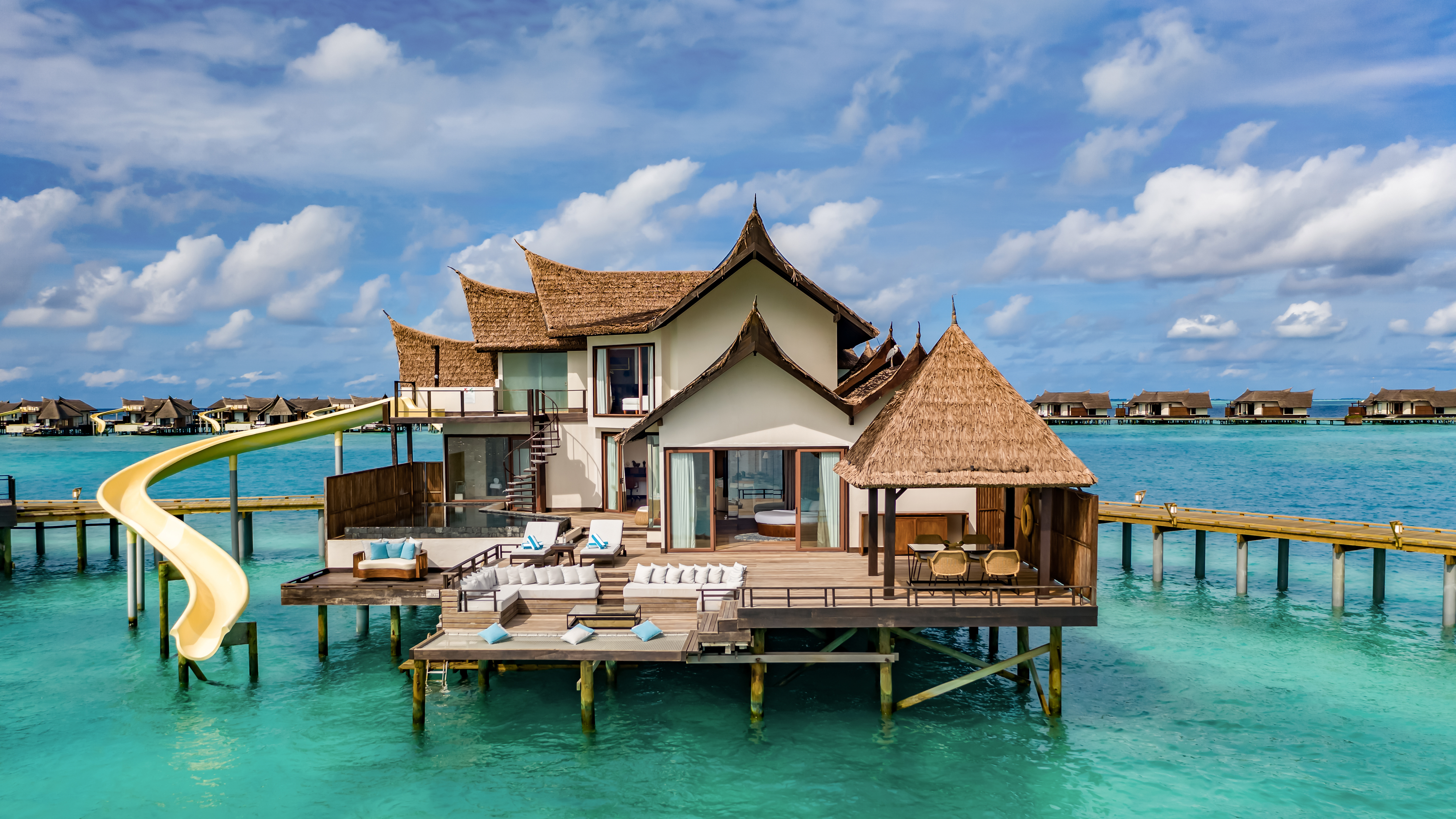 A Maldives paradise for wine lovers
Sponsored Content The unique wine culture at OZEN RESERVE BOLIFUSHI extends well beyond its carefully curated list with expert tastings, creative pairings and unexpected discoveries to make lasting holiday memories.
-
 Shaping the future of wine & spirits: What’s new at ProWein Düsseldorf?
Sponsored content Returning on 15 – 17 March in Düsseldorf – discover what's new at ProWein in 2026...


