

Twenty years ago, Rebula (known as Ribolla Gialla in Italy) was given little attention, even in its homeland: the hills of Brda (or Goriška Brda) and Collio that straddle the Slovenia-Italy border. Tastings of the area’s wines were all about Chardonnay, Sauvignon and Merlot, overshadowing this unsung native grape.
Over the past two decades, improvements in research, viticulture and winemaking have transformed Rebula into a wine that commands international attention. Now, new research is throwing light on the unique synergy between the area’s particular geology, the Rebula grape and the rolling vineyards of Brda and Collio.
The secret of the land
Brda and Collio form a single geological region, spreading across Italy and Slovenia. It’s a landscape of stunning green hills, clothed in terraced vineyards and forests buzzing with biodiversity. In theory, the region is too wet for good grapes, averaging over 1200mm of rain per year. But in vineyards high on these hillsides, Rebula is at its most exciting.
It is the area’s distinctive bedrock – known locally as opoka – that makes this possible, with its distinct layers of marl, sandstone and limestone. Opoka fractures easily, so rain drains away quickly, forcing the vines to root deeply. Combined with Alpine breezes that keep the air fresh, this means the vines struggle just enough to produce high-quality grapes.

Rebula under the microscope
Now, new research has corroborated what the region’s vinegrowers already understood. In the right growing conditions, a group of yellow and orange pigments called carotenoids accumulate in grape skins in response to sunshine.
Rebula grown on damp, low-lying soils remains green and vegetal; at moderate elevations it stays neutral and phenolic; but on sunny, well- drained slopes, like those in Brda and Collio, it turns a rich, golden yellow – thanks to carotenoids.
These pigments then metabolise into incredibly important flavour compounds, giving notes of quince, ripe apple, flowers and honey, plus interesting hints of kerosene, tea leaf and tobacco – all typical varietal characteristics giving complexity to top-quality Rebula from the hilly terroir of Brda and Collio.
The Rebula being made today is better than ever – more precise, more elegant and able to showcase both its special homeland and the vision of the passionate winemakers who produce it.
Rebula wines tasted at the 2024 Brda – Home of Rebula event

Jermann, Vinnae Ribolla Gialla, Friuli-Venezia Giulia, Italy 2023 92pts
Available from Laithwaites, Petersham Cellar and others
A consistently bright, fresh, appetising wine with aromas of apple blossom, lemon and red apple. To taste, there is plenty of lively, juicy apple fruit, with hints of green melon, a sprinkling of fresh herbs and a refreshing zesty finish.
Drink 2024-2028 | Alc 12.5%

Medot, Rebula Journey, Goriška Brda, Slovenia 2023 90pts
Available from medot-wines.com
Aromas of Asian pear, honeydew melon and a touch of sweet spice, then a generously fruity palate with hints of nectarine, lemon and pink grapefruit pith. It’s a harmonious combination of two faces of Rebula: fresh and more complex.
Drink 2024-2028 | Alc 12.5%

Dolfo, Rumena Rebula, Goriška Brda, Slovenia 2023 89pts
Available from dolfo.eu
Typical mineral character of old-vine Rebula – bone dry, vibrant and crisp. Aromas of greengage, crunchy pear and lemon zest lead on the nose, followed by hints of meadow herbs, fresh lemon, pear juice and a lightly salty, mineral finish.
Drink 2024-2028 | Alc 12.5%

Edi Simčič, Fojana Rebula Sveti Duh Vineyard, Goriška Brda, Slovenia 2022 95pts
Available from slit-wines.com
The nose is refined, with hints of white peach, mirabelle, wild thyme and lemon oil. It has an ethereal structure that combines lightness and intensity, with super-elegant oak and notes of lemon, quince and stone fruit, then a precise, lingering, saline finish.
Drink 2024-2030 | Alc 13%

Ferdinand, Rebula Época, Goriška Brda, Slovenia 2022 95pts
Available from ferdinand.si
A wine all about elegance. Green melon, Asian pear, wild basil and green tea on the nose are followed by notes of lemon, freshly cut pear and hints of acacia blossom, completed by an incredibly long, sapid finish.
Drink 2024-2030 | Alc 13%

Ščurek, Rebula Up, Goriška Brda, Slovenia 2022 93pts
Available from slit-wines.com
Amber gold wine, with inviting aromas of peaches and cream, tangerine zest and fresh meadow herbs. The palate is concentrated and intense, with generous flavours of peach, apricot, spice and orange backed by a salty, mineral and very appetising texture.
Drink 2024-2030 | Alc 13%

Gradis’ciutta, Sveti Nikolaj Rebula, Goriška Brda, Slovenia 2022 92pts
Available from gradisciutta.eu
A super-elegant interpretation with delicate creamy vanilla, elderflower and white peach on the nose. The palate is understated and graceful, with green pear, honeysuckle and lemon zest notes, completed by a lingering mineral finish.
Drink 2024-2030 | Alc 13%

Klet Brda, Krasno Rebula, Goriška Brda, Slovenia 2022 89pts
Available from klet-brda.si
A well-balanced and approachable wine. The bouquet expresses notes of sundried hay, camomile and golden plum, with delicate creaminess. A gently textured palate, fruit notes of white peach and lemon pith, backed by a firm mineral structure.
Drink 2024-2028 | Alc 13.5%

Marjan Simčič Domaine, Rebula Opoka Medana Jama Cru, Goriška Brda, Slovenia 2021 95pts
Available from orbitwines.com
Inviting on the nose, with chestnut honey, papaya, and peach, plus sweet spice and mandarin zest. Abundant, supple fruit with ripe peach, quince, greengage and citrus pith, backed by a firm but vibrant, sapid, mineral structure, and great length.
Drink 2024-2034 | Alc 13%

Domaine Vicomte de Noüe-Marinic, Erigone Ribolla Gialla, Goriška Brda, Slovenia 2021 94pts
Available from Armit Wines
Almost Burgundian on the nose, with refined creamy, toasted brioche and stone fruit notes. The palate is elegantly creamy too, with fine texture, soft and silky acidity and notes of ripe apple and lemon oil. Harmonious and lingering.
Drink 2024-2028 | Alc 12.7%

Klet Brda, Rebula Bagueri, Goriška Brda, Slovenia 2020 95pts
Available from klet-brda.si
Appealing bouquet of golden plum, toasted hazelnut, chestnut flowers and a touch of fresh quince. It’s intense but refined and silky to taste, with zesty lemon, nectarine, candied pineapple and vivid citrussy freshness, overlaid with subtle notes of toasted nuts and creamy vanilla.
Drink 2024-2030 | Alc 13.5%

Erzetič, Orbis Rebula, Goriška Brda, Slovenia 2020 92pts
Available from vina-erzetic.com
A rich golden wine with a complex, creamy bouquet of ripe nectarine, baked apple and a touch of toasted hazelnut. To taste, it is generously ripe, smooth and rounded in the mouth with sleek acidity and lovely length.
Drink 2024-2028 | Alc 13.5%
Discover more about Brda Rebula
Connect onFacebook | Instagram | YouTube


-
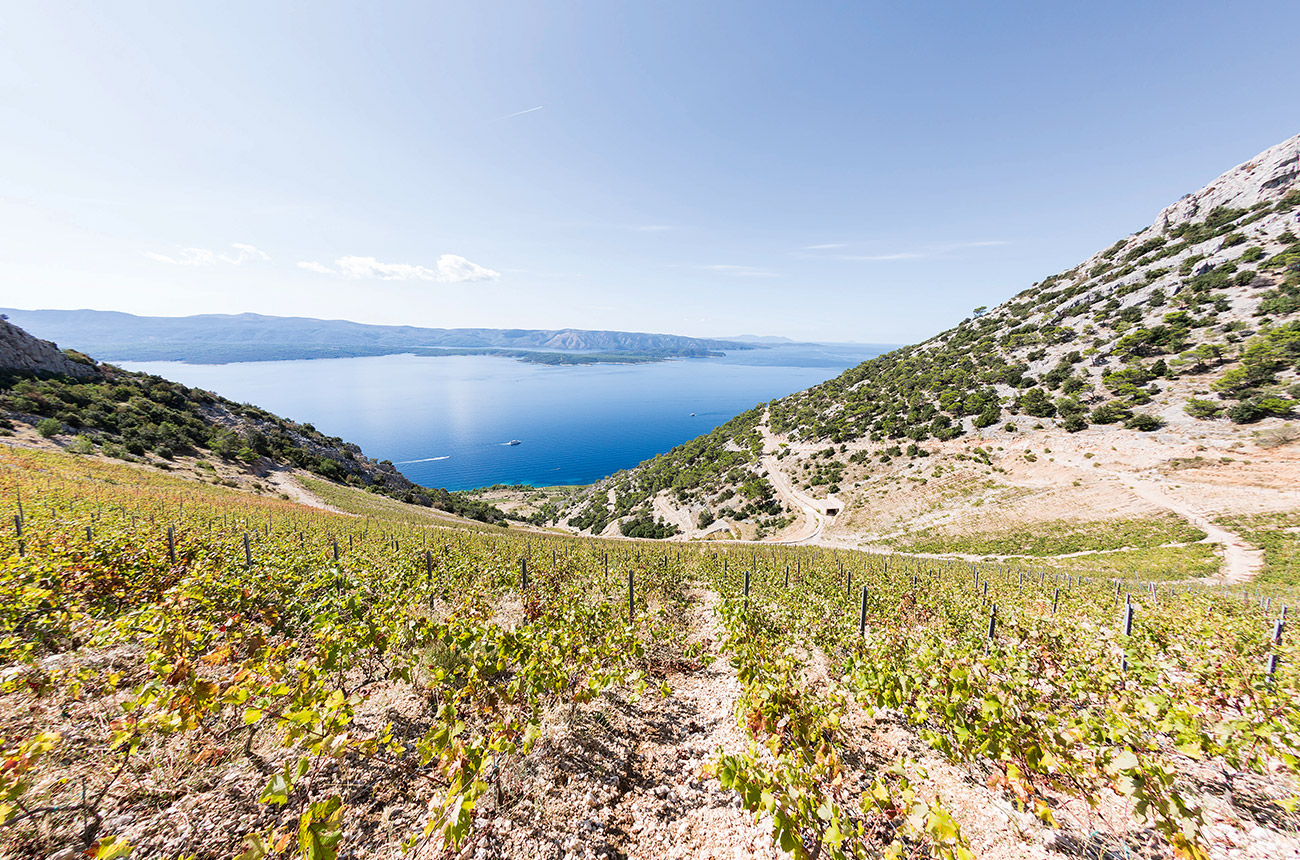 Dalmatia: The crimson coast
Sponsored Content Sun-kissed by the shores of the Adriatic, Dalmatia’s vineyards are home to bold and inviting red wines with plenty of potential.
-
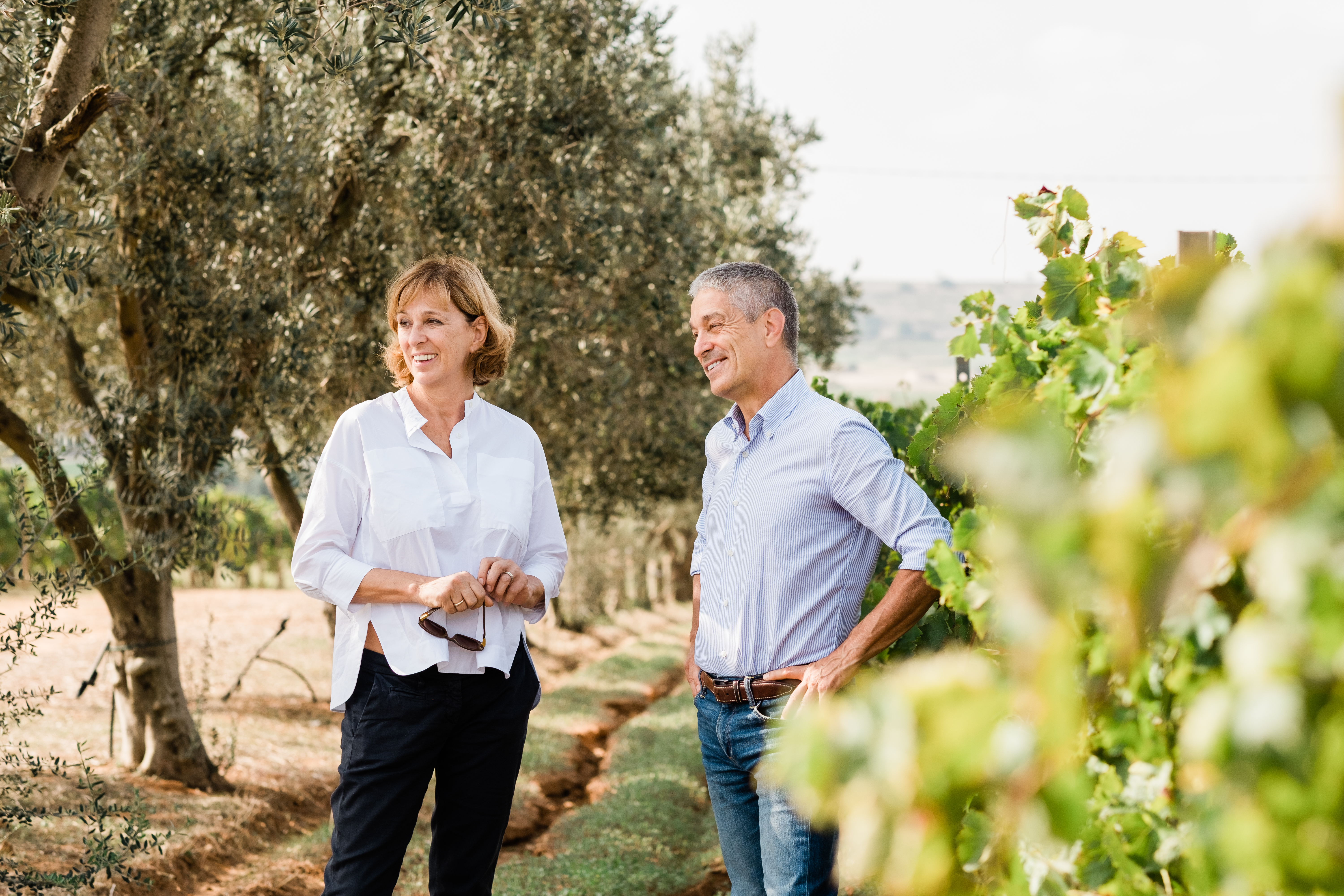 Azienda Agricola Cortese: Championing sustainability in the heart of Sicily
Sponsored Content Meet the winemakers using ancient techniques and sustainable practices to create fresh, modern interpretations of Sicilian varieties
-
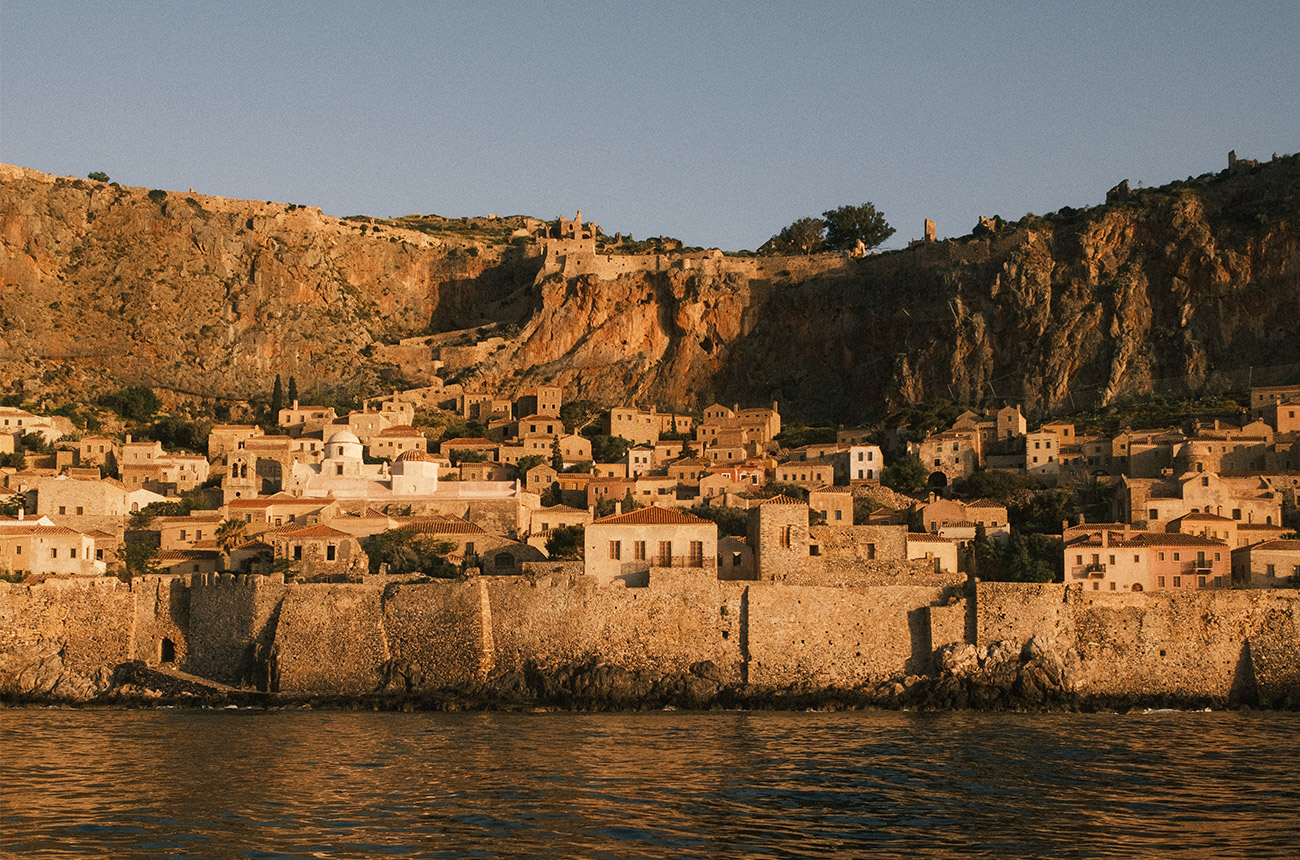 Monemvasia Winery – Tsimbidi: Bringing an ancient wine into the modern age
Sponsored Content George and Elli Tsimbidi’s winery not only revived one of history's most famous wines but is now breathing fresh life into other native Greek varieties.
-
 Marenda – A Dalmatian ritual
Sponsored Content What started as a work break has become a well-observed tradition in Dalmatia – one that pairs perfectly with local wine.
-
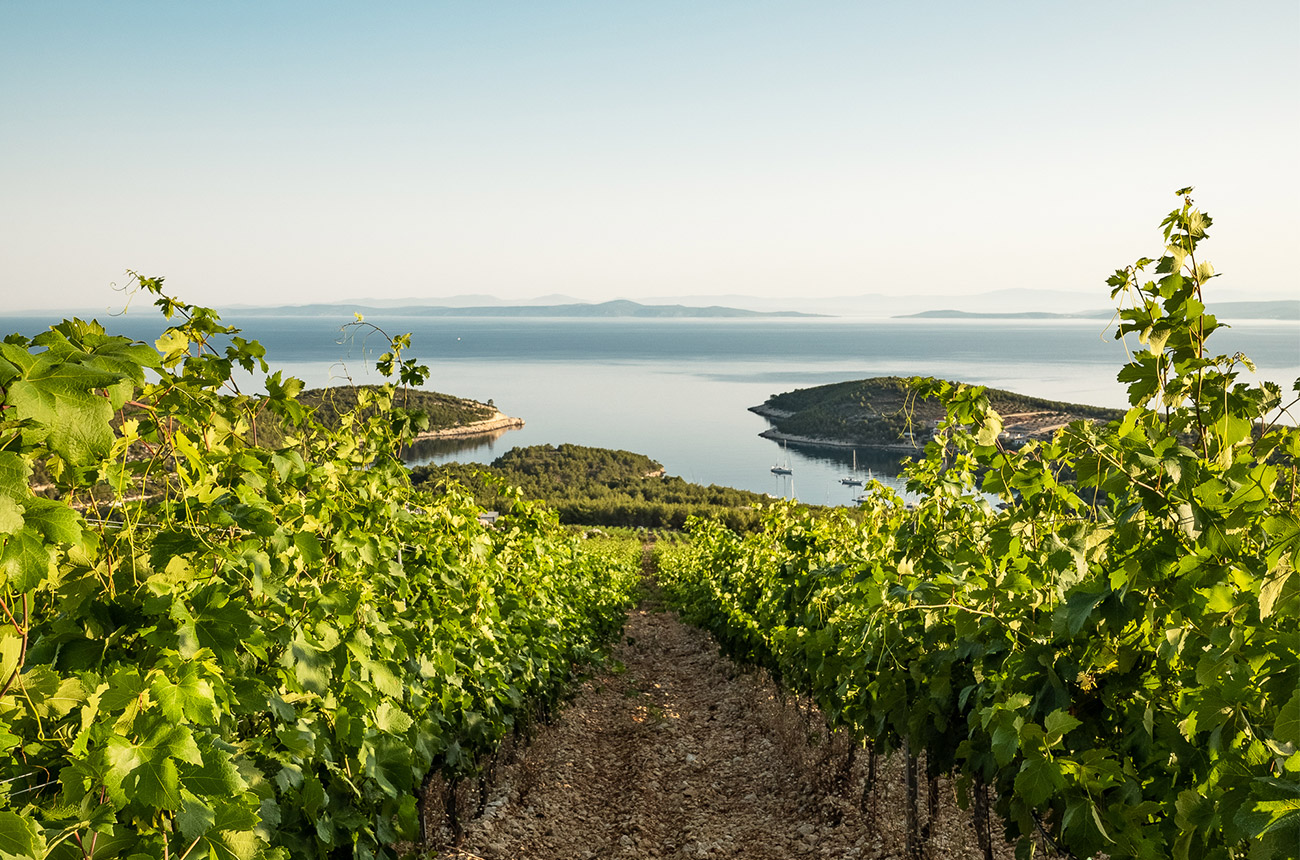 Dalmatia's hall of fame: DWWA winners
Sponsored Content Discover a selection of medal-winning Dalmatian wines from the Decanter World Wine Awards.
-
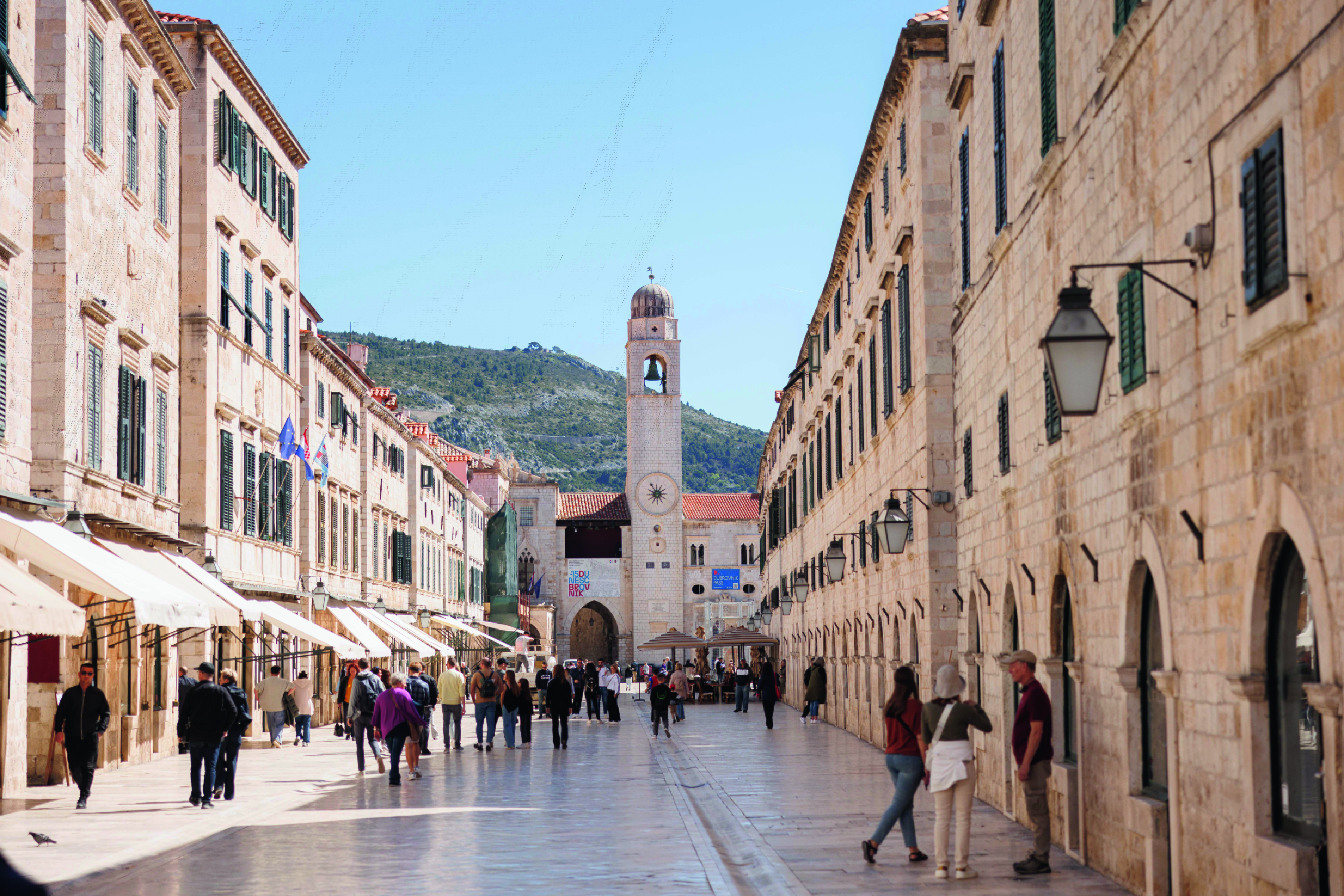 Pomalo: Dalmatia's answer to hustle culture
Sponsored Content A state of mind in Dalmatia, pomalo, which roughly translates as ‘take it easy’, sets the pace of life in this scenic region of Croatia.
-
 A Maldives paradise for wine lovers
Sponsored Content The unique wine culture at OZEN RESERVE BOLIFUSHI extends well beyond its carefully curated list with expert tastings, creative pairings and unexpected discoveries to make lasting holiday memories.
-
 Shaping the future of wine & spirits: What’s new at ProWein Düsseldorf?
Sponsored content Returning on 15 – 17 March in Düsseldorf – discover what's new at ProWein in 2026...


