

Promotional Feature, sponsored by Apcor
What is the impact of cork on the environment...?
Environmental benefits of cork
If you’ve been lucky enough to encounter a cork oak forest, then you must concur that they are a particularly spectacular sight; even more so if it’s during harvest time – between May and August – when the highly skilled, dedicated workers move their way through the rows of trees, judiciously shedding the trunks of their prized bark.

It’s very much a labour of love, as it takes one quarter of a century before a tree delivers its first harvest, with the second harvest coming around one decade later.
However, the resulting cork from these two harvests doesn’t cut the mustard when it comes to the quality required for wine stoppers; these are taken from the third harvest, when the tree can be 43 years old, although the patience is arguably worth it, as the tree can often then go on for another 200 years.
Simple aesthetics are not the only benefit that these woods bring to the table. Well over 100,000 people around the world are directly or indirectly reliant on cork forests and natural cork is still the seal of choice for 70% of the world’s wine producers.
More immediately, they supply economic and social benefits to the surrounding population through employment, keep at bay desertification and therefore the destructive effects of water run-off and soil erosion, while at the same time providing an invaluable habitat for endangered, local wildlife.

In addition to all these boons, and on a far more grander scale, they also make a significant contribution to our planet.
Of course, the ability of trees to provide oxygen via photosynthesis is common knowledge, however cork oak trees can point to another, very meaningful string to their bow which, thanks to their particular cell structure, is the capacity to soak up climate-warming carbon.
The cork trees in Portugal alone retain over four million tonnes of carbon dioxide every year, plus natural cork is also a far more eco-friendly option when it comes to its production compared to other choices – what with the manufacturing of plastic closures being responsible for the release of ten times more CO2, while aluminium versions cause almost 30 times the release of CO2 than cork.
Yet another attractive character trait is that with cork production any waste arising from the making of the original cork stopper is used for an array of alternative purposes, including wall or floor panels, shoes, household accessories, insulation, and car seats, and even helping in providing electricity to factories; plus thanks to a raft of recycling initiatives in countries around the world, even the original cork you use at home can be shredded and ploughed back into similar schemes.
Also, finally, let’s not forget that cork is 100% natural, totally recyclable, decomposes naturally, comes from a sustainable source without cutting one single tree – and arguably looks prettier and certainly sounds better when you eventually crack open one of your prized bottles.
Apcor is the Portuguese cork association that represents, promotes, divulges and carries out research in the Portuguese cork industry. It was created in 1956 and is based in Santa Maria de Lamas, in the council of Santa Maria da Feira, at the heart of the cork industry, around 30 kilometres from Porto.

-
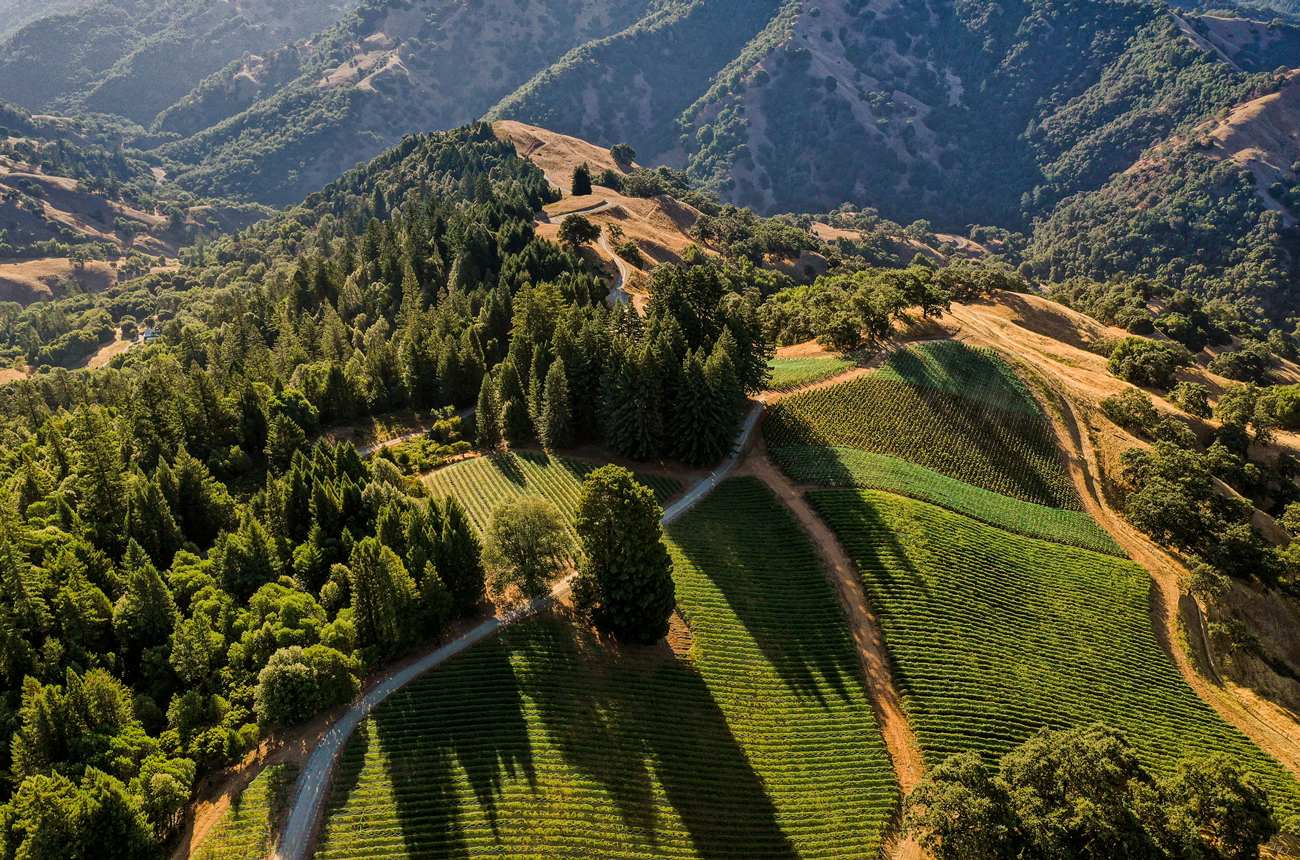 Why California's Mediterranean varieties are about to have their moment in the sun
There's much more to California than Cabernet and Chardonnay...
-
 Mission DRC? The Yquem affair? A look at some of the most exciting wine heists
Not Hollywood scripts but rather very real cases of brash robbery and deceit. Some of which remain unresolved.


-
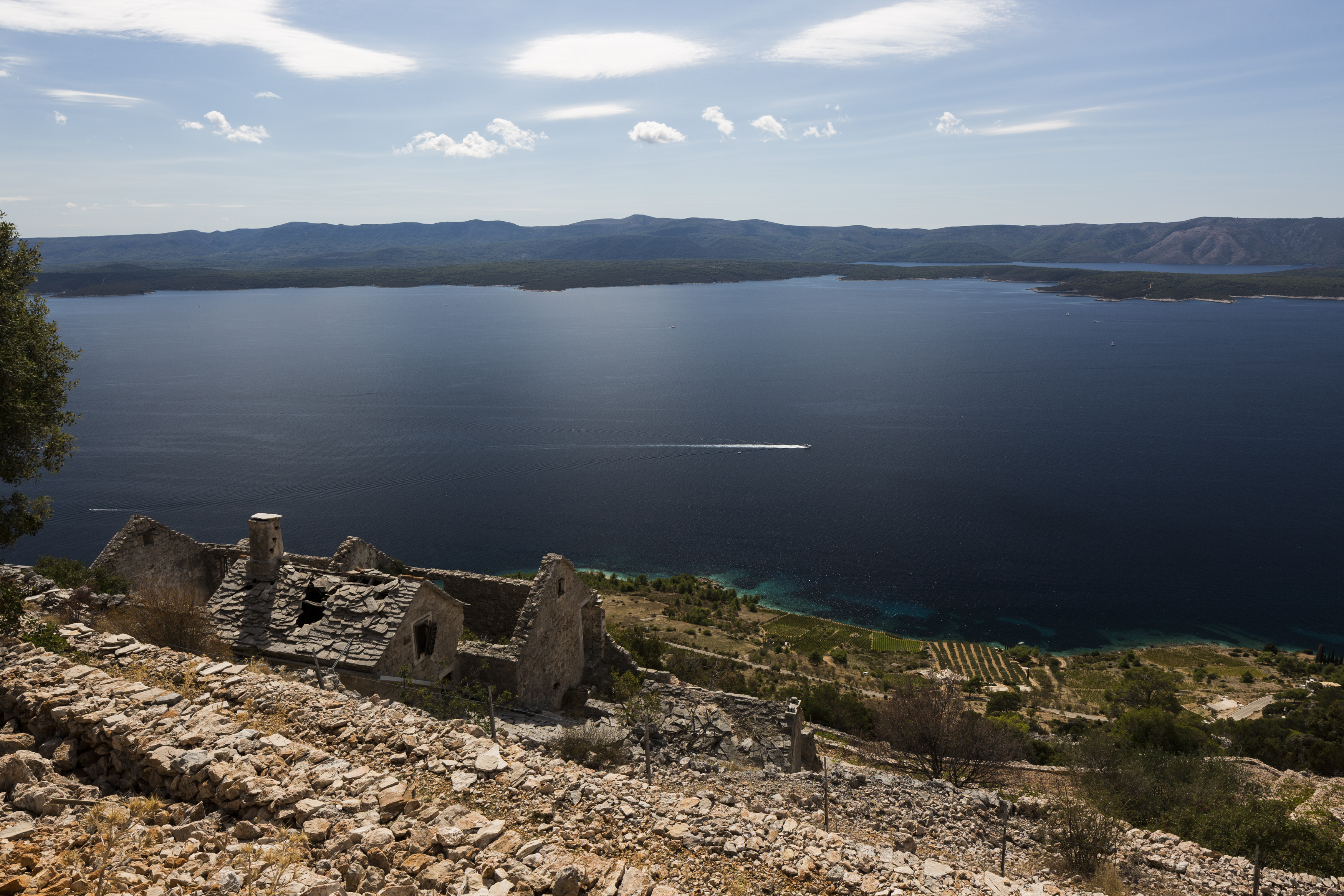 Dalmatia: Where to enjoy the stillness of fjaka
Sponsored Content When Dalmatia slows down in the early afternoon, here are some perfect places to enjoy a little dreaminess.
-
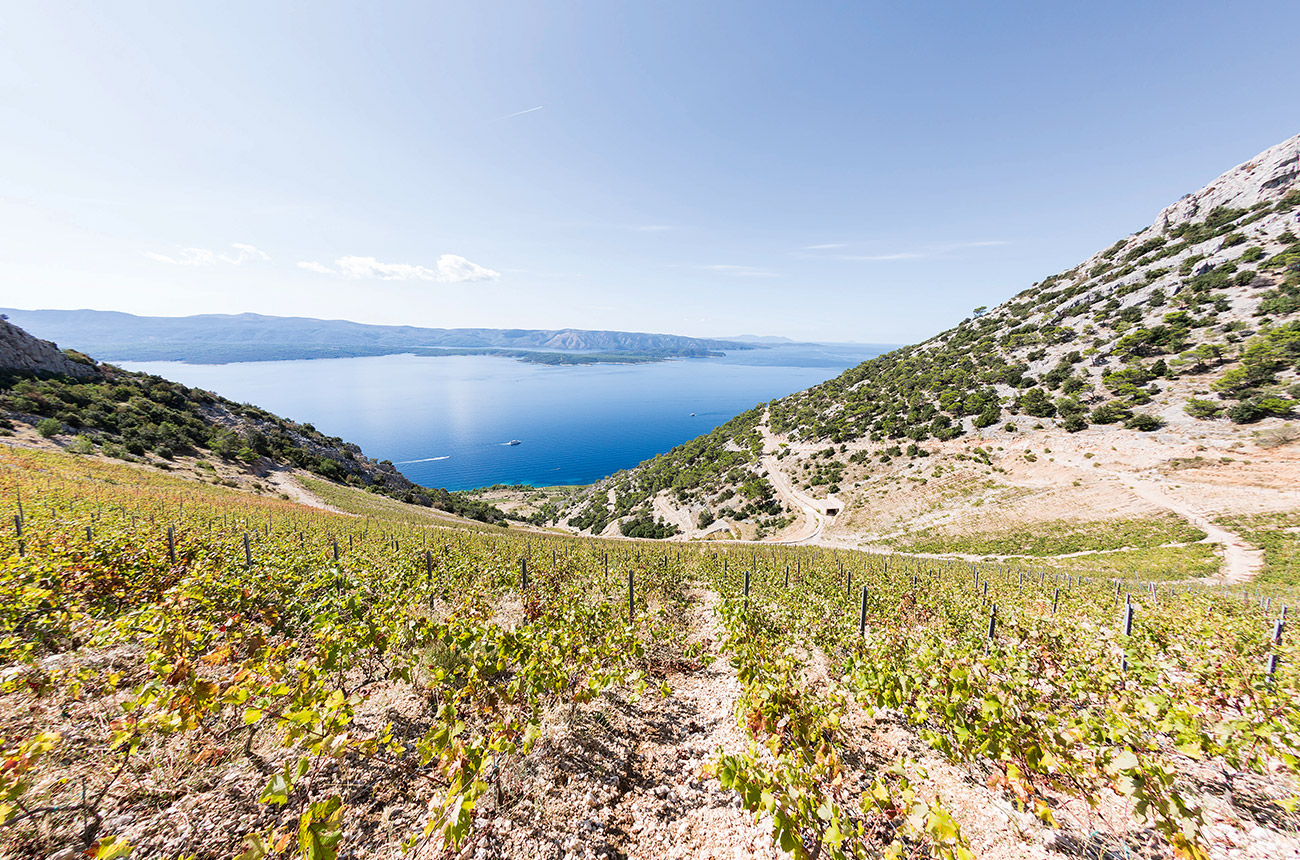 Dalmatia: The crimson coast
Sponsored Content Sun-kissed by the shores of the Adriatic, Dalmatia’s vineyards are home to bold and inviting red wines with plenty of potential.
-
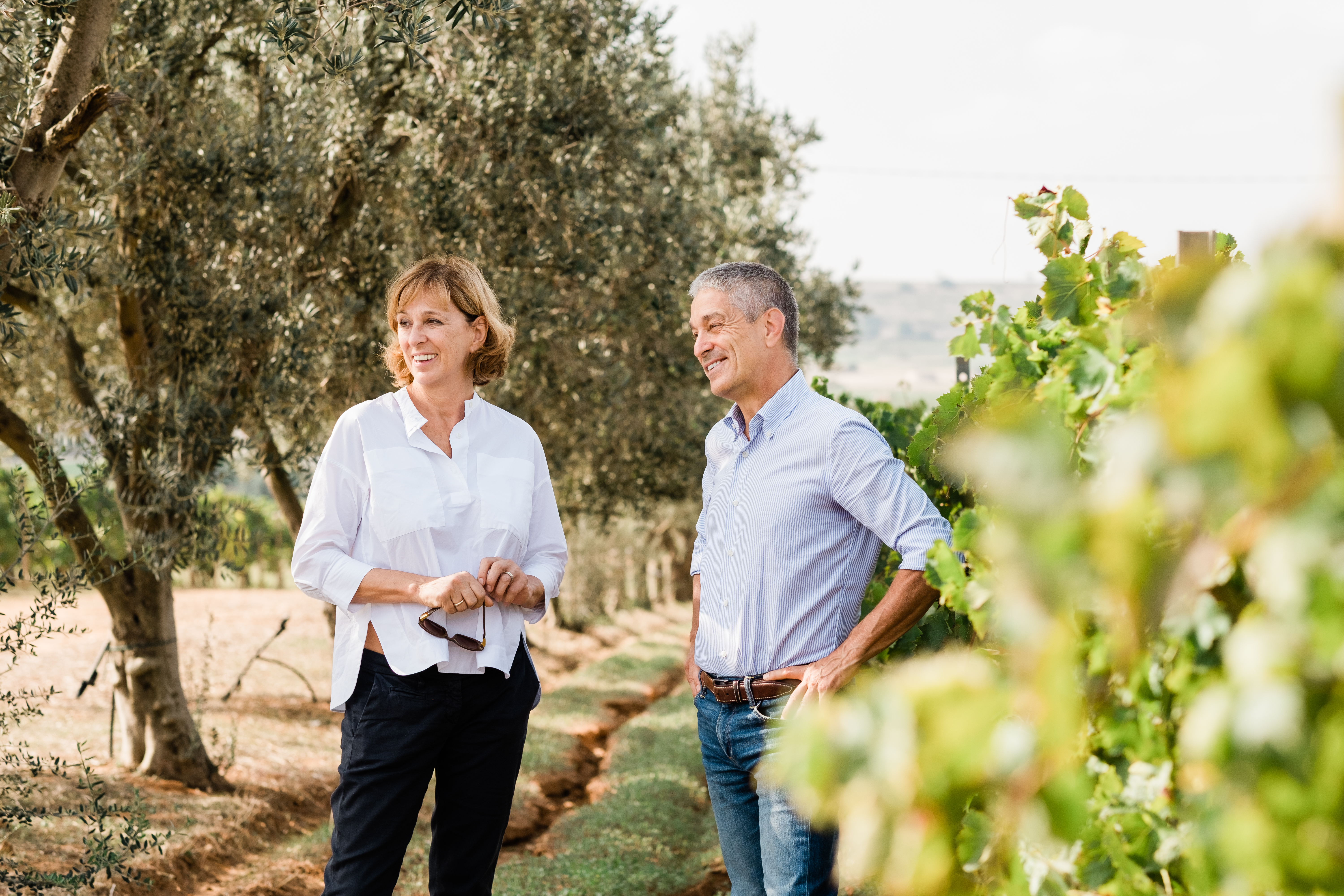 Azienda Agricola Cortese: Championing sustainability in the heart of Sicily
Sponsored Content Meet the winemakers using ancient techniques and sustainable practices to create fresh, modern interpretations of Sicilian varieties
-
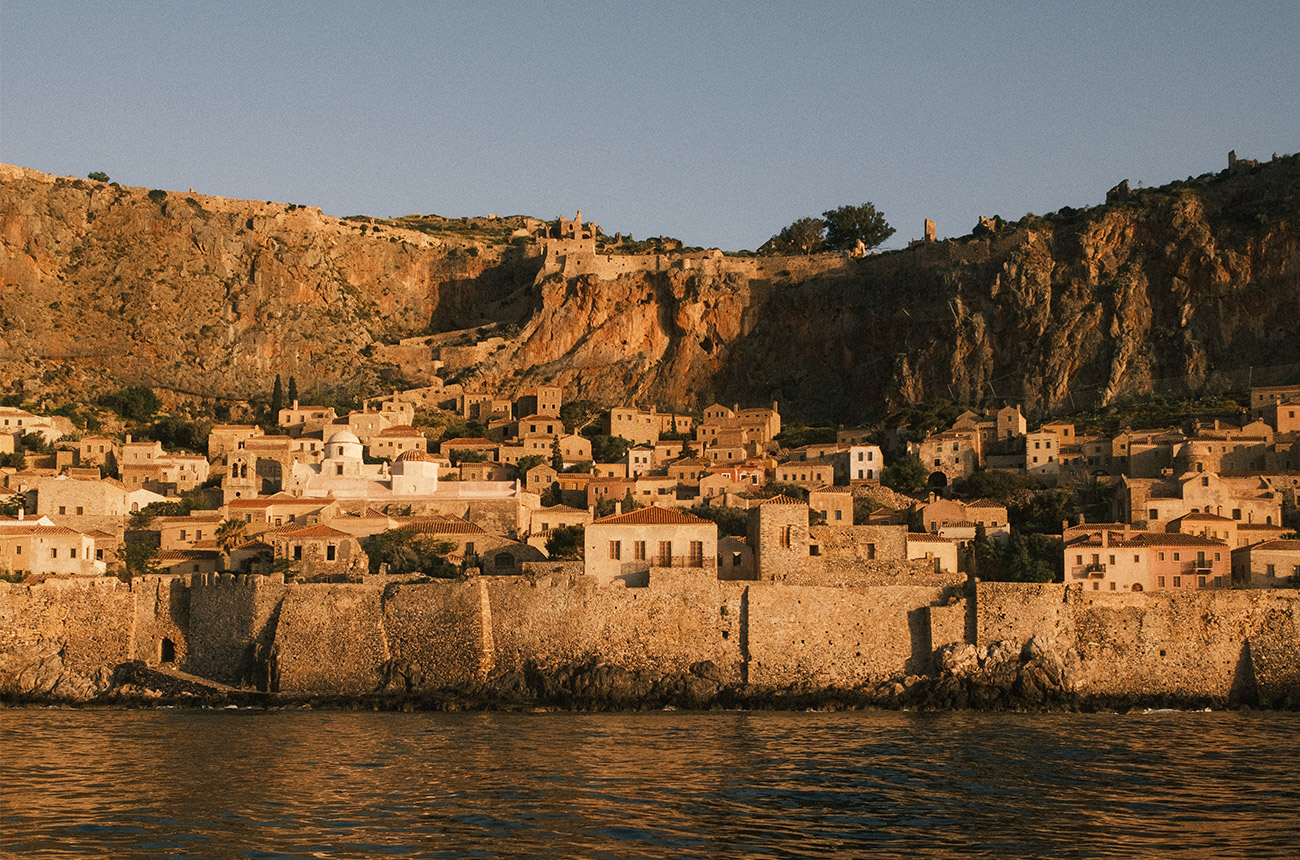 Monemvasia Winery – Tsimbidi: Bringing an ancient wine into the modern age
Sponsored Content George and Elli Tsimbidi’s winery not only revived one of history's most famous wines but is now breathing fresh life into other native Greek varieties.
-
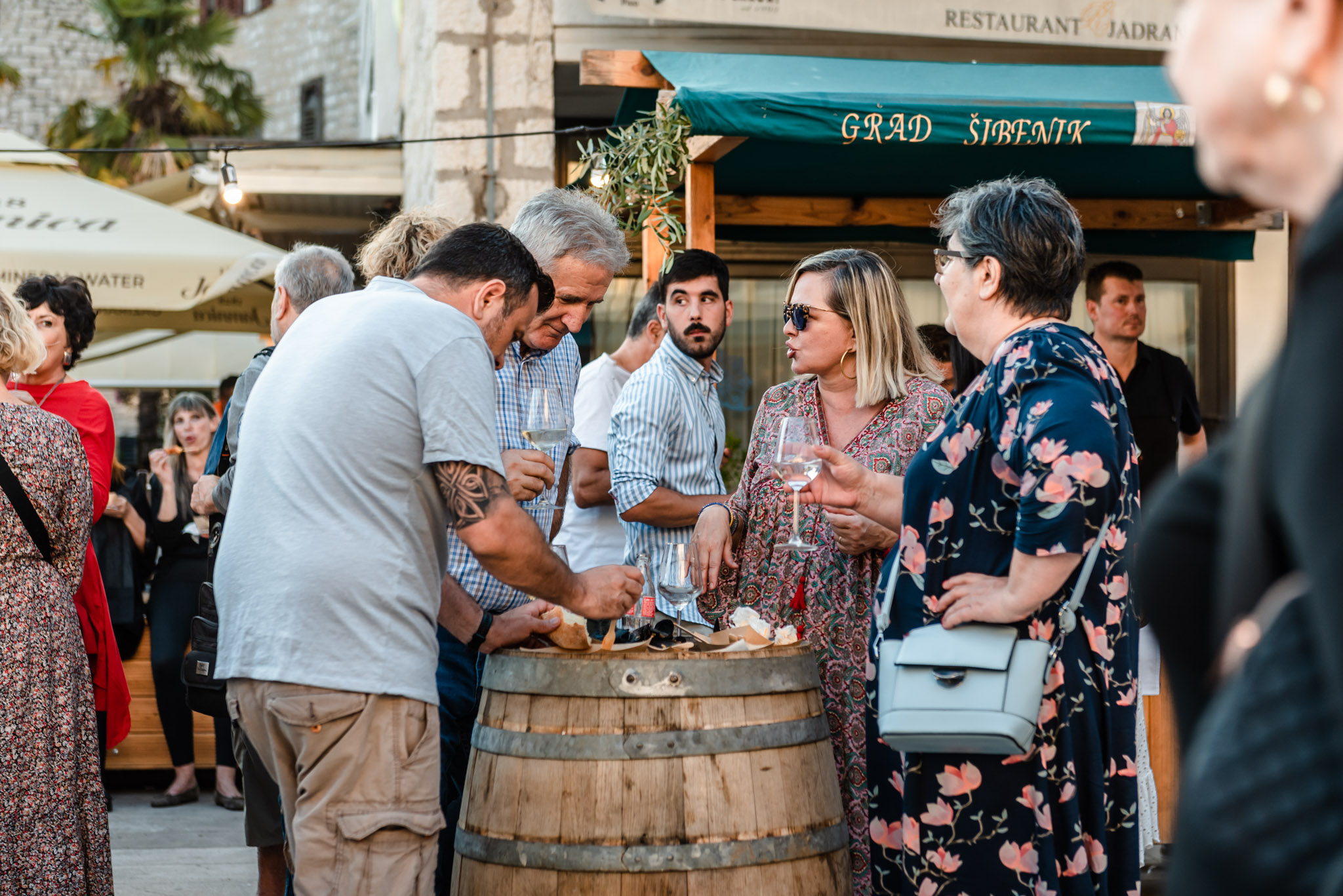 Marenda – A Dalmatian ritual
Sponsored Content What started as a work break has become a well-observed tradition in Dalmatia – one that pairs perfectly with local wine.
-
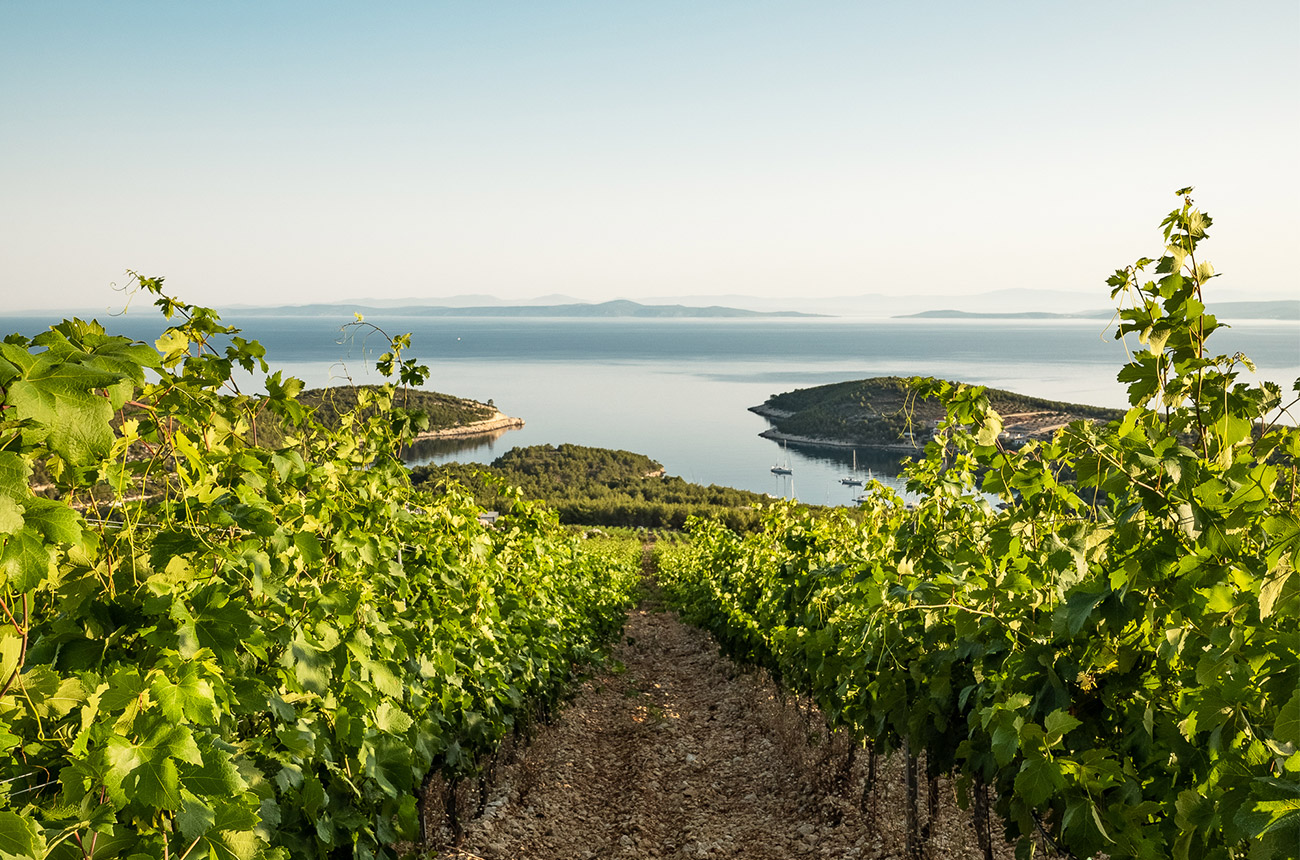 Dalmatia's hall of fame: DWWA winners
Sponsored Content Discover a selection of medal-winning Dalmatian wines from the Decanter World Wine Awards.
-
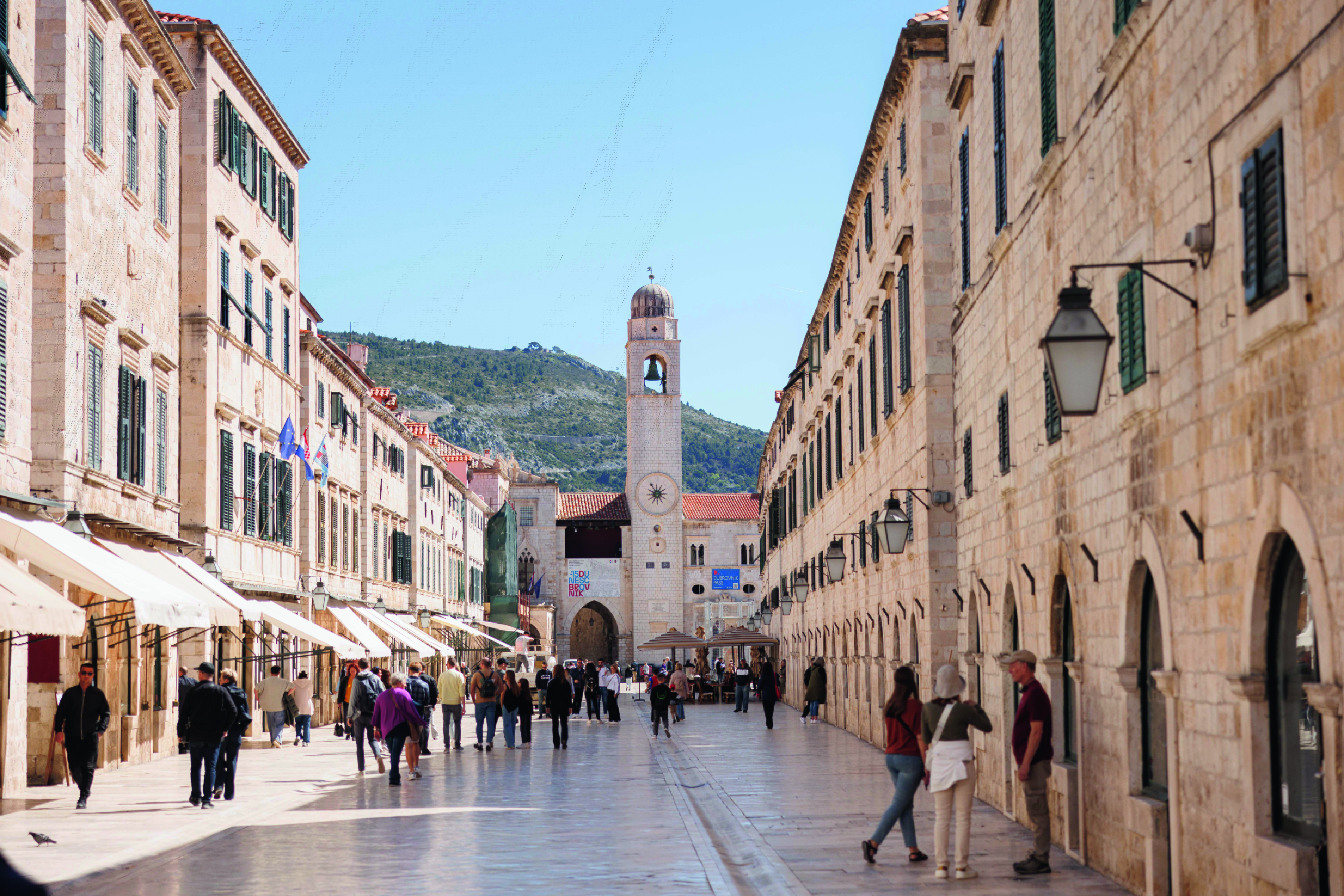 Pomalo: Dalmatia's answer to hustle culture
Sponsored Content A state of mind in Dalmatia, pomalo, which roughly translates as ‘take it easy’, sets the pace of life in this scenic region of Croatia.
-
 A Maldives paradise for wine lovers
Sponsored Content The unique wine culture at OZEN RESERVE BOLIFUSHI extends well beyond its carefully curated list with expert tastings, creative pairings and unexpected discoveries to make lasting holiday memories.


