

About the size of Washington State, Uruguay is a boutique wine country in dimension, but not in outlook. With more than 99 soil types, it has a rich tapestry of wine terroirs, each of which carries its own identity and story.
Canelones and Maldonado
Almost half of Uruguay’s population lives in Montevideo, so it’s no surprise that the main wine region developed on its doorstep, in the surrounding province of Canelones. Between Canelones and the capital city of Montevideo lie 80% of Uruguay’s vineyards, which carpet the gently undulating surrounding hills.
Vines thrive in the local rich clay soils and there is a great diversity of grape varieties, from Nero d’Avola to Tempranillo and more, which reflect the various immigrant heritage stories of the wine families based here. The mild coastal climate results in fragrant white wines and structured but balanced reds, the most well known of which is Tannat.
The western coast
Heading towards the west to where the River Plate joins Uruguay with neighbouring Argentina lie Colonia and San José. In San José, vineyards are planted among a network of rivers that pour out into the coast. Particularly notable are the vineyards planted on the schist outcrop of Sierra de Mahoma, which produce distinctive mineral wines.

At the far end of Uruguay’s western coast is Colonia, the province named after its handsome cobblestoned capital Colonia del Sacramento. This pastoral region is home to Uruguay’s oldest winery, Los Cerros de San Juan, founded in 1854. The large estuary frames the province from the west and south creating a slightly warmer climate that best suits ripe, bold red wines. Some of the most sought-after wines from the region come from pebble and river-rock soils, which extend up to the province of Soriano to the north.
Inland Uruguay
Further north and beyond the coastal belt lie the inland wine regions including Durazno, Paysandú, Florida and Artigas. One of the best known inland regions is Salto, where French Basque settler Pascual Harraigue became the first grower to plant the variety in Uruguay, in 1870. Another region making waves is Rivera, which kisses Brazil to the east, where deep, rich red soils are making age-worthy red wines in a variety of styles, from Nebbiolo to Pinot Noir.
The eastern coast
To Montevideo’s east, the coastal region of Maldonado has quickly shot to fame. With a slightly cooler coastal influence and poor, typically granite soils, the region has been propelled into the limelight for its fragrant and fresh Tannat and its mouthwatering Albariño. Maldonado is home to many of the newest wineries in Uruguay and is a hub of innovation today. Exploration hasn’t stopped there, with new vineyards also emerging in Rocha and Lavalleja. Uruguay hasn’t finished drawing its wine map just yet.
Discover more: www.uruguay.wine


-
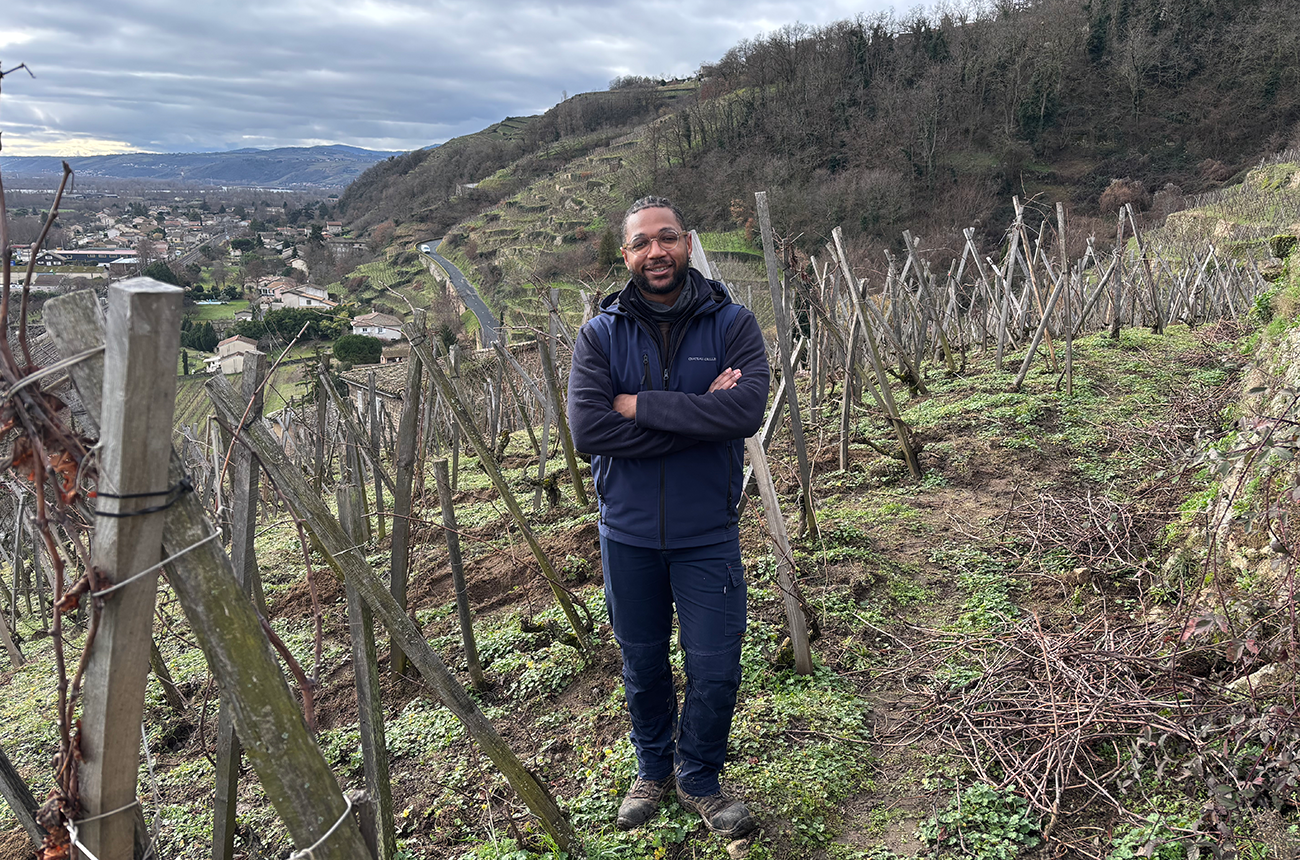 Meet the new technical manager of Château-Grillet on its 90th anniversary
One appellation, one estate, one grape variety, 3.5ha. Matt Walls checks in on this legendary Rhône white, 90 years after it gained appellation status.
-
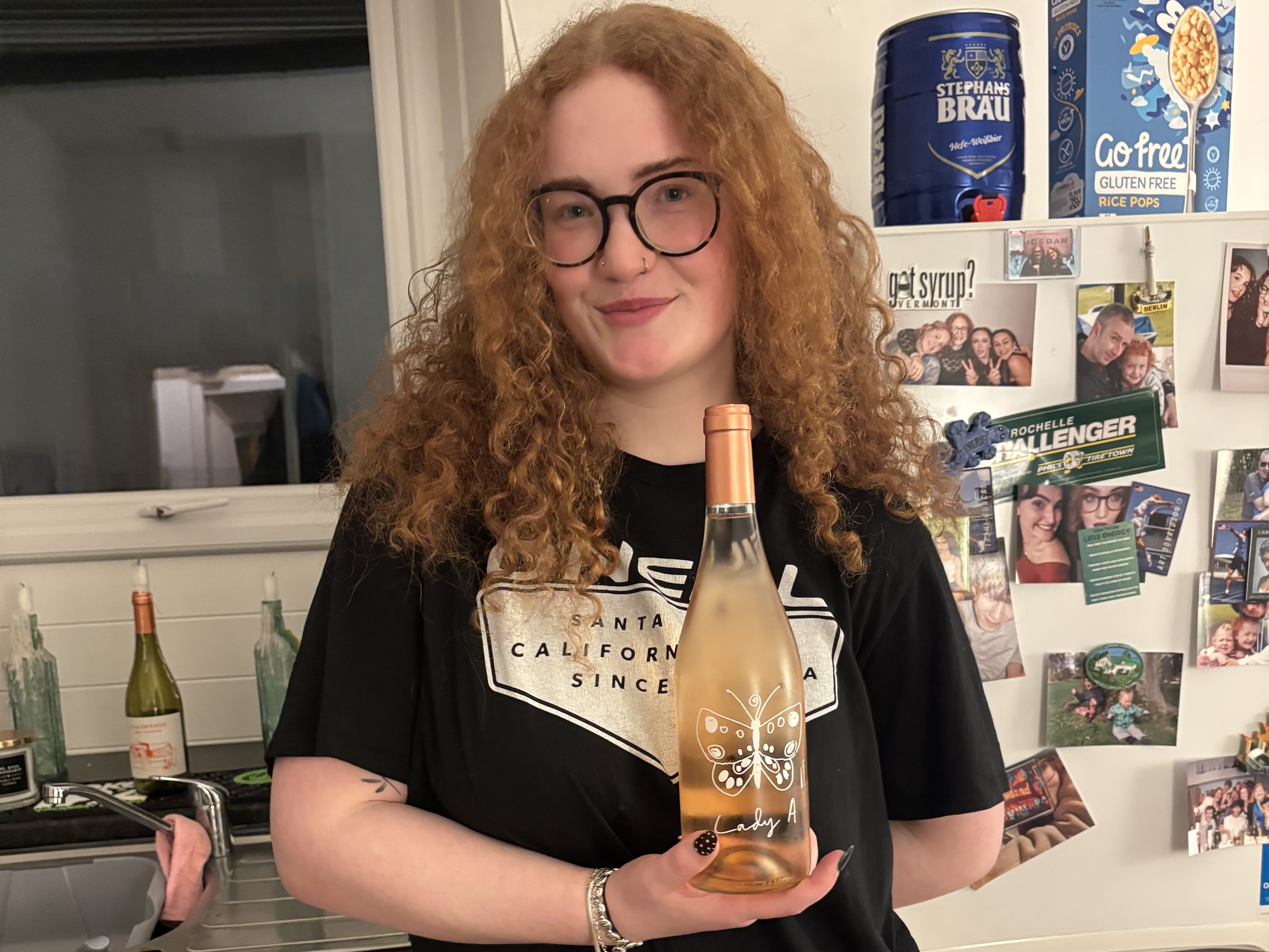 Gen Z Wine Challenge: Amelia, 21
In a new Decanter series, 18- to 29-year olds around the world give their honest opinion about a wine they've splashed out on – and if it was worth the cash.


-
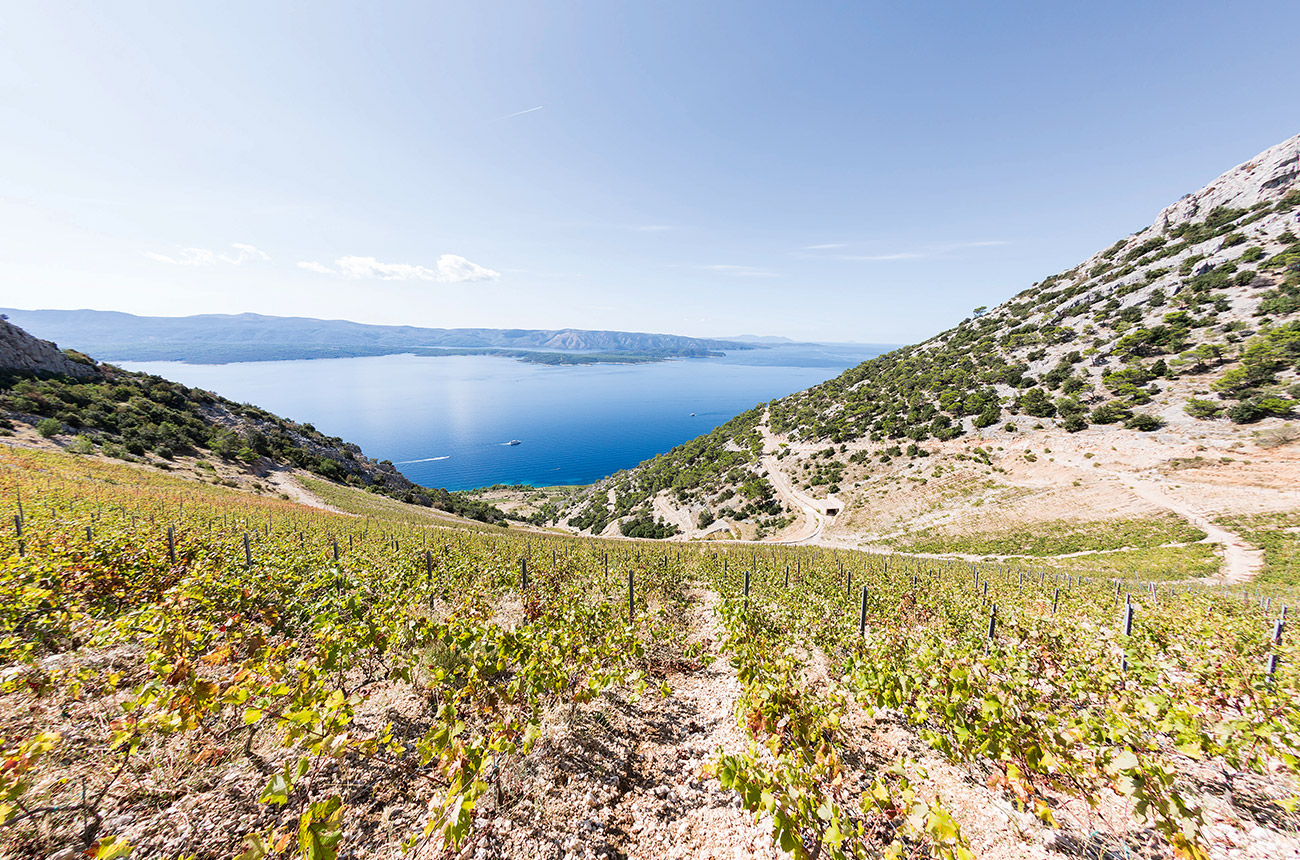 Dalmatia: The crimson coast
Sponsored Content Sun-kissed by the shores of the Adriatic, Dalmatia’s vineyards are home to bold and inviting red wines with plenty of potential.
-
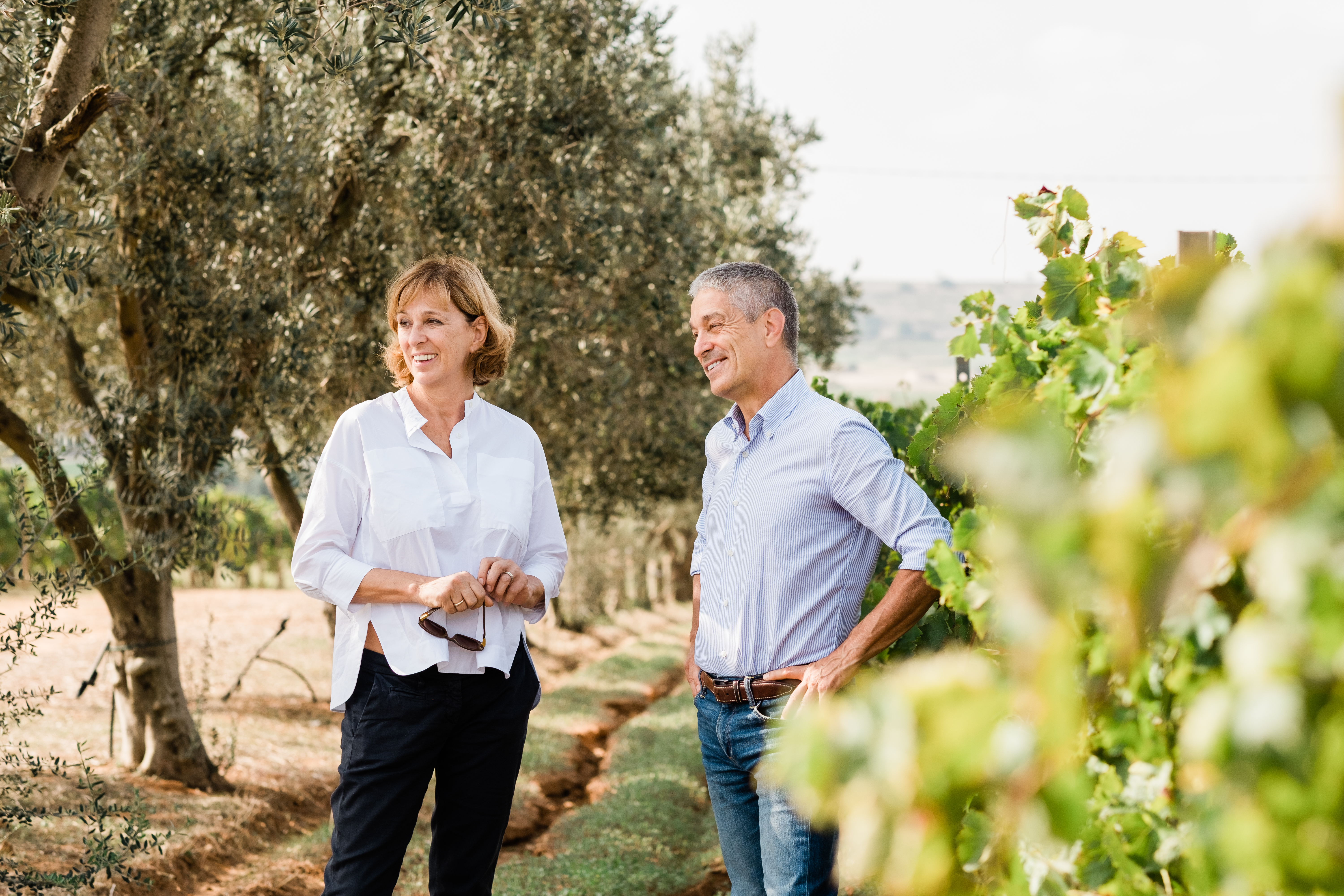 Azienda Agricola Cortese: Championing sustainability in the heart of Sicily
Sponsored Content Meet the winemakers using ancient techniques and sustainable practices to create fresh, modern interpretations of Sicilian varieties
-
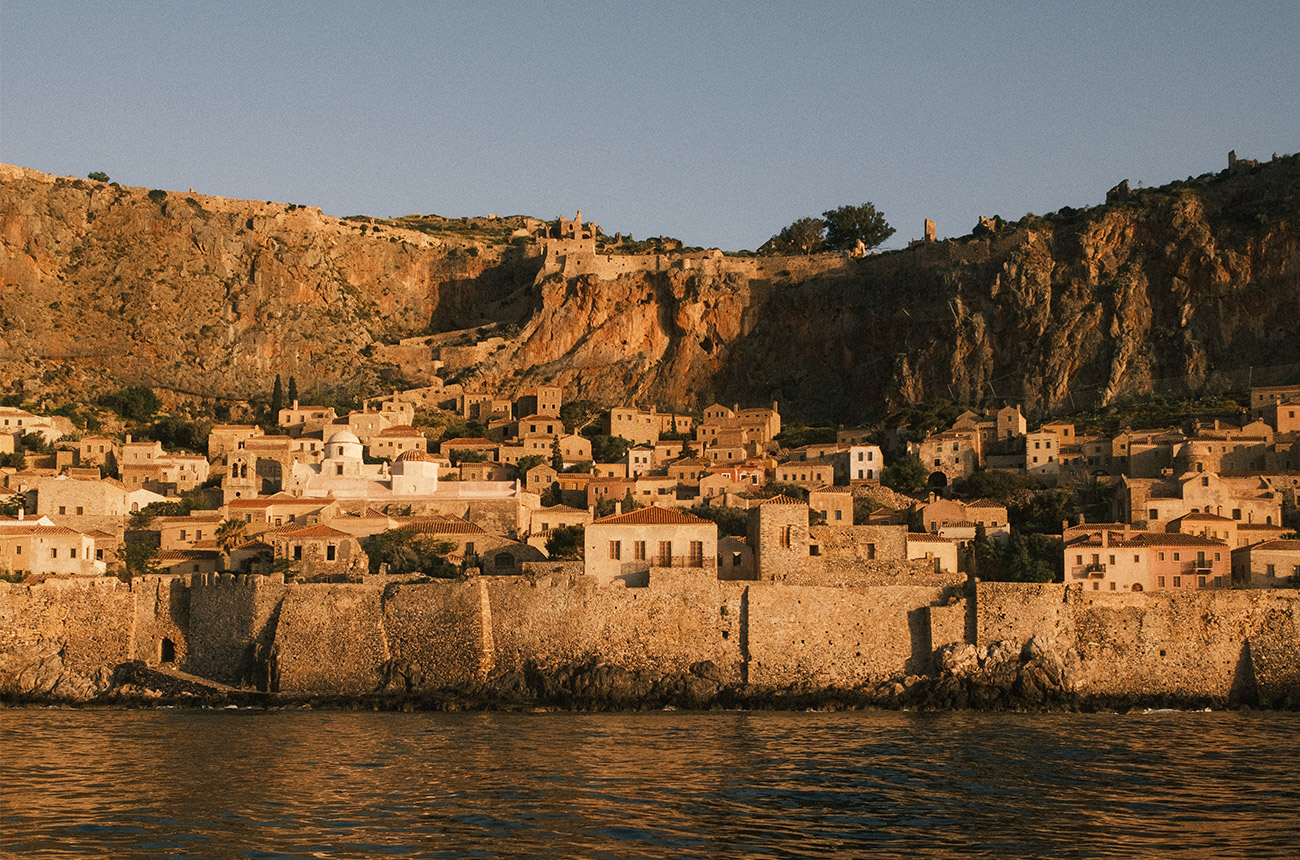 Monemvasia Winery – Tsimbidi: Bringing an ancient wine into the modern age
Sponsored Content George and Elli Tsimbidi’s winery not only revived one of history's most famous wines but is now breathing fresh life into other native Greek varieties.
-
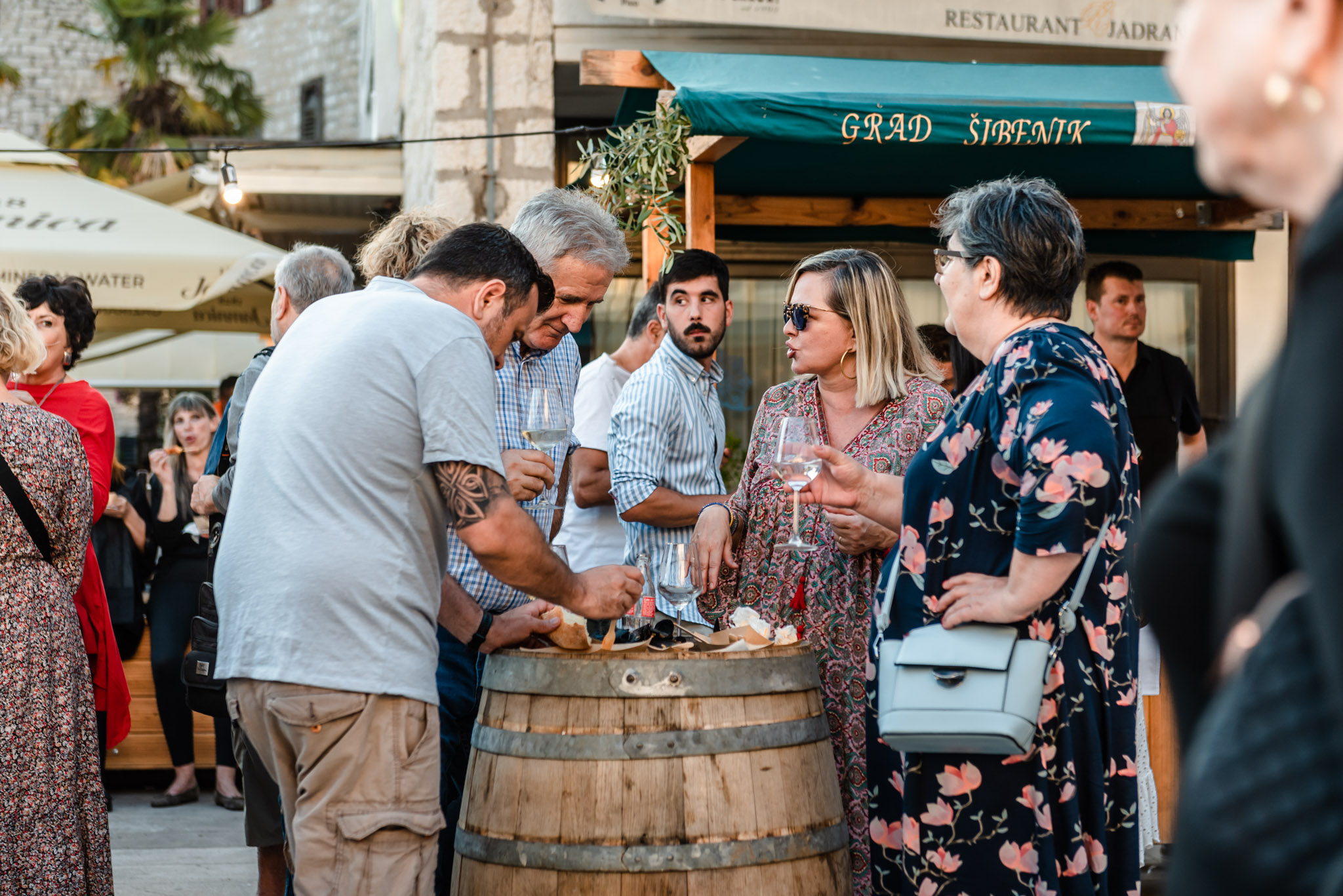 Marenda – A Dalmatian ritual
Sponsored Content What started as a work break has become a well-observed tradition in Dalmatia – one that pairs perfectly with local wine.
-
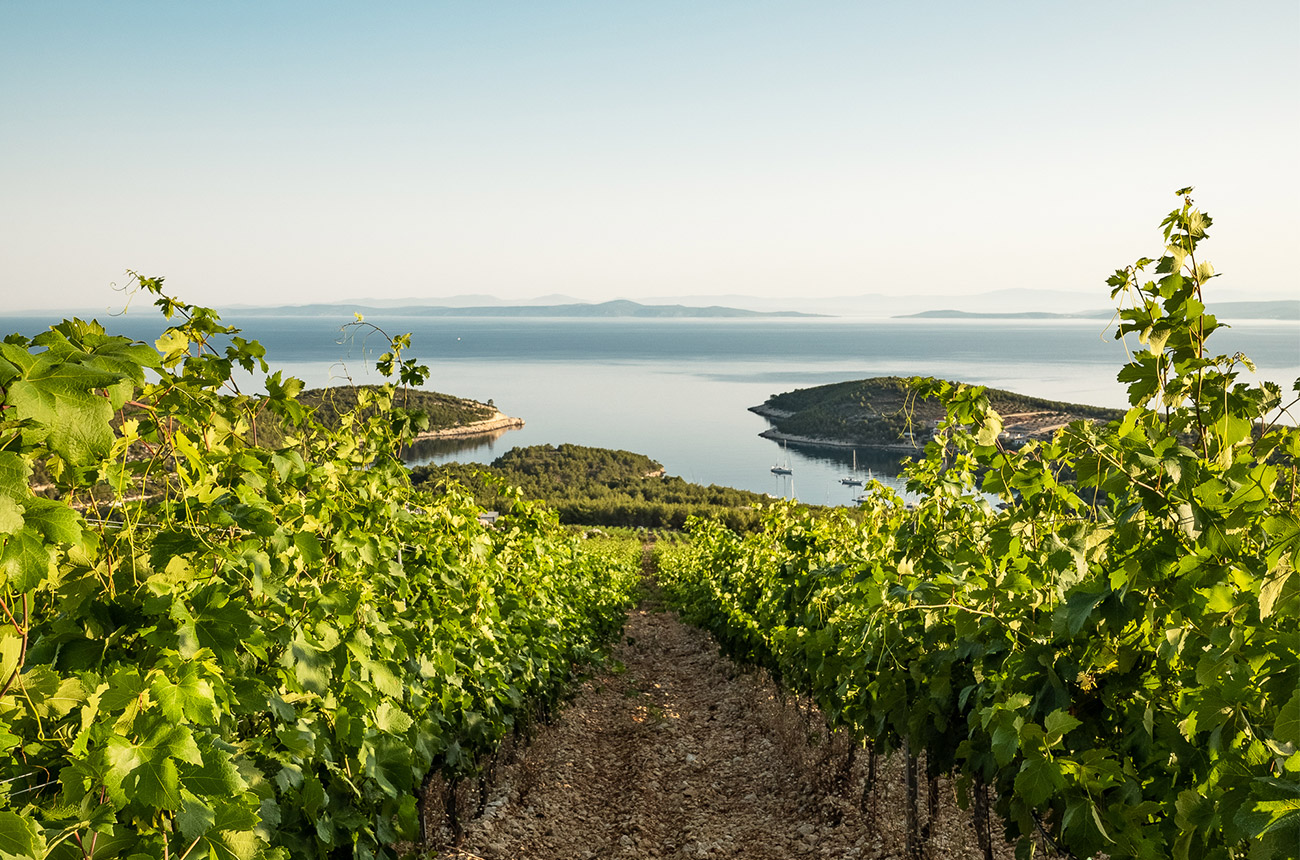 Dalmatia's hall of fame: DWWA winners
Sponsored Content Discover a selection of medal-winning Dalmatian wines from the Decanter World Wine Awards.
-
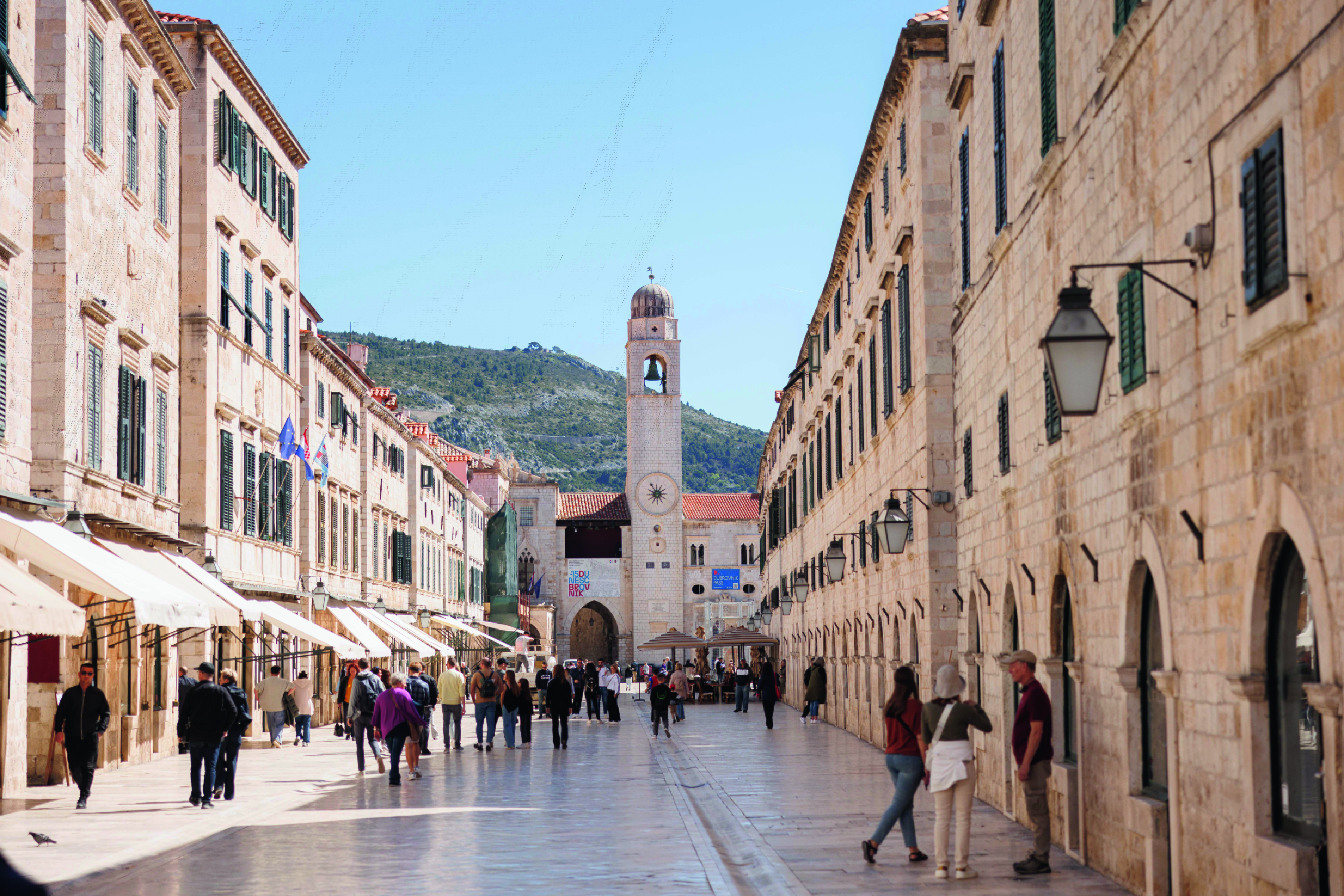 Pomalo: Dalmatia's answer to hustle culture
Sponsored Content A state of mind in Dalmatia, pomalo, which roughly translates as ‘take it easy’, sets the pace of life in this scenic region of Croatia.
-
 A Maldives paradise for wine lovers
Sponsored Content The unique wine culture at OZEN RESERVE BOLIFUSHI extends well beyond its carefully curated list with expert tastings, creative pairings and unexpected discoveries to make lasting holiday memories.
-
 Shaping the future of wine & spirits: What’s new at ProWein Düsseldorf?
Sponsored content Returning on 15 – 17 March in Düsseldorf – discover what's new at ProWein in 2026...


