

At Finca San Blas, sustainability and biodiversity are not abstract goals embraced as a trend; they are the core concepts upon which the estate’s management is based. More than a commercial venture, San Blas is foremost a social and environmental enterprise whose main goal is the preservation of the 600 hectares of lands it spans across.
The pursuit of balance
Rather than ‘managing’ the estate, the team at San Blas is guided by the land’s needs, taking its product respectfully, without compromising its overall balance. Human presence is seen as yet another element in a rich web of natural resources, whose primary responsibility is to value and encourage their preservation and balance.
The team at San Blas has been notoriously active among a group of stakeholders questioning the widespread installation of solar farms which could have a significant negative impact on Utiel-Requena’s ecosystems. Underpinning this initiative is the understanding of the landscape as an irreplaceable, collective resource.

Reflective winemaking
Viticulture and winemaking at San Blas reflect the same ethos that guides the management of the estate as a whole. The wines of San Blas are simply, and decisively, a natural byproduct of the landscape, of which the estate’s 55ha of vines are but a small part. They are elements in a complex, complementary ecosystem in which balance is achieved through a self-sustaining, dynamic interplay.
Terroir expressiveness is therefore interpreted not just as a stylistic but also philosophical trait of the wines, as they capture the essence of the place well beyond the perimeter of the vineyards.
To achieve this the work in both vineyard and cellar is mindful, gentle and attuned to the specificities of each plot, variety and vintage. All fruit is hand-harvested and transported to the winery in 10kg cases where it is carefully selected, also by hand.
There’s a distinct quietness when arriving at the estate’s winery, cradled by gently-sloping hills. As if time stood still, it’s possible to listen to the pine needles rustling in the wind and the gentle humming of bees. This quiet energy permeates the winery itself, where the slope has been integrated in the design to allow for transfers to happen by gravity.
Winemaking at San Blas therefore becomes almost an act of environmental activism. Rather than a strict programmatic approach, the wines are a result of the humble interpretation of terroir, with a focus on elegance and detail. A statement of the commitment to the landscape and the need to preserve it as a complex living organism.

Two wines that capture the sustainability approach of Finca San Blas

Conveniencia
50% Merseguera, 25% Chardonnay and 25% Pinot Noir
This wine’s name evokes the landscape’s ability to seek its own equilibrium, through sinuous adaptability – Conveniencia was formerly a river, having left behind sediments of different size and composition, and is now a path. The blend is itself a reflection of a quest for balance with Merseguera adding rich fruit, Chardonnay fleshy citrus and citrus, and Pinot Noir, structure and poise. The varieties are fermented separately and kept in stainless steel for five months, with gradual removal of the lees. This adds structure and depth to an otherwise fruit-forward wine, with alluring touches of fennel and thyme. Long finish with a pleasant, refreshing bitter twist.

La Senda del Caballo
100% Bobal
With a limited production of 1,150 bottles, this is an expressive Bobal from a vineyard planted at 750 metres above sea level. The name refers to the path (senda), along which horses (caballos) can cross the hills, that borders the plot. Natural fermentation in 500-litre vats followed by 12 months in oak foudres. Only first press wine goes into the final bottling. The wine echoes the aromas of the woods and herbs that surround the vineyard, with oregano, thyme and tarragon adding balsamic vibrancy to the deep black fruit. Lovely acidity throughout. Great verve, supported by refreshing tannins.
Discover more about Finca San Blas
Explore DO Utiel-Requena and its flagship producers


-
 Understanding the science of wine tasting will allow us to disrupt the status quo
Throw away the conventions of wine tasting...
-
 Baijiu basics: Get to know the world’s most valuable spirit
Never heard of baijiu? You’re not alone. Adele Irimiea meets Ben Salguero, who is on a mission to bring China’s national spirit into the Western mainstream.

-
 Dalmatia: Where to enjoy the stillness of fjaka
Sponsored Content When Dalmatia slows down in the early afternoon, here are some perfect places to enjoy a little dreaminess.
-
 Dalmatia: The crimson coast
Sponsored Content Sun-kissed by the shores of the Adriatic, Dalmatia’s vineyards are home to bold and inviting red wines with plenty of potential.
-
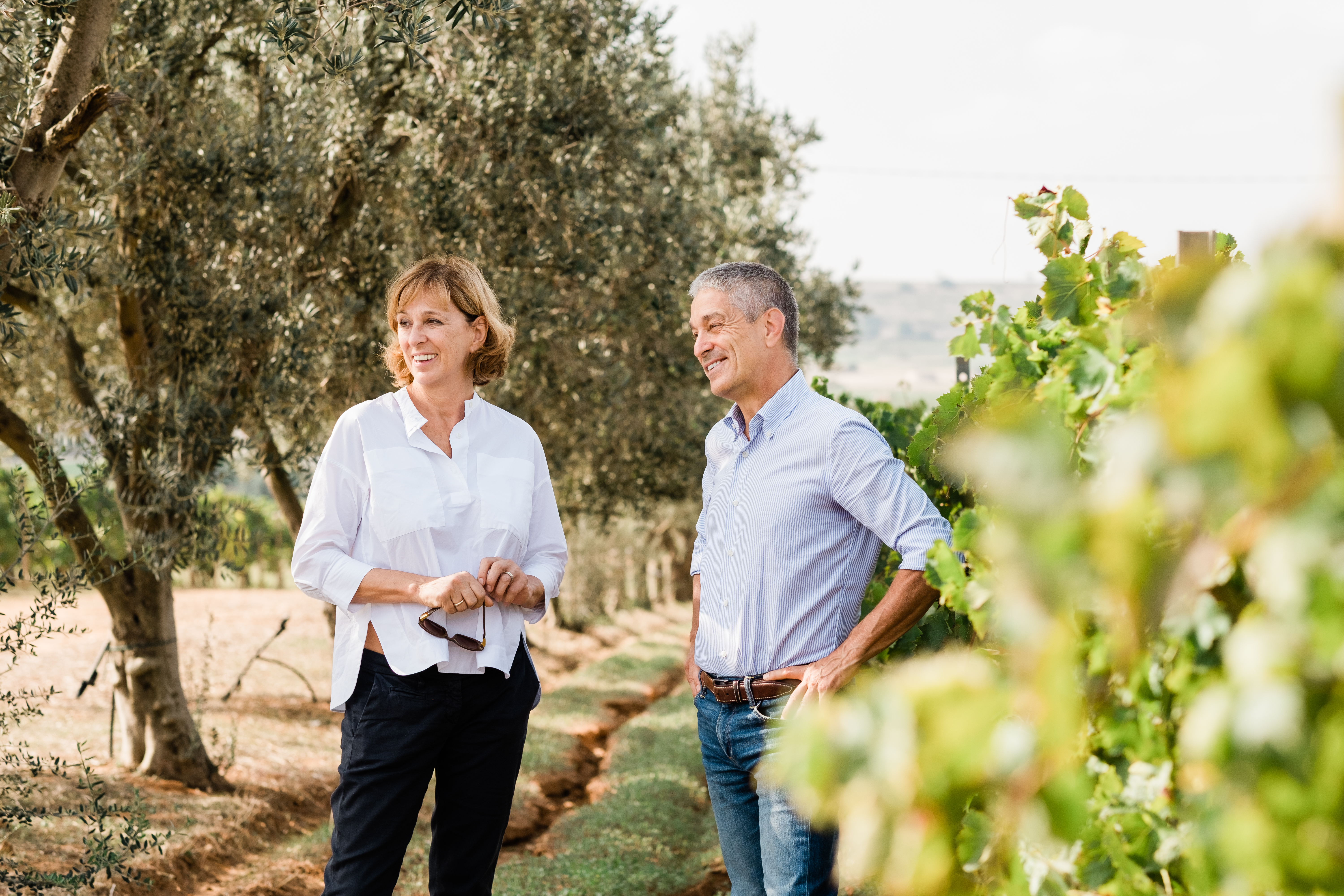 Azienda Agricola Cortese: Championing sustainability in the heart of Sicily
Sponsored Content Meet the winemakers using ancient techniques and sustainable practices to create fresh, modern interpretations of Sicilian varieties
-
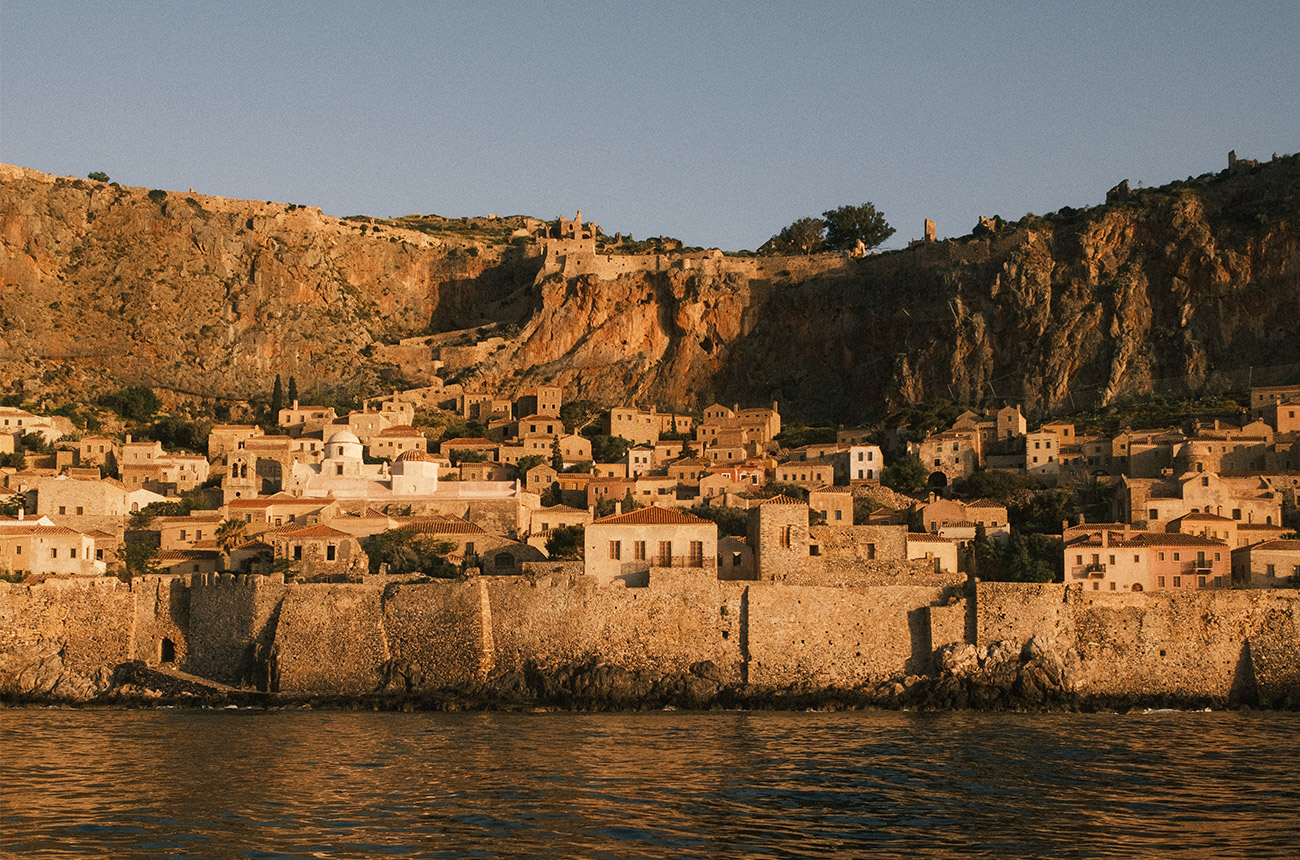 Monemvasia Winery – Tsimbidi: Bringing an ancient wine into the modern age
Sponsored Content George and Elli Tsimbidi’s winery not only revived one of history's most famous wines but is now breathing fresh life into other native Greek varieties.
-
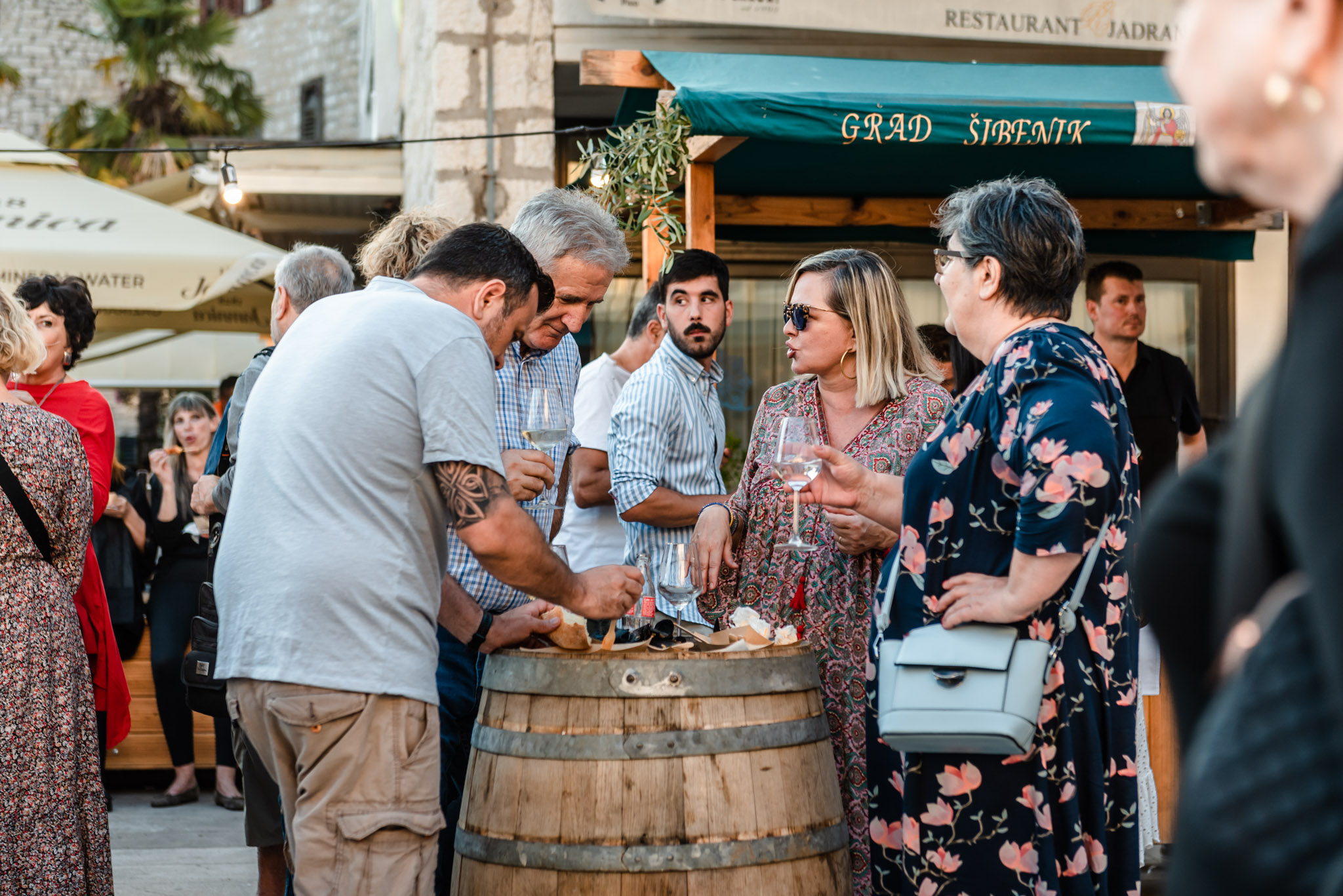 Marenda – A Dalmatian ritual
Sponsored Content What started as a work break has become a well-observed tradition in Dalmatia – one that pairs perfectly with local wine.
-
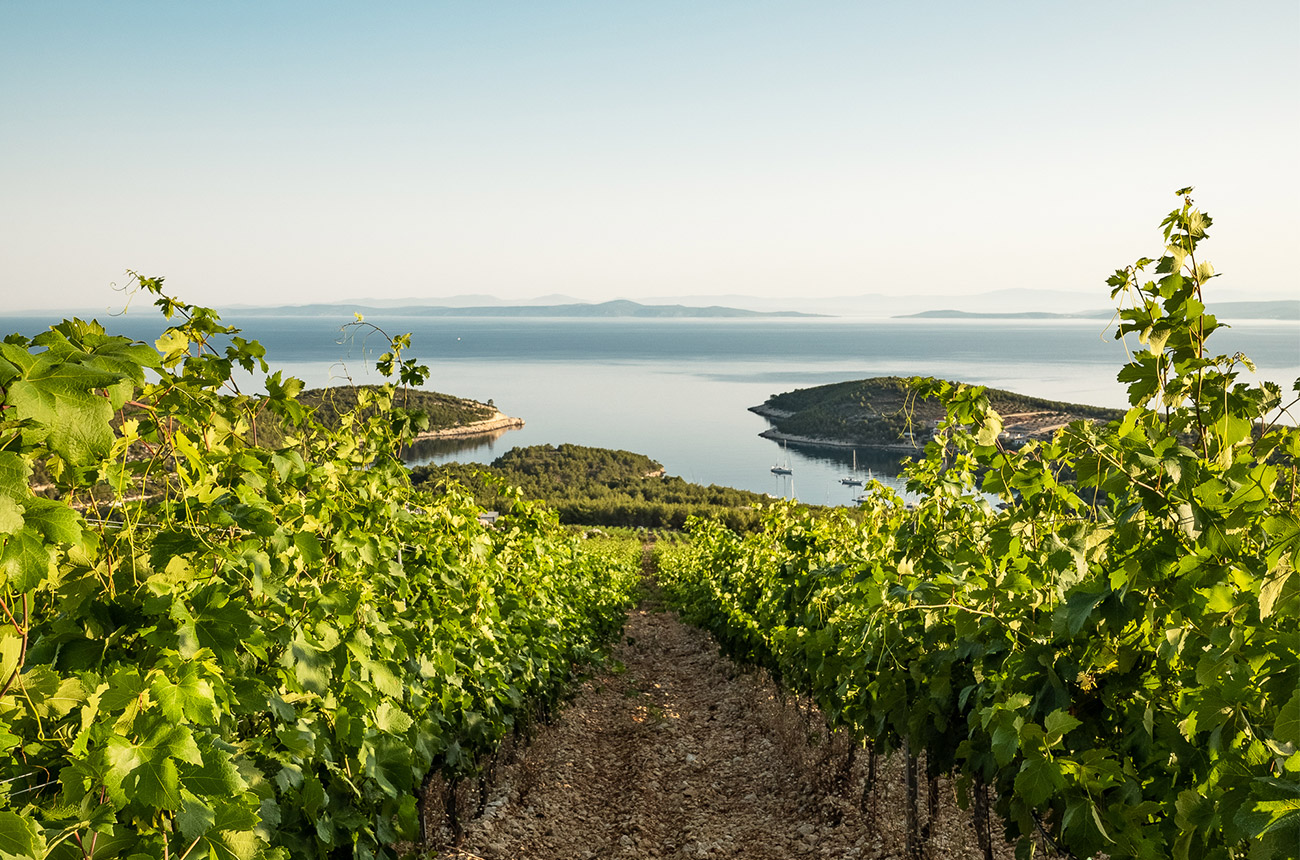 Dalmatia's hall of fame: DWWA winners
Sponsored Content Discover a selection of medal-winning Dalmatian wines from the Decanter World Wine Awards.
-
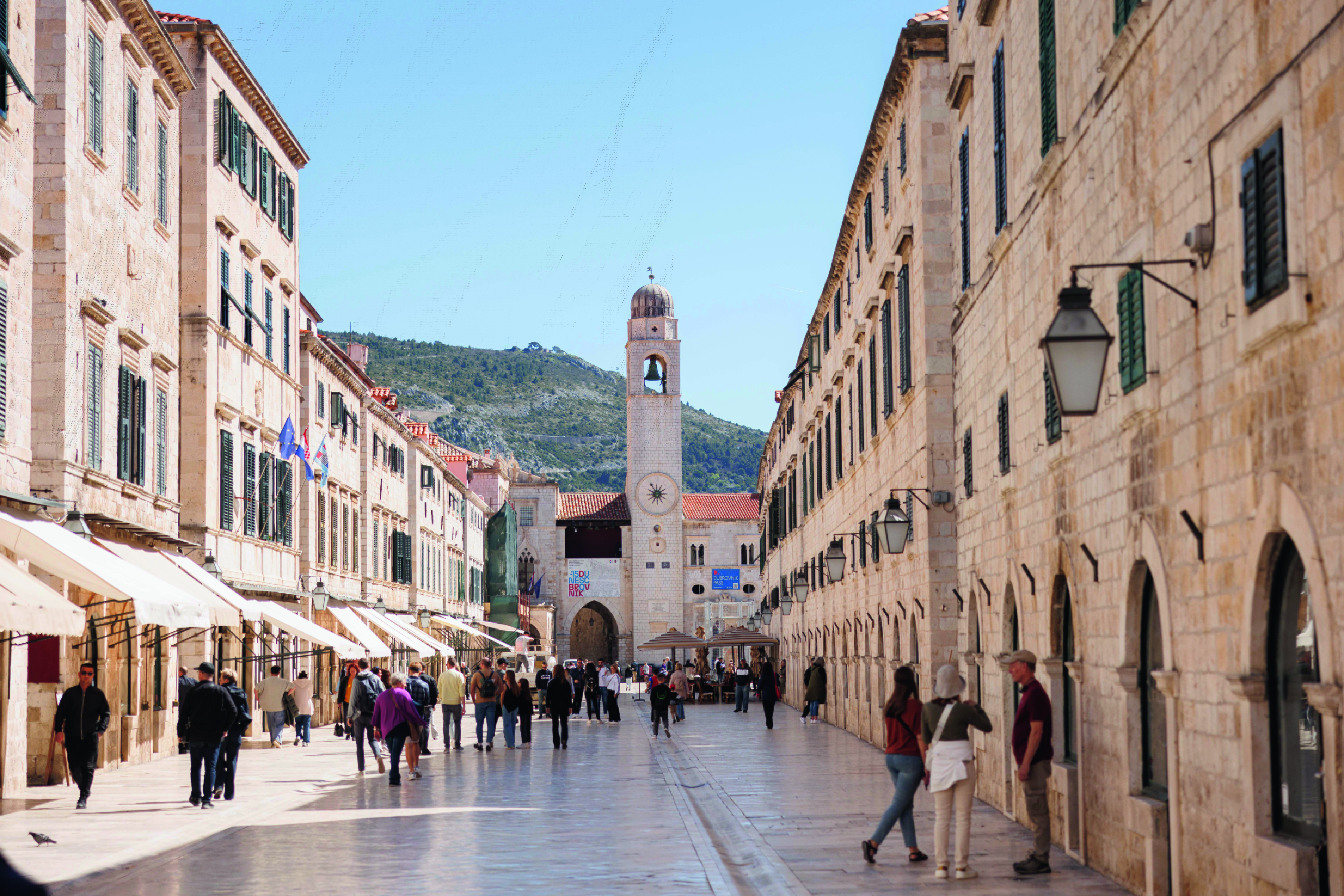 Pomalo: Dalmatia's answer to hustle culture
Sponsored Content A state of mind in Dalmatia, pomalo, which roughly translates as ‘take it easy’, sets the pace of life in this scenic region of Croatia.
-
 A Maldives paradise for wine lovers
Sponsored Content The unique wine culture at OZEN RESERVE BOLIFUSHI extends well beyond its carefully curated list with expert tastings, creative pairings and unexpected discoveries to make lasting holiday memories.


