

So what do you want in this year of 2021? This challenging year. This disturbing year. This unpredictable year that just might lead to an explosion of creativity and innovation. Just might. What do you want?
Do you want wines that challenge you? Do you want wines whose flavours might even shake you out of any complacency you might be possessed of? Do you want to be faced with a thrilling unpredictability when you ease the cork out of a bottle? Are you ready to cope with the possibility that there is a brave new world of wine out there – and that it’s on our doorstep in Europe. And it’s not even new!
But it isn’t a Europe we necessarily know. Not France, or Spain, or Italy. Not a world of Bordeaux and Burgundy, Chianti, Barolo and Rioja. This is a world of incomprehensible place names, barely pronounceable grape varieties, and a sturdy, ruddy-faced culture that is in Europe, but caught between East and West, and is eventually, magnificently, memorably, its own.
Hungary. Whose language is supposedly the most difficult in the world to learn. Hungary. Whose sweet wine, Tokaji, was world-famous centuries ago, and is now world-famous again, and whose thrilling ballet dance between sweetness and sourness and wildness is unique in the world of wine. Hungary. Once thought of as being burdened with a bunch of grape varieties no one recognised or craved, but now envied for having such a battery of flavour missiles to offer to a wine world yearning for something new, something refreshingly, intriguingly different. Hungary. It’s all here – and 2021 is the year we should find out how good it is.
Let’s look at the place first. We may expect Hungary to be a red wine country – maybe because of its lusty paprika and pepper-enhanced cuisine. Perhaps because Bull’s Blood was such a memorable name for her most famous red wine. But Hungary is due east of Austria and Slovenia, both best known for whites. And she shares the Danube with Slovakia, Croatia and Serbia – again, countries better at white than red.
Hungary has 34 indigenous grape varieties, and counting – 25 of these are white, only seven red, with a couple of pinks. And the reds which make her most distinctive wines, varieties such as Kékfrankos and Kadarka, though long adopted in Hungary, may not be Hungarian at all.
But there are a clutch of whites which really do make grand statements quite unlike those of any other European grape varieties. Furmint, the grape of Tokaji, leads the way, enthusiastically and sometimes crazily followed by others like Hárslevelű, Juhfark, Ezerjó, Kéknyelű, and more recent creations including Irsai Olivér, Zenit and the toper’s tongue-twister, Cserszegi Fűszeres.
And those fantastical names should tell you something about what to expect with Hungarian wine. The unexpected. Hungary can make very good reds and whites from international varieties like Chardonnay, Pinot Noir, Syrah and, especially, Cabernet Franc. But so can lots of other countries. No other countries can offer your palate the shock treatment of Hungary’s indigenous varieties at their most lively and untrammelled.
Take the plunge. Hungary is ready for you. Are you ready for Hungary?
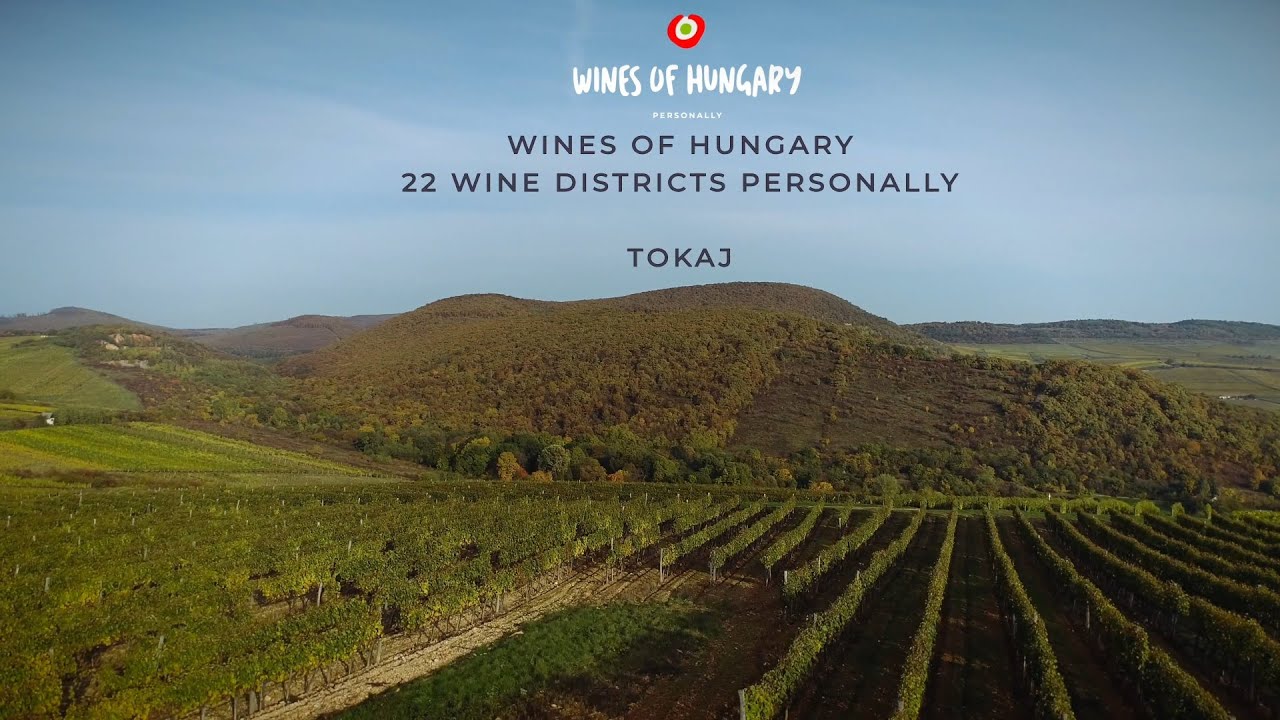
Find more on Hungary wines here

-
 Riesling wine quiz: Test your knowledge
Can you get a perfect score?...
-
 Why Irish whiskey loves sweet and fortified wine casks
Barrels used to age Marsala, Madeira and Sauternes have a special affinity with triple-distilled Irish whiskeys, thanks to a combination of history and distilling. This St Patrick’s Day, explore the sweeter side of drams from the Emerald Isle, with six great bottles to try.


-
 Marenda – A Dalmatian ritual
Sponsored Content What started as a work break has become a well-observed tradition in Dalmatia – one that pairs perfectly with local wine.
-
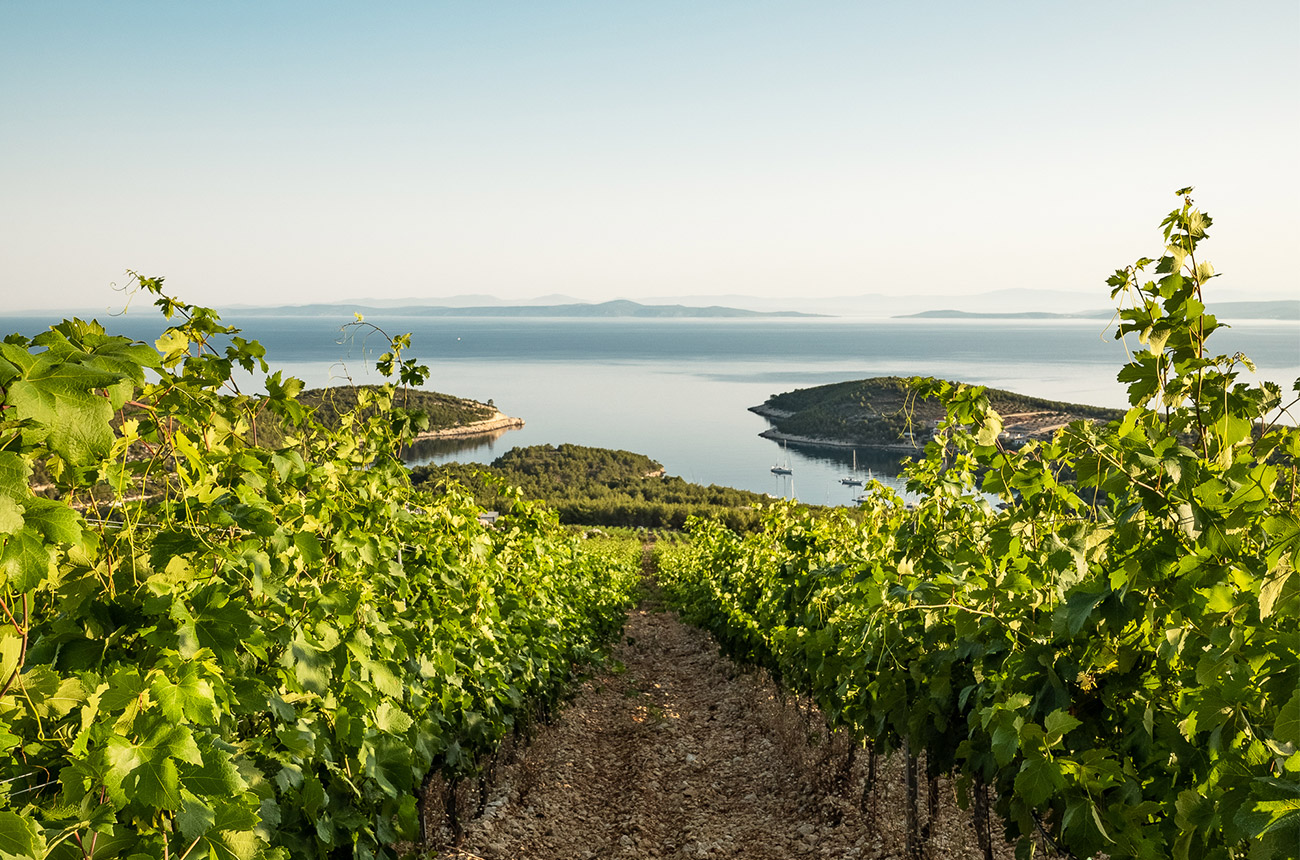 Dalmatia's hall of fame: DWWA winners
Sponsored Content Discover a selection of medal-winning Dalmatian wines from the Decanter World Wine Awards.
-
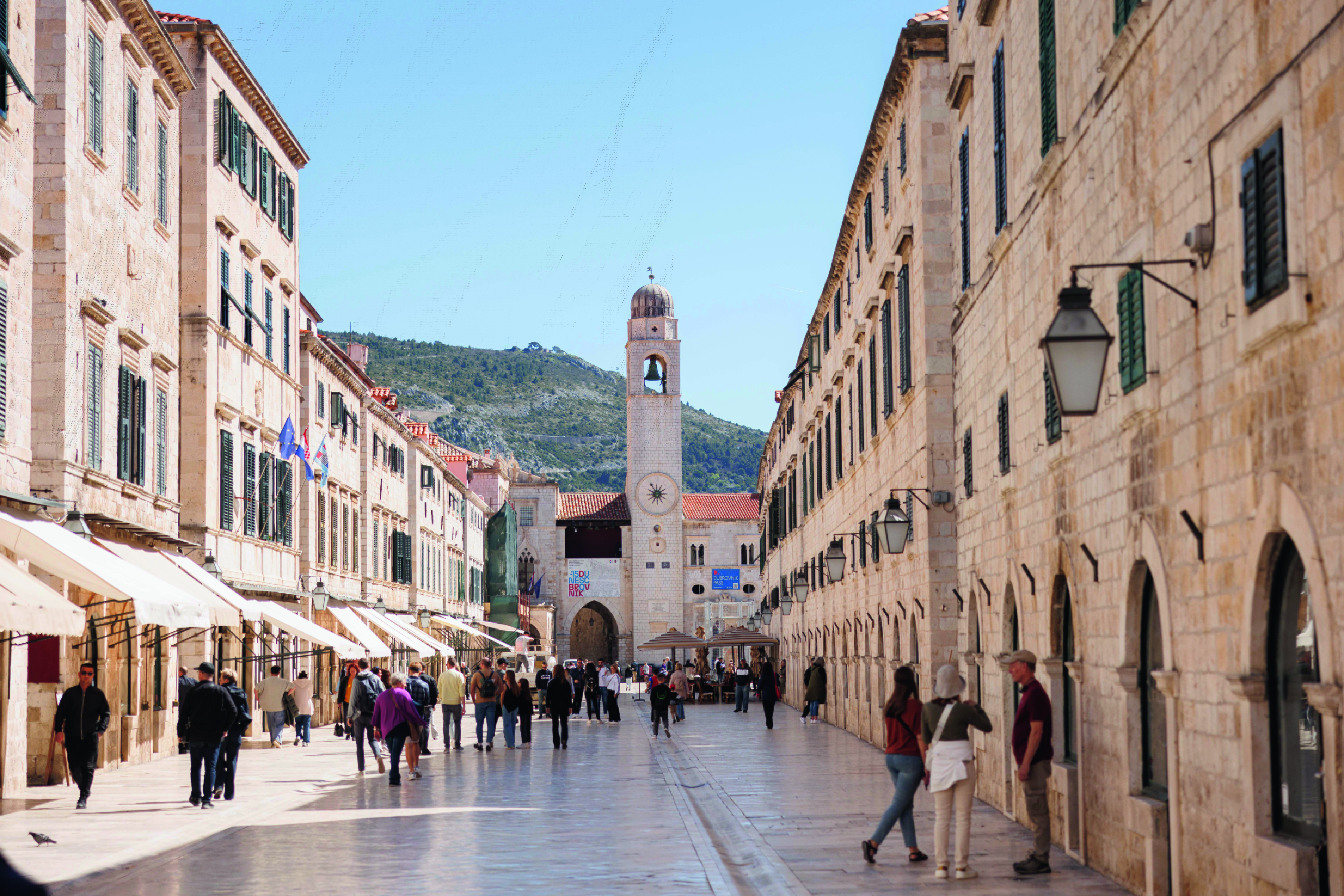 Pomalo: Dalmatia's answer to hustle culture
Sponsored Content A state of mind in Dalmatia, pomalo, which roughly translates as ‘take it easy’, sets the pace of life in this scenic region of Croatia.
-
 A Maldives paradise for wine lovers
The unique wine culture at OZEN RESERVE BOLIFUSHI extends well beyond its carefully curated list with expert tastings, creative pairings and unexpected discoveries to make lasting holiday memories.
-
 Shaping the future of wine & spirits: What’s new at ProWein Düsseldorf?
Sponsored content Returning on 15 – 17 March in Düsseldorf – discover what's new at ProWein in 2026...
-
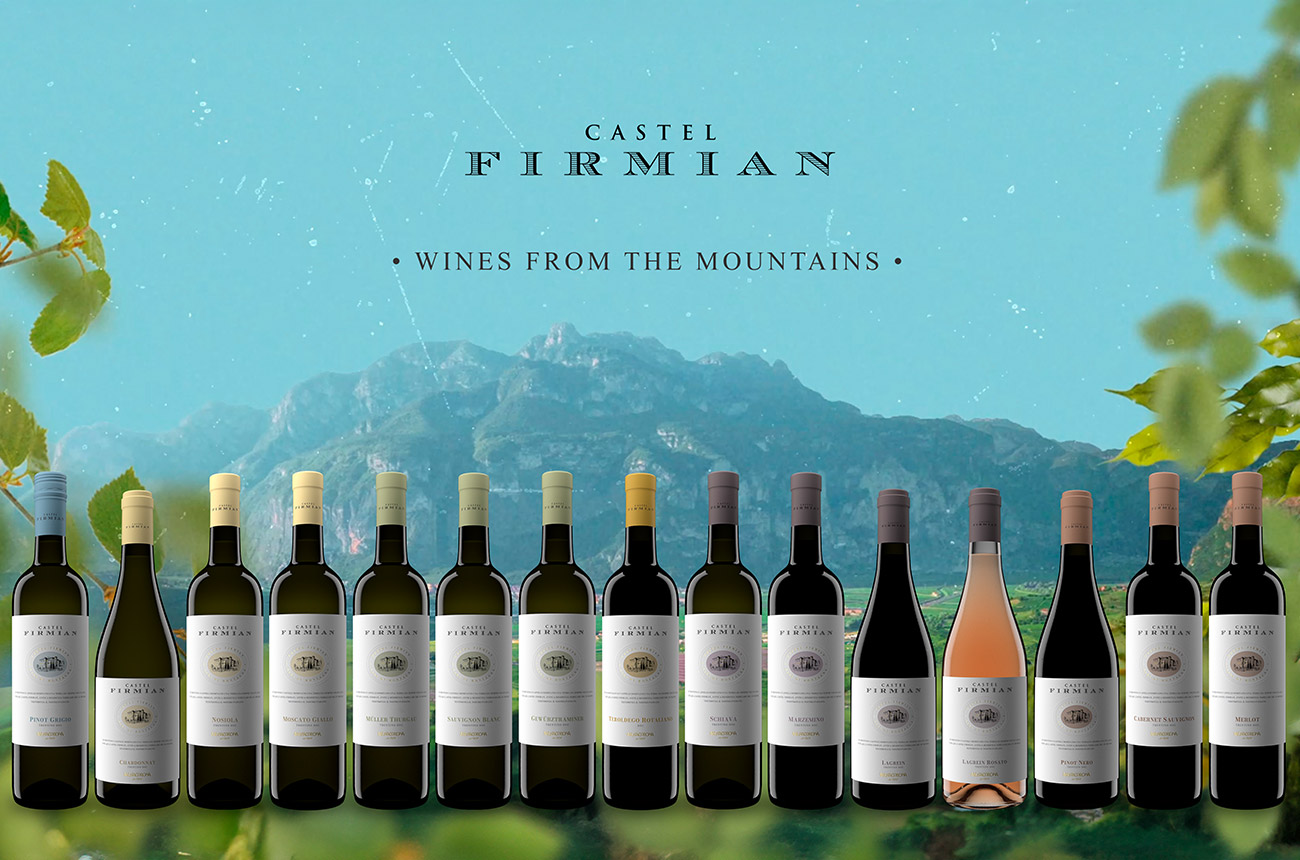 Castel Firmian presents a fresh new look with Wines from the Mountains
Sponsored Content The Trentino winery telling its story with a fresh rebrand...
-
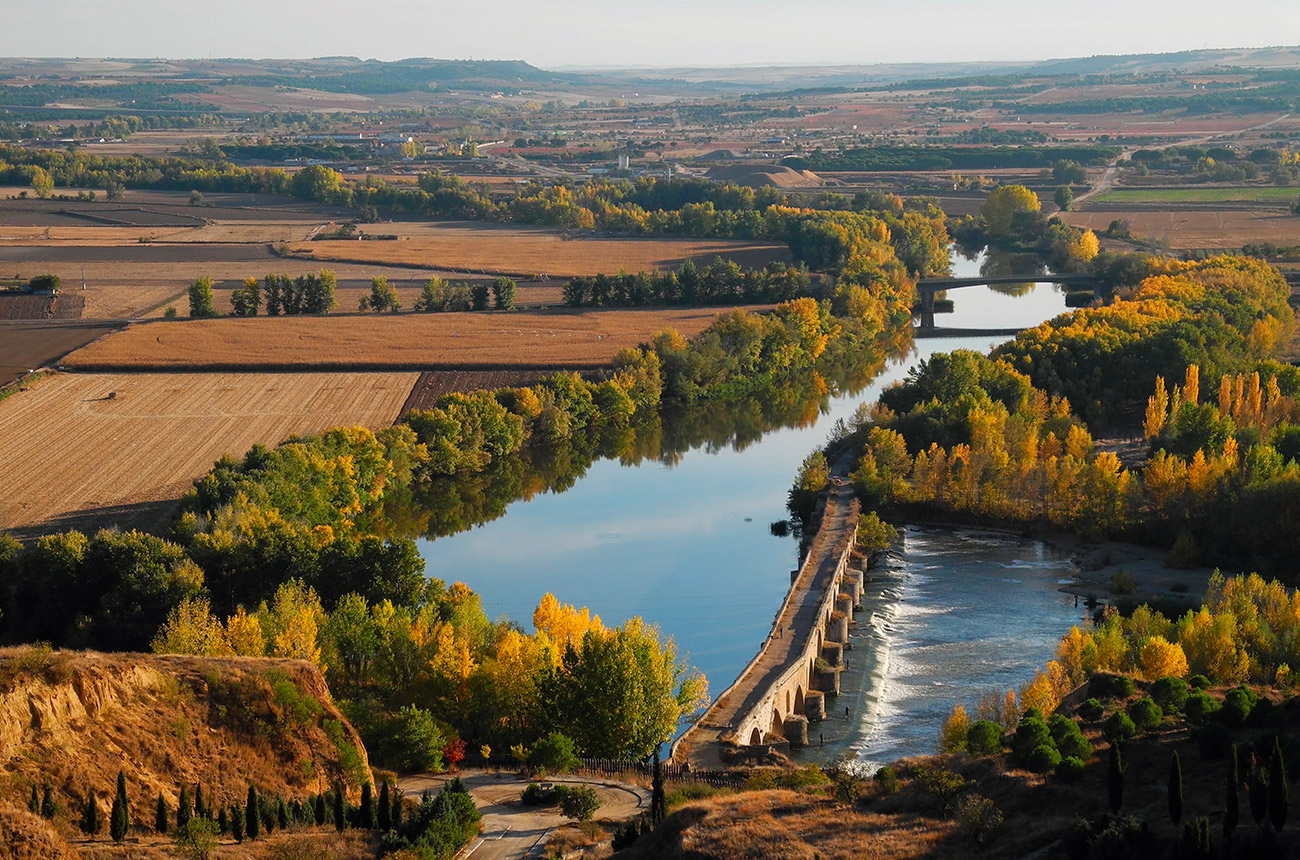 Toro: A tale of resilience, evolution and commitment
Sponsored Content This region’s past offers important clues on how to face present challenges...
-
 Juvé & Camps: Taking long-aged sparkling wines to new heights
Sponsored content Long-aged sparkling wines that express the craft of the winemakers...


