

The first thing they teach at shepherd school, one imagines, is not to lose track of the sheep. But that’s exactly what the malpastors, the ‘bad shepherds’ honoured by Familia Torres’ newly launched Rioja label, ended up doing. The distraction? Planting some of Rioja Alavesa’s first vines.
Founded in 1870, Familia Torres has an even longer heritage – the family’s winemaking roots stretch as far back as the 1500s. Today Familia Torres is a well-established name, with a reputation for quality cemented in the two decades it has spent producing wines in Rioja DOCa on what was once grazing land.
Familia Torres’ most prized Rioja estate, La Carbonera, is now certified as a Viñedo Singular, and lends its name to the company’s Rioja winemaking project, based in the village of Labastida. The vineyards selected to craft this new wine are found in what locals call the Sonsierra: the hills that stretch across Rioja Alavesa and Rioja Alta.

Reflecting the terroir
‘Malpastor is a wine that reflects the typicity of Sonsierra,’ winemaker Julio Carreter explains, ‘a land of pastures long before it became a land of wine.’
Malpastor Crianza Rioja DOCa focuses on this specific area and its soils. The bush-trained Tempranillo vines (on average 25 years old) sit on terraces shielded by the Cantabrian mountains. La Carbonera holds that the limestone-marl soils enhance the wine’s body and elegance and bring a subtle sapidity, which pairs with the Tempranillo’s fruit-forward character.

A reinterpretation of Rioja
Although it proudly reflects its origins, Malpastor is anything but a classic-style Rioja. ‘We combine tradition and modern winemaking,’ Carreter adds, in ‘a tribute to everything we’ve learned.’ The wine matures on its lees for a month in concrete before ageing in barrels – only 7% of which are first-fill. The result is a contemporary wine of elegance and freshness; intense and aromatic, its fruit-forward profile and velvety tannins attest to restrained and well-integrated oak.
Looking back, it’s no surprise that Familia Torres wants to raise a glass to those ‘bad shepherds’ who abandoned their trade, and laid the foundations for another.

Discover more about La Carbonera
Connect onFacebook | Instagram | Linkedn | Youtube


-
 Dalmatia: Where to enjoy the stillness of fjaka
Sponsored Content When Dalmatia slows down in the early afternoon, here are some perfect places to enjoy a little dreaminess.
-
 Why Eastern Slovenia is one of Central Europe's great unsung wine regions
Crisp whites and sensational sparkling from the heart of Central Europe...


-
Dalmatia: Where to enjoy the stillness of fjaka
Sponsored Content When Dalmatia slows down in the early afternoon, here are some perfect places to enjoy a little dreaminess.
-
 Dalmatia: The crimson coast
Sponsored Content Sun-kissed by the shores of the Adriatic, Dalmatia’s vineyards are home to bold and inviting red wines with plenty of potential.
-
 Azienda Agricola Cortese: Championing sustainability in the heart of Sicily
Sponsored Content Meet the winemakers using ancient techniques and sustainable practices to create fresh, modern interpretations of Sicilian varieties
-
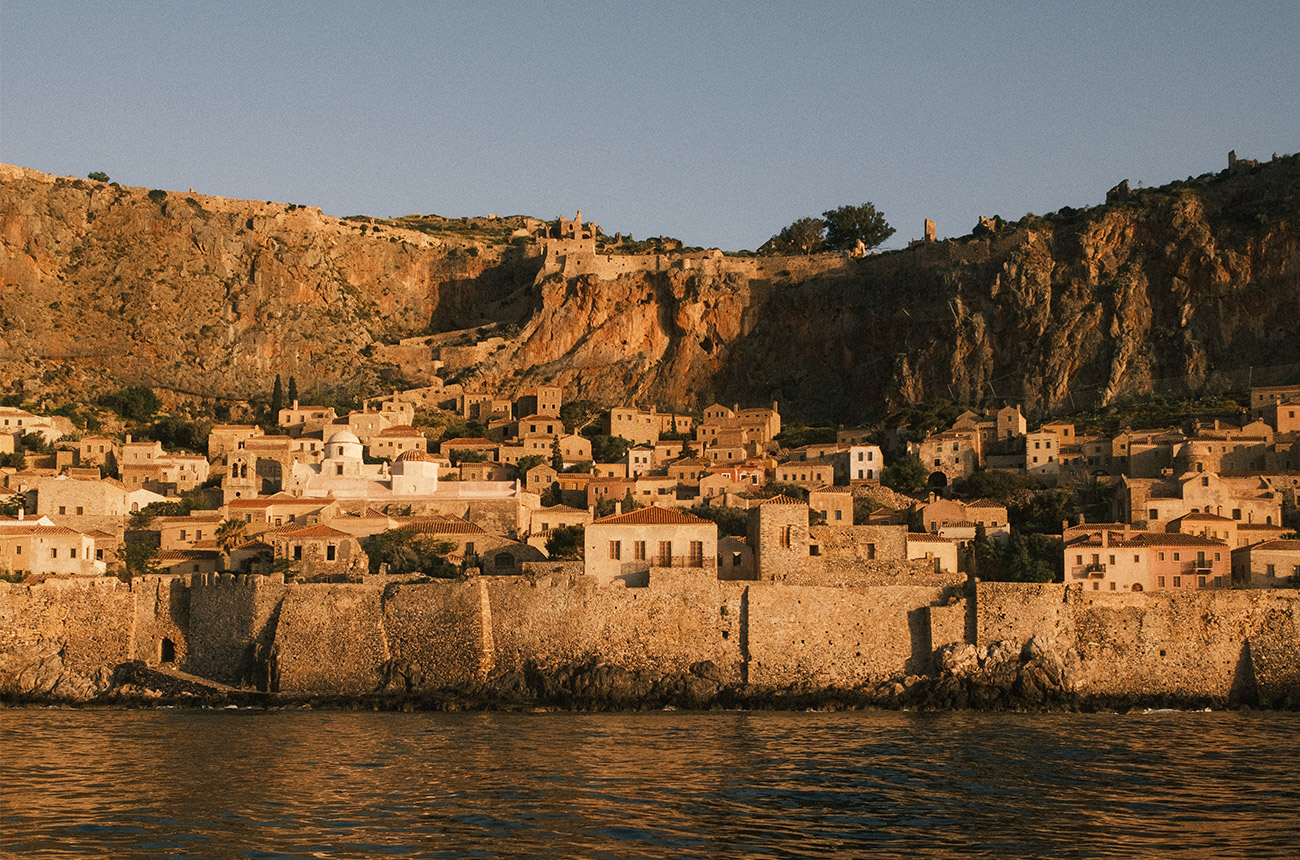 Monemvasia Winery – Tsimbidi: Bringing an ancient wine into the modern age
Sponsored Content George and Elli Tsimbidi’s winery not only revived one of history's most famous wines but is now breathing fresh life into other native Greek varieties.
-
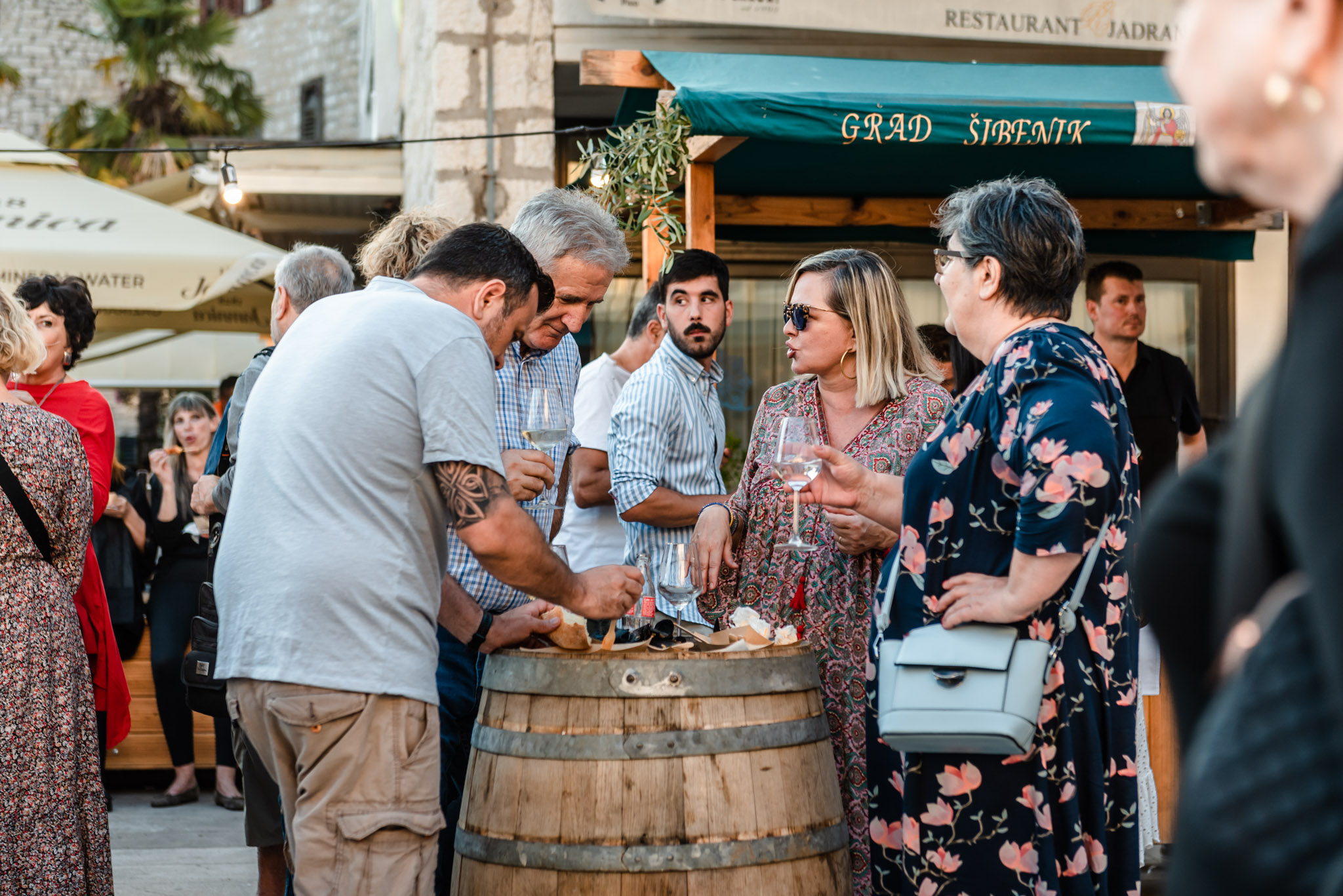 Marenda – A Dalmatian ritual
Sponsored Content What started as a work break has become a well-observed tradition in Dalmatia – one that pairs perfectly with local wine.
-
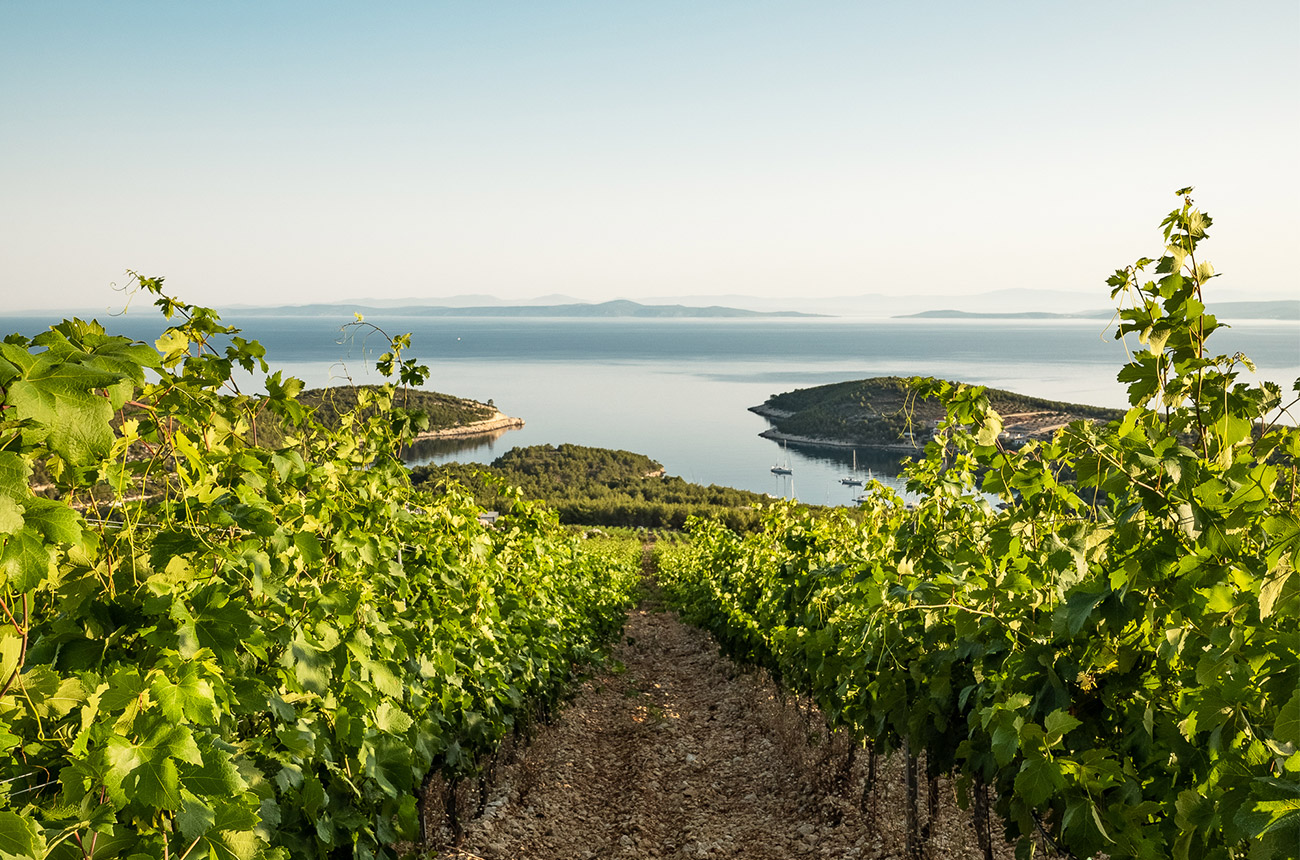 Dalmatia's hall of fame: DWWA winners
Sponsored Content Discover a selection of medal-winning Dalmatian wines from the Decanter World Wine Awards.
-
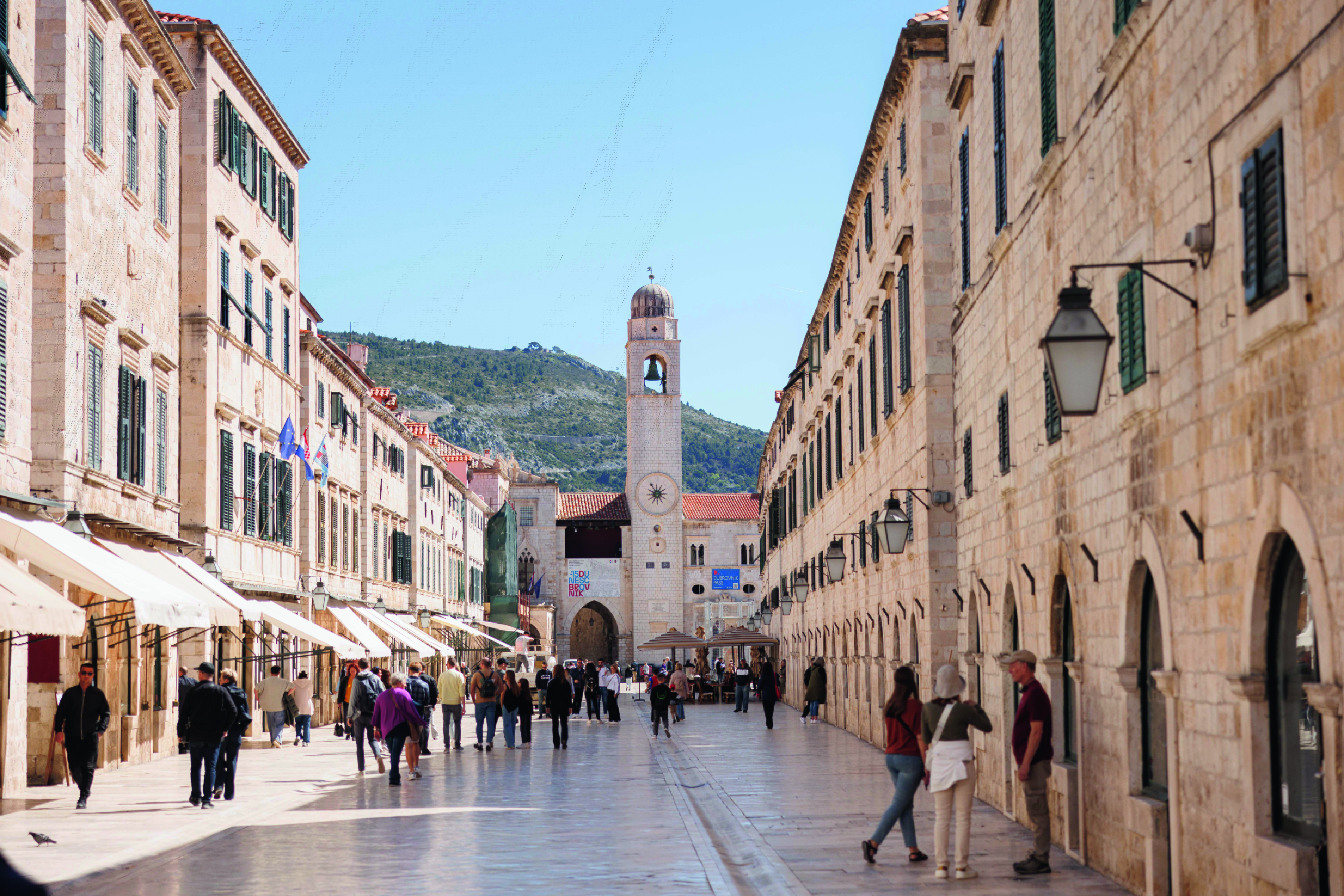 Pomalo: Dalmatia's answer to hustle culture
Sponsored Content A state of mind in Dalmatia, pomalo, which roughly translates as ‘take it easy’, sets the pace of life in this scenic region of Croatia.
-
 A Maldives paradise for wine lovers
Sponsored Content The unique wine culture at OZEN RESERVE BOLIFUSHI extends well beyond its carefully curated list with expert tastings, creative pairings and unexpected discoveries to make lasting holiday memories.


