

The idea of making cru wines from single vineyards, now called MGA (Menzione Geografica Aggiuntiva), is not a new one at Marchesi di Barolo. The owners, the Abbona family, have bottles of single-vineyard wine dating back to the beginning of the 20th century, but it was actually in 1973 that Barolo Cannubi had its first vintage, and Barolo Sarmassa in 1976. Coste di Rose followed later.
Climatic conditions and soil composition give very different results for wines made from grapes drawn from different vineyard sites – this is terroir. This is part of the fascination of the Barolo denomination. Let’s look at the three historic cru wines from Marchesi di Barolo to get an idea of how different vineyard sites with different soils produce wines with unique characteristics. The vineyards are all in the township of Barolo, not too far from each another.
- 10 days on-skin maceration with racking into cork-lined cement tanks for spontaneous malolactic
- Two years ageing in wood, part in traditional Slavonian oak barrels and part in 225lt French oak barriques. Every year the proportion between barrels and barriques changes in order to match the right wood to the peculiarities of each vintage and to the characteristics of the different crus.
- Assemblage and ageing in traditional large oak botti, before decanting and bottle ageing.
Sandy soil – Barolo Coste di Rose
Sandy soils produce floral wines with smooth tannins and light colours. Coste di Rose is a steep hill in the south of the town. The soil contains an average amount of limestone and is rich in quartz sand and very fine silt, characteristics that give the wine intense and refined aromas with hints of roses and aromatic herbs such as wild mint. A Barolo which can already be enjoyed when young, thanks to the delicacy of its structure.
Mixed soil – Barolo Cannubi
Clay soils, on the other hand, produce muscular wines that are rich in colour. In the Cannubi cru there are soils of Helvetian and Tortonian origin that form blueish-gray marl: clay mixed with very fine sand containing a strong limestone component. This translates into wines that are full-bodied and very well balanced in terms of harmony between structure, perfume and tannic elegance. Ready to drink and capable of long ageing too.

Marly and calcareous soil – Barolo Sarmassa
In the Sarmassa cru, just north of the town centre, there is a very compact calcareous-clayey soil with notable stoniness. Harder parts, composed of quartz and sedimented clay lead to a minerality on the nose as well as other nuances. This translates into wine with intense aromas of liquorice and spices, excellent body and notable tannins. Capable of ageing beautifully for decades


-
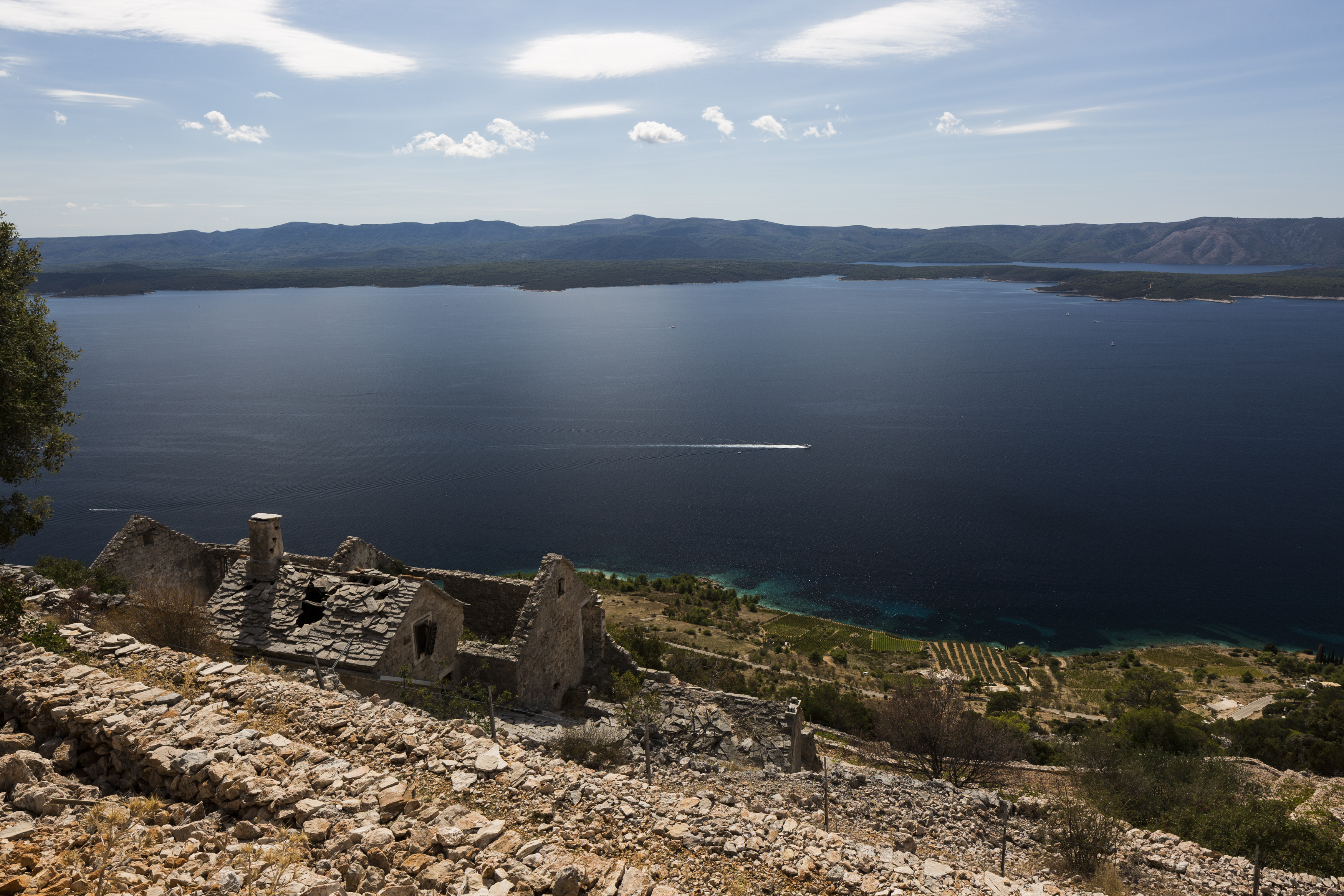 Dalmatia: Where to enjoy the stillness of fjaka
Sponsored Content When Dalmatia slows down in the early afternoon, here are some perfect places to enjoy a little dreaminess.
-
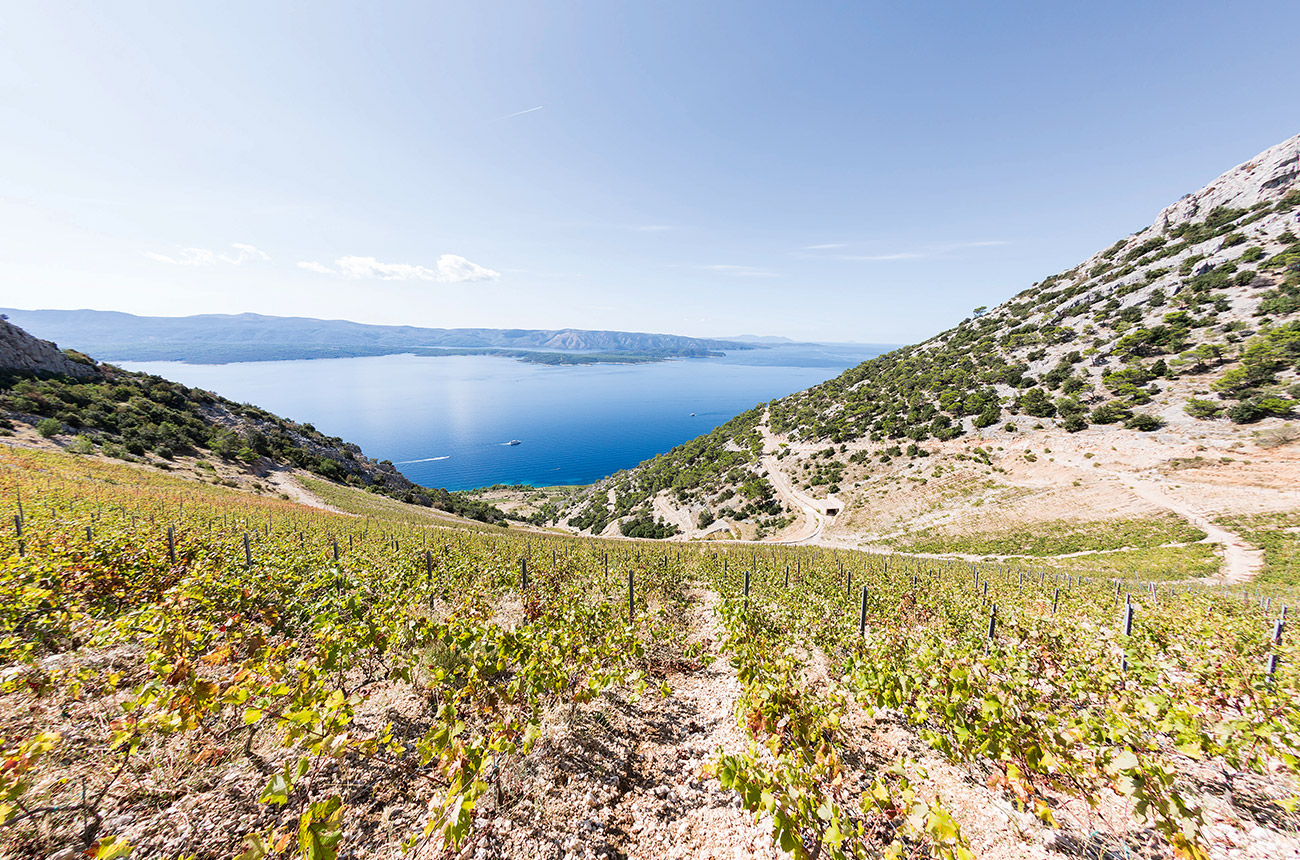 Dalmatia: The crimson coast
Sponsored Content Sun-kissed by the shores of the Adriatic, Dalmatia’s vineyards are home to bold and inviting red wines with plenty of potential.
-
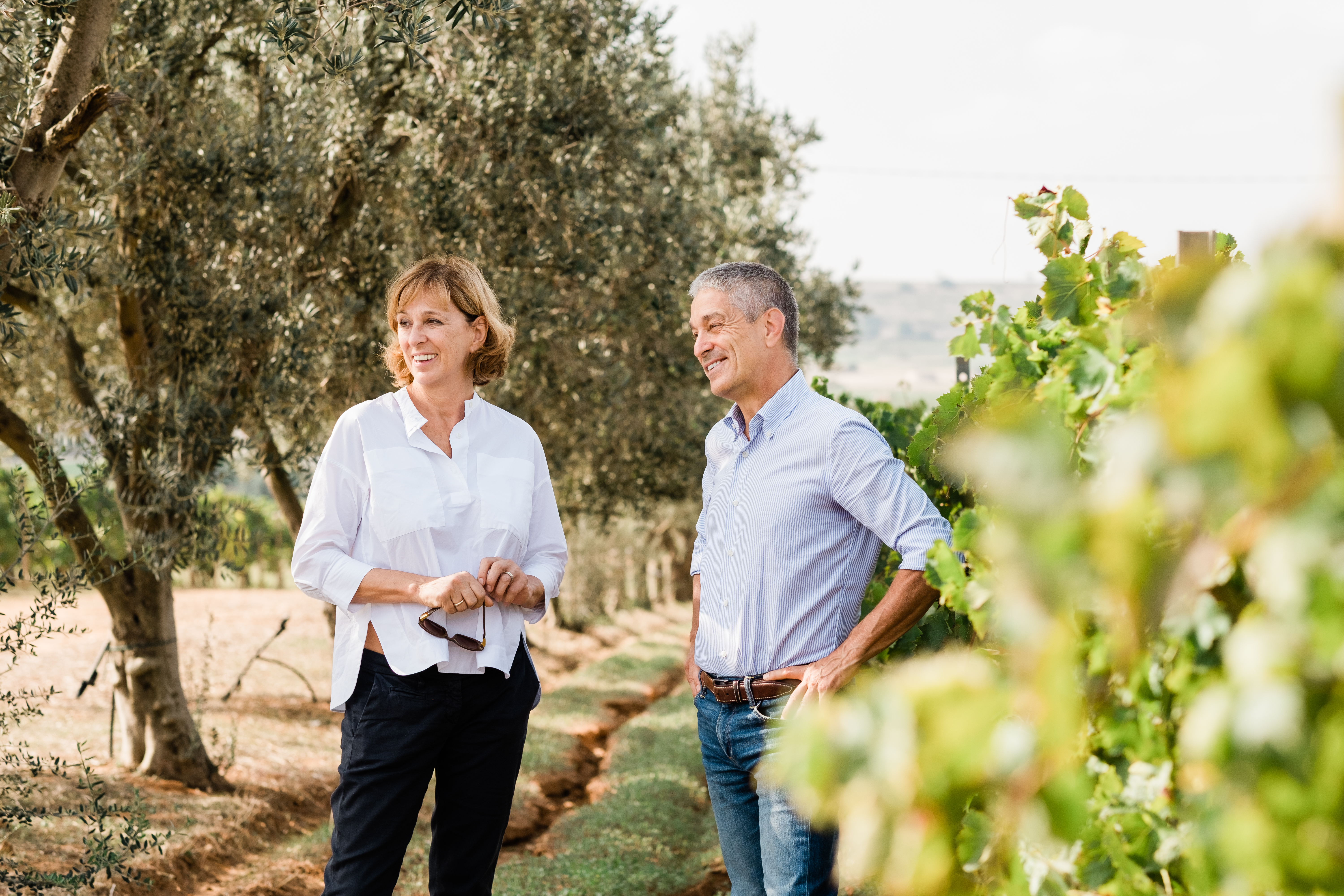 Azienda Agricola Cortese: Championing sustainability in the heart of Sicily
Sponsored Content Meet the winemakers using ancient techniques and sustainable practices to create fresh, modern interpretations of Sicilian varieties
-
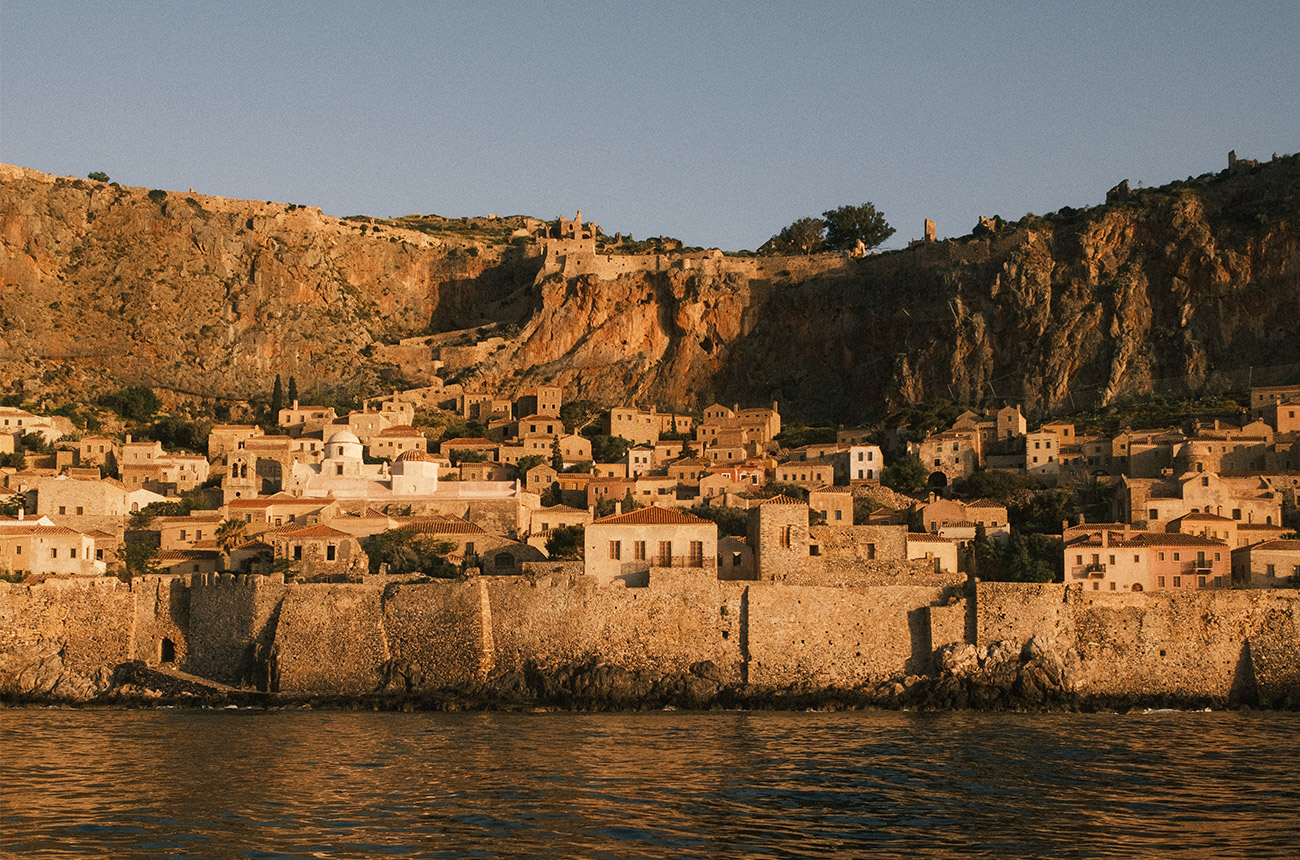 Monemvasia Winery – Tsimbidi: Bringing an ancient wine into the modern age
Sponsored Content George and Elli Tsimbidi’s winery not only revived one of history's most famous wines but is now breathing fresh life into other native Greek varieties.
-
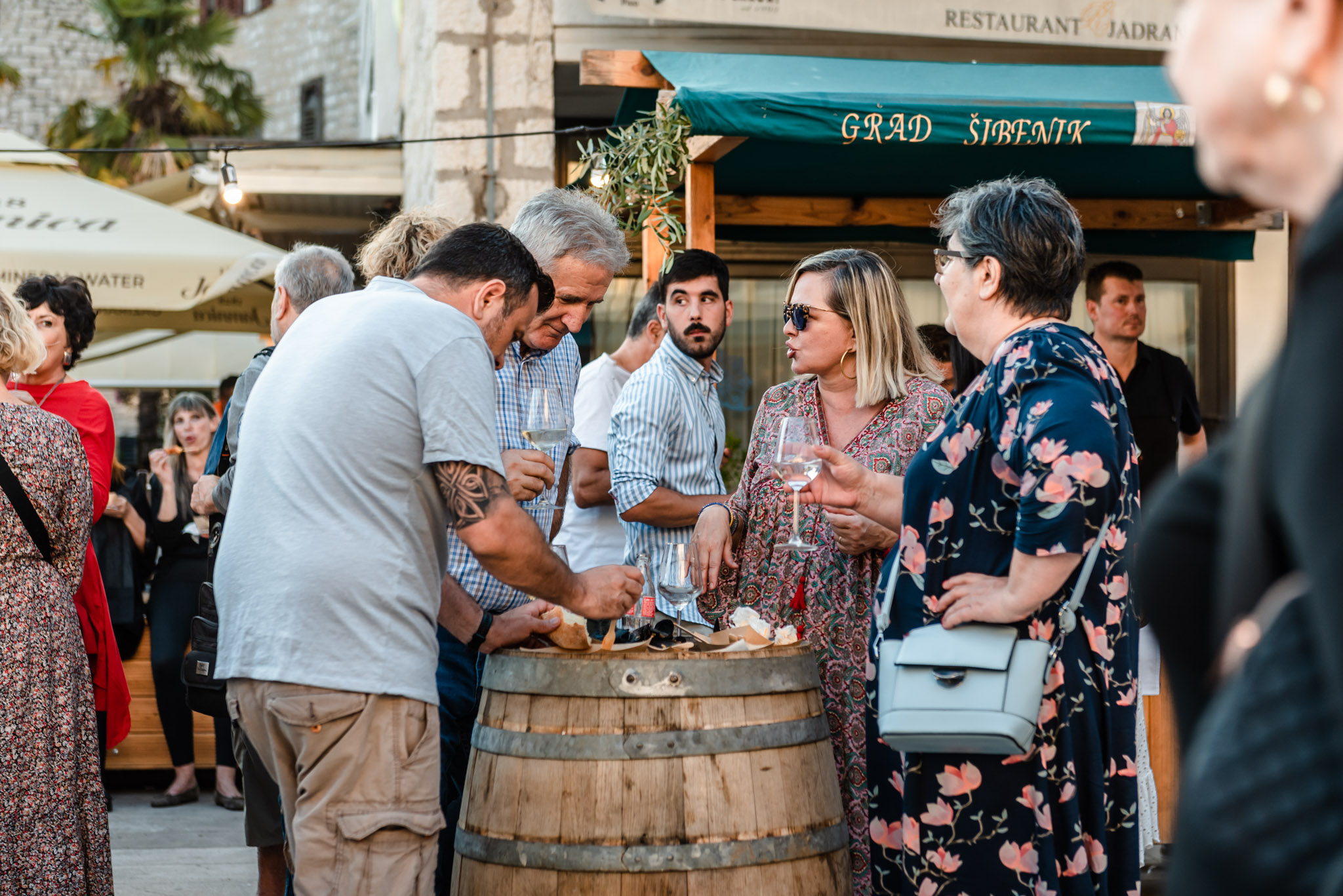 Marenda – A Dalmatian ritual
Sponsored Content What started as a work break has become a well-observed tradition in Dalmatia – one that pairs perfectly with local wine.
-
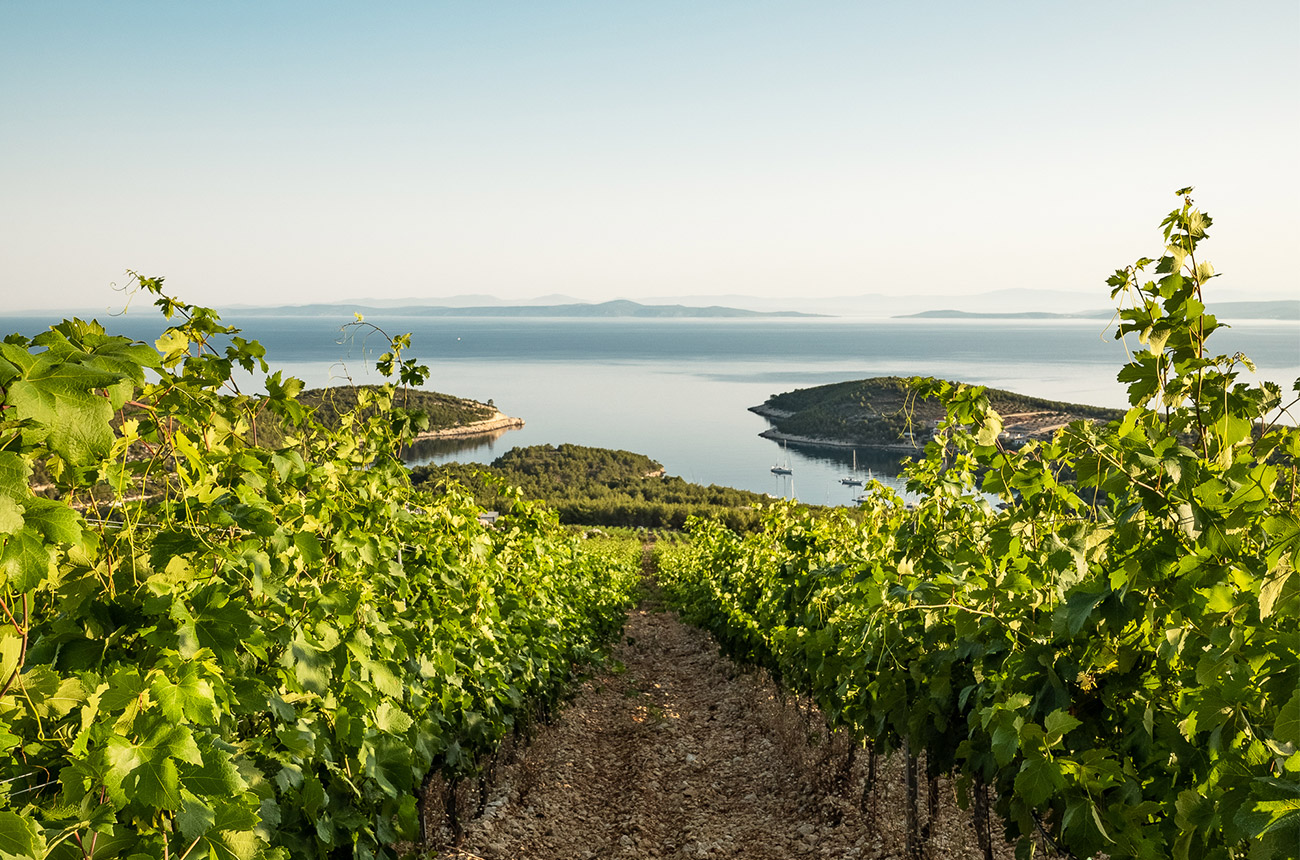 Dalmatia's hall of fame: DWWA winners
Sponsored Content Discover a selection of medal-winning Dalmatian wines from the Decanter World Wine Awards.
-
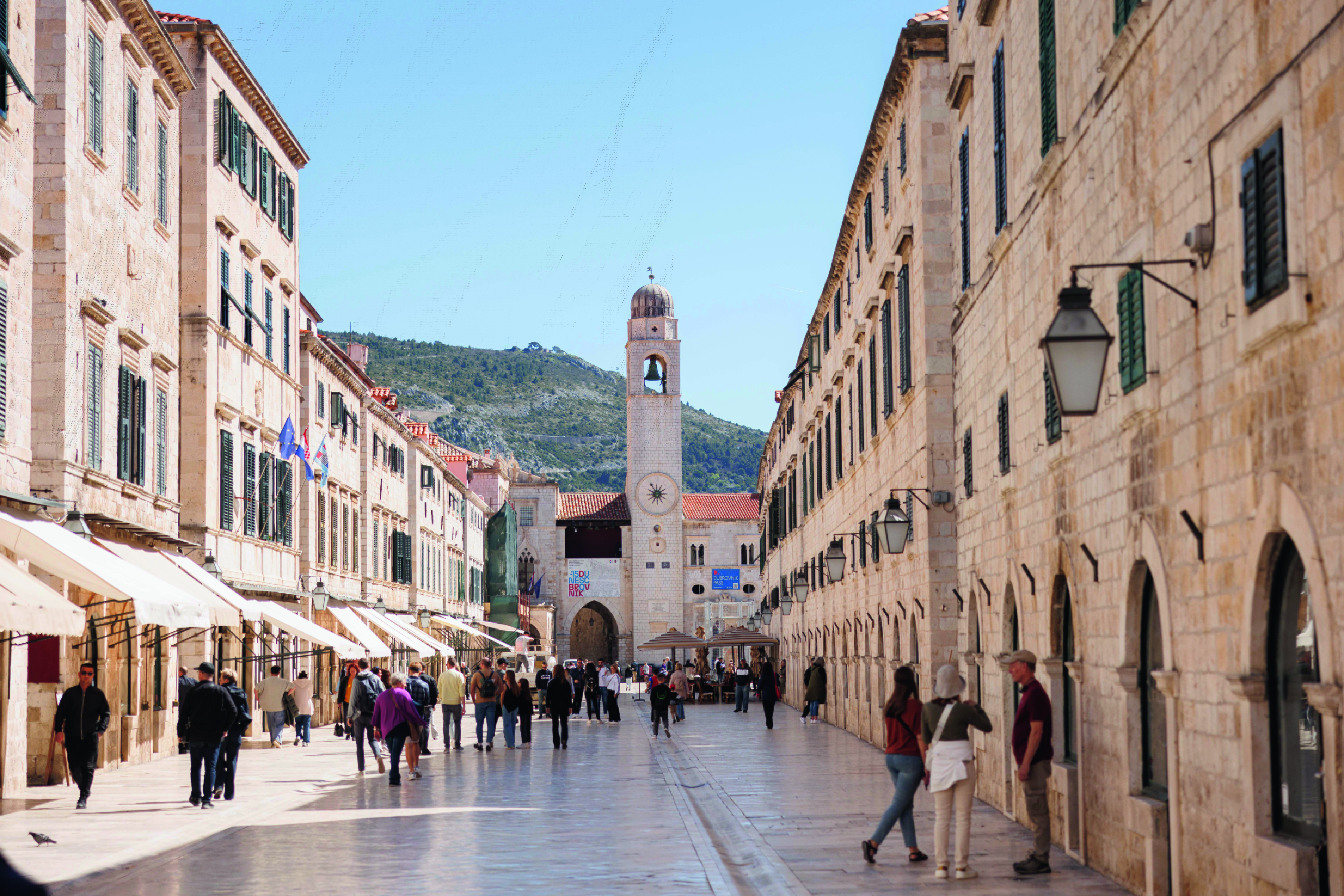 Pomalo: Dalmatia's answer to hustle culture
Sponsored Content A state of mind in Dalmatia, pomalo, which roughly translates as ‘take it easy’, sets the pace of life in this scenic region of Croatia.
-
 A Maldives paradise for wine lovers
Sponsored Content The unique wine culture at OZEN RESERVE BOLIFUSHI extends well beyond its carefully curated list with expert tastings, creative pairings and unexpected discoveries to make lasting holiday memories.


